Markets — 747 insights
Tech outperforms traditional sectors as China’s uneven recovery set to fuel AI stock revival
Markets

Tech outperforms traditional sectors as China’s uneven recovery set to fuel AI stock revival

The Star Market 50 index of mostly chipmakers rebounded 9 per cent in August, recouping some of the 26 per cent slump in the previous month China’s K-shaped economic recovery is likely to keep investors betting on artificial-intelligence stocks, as the latest data indicates the tech sector remains a key driver for growth while consumption and property continue to act as drags, according to analysts. Consumption and the housing market still accounted for roughly 70 per cent of the world’s second-largest economy, according to Barclays. “There’s a big chance that technology stocks will revisit their highs of June and there’s more room for the rebound to run,” said Zheng Xiaoxia, an analyst at Hua An Securities. “The resilience of the tech industry will be confirmed in the interim reports coming in late August.”

Hong Kong stocks decline as rising bond yields and stalemate in Iran war dent sentiment
Markets

Hong Kong stocks decline as rising bond yields and stalemate in Iran war dent sentiment

Surging US bond yields and the US-Iran conflict weigh on Hong Kong stocks The Hang Seng Index fell 0.5 per cent to 25,323.70 as of 9.33am local time. The Hang Seng Tech Index dropped 1.4 per cent. On the mainland, the CSI 300 Index slid 1.6 per cent and the Shanghai Composite Index retreated 1 per cent. Higher capital costs have pressured stocks trading at elevated valuations, particularly the technology sector. Sell-offs in US Treasuries, where yields had risen to multi-year highs, weighed on stocks. The yield on 10-year Treasuries rose to its highest since early 2025, while that on 30-year Treasuries surged to a level not seen since 2007, as the US government accelerated issuance to finance fiscal deficits and hyperscalers ramped up bond sales to fund artificial intelligence buildouts. On the geopolitical front, Brent oil traded at US$91.67 a barrel, with the US and Iran stuck in a deadlock over control of the Strait of Hormuz, prompting investors to reassess whether the US Federal Reserve would turn hawkish in monetary policy.

Use of yuan hits 6-month high in Hong Kong’s fast-payment system
Markets

Use of yuan hits 6-month high in Hong Kong’s fast-payment system

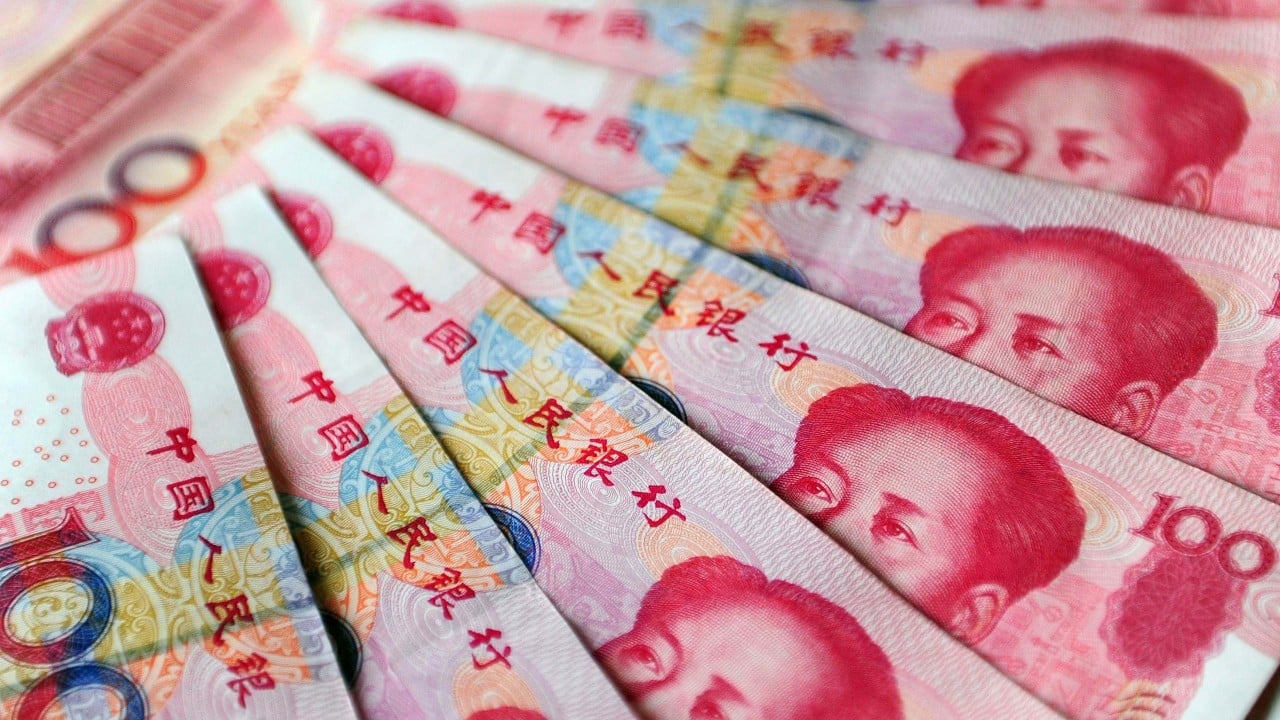
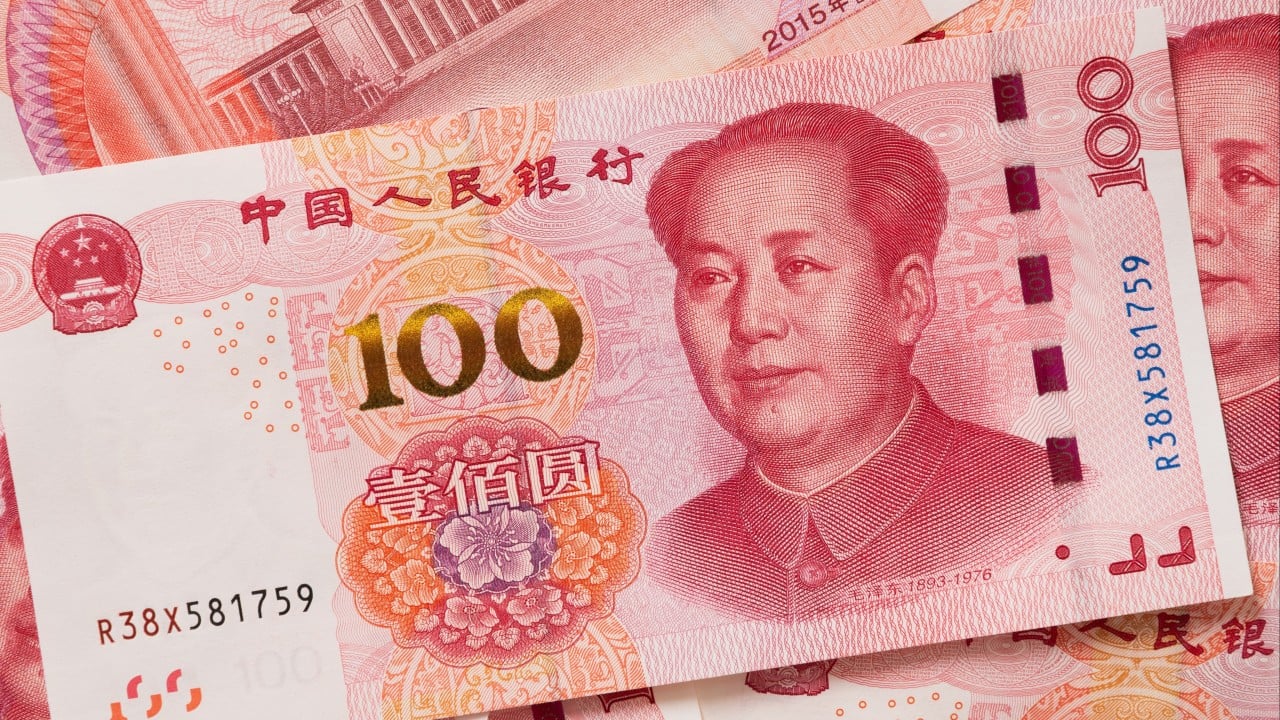
Yuan-denominated payments rise 34 per cent, with Payment Connect mechanism acting as catalyst for multiplying cross-border use cases Transaction values through Hong Kong’s Faster Payment System (FPS) for yuan reached 35.03 billion yuan (US$5.19 billion) in July, marking a 34 per cent increase from February, according to official data published by Hong Kong Interbank Clearing Ltd (HKICL) on Tuesday. On a year-on-year basis, transaction value increased 16.8 per cent. By directly linking Hong Kong’s FPS with mainland China’s internet banking payment system, the channel enables instantaneous, small-value cross-border transfers. Usage has increasingly expanded into everyday retail transactions, including university tuition, medical expenses and cross-boundary salary remittances. “The rise in renminbi FPS transactions reflects a broader structural trend of growing renminbi payment demand, and Payment Connect is an additional catalyst by expanding cross-border use cases,” said Gary Ng, senior economist for Asia-Pacific at Natixis Corporate and Investment Bank. The growth was also “partially due to the ongoing migration of payment infrastructure” towards the FPS system, he added.

After years, Macau firm opts out of Hong Kong renewal project, seeks US$153m for site
Markets

After years, Macau firm opts out of Hong Kong renewal project, seeks US$153m for site

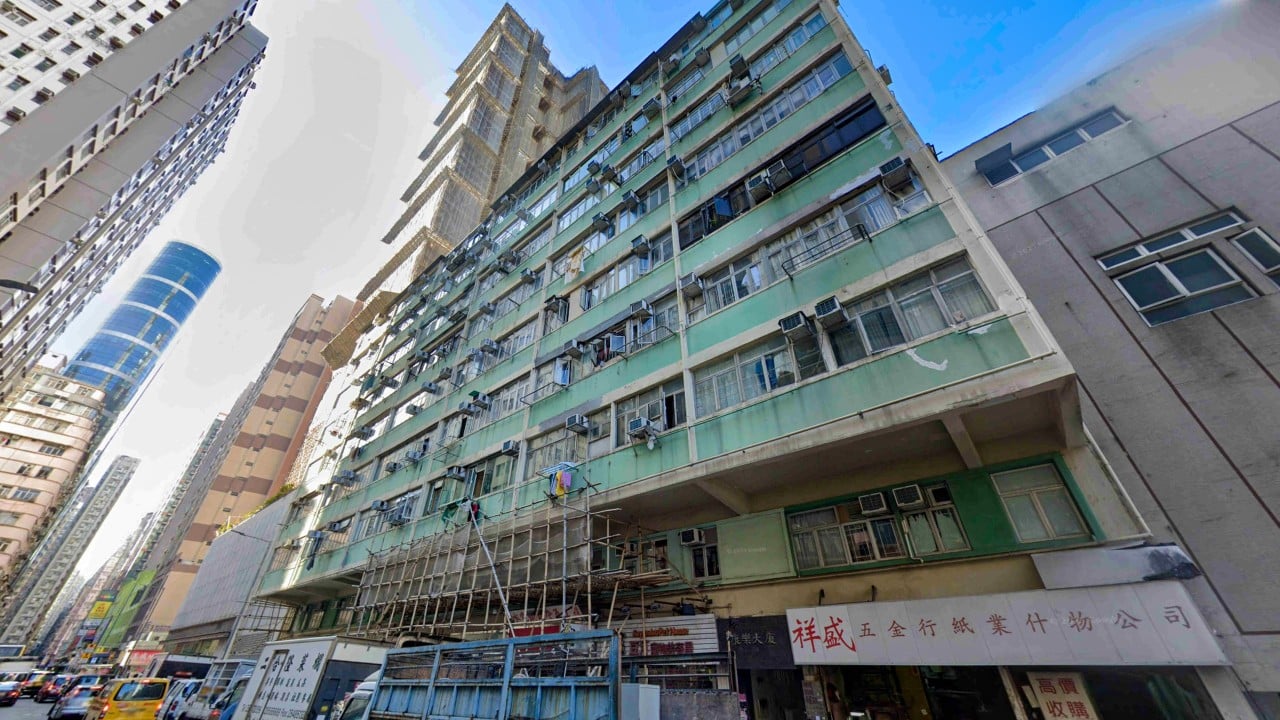
Sale of North Point site that owner spent years assembling highlights challenges of making urban redevelopment pay, even in improving market A North Point redevelopment site is being put on the market for HK$1.2 billion (US$153 million) after its owner, which spent years assembling the ageing property, warned that redeveloping it could result in losses of as much as 30 per cent. The sale offers a rare glimpse into the difficulties facing private developers in Hong Kong’s urban-renewal drive, where lengthy acquisition periods, financing costs and uncertain returns can undermine projects even as the residential market recovers. Cushman & Wakefield was appointed to market the 7,680 sq ft site at 77-87 Marble Road, which can be redeveloped for residential, commercial, hotel or student accommodation purposes, according to its statement on Tuesday. Interested parties are invited to submit expressions of interest by September 28. The site’s current owner was a consortium led by Excellent Group, according to Land Registry records. Companies Registry records listed Lo Shing-chung as a director, and he is identified as the founder of Macau developer Excellent Group.

Xiaomi ‘in no rush’ to turn vast AI spending into profits despite earnings slump
Markets

Xiaomi ‘in no rush’ to turn vast AI spending into profits despite earnings slump

The Chinese tech firm has seen its net profits decline for three consecutive quarters, as it rapidly ramps up AI-related R&D spending Chinese technology giant Xiaomi has said it is “in no rush” to convert its large investments in artificial intelligence into profit, after recording another decline in net profits in the second quarter amid intense competition and cost inflation. “Our investment in AI is currently still in a phase of large-scale input. However, as a large corporation, Xiaomi is in no rush to pursue immediate monetisation,” said Alain Lam, the firm’s vice-president and chief financial officer, during an earnings call on Tuesday evening. In the first half of the year, Xiaomi’s spending on research and development jumped 25.6 per cent year on year to 18.2 billion yuan (US$2.7 billion), with AI-related inputs accounting for nearly 30 per cent of the total, Lam said on Tuesday. “The prices of memory are still high and the competition remains fierce. But the short-term pressure will not change our strategy for the long run,” said Lu Weibing, partner and president of Xiaomi, during the call.

Beijing urges mainland insurers to invest in Hong Kong-listed ETFs
Markets

Beijing urges mainland insurers to invest in Hong Kong-listed ETFs

Hong Kong’s status as global financial centre receives a boost as China’s financial regulator touts city’s exchange-traded funds China’s financial regulator has encouraged mainland insurers to buy Hong Kong-listed exchange-traded funds (ETFs), an initiative that is poised to further boost the city’s standing as an international finance centre. The announcement was made during a meeting between senior NFRA and Hong Kong officials in Beijing regarding efforts to promote the coordinated development of mainland and Hong Kong capital markets. The meeting was attended by Hong Kong’s Secretary for Financial Services and the Treasury Christopher Hui Ching-yu, Securities and Futures Commission Executive Director of Investment Products Elisa Ng, and Hong Kong Exchanges and Clearing CEO Bonnie Chan Yiting, as well as Xiao Yuanqi, a vice-minister at the NFRA. “Enabling mainland insurance funds to invest in Hong Kong-listed ETFs via the Stock Connect is a key step in deepening market connectivity between the two places, and it brings new momentum to Hong Kong’s asset management industry,” Hui said.

Hong Kong 5-year plan should have Northern Metropolis tax breaks, listing reforms: HKICPA
Markets

Hong Kong 5-year plan should have Northern Metropolis tax breaks, listing reforms: HKICPA

Accounting body also urges government to lobby mainland Chinese authorities about tax on cross-border trusts and insurance policies The Hong Kong Institute of Certified Public Accountants (HKICPA) has urged the government to introduce tax incentives to help develop the Northern Metropolis and to improve the stock exchange’s listing regime to further cement the city’s role in international finance. “Many start-ups need long-term investment and would lose a lot of money before they can make a profit,” Law said. “As such, the tax incentives should be designed in a way that allows the investors who back these start-ups to use losses in these investments to offset their other profits.” The Northern Metropolis project aims to turn 30,000 hectares (74,132 acres) of land near the border with mainland China into a technological and economic hub. The HKICPA also suggested that the government could offer lower tax rates for people who work in the area, Law said. The HKICPA is the industry body for 47,000 accountants in the city. Hong Kong will unveil its first-ever five-year plan in September, aligning the city’s priorities with the nation’s 2026-2030 development blueprint.

Chinese treasury futures launch cements Hong Kong as premier yuan hub
Markets

Chinese treasury futures launch cements Hong Kong as premier yuan hub

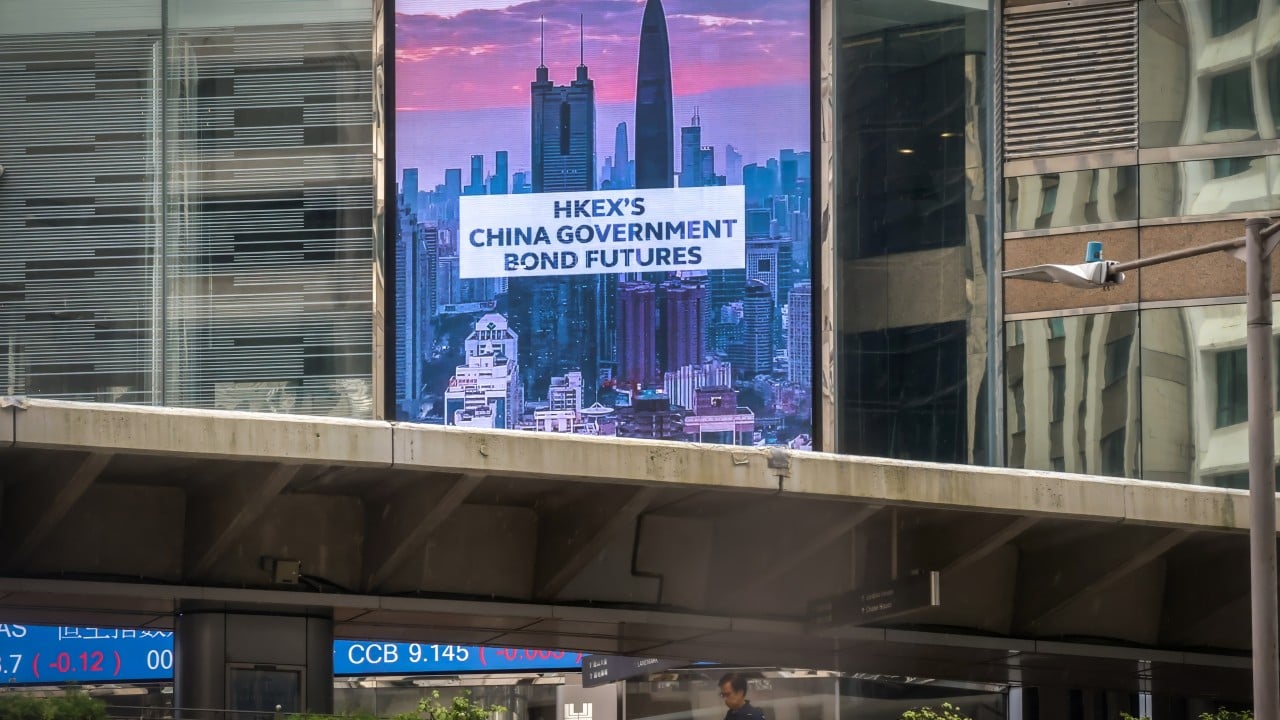
It marks Hong Kong’s transformation from a yuan payment channel and funding pool into a comprehensive centre for yuan assets When the Hong Kong stock exchange launched five-year China government bond futures on August 3, it did more than simply expand the city’s derivatives product suite. Chinese government bonds, which have a low correlation with many overseas assets, offer diversification. Central banks and sovereign wealth funds continue to use them to diversify their reserve holdings, while insurers, pension funds and global asset managers are gradually increasing their participation. From June 2017 to May this year, global holdings of Chinese interbank bonds increased from 800 billion yuan to 3.2 trillion yuan (US$474 billion), of which about 2 trillion yuan was invested in Chinese government bonds. A global currency needs more than a large pool of investible assets. It also needs reliable pricing benchmarks, liquid secondary markets and efficient risk-management tools that allow investors to enter and exit positions efficiently and pursue different investment and hedging strategies.

Hong Kong’s dim sum bond market hits new heights as State Grid deal draws record orders
Markets

Hong Kong’s dim sum bond market hits new heights as State Grid deal draws record orders

Lower yuan borrowing costs and longer maturities lure issuers, marking a fresh phase in the city’s expanding offshore market The offering comprised 3.9 billion yuan of five-year bonds priced to yield 1.86 per cent, 7 billion yuan of 10-year notes at 2.18 per cent and 4 billion yuan of 20-year debt at 2.46 per cent. Investor demand reached a record high, with orders totalling 193.8 billion yuan, more than 13 times the amount on offer, according to the bank. The deal comes as Hong Kong’s dim sum bond market continues to expand. Nearly 500 billion yuan of offshore yuan bonds were sold in the first seven months of the year, according to Bank of China. The lender said it underwrote more than 100 billion yuan during the period. State Grid’s deal adds to a string of heavily subscribed dim sum bond offerings this year, as lower yuan borrowing costs and growing investor demand fuel an expansion of the offshore market.

China plans for peak oil demand amid pipeline increase, intelligent rig development
Markets

China plans for peak oil demand amid pipeline increase, intelligent rig development

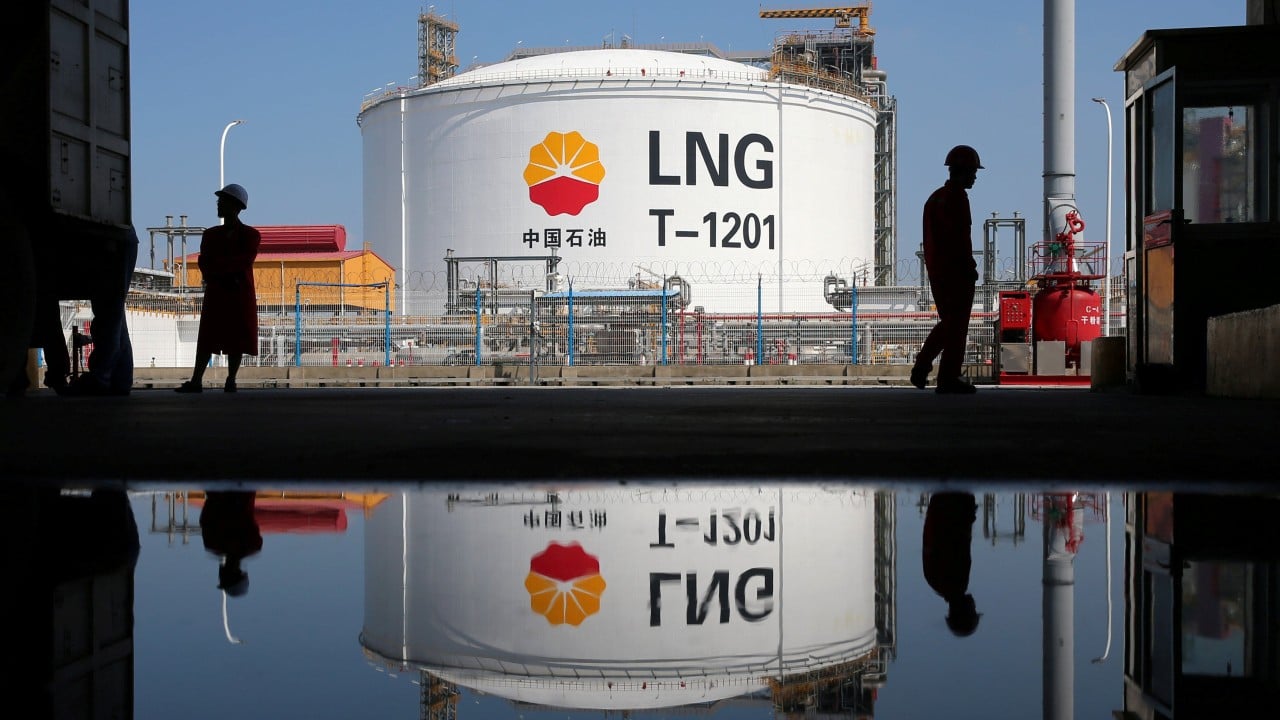
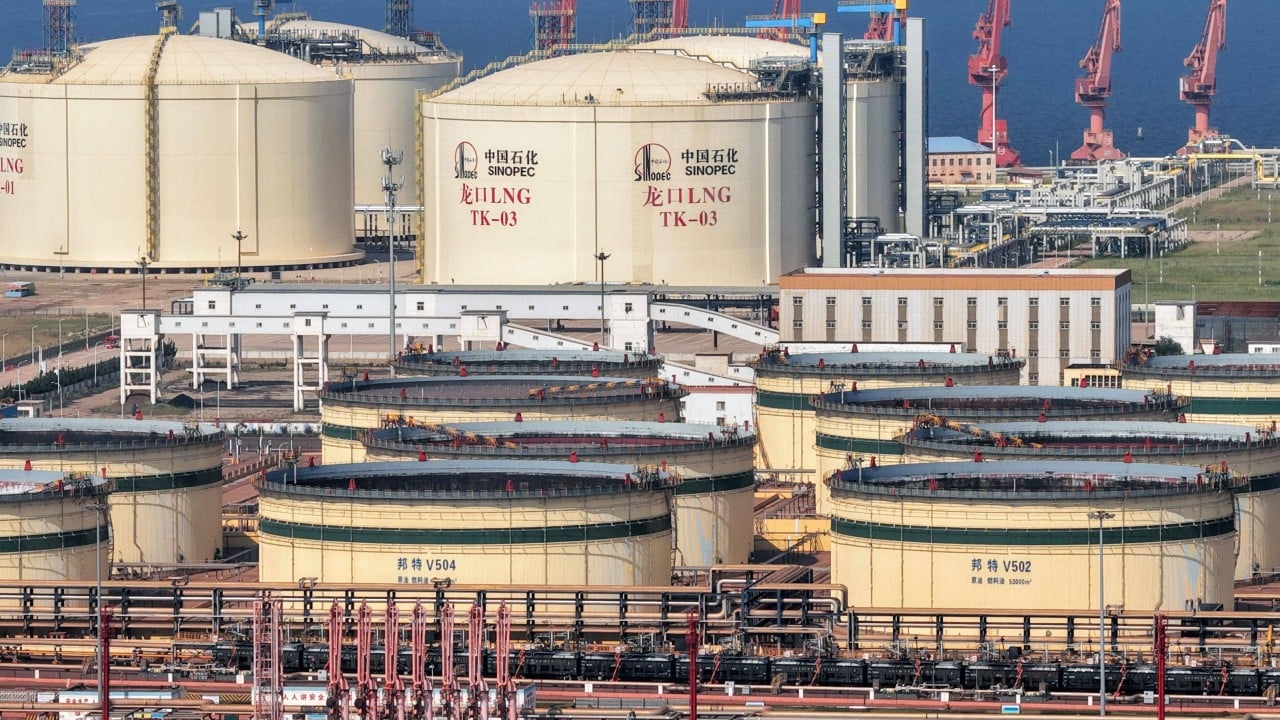
Beijing’s peak-oil plan pairs an expansion of China’s network of pipelines with 15-km-deep drilling rigs China has announced a new dedicated five-year plan to drill more crude oil and expand its network of pipelines as the world’s largest importer of fossil fuels faces heightened supply risks from geopolitical tensions. The plan, unveiled on Monday by the National Development and Reform Commission and the National Energy Administration, called for natural gas storage capacity to exceed 13 per cent of national consumption by 2030. China also aimed to expand the annual handling capacity of its liquefied natural gas (LNG) terminals to 200 million tonnes and raise its overland pipeline import capacity to 114 billion cubic metres of natural gas every year to 2030. Under the five-year plan for the oil and gas sector, China was targeting a domestic supply of 440 million tonnes of oil equivalent by 2030, while 20,000 km of new long-distance oil and natural gas pipelines would be added, bringing the national network to 220,000 km – enough to circle the Earth more than five times.

Chinese commercial banks gain margin relief, but subdued lending dims outlook
Markets

Chinese commercial banks gain margin relief, but subdued lending dims outlook

A rare uptick in margins lifted Chinese lenders in the second quarter, but falling loan demand and policy constraints loom large Average NIM for commercial banks edged up by 0.01 percentage point to 1.41 per cent in the June quarter, from 1.40 per cent in the first quarter, according to data released by the National Financial Regulatory Administration on Friday. Performance diverged across sector tiers. State-owned lenders, city commercial banks, rural commercial banks and private banks all posted quarter-on-quarter gains, while joint-stock banks were unchanged and foreign banks saw margins narrow further. Total social financing rose 1.4 trillion yuan in July, beating market expectations, as accelerated government and corporate bond issuance offset weaker bank lending, analysts said. “This ongoing trend of weak loan demand is likely to put pressure on banks’ balance sheet expansion, asset yields and NIM in the second half,” wrote Johnny Xie, an analyst at Deutsche Bank, in a research note on Tuesday.

China’s five-year plan for its oil and gas sector
Markets

China’s five-year plan for its oil and gas sector

China unveiled its 15th five-year plan for the oil and gas sector on August 17. The nation aims for domestic oil and gas production equal to 440 million tonnes of oil equivalent by 2030, a 5 per cent increase over its 2025 output. Below are key targets of the blueprint, which was released jointly by the National Development and Reform Commission and National Energy Administration. See below for the original document in Chinese: China's 15th five-year plan for the oil and gas sector by scmp