Markets — 312 insights
Expanding AI and chip firms push up rents in Beijing’s hi-tech district
Markets

Expanding AI and chip firms push up rents in Beijing’s hi-tech district

Rents in Zhongguancun edge up slightly as capital’s office market shifts from passive adjustment to structural recovery, Knight Frank says Demand for Beijing’s grade-A office buildings increased in the first half of the year, with artificial intelligence and semiconductor companies making the Zhongguancun area a hot property at a time when office markets nationwide are still struggling. Home to the capital’s densest cluster of hi-tech firms, Zhongguancun was the only submarket to post rent growth in Beijing, China’s second-largest office market after Shanghai, according to a report from property consultancy Knight Frank on Thursday. The firm’s data showed that the average monthly rent of grade-A offices in Zhongguancun reached 251.40 yuan (US$37) per square metre in the second quarter, ticking up 0.3 per cent from the first quarter. The price level was the second-highest in Beijing after Financial Street. “This year marks the arrival of the AI super cycle, and it has only just begun,” said Virginia Huang, managing director for north and east China at Knight Frank.

Star Market at 7: tech-centric stock exchange powers China’s innovation rise
Markets

Star Market at 7: tech-centric stock exchange powers China’s innovation rise

Attracting capital behind breakthroughs in frontier fields, the market is a key part of Beijing’s drive for technology self-reliance President Xi Jinping gave investors a surprise in 2018 when he floated the idea of a tech-focused board on the Shanghai Stock Exchange (SSE). He also gave China a powerful asset, as the board – later dubbed the Star Market – has become a financial engine powering breakthroughs in frontier technologies including artificial intelligence, robotics and semiconductors. The Star Market, officially known as the Sci-Tech Innovation Board under the Shanghai bourse, now forms an important part of China’s US$16 trillion stock market. With a combined market capitalisation of 15.5 trillion yuan (US$2.3 trillion), it is home to a litany of domestic companies that Beijing is counting on to break out of dependence on cutting-edge technologies that Washington is determined to restrict. From the beginning, the Star Market established itself as an example of deepening reforms in China’s stock market, which had often been criticised for failing to give investors access to the most vibrant parts of the economy, as well as for rigid regulations that resulted in an exodus of new-economy companies to overseas listings.

Shein receives approval for Hong Kong IPO from Chinese regulators
Markets

Shein receives approval for Hong Kong IPO from Chinese regulators

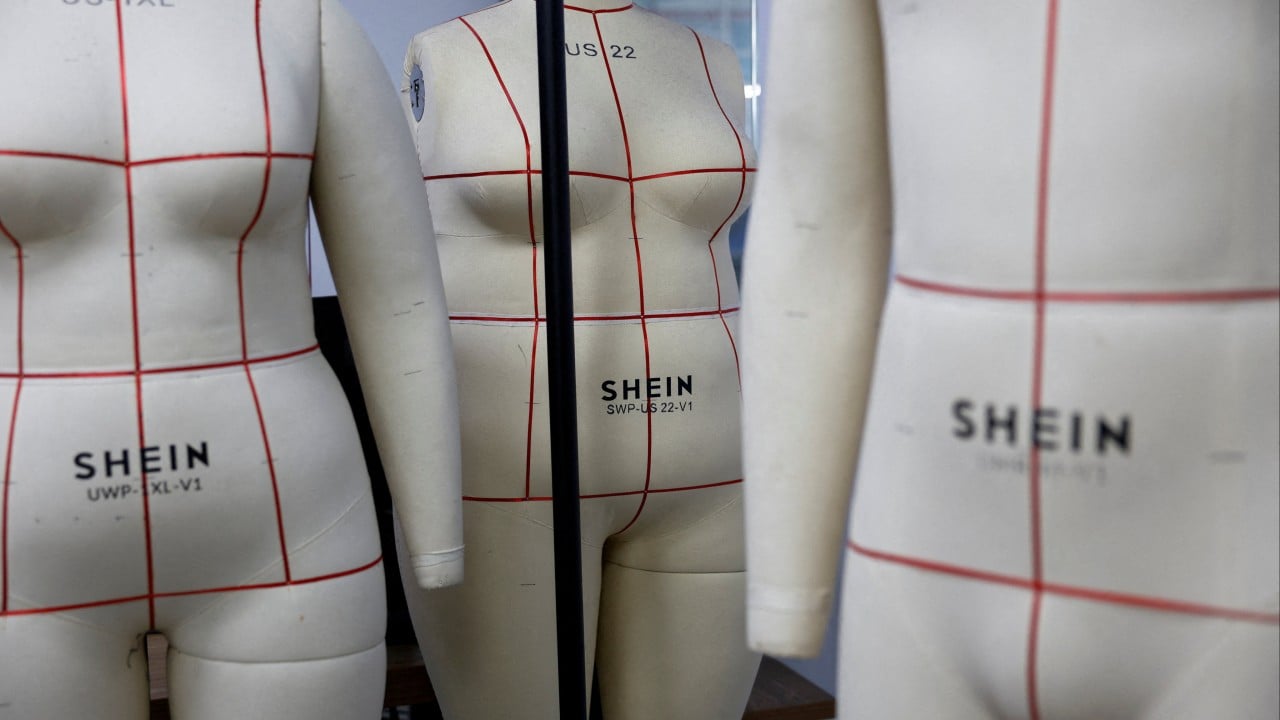
Beijing clears the online retail giant to seek an initial public offering in Hong Kong, after its plans to float in London and New York hit a dead end Online retail giant Shein Global Holdings has secured approval from the China Securities Regulatory Commission (CSRC) to seek an initial public offering in Hong Kong, a long-awaited step for the firm after its attempts to list in New York or London stalled. The firm plans to issue up to 341.6 million shares and list on the Hong Kong stock exchange, according to a Friday statement by the CSRC. Shein previously sought to go public in New York or London, according to earlier media reports, but those attempts have halted amid US and European regulatory scrutiny of the firm’s operations on issues ranging from its supply chain to tax. Shein, which was founded in China in 2008 but later moved its headquarters to Singapore, previously attempted to distance itself from China as its global profile rose, despite most of its suppliers being based on the mainland. But the firm has been trying to build closer ties with Beijing amid difficulties in securing a listing outside China.

Top Chinese political journal calls for ‘patient capital’ amid AI investment frenzy
Markets

Top Chinese political journal calls for ‘patient capital’ amid AI investment frenzy

Communist Party journal runs three consecutive commentaries encouraging long-term perspective in funding for technological innovation The top theoretical journal of China’s ruling Communist Party has run commentaries urging the country to cultivate “patient capital” for three days straight, as Beijing seeks to harness investment to boost long-term innovation amid fears of speculative excess in the artificial intelligence sector. The three posts, published on Qiushi’s official WeChat account from Wednesday to Friday, were drawn from an article in the journal’s latest issue by Xu Siwei, chairman of the vast Chinese state-owned investment firm China Reform Holdings. “Building a robust patient capital ecosystem with sufficient scale, appropriately matched investment horizons and strong risk tolerance ... has become a strategic, foundational undertaking to strengthen China’s long-term competitiveness and reinforce the foundations of innovation-driven development,” Xu wrote.

Why Payward chose Hong Kong to be its Asian stablecoin gateway
Markets

Why Payward chose Hong Kong to be its Asian stablecoin gateway

By setting clear rules, Hong Kong is pushing to become the world’s safest launch pad for the digital currency The city’s unique positioning stemmed from its century-long role as a gateway for international business, said Arjun Sethi, Co-CEO of Payward, the parent company of Kraken – a top-tier cryptocurrency exchange in the United States – in an exclusive interview with the South China Morning Post. Stablecoins and blockchain technology were reshaping the city into a global, round-the-clock liquidity hub, enabling businesses in regions with weak banking infrastructure, such as Africa and Latin America, to access capital at any time, Sethi said. Payward recently completed a US$600 million acquisition of Hong Kong-based Reap Technologies, a stablecoin-native payments infrastructure provider, marking its first and largest such acquisition in Asia. “We’re going to expand into Asia, including expansion into Singapore, through Hong Kong. This is our gateway as a company and that’s what we decided,” Sethi said when evaluating the two financial hubs, noting that both naturally attracted distinct financial services.

Nvidia gets China boost, Iran ceasefire breaks, GDP release
Markets

Nvidia gets China boost, Iran ceasefire breaks, GDP release

China eased a boycott of higher-end Nvidia processors, seeking to balance concerns about chip shortages hurting local artificial intelligence (AI) developers against the risk of over-reliance on US technology. Alibaba is among select businesses that will be eligible to buy H200s, Nvidia’s second-best AI chip, the South China Morning Post reported, citing an unidentified source. TikTok developer ByteDance and AI start-up DeepSeek are also on the list, The Information said this week. Alibaba owns...

China’s appeal as portfolio diversifier grows, BlackRock strategist says
Markets

China’s appeal as portfolio diversifier grows, BlackRock strategist says

‘China can provide exposure to different economic drivers,’ says Li Wei, the asset manager’s global chief investment strategist China is increasingly being viewed by global investors as not only a growth opportunity but also a potential portfolio diversifier, as higher inflation, market volatility and changing correlations challenge traditional asset-allocation strategies, according to BlackRock’s global chief investment strategist. “China can provide exposure to different economic drivers,” Li Wei said at the asset manager’s 2026 Midyear Outlook in Hong Kong earlier this week. She added that Chinese assets, including government bonds, could offer diversification benefits because they were shaped by domestic growth and monetary policy cycles that did not always move in line with the US Federal Reserve or other developed markets. Li’s comments came as China is delivering steady growth coupled with low interest rates, in contrast with Western economies that are troubled by rising inflation and likely interest-rate increases. The Chinese yuan is also poised to appreciate further against the US dollar, given China’s growing economic reliance on its technology prowess and strong exports.

Bruce Rockowitz Sees Al as Growth Engine for Wellness, Dining and Media Businesses
Markets

Bruce Rockowitz Sees Al as Growth Engine for Wellness, Dining and Media Businesses

[The content of this article has been produced by our advertising partner.] Artificial intelligence is rapidly moving from experimentation to execution, and business veteran Bruce Rockowitz believes the technology could become a critical competitive advantage across industries ranging from wellness and hospitality to media. Rockowitz, known for his work in sourcing, brand development and building and scaling consumer-facing businesses, views AI not simply as a productivity tool but as a strategic asset capable of driving revenue growth, improving customer engagement and streamlining operations. Its potential, he argues, is particularly significant for businesses such as The Pure Group, food-and-beverage operators and magazine publishers, all of which are navigating rising customer expectations and increasing pressure to improve margins. For The Pure Group, the fitness and lifestyle operator, AI offers a pathway toward greater personalization at scale. As wellness consumers demand increasingly customized experiences, AI systems can analyze behavioral data, attendance patterns and personal fitness goals to deliver tailored recommendations.

Xiaomi preps for fierce EV race with new SUV line, long-range battery tech
Markets

Xiaomi preps for fierce EV race with new SUV line, long-range battery tech

The company’s Sky Nomad SUV announcement is leading analysts to predict the new models will include long-range batteries to stay ahead of rivals Xiaomi, the smartphone vendor that has become one of Tesla’s biggest challengers in mainland China after entering the electric vehicle (EV) market, has doubled down on research and development to combat a slowdown in domestic sales. The Beijing-based tech giant announced on Thursday it would assemble and sell models under a new sport-utility vehicle (SUV) line known as Sky Nomad, a product range analysts said would be likely to include extended-range battery technology to lure consumers away from domestic rivals such as Li Auto and Xpeng. “Sky Nomad will be synonymous with smart, adaptable, large-space SUVs,” Xiaomi EV said in a statement posted on social media. “This represents Xiaomi’s efforts in car manufacturing over the past five years, catering to diverse user needs.” But analysts and dealers said they expected the first batch of production models to feature extended-range technology, including small internal combustion engines that generate additional power to charge the ­battery when needed.

Small-cap IPOs struggle in Hong Kong amid lack of AI megadeals
Markets

Small-cap IPOs struggle in Hong Kong amid lack of AI megadeals

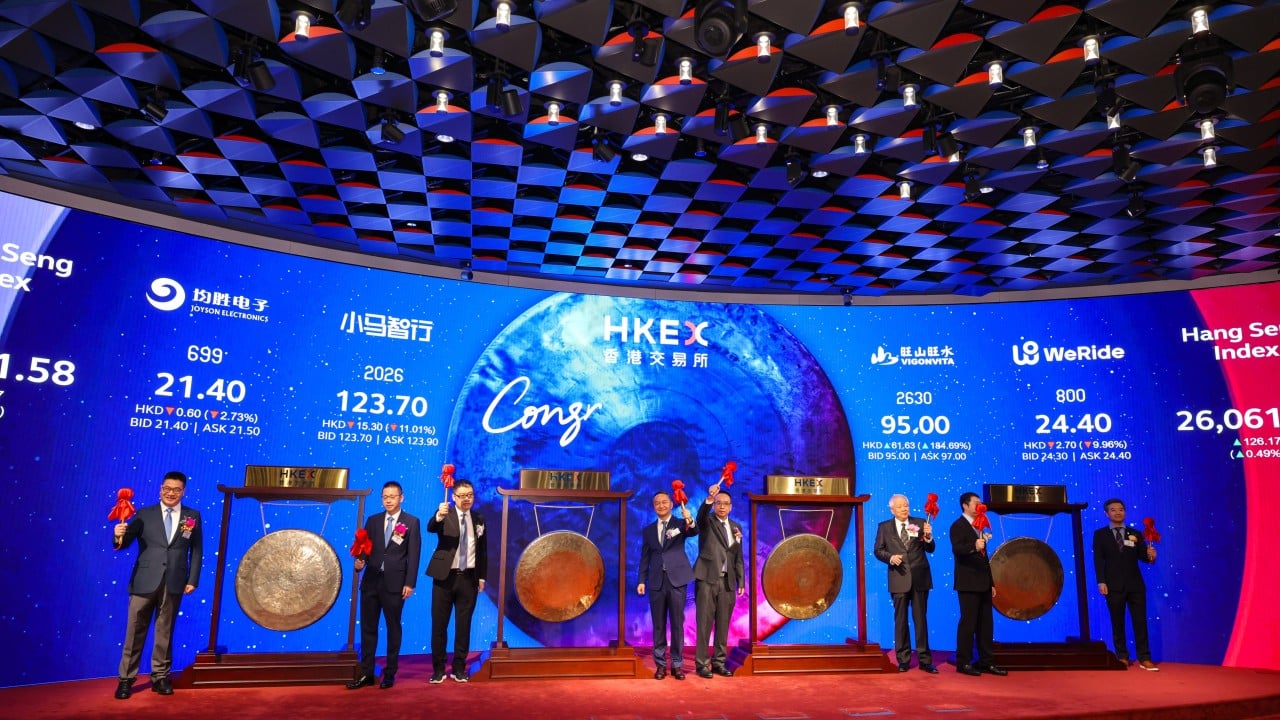
Smaller firms face a liquidity squeeze amid AI-related stock profit-taking, which drags down IPO market sentiment Both Rigol Technologies, an electronic measurement instrument supplier, and Beijing TRT Healthcare dropped over 30 per cent. Among the remaining eight debutants, only snack company Qiyunshan Food opened 100 per cent higher; the rest managed gains of less than 10 per cent. Meanwhile, Yongkang Holdings, the second-largest container terminal operator in Southeast Asia, scheduled its listing for July 13 but called it off last night – despite its retail margin oversubscription reaching 6,370 times across 17 brokers. “As the six-month lock-up periods expire, many listed companies – especially AI-related stocks – are rushing to raise capital through placements,” said Steven Leung, executive director of institutional sales at UOB Kay Hian. Furthermore, overall investment sentiment in both Asian and US stock markets has weakened. Artificial intelligence-related concept stocks, previously the most celebrated, are facing clear profit-taking, which is dragging down IPO market sentiment, he added.

China’s top DRAM maker sets date for US$4.3b Shanghai IPO amid memory boom
Markets

China’s top DRAM maker sets date for US$4.3b Shanghai IPO amid memory boom

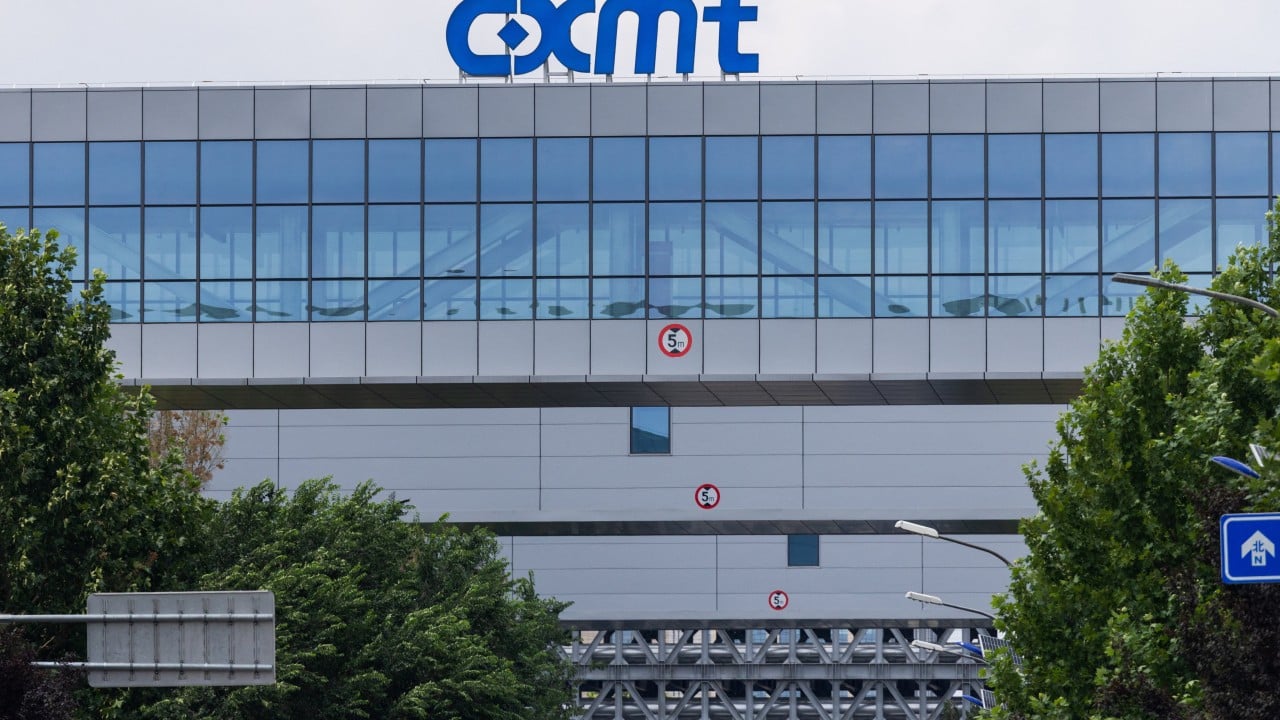
Listing would rank behind only SMIC’s on Shanghai’s Star Market, as AI demand boosts memory-chip market Chinese memory giant ChangXin Memory Technologies (CXMT) kicked off the final stage of its Shanghai listing, setting a subscription date for a share offering that is expected to raise at least 29.5 billion yuan (US$4.3 billion) and would rank as the second-largest on the tech-focused Star Market. China’s leading DRAM maker, based in Hefei in the central province of Anhui, will hold its initial price consultation on Monday and open subscriptions on July 16. The country’s memory-chip market would grow 263 per cent in 2026 to US$449.6 billion, as AI infrastructure demand lifted storage requirements, it added. That backdrop has strengthened the investment case for CXMT, the only home-grown DRAM producer with the scale to challenge the global market leaders, Samsung Electronics and SK Hynix of Korea and US firm Micron Technology.

Shares soar as recently-listed Zhipu AI and Iluvatar CoreX launch secondary placements
Markets

Shares soar as recently-listed Zhipu AI and Iluvatar CoreX launch secondary placements

GLM-5.2 model developer Zhipu AI is seeking to raise HK$31.4 billion, while chipmaker Iluvatar CoreX is targeting HK$7.1 billion Shares of Chinese artificial intelligence model developer Zhipu AI and chipmaker Iluvatar CoreX Semiconductor surged on Thursday after the tech companies launched separate secondary share placements to raise billions of Hong Kong dollars for hardware and research. Investor appetite remained robust despite the recent expiration of lock-up periods following the companies’ initial public offerings – which freed up a significant tranche of cornerstone investor shares. Surging valuations and favourable market sentiment have provided a window for the two mainland Chinese firms to lock in heavy funding to pursue their chip ambitions. Their share sales also exemplify an increasingly common playbook for newly listed Chinese tech companies to quickly return to Hong Kong’s equity markets shortly after their market debuts.