Markets — 684 insights
Japan faces a tough inflation-growth trade-off – and it’s not alone
Markets

Japan faces a tough inflation-growth trade-off – and it’s not alone

Bond markets are nervous about central banks’ ability to contain inflation as South Korea, Indonesia and the Philippines face similar pressures Global bond markets are throwing a tantrum. On August 17, the yield on 30-year US Treasury bonds hit 5.3 per cent, its highest level since 2007 and up from 4.8 per cent as recently as June 29. The average yield on long-term debt across the Group of 7 advanced economies is the highest since 2008. “The inability of policymakers to make progress on fixing the roof while the sun is shining is a key reason [long-term bond yields] remain so stubbornly high. So long as this persists, it will remain a risk for markets more broadly,” said Nohshad Shah at Citadel Securities.
Chinese banks embrace cheaper short-term loan rates despite margin risks
Markets

Chinese banks embrace cheaper short-term loan rates despite margin risks

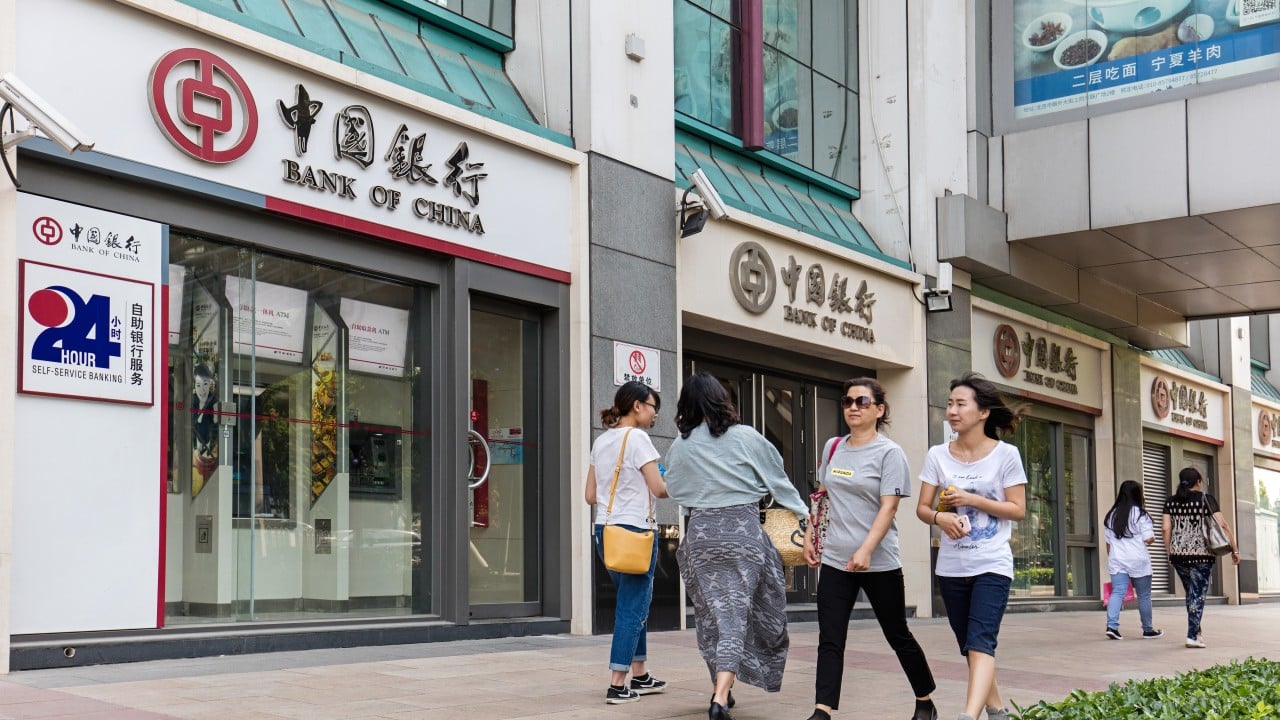
As some major lenders begin pricing corporate debt against flexible short-term markets, analysts warn the shift could squeeze net interest margins even further Chinese commercial banks have begun pricing corporate loans against a short-term interbank repo rate rather than the benchmark loan prime rate (LPR), a shift drawing sharp scrutiny from investors worried about the sector’s already thin profitability. The industry’s average net interest margin – the spread between what banks earn on loans and pay out on deposits – slid to a record low of nearly 1.4 per cent in the first quarter, according to official data. That was well below the 1.8 per cent threshold long regarded by regulators as necessary for healthy, self-funded capital growth. Market observers noted that broader adoption of market-linked pricing could put further pressure on margins in the near term, even as it promises to improve interest-rate risk management over time. Under the new approach, loans are pegged to the depository institutional repo rate (DR), specifically overnight and seven-day interbank rates. These short-term borrowing benchmarks reflect the actual cost of funds that commercial banks charge one another in the open market.

Hesai rides on lidar growth as smart cars gain ground despite China’s struggling market
Markets

Hesai rides on lidar growth as smart cars gain ground despite China’s struggling market

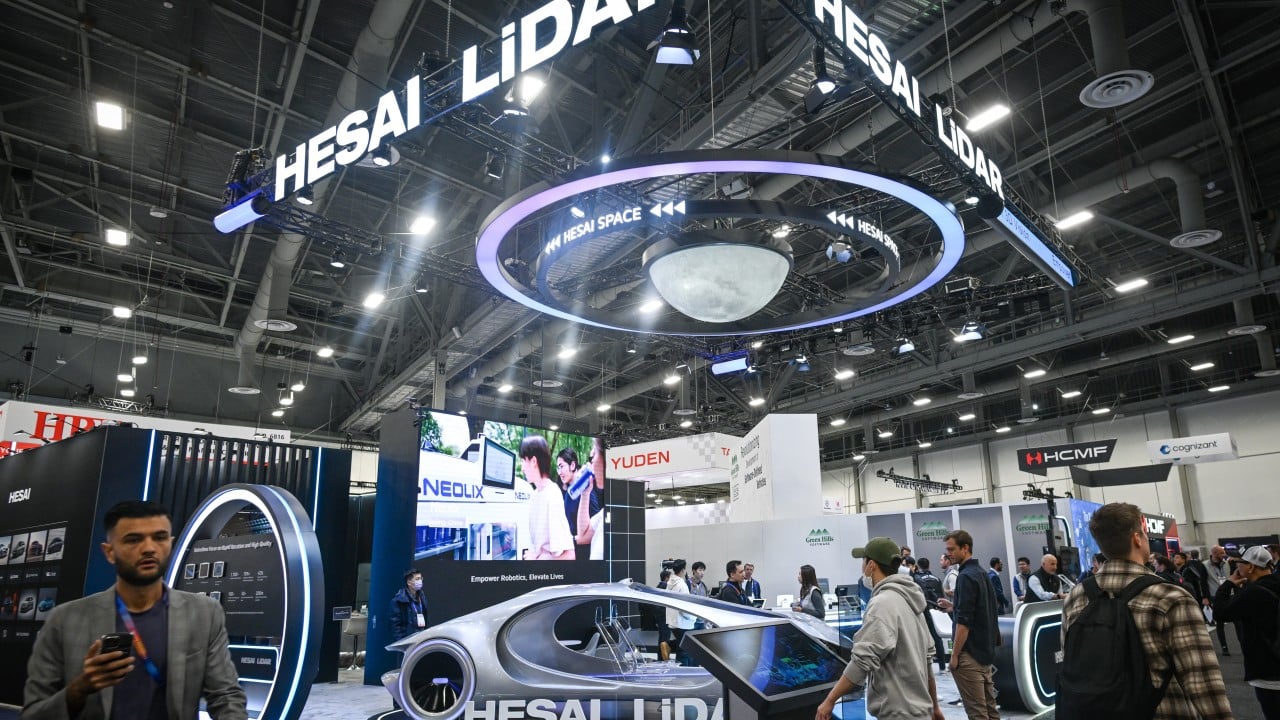
World’s largest maker of lidar sensors signals ambitions beyond the supply chain, repositioning itself as a top tech firm Chinese carmakers’ reinforced push to produce more smart vehicles could sustain growth for hi-tech component suppliers, even as the broader automotive market remains lacklustre, according to Hesai Group chief financial officer Andrew Fan. “Orders for our lidar sensors [this year] were higher than in the same period last year,” Fan told the South China Morning Post on Wednesday. “An increasing percentage of new [car] models are now fitted with lidars as brands make them more intelligent.” “It is expected that millions of new cars will be equipped with lidars,” Fan said. “The growth driver is big enough for us to pursue further expansion.” In mainland China, 12 per cent of new cars priced between 150,000 yuan (US$22,300) and 200,000 yuan were fitted with lidars in 2025. The proportion climbed to 27 per cent in the first quarter of 2026, data from the China Passenger Car Association showed.

Armed with funding boost, SpaceSail accelerates China’s push to rival Elon Musk’s Starlink
Markets

Armed with funding boost, SpaceSail accelerates China’s push to rival Elon Musk’s Starlink

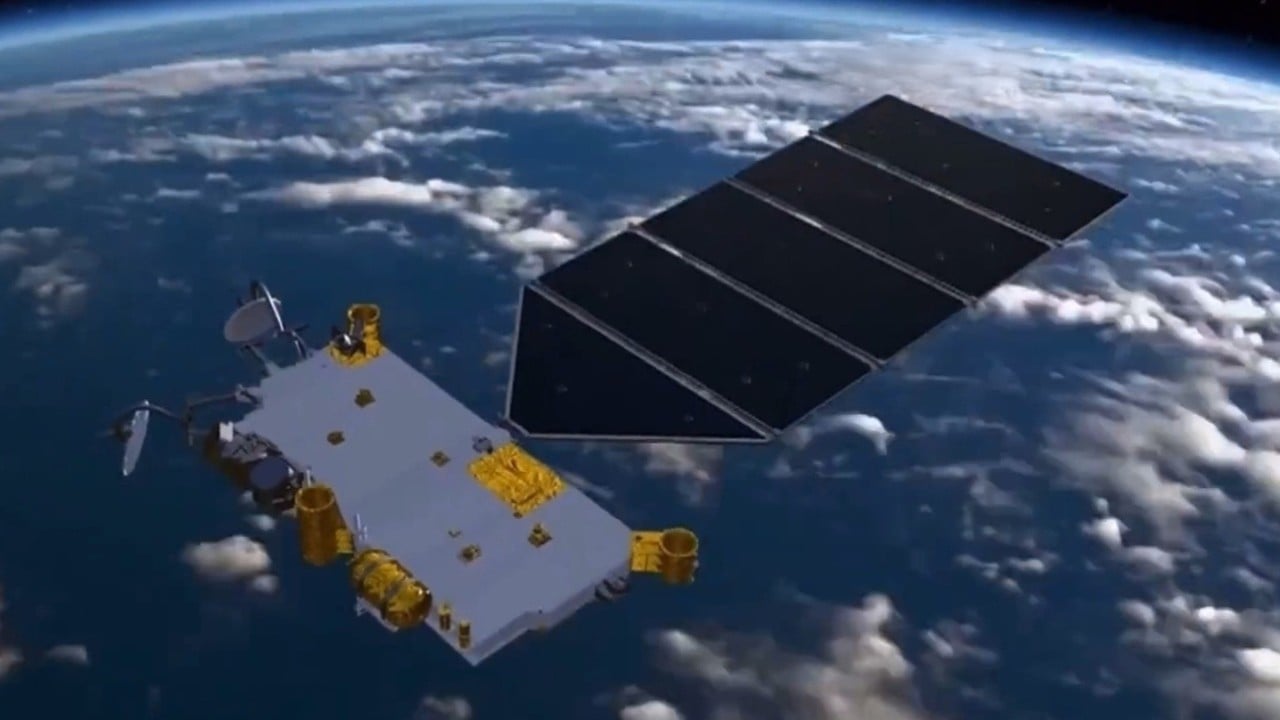
Company pairs landmark capital with rapid satellite deployment and overseas expansion as China’s private aerospace sector breaks new ground In a record funding round for China’s satellite internet sector, domestic start-up SpaceSail has raised around 7 billion yuan (US$1 billion) to accelerate the buildout of a low-Earth-orbit (LEO) network designed to compete with Elon Musk’s Starlink project. A total of 18 investors joined the deal, including state-backed investor Shanghai Alliance Investment and hard tech-focused venture fund CAS Star. With the newly raised capital representing around 13.94 per cent equity, the company’s valuation has reached about 50 billion yuan, according to the notice. Founded in 2018 in Shanghai, SpaceSail has rapidly expanded its footprint in orbit. The company launched 54 satellites in 2024, brought its total to 108 in 2025, and currently operated 238 Qianfan satellites after its latest deployment in early July, according to Shanghai’s State-owned Assets Supervision and Administration Commission (Sasac). Despite its rapid growth, SpaceSail remains far behind SpaceX’s Starlink, which said it operated more than 10,000 satellites and served over 12 million subscribers.

Top economist on how China should prep for dollar era’s end
Markets

Top economist on how China should prep for dollar era’s end

Barry Eichengreen is a leading American economist and one of the world’s foremost experts on international monetary systems. He is a professor of economics and political science at the University of California, Berkeley, where he has taught since 1987. He served as a senior policy adviser at the International Monetary Fund in 1997-98. Here, he discusses why today’s “de-dollarisation” talk is different from past episodes, how close the world is to a reshuffling of the international monetary...

US Treasuries in driver’s seat for risky AI stocks as investors grapple with elevated yields
Markets

US Treasuries in driver’s seat for risky AI stocks as investors grapple with elevated yields

Fears of a debt issuance glut swept across the US bond market this week, driving the 30-year yield to a nearly two-decade high Stock traders in mainland China and Hong Kong are looking to the US bond market for clues on the sustainability of the artificial-intelligence trade after rising Treasury yields jolted global financial markets. Elevated yields on longer-dated Treasuries, a benchmark for global funding costs from mortgage rates to corporate borrowing, have emerged as a constraint on risk assets. That poses a particular threat to technology stocks trading at stretched valuations after years of frantic buying. Tech firms are also borrowing heavily to fund AI infrastructure investments. “Rising US Treasury yields put pressure on valuations across risk assets,” said He Siyao, a fund manager at HSBC Jintrust Fund Management. “For equities, AI is becoming more sensitive to the interest rate, because industry funding shifts from free cash flow to debt financing.

Saga of China Evergrande founder Hui Ka-yan ends with life sentence
Markets

Saga of China Evergrande founder Hui Ka-yan ends with life sentence

Sentence for ‘multiple combined crimes’ in Shenzhen court signals end of property sector’s ‘old‑era growth model’, analyst says Meanwhile, Evergrande was fined 8.82 billion yuan (US$1.31 billion), while its onshore operating unit Hengda Real Estate was fined 7 billion yuan – some of the biggest corporate fines ever levied by a Chinese court in a criminal case. The 67-year-old Hui, also known as Xu Jiayin, was also deprived of political rights for life. He pleaded guilty to charges including embezzlement of corporate assets and corporate bribery in April. According to the court, the illegal gains of the defendants shall be further recovered, and where recovery is insufficient, restitution shall be ordered. The violations by Evergrande, Hengda and Hui took place between 2016 and 2021, the court said in its judgment. Through “sustained and large‑scale financial fraud”, the court added, they “inflated assets, concealed liabilities and committed crimes”, including “illegal absorption of public deposits, fundraising fraud, fraudulent issuance of securities and illegal disclosure of key information”.

‘IPO queen’ Pamela Chung says time is ripe for listing connect scheme
Markets

‘IPO queen’ Pamela Chung says time is ripe for listing connect scheme

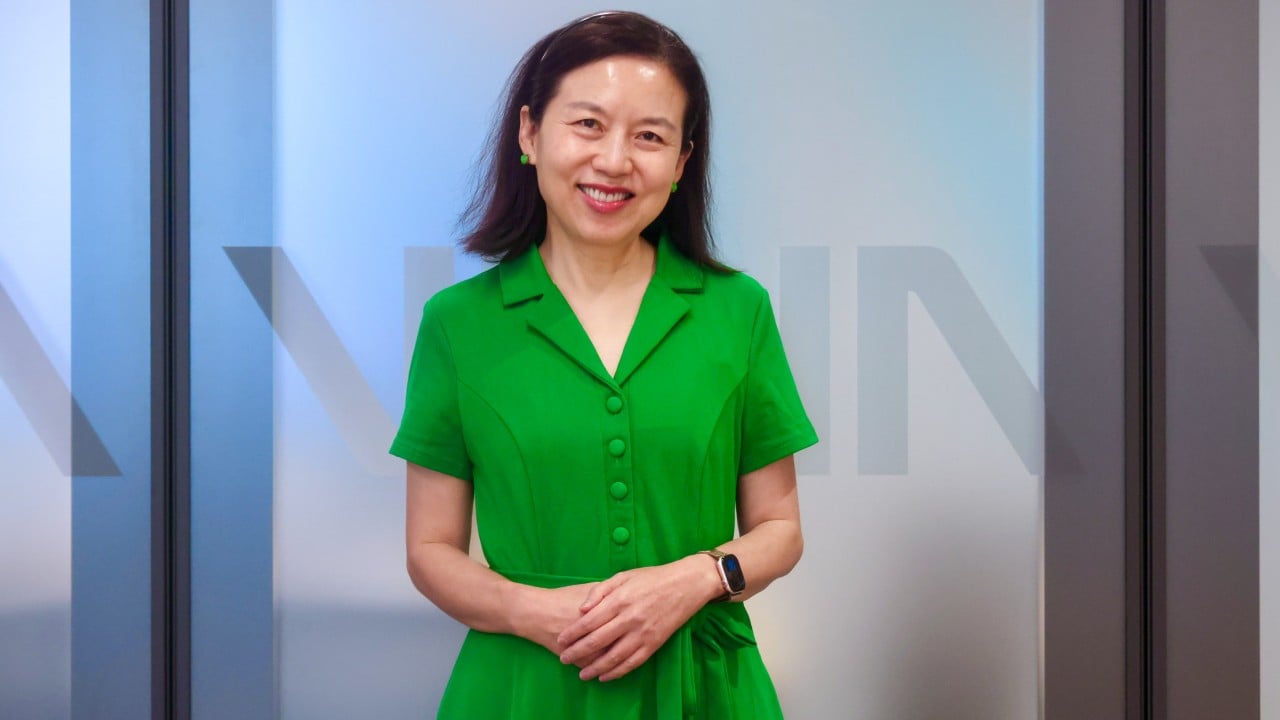
Scheme introduction would allow mainland Chinese investors access to the city’s IPOs and boost investor capital, Vistra managing director says “The secondary market connect has been operating very stably without causing capital outflows,” Chung said in an interview with the South China Morning Post. “The focus now is no longer on capital flight, but on market structure development,” she added. Chung, who has three decades of experience working alongside investment bankers, lawyers, regulators and listed issuers on high-profile IPO transactions in Hong Kong, said she saw the introduction of the scheme as the “next step to achieving a full capital market connection between the two regions, as Hong Kong and Beijing actively promote renminbi dual-counter trading and various financial connect schemes.” An IPO connect programme has been extensively discussed for over a decade. While Hong Kong authorities have long sought the introduction of the programme to boost market liquidity, they previously faced resistance from regulators in Beijing.

AIA first-half profit up 11%, driven by strong growth in Hong Kong and Asia sales
Markets

AIA first-half profit up 11%, driven by strong growth in Hong Kong and Asia sales

Insurer sees value of new business rise 10 per cent year on year to record high of US$3.21 billion AIA Group, Asia’s largest independent publicly listed life insurance group, reported 11 per cent growth in first-half operating profit, driven by strong growth of Hong Kong and mainland China sales and expansion in Southeast Asian markets. Operating profit after tax on a constant currency basis reached US$4.16 billion, with earnings per share rising to 39.95 US cents, according to a filing to the Hong Kong stock exchange on Thursday. The result exceeded the US$3.94 billion consensus estimate of analysts. Value of new business (VONB) – a key indicator of sales momentum and future profitability – grew 10 per cent year on year to record high of US$3.21 billion, compared with consensus expectations of US$3.25 billion. Out of the 18 markets across Asia-Pacific in which AIA operates, 17 reported growth with only Thailand reporting a decline of new business. “We saw continued demand in the Chinese mainland visitor segment with VONB broadly stable against a high comparative in 2025 and increasing quarter-on-quarter in the first half,” said Lee Yuan Siong, group chief executive and president in the exchange filing.

Shanghai lays out plan to boost digital economy, catch up with Beijing, Shenzhen
Markets

Shanghai lays out plan to boost digital economy, catch up with Beijing, Shenzhen

Government to accelerate use of blockchain, build AI infrastructure in line with national mandate to boost digital contribution to GDP Shanghai has issued plans to boost its digital economy by doubling down on sectors including blockchain technology and AI infrastructure, as it steps up efforts to compete with other Chinese tech hubs such as Beijing and Shenzhen. In a new five-year plan for building “digital Shanghai”, the municipal government said on Wednesday that it aimed to promote the use of blockchain technology across various fields of the economy, including financial services, shipping and logistics, and green initiatives. Increasing blockchain adoption was the only mandatory target among 11 concrete goals laid out in Shanghai’s new plan. Use cases for the distributed-ledger technology had covered 60 per cent of its economy by 2025, and the city aimed to achieve a 100 per cent blockchain adoption rate across key industries by 2030, according to the policy paper. The plan clarified the “fundamental role” of blockchain in building “digital Shanghai”, said Peng Peng, executive chairman of the government-affiliated think tank Guangdong Society of Reform.

Why the historic US-Japan intervention has failed to lift pressure on the yen
Markets

Why the historic US-Japan intervention has failed to lift pressure on the yen

Another US-Japan intervention may be needed to prop up the Japanese currency, as a US Treasury rout fuels the yen carry trade, analysts say With a rare joint US-Japan market intervention weeks ago failing to rectify the weakness of the Japanese currency, Tokyo and Washington could be forced to launch another round of boosting efforts, with a deepening US Treasury rout expected to fuel the global yen carry trade, according to analysts. “Intervention can alter positioning and disrupt momentum, but it has not changed the fundamental interest-rate differential that continues to favour the dollar,” said Gary Dugan, CEO of The Global CIO Office, which advises family offices and high-net-worth investors. “That the yen has drifted [lower] despite a more hawkish Bank of Japan and direct intervention suggests investors still see US yields as the dominant variable.” The 30-year US Treasury yield closed at 5.285 per cent on Tuesday, retreating slightly from a fresh 19-year-high earlier in the day. Meanwhile, the rate for 30-year Japanese government bonds closed at 4.141 per cent.

Making better robots depends on better data capture, Chinese firm 51World says
Markets

Making better robots depends on better data capture, Chinese firm 51World says

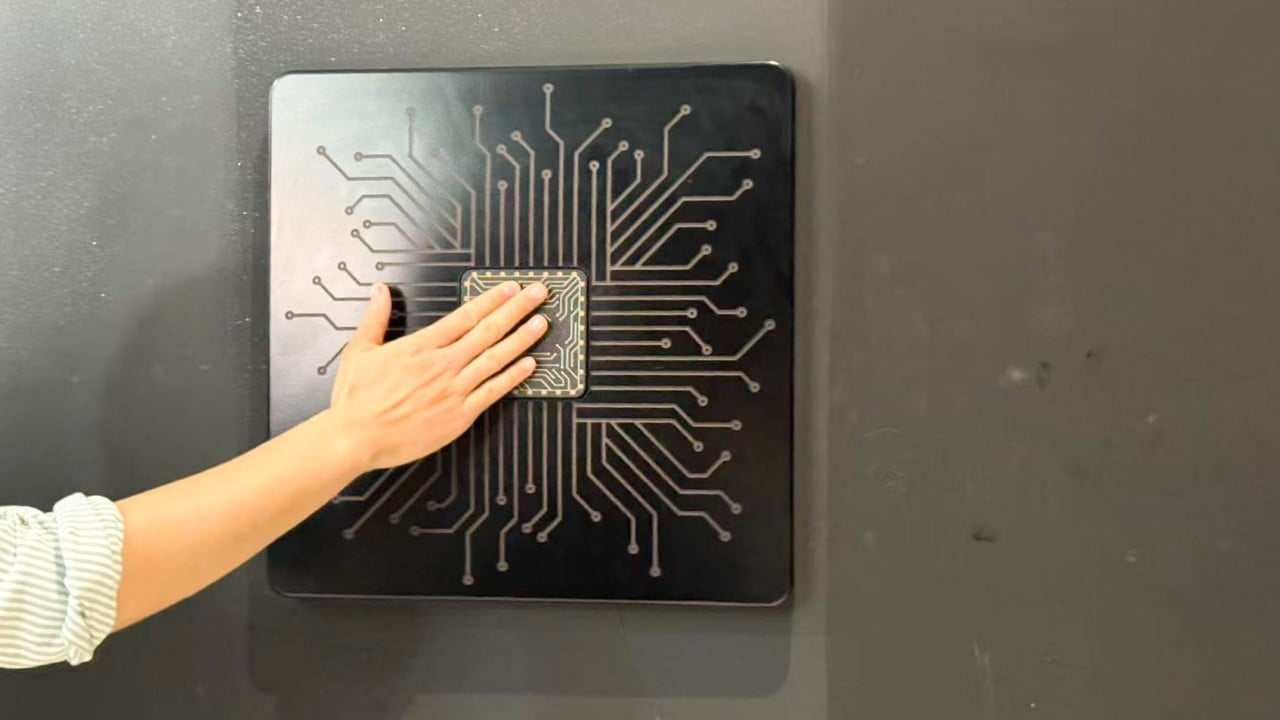
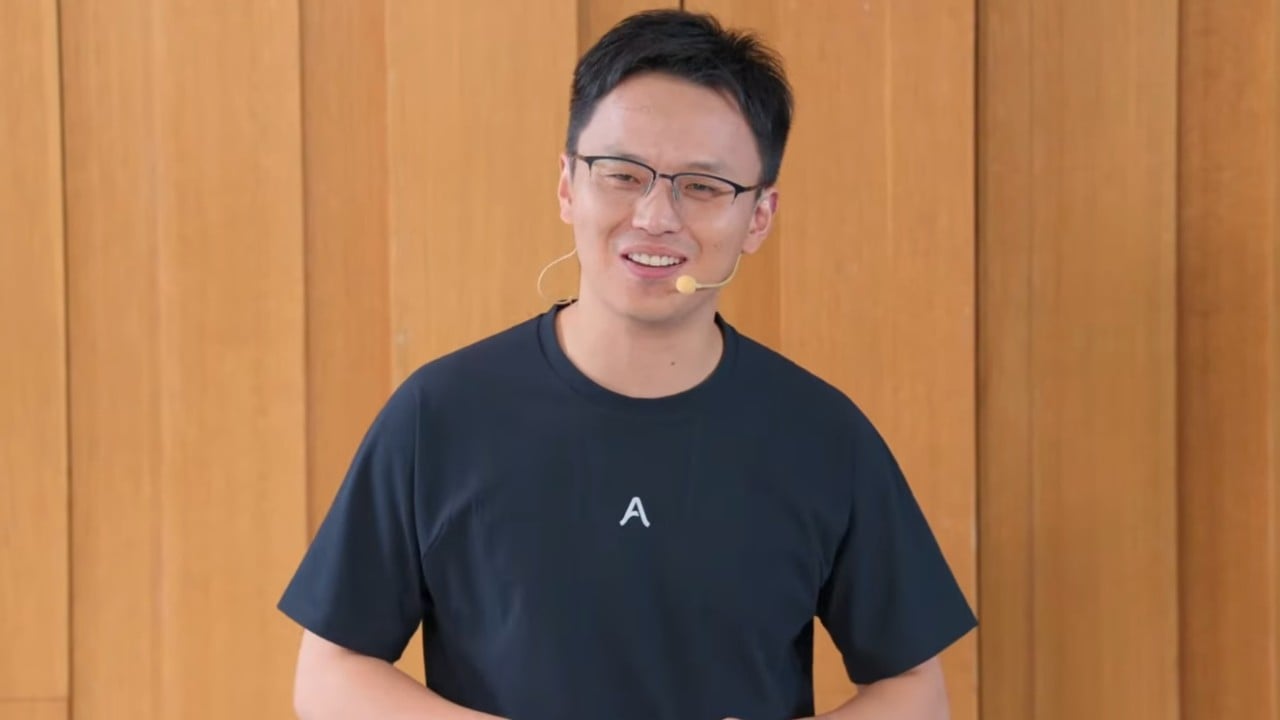
New devices and platforms to obtain real-world data for embodied AI can break the biggest hurdle to creating more capable robots, CEO says The race to develop intelligent humanoid robots faces a major roadblock in a severe shortage of high-quality training data, but Beijing-based tech company 51World believes it has the tools to break the bottleneck. Best known for its digital twin and simulation technology, 51 World on Tuesday unveiled a new suite of data-collection devices and platforms designed to help train embodied AI systems – artificial intelligence models that help machines perceive, reason and interact with the physical world. The lack of high-precision data was one of the biggest hurdles facing the embodied AI industry as it rushed to build robots that could operate with stability and certainty, said Li Yi, 51World’s founder and CEO, at a launch event in Shenzhen on Tuesday. The company aims to boost the collection of such data with AperEgo, a headset that has a multi-camera system to capture a panoramic view of the surroundings as well as sensors that synchronise visual, motion and audio inputs with high accuracy. Its hardware suite also includes devices for the wrist and fingers to better understand how hands work.