Markets — 747 insights
Hong Kong faces pressure to speed up trading hours review after South Korea’s move
Markets

Hong Kong faces pressure to speed up trading hours review after South Korea’s move

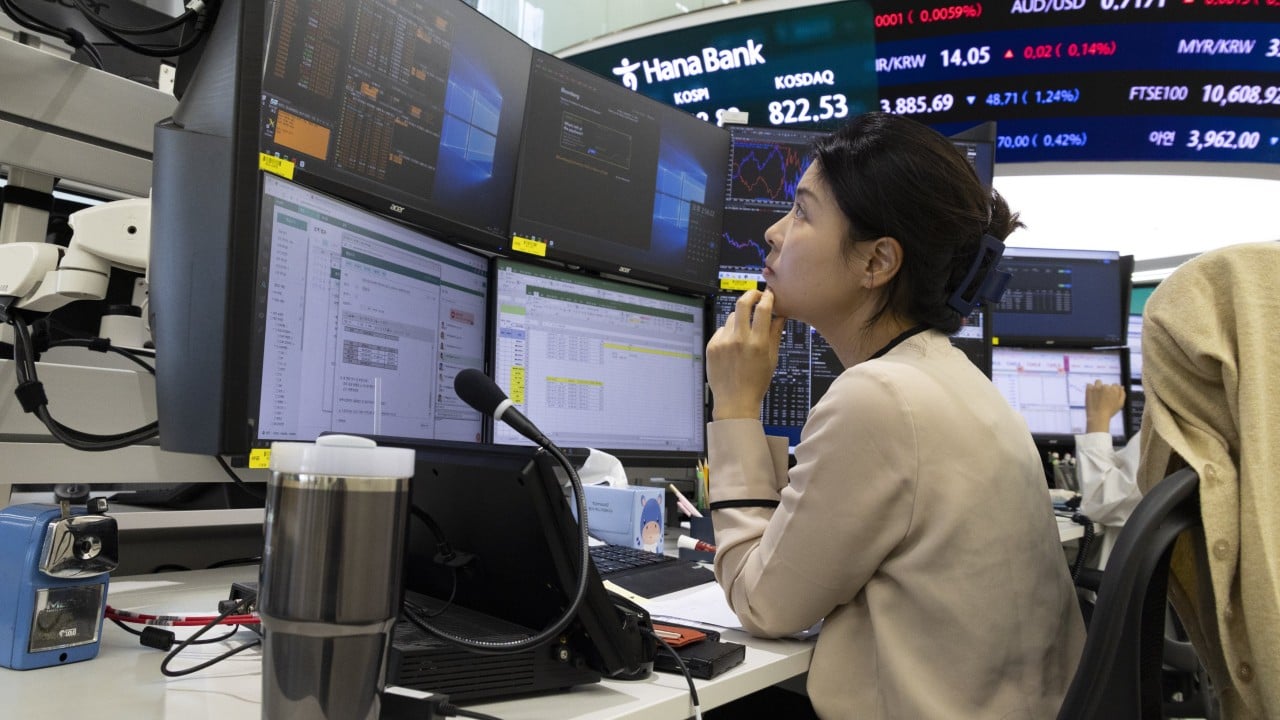
Korea Exchange launches four-hour after-market in addition to regular trading, intensifying debate in Hong Kong over extending hours Hong Kong’s stock market is facing renewed pressure to accelerate its review of longer trading hours after South Korea’s main bourse extended its session by four hours on Monday, according to an industry player. The Korea Exchange, South Korea’s bourse operator, launched a real-time after-market from 4pm to 8pm in addition to regular trading from 9am to 3.30pm. It also signalled ambitions to expand to nearly 24-hour trading, following similar plans by Nasdaq and the London Stock Exchange.
Cosco Shipping arm readies China IPO to capitalise on global shipbuilding wave
Markets

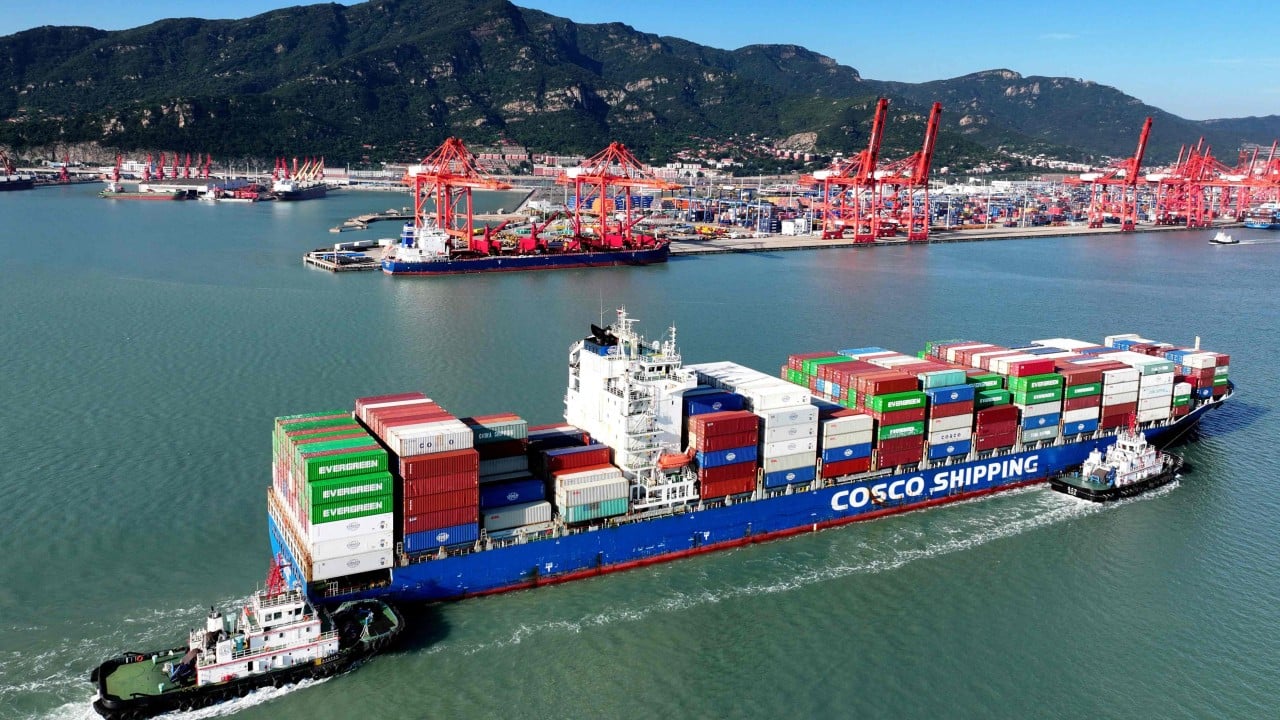
Cosco Shipping arm readies China IPO to capitalise on global shipbuilding wave

Supply chain stress and transit detours boost China’s shipbuilding orders, setting stage for Cosco Shipping Heavy Industry’s listing Cosco Shipping Heavy Industry finished its pre-IPO registration and preparations, according to information released on the China Securities Regulatory Commission website on Saturday. Specialising in cargo and container vessels, the unit offers construction, repair, conversion, maintenance and offshore engineering services. It is wholly owned by China Cosco Shipping, headquartered in Shanghai.

Asian Captive Conference 2026 Highlights How Captives Are Utilised as Businesses Navigate Risks
Markets

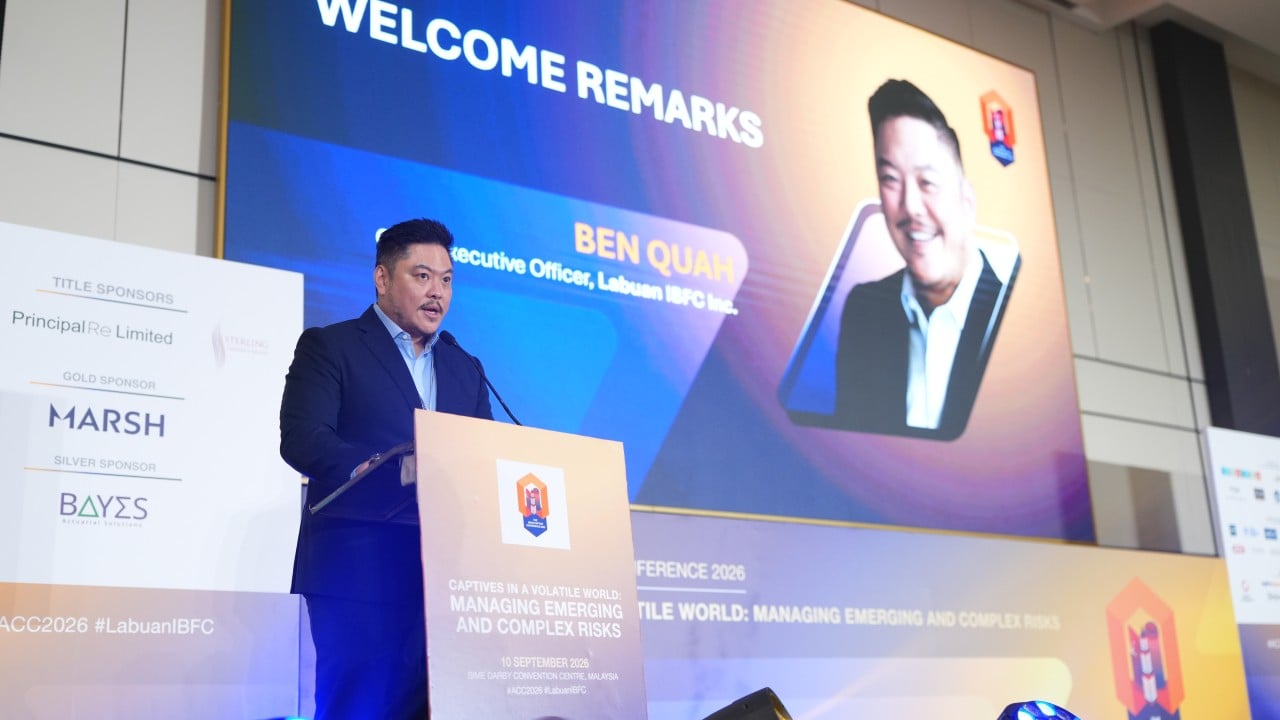
Asian Captive Conference 2026 Highlights How Captives Are Utilised as Businesses Navigate Risks

8th Asian Captive Conference convened regulators, industry leaders and risk professionals to discuss developments and the future of global captive insurance [The content of this article has been produced by our advertising partner.] KUALA LUMPUR, 11 September 2026 — The 8th Asian Captive Conference (ACC) 2026 yesterday brought together more than 300 risk and industry professionals from the region and beyond to explore how captive insurance is enabling businesses to refine their risk management strategy amid an uncertain and multi-faceted operating environment. The conference was co-organised by Labuan IBFC Incorporated Sdn. Bhd. (Labuan IBFC Inc.) and the Labuan International Insurance Association (LIIA). The conference highlighted the growing role of captives in strengthening resilience, enhancing risk-financing control and addressing emerging risks. This growing interest was reflected in the diverse delegate profile, spanning regulators, multinational corporations, and representatives from the captive insurance ecosystem, underscoring the increasing recognition of captive insurance as a strategic risk-financing solution.

Handshake or arm-wrestling match? What China’s stock traders expect from Xi-Trump meeting
Markets

Handshake or arm-wrestling match? What China’s stock traders expect from Xi-Trump meeting

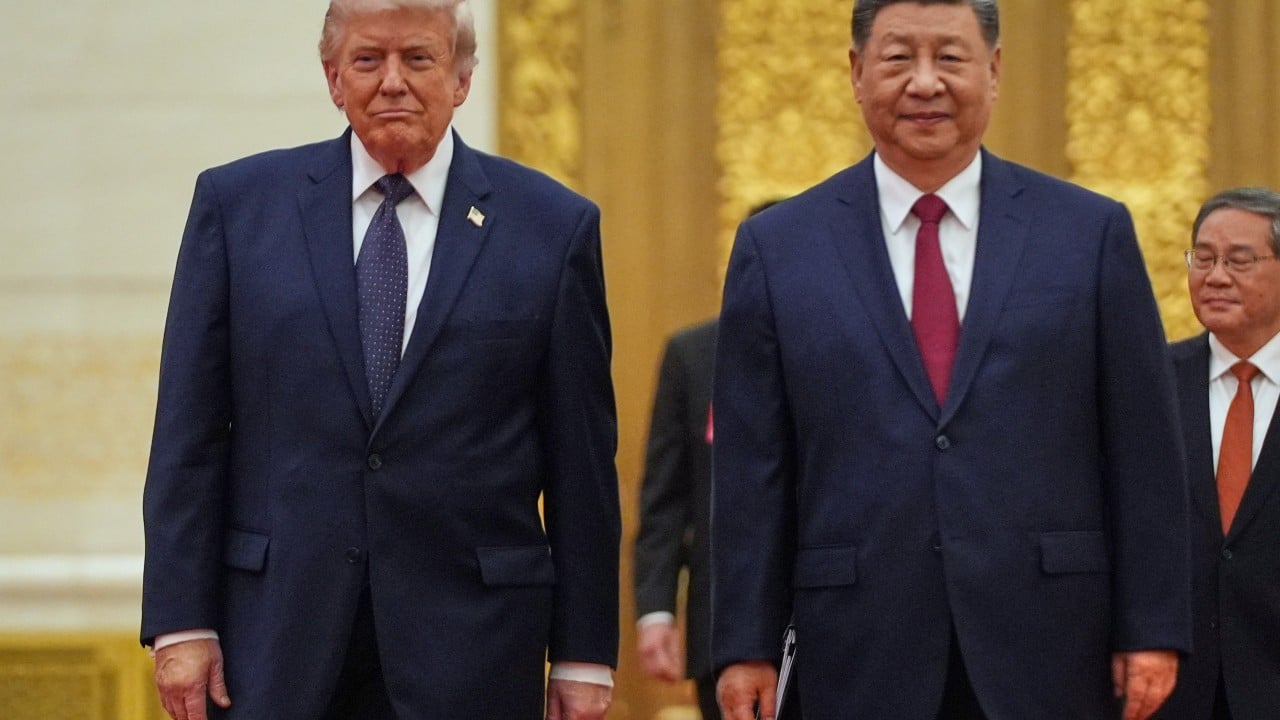
Hope for material results is slim, but investors remain wary of volatility as banks forecast ‘fragile detente’ will continue The coming meeting between President Xi Jinping and his US counterpart Donald Trump is on the radar of market traders in mainland China and Hong Kong, as the results – whether smiling handshakes or a tense test of wills – could add volatility to an already unpredictable market. However, observers said current expectations for substantial results from the meeting are minimal – so much so that investors have placed the event low on their hierarchy of variables likely to jolt stocks. Many stock traders are paying less attention to the sit-down scheduled for September 24 in the US than they did to Trump’s state visit to China in May, even as signs of a flare-up of tensions between the world’s two largest economies are emerging.

Data from Greater Bay Area’s 88 million residents to help improve healthcare policy: GSK
Markets

Data from Greater Bay Area’s 88 million residents to help improve healthcare policy: GSK

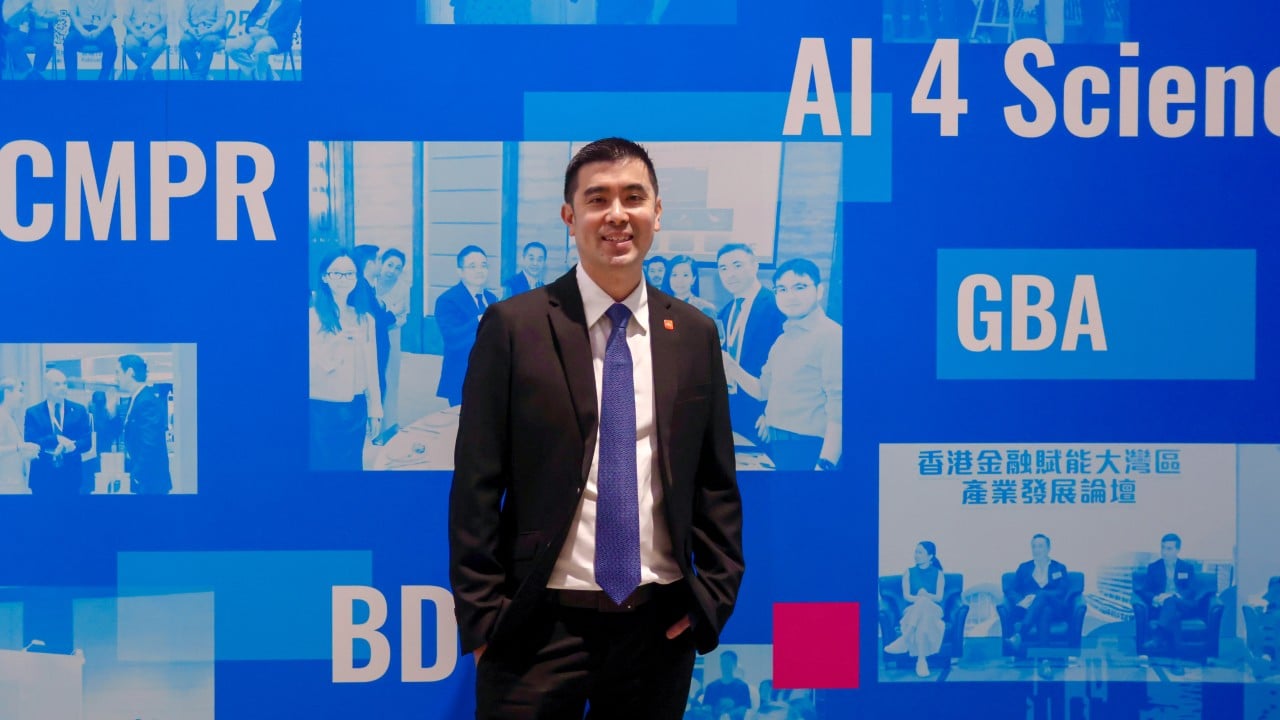
Executive says pharmaceutical company is investing in shared data infrastructure GSK Hong Kong and Macau general manager Nicholas Teo said patient data was very important because it could form “supplementary evidence” to support regulatory filings and potential label expansions, and also help to “discover benefits other than the medication itself”. Vaccines were one example, Teo said last week. While their effectiveness against target diseases such as flu, shingles and respiratory syncytial virus was well established, he said researchers were increasingly studying potential benefits relating to cardiovascular health and neurological outcomes, which might help generate additional evidence and insights for future healthcare decision-making. Teo said GSK’s expertise lay in vaccination and disease prevention, citing shingles and respiratory syncytial virus as key areas, with the viral liver infection hepatitis B another area of focus. He added that GSK also had a growing oncology and haematology portfolio.

How one company’s choice – resignation or the factory – left China’s young workers floored
Markets

How one company’s choice – resignation or the factory – left China’s young workers floored

The outlook for China’s young jobseekers could worsen further, after an ugly fallout from Xingyu’s mass dismissal of university graduates Two of the firm’s top executives received salary deductions and two human resources managers were dismissed or demoted for their “misjudgment and hasty decision-making”, the company said in a lengthy statement detailing its recent “mistake” last week. They could either resign “voluntarily” and receive half a month’s salary, or stay and be reassigned from office-based technical roles to factory-floor work, including tightening screws.

Qatar seeks to capture China’s growing Gulf logistics push as war disrupts trade routes
Markets

Qatar seeks to capture China’s growing Gulf logistics push as war disrupts trade routes

Qatar logistics firm says Chinese businesses need local infrastructure and operating partners as they move into warehousing, fulfilment and sales “Diversification of supply chain is going ahead anyway, right across the world,” said Sheikh Khalifa bin Salman Al Thani, a member of Qatar’s ruling Al Thani family and chief executive of Qatar-based logistics solutions company WareOne. As more companies move beyond shipping goods from China to holding inventory and selling locally, they face a more complicated operating environment. “China has the most developed supply chain in the world, the question is no longer whether goods can move [but] who operates at the other end, which is GCC (Gulf Cooperation Council),” Sheikh Khalifa told the South China Morning Post on Thursday.

Why Chinese shoppers are ditching supermarkets for small ‘community stores’
Markets

Why Chinese shoppers are ditching supermarkets for small ‘community stores’

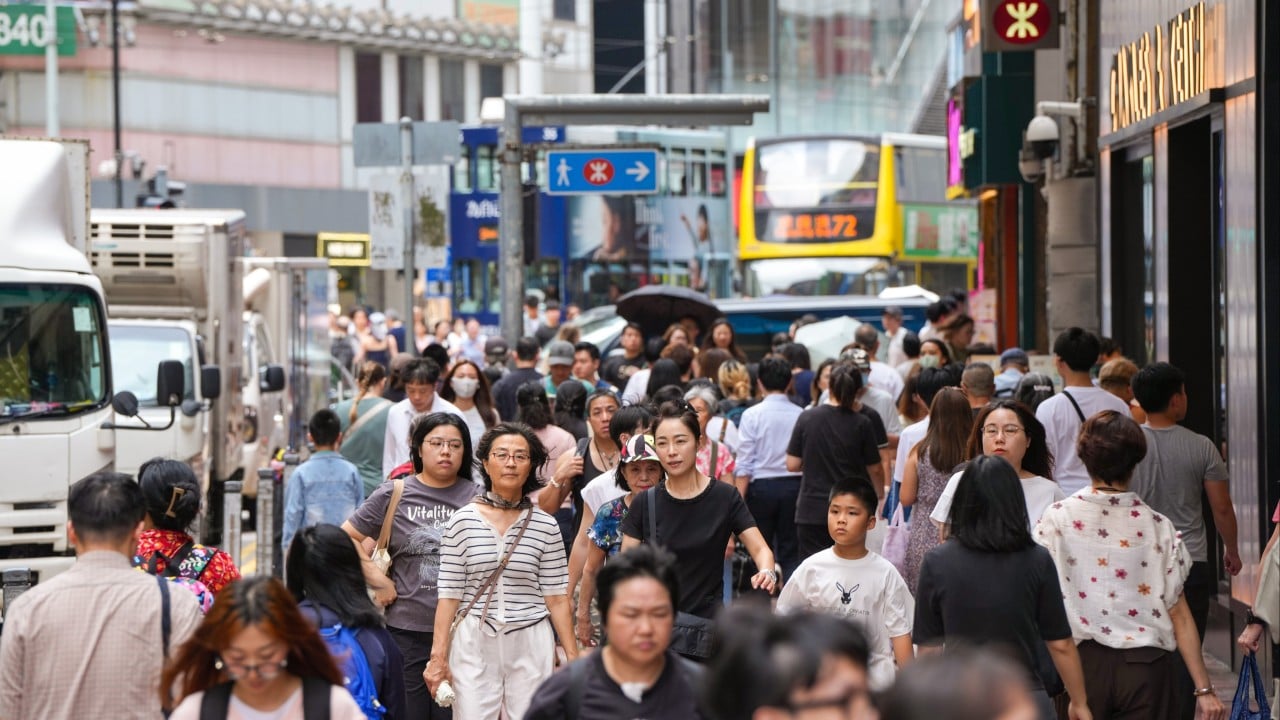
Young Chinese favour local grocery stores offering low prices and fast delivery, with some saying they haven’t been to a supermarket in years For Cindy Wang, the newly opened “community store” near her home in Guangzhou has been a godsend: the small outlet is cheaper than a traditional supermarket, but offers a bigger range of groceries than convenience stores like 7-Eleven. The 20-something now often stops off at the shop after work to pick up a few items. On an early September evening, she has bagged a bottle of milk for just 7 yuan (US$1), a 2.5 yuan beer and some mangoes priced at 10 yuan per kilogram. “It’s convenient and enjoyable, and I can still have a decent shopping experience without spending too much,” Wang said. Community stores like this one are becoming a major new battleground in China’s retail sector, as consumers ditch big-box stores in favour of smaller neighbourhood outlets offering low prices and instant delivery services. For shoppers, community stores offer a mix of advantages, analysts say. They offer a greater array of fresh groceries than convenience stores, but they tend to be easier to get to than supermarkets.

Rise and fall of Hong Kong’s ‘shop kings’: how plunging rents, debt crushed their empires
Markets

Rise and fall of Hong Kong’s ‘shop kings’: how plunging rents, debt crushed their empires

Shop prices in the city have fallen more than 40 per cent from their 2018 peak, but they may not have hit rock bottom yet They were the “shop kings” of Hong Kong, owning dozens of properties in the same district and even the same street. But over the past few years many of these landlords have gone bankrupt, hit by the collapse in post-pandemic rents and tighter bank lending. Shop prices in the city have fallen more than 40 per cent from their 2018 peak, but they may not have hit rock bottom yet, according to Centaline Commercial. “There does not appear to be any clear sign of a turnaround today, nor any glimmer of hope on the horizon that might trigger a rebound,” said Stanley Poon, managing director at the agency. According to Colliers’ data, in the first three quarters of this year, the total value of loss-making transactions involving street shops priced at over HK$100 million (US$12.75 million) reached HK$485 million – surging 81.6 per cent compared with HK$267 million the same period last year. Originally a neon light repairman, Tang later became a real estate broker and started investing in commercial property in the 1970s.

Next-gen wealthy Hongkongers drop property for higher returns in deposits and hedge funds
Markets

Next-gen wealthy Hongkongers drop property for higher returns in deposits and hedge funds

Property is losing its sparkle for next-generation investors who prioritise liquidity, easy succession and higher returns When Maria’s family moved out of their house in Hong Kong’s Southern district, one of the bigger jobs was packing her mother’s belongings, including the orange Hermes boxes that had accumulated in the family gym. Her 86-year-old father was reluctant to rent, while her mother – who had spent her life buying homes – initially insisted that if they were going to rent, she wanted a house rather than a flat. Three generations of the family now live there in separate rented flats of about 2,500 square feet each. Maria – who asked that her family name be withheld – shares one with her parents, her brother rents another, and her sister is preparing to move into a third. The arrangement keeps the family close, but for Maria the more important question is what happens to the capital that would otherwise be tied up in another home.

How AI tools are reshaping stock trading, investment research in China
Markets

How AI tools are reshaping stock trading, investment research in China

For China’s 250 million individual investors, AI is helping them make money from one of the world’s most volatile stock markets When Ryan Lei has an investment idea, he no longer has to spend days writing code and trawling through historical data to corroborate it. The 27-year-old quantitative trader in Hong Kong now delegates much of the grunt work to artificial intelligence. For a recent bet tied to a major technology initial public offering, Lei deployed Futu’s AI agents to collect data on similar listings over the past decade and parse their post-debut performances. The AI-assisted research informed a short position that eventually earned him several thousand US dollars. AI can rapidly complete workloads that used to take days or even weeks, according to Lei, who has nine years of investing experience and co-manages a seven-person proprietary quantitative trading team. Lei’s case highlights the extent to which AI could change the behaviour of traders and even reshape the landscape of the financial and asset-management industries. In the US, brokerages such as Robinhood and Webull are integrating AI into their tools to help clients, mostly individual investors, buy and sell stocks.

Private equity’s Fang Fenglei on investing in China, capital market reforms
Markets

Private equity’s Fang Fenglei on investing in China, capital market reforms

Over the past three decades, investor Fang Fenglei has had a major role in shaping China’s capital markets. He worked with Morgan Stanley in the early 1990s to help create the country’s first joint venture investment bank – China International Capital Corp. Then, at the start of the millennium, he spearheaded the listing of state-owned giants in Hong Kong as CEO of Bank of China International, later chairing a China joint venture with Goldman Sachs. Now the chairman of Hopu Investments, Fang...