Markets — 695 insights
Eager capital prompts IPO plans for more Chinese makers of brain-computer interfaces
Markets

Eager capital prompts IPO plans for more Chinese makers of brain-computer interfaces

Arfysica and Neuracle aim for Star Market listings amid what a Morgan Stanley analyst calls the ‘early stage of a multi-year IPO upcycle’ BCIs aim to allow brain signals to control external devices, such as computers or robotic limbs. Elon Musk’s Neuralink is a prominent company developing the technology. Founded in 2015 with registered capital of 100 million yuan (US$15 million), Arfysica is controlled by founder Wang Wei, who holds a combined 51 per cent stake and serves as the company’s legal representative, according to the CSRC website. Wang earned a bachelor’s degree from Tianjin University before completing a PhD in biomedical engineering at the University of Southampton in the UK in 2006, and later worked at Siemens Healthcare, according to her LinkedIn profile. The company raised an undisclosed amount of capital in its latest financing round in February. Its earlier round in January raised 160 million yuan from investors including the state-owned National SME Development Fund, according to company database Crunchbase.

Expand Hong Kong’s MPF investment choices, lure mainland pension funds: financial council
Markets

Expand Hong Kong’s MPF investment choices, lure mainland pension funds: financial council

Official think tank urges broader retirement-fund investments, more mainland institutional capital and reforms to boost listings, bonds and corporate restructuring Hong Kong should consider allowing the Mandatory Provident Fund to invest in more asset classes, and lure more long-term patient mainland capital, such as pension funds, to invest globally through the city, the Financial Services Development Council (FSDC) said in a report on Tuesday. The MPF, the city’s compulsory retirement scheme, now has total assets of HK$1.67 trillion (US$213 billion) and invests in stocks, bonds and deposits. The FSDC suggests allowing a portion of the funds to be invested in alternatives and infrastructure. FSDC executive director Rocky Tung Yat-ngok said mainland patient capital, including insurance companies and pension funds, had strong interest in investing overseas to diversify risk and achieve higher returns. “There is an appetite for this patient capital to invest via Hong Kong in different currencies, including the yuan,” Tung said during a media briefing on Tuesday.

Hong Kong stocks face double threat: US inflation and yen carry-trade risks
Markets

Hong Kong stocks face double threat: US inflation and yen carry-trade risks

Investors are bracing for higher borrowing costs and further volatility as US and Japanese rate expectations shift Hong Kong and mainland Chinese stocks face a high-stakes week as investors navigate US inflation data, a strengthening Japanese yen and looming monetary policy decisions by two of the world’s most influential central banks. Friday’s consumer price index in the United States will take centre stage, with the report arriving just ahead of the Federal Reserve’s policy meeting next week. With Fed Chair Kevin Warsh already signalling a strong emphasis on curbing inflation, market analysts believe a higher-than-expected reading could heighten the chances of a benchmark rate increase. Meanwhile, the Japanese yen has appreciated to its strongest level against the US dollar in seven months, clouding the outlook for global equity markets. The shift is weighing on the “carry trade” – an investment strategy where traders borrow yen at low interest rates to buy higher-yielding foreign assets. At its rate-decision meeting next week, the Bank of Japan is widely expected to raise benchmark borrowing costs.

Hong Kong celebrity Jeffrey Ngai splashes out on US$16,000 rental home
Markets

Hong Kong celebrity Jeffrey Ngai splashes out on US$16,000 rental home

The singer and actor recently moved into a Mid-Levels duplex near his friend, singer Tyson Yoshi, market sources say Hong Kong singer, actor and model Jeffrey Ngai Tsun-sang recently moved into a luxury residence in Mid-Levels East with a monthly rent of HK$130,000 (US$16,581), highlighting strong demand in the high-end segment, according to market sources. The luxury residence was a duplex, where Ngai, 28, would be neighbours with his close friend singer-songwriter Ben Cheng Tsun-yin, known as Tyson Yoshi, the sources said. Joseph Yan, senior principal district sales director at Centaline Property, said that the luxury residential rental market was buoyant, with a total of 141 rental transactions recorded in The Peak and Southern district in August. Flats with monthly rents of HK$80,000 to HK$150,000 were the most sought-after, with the majority concentrated in the Repulse Bay area, Yan said. Ngai’s market value rivalled that of the Hong Kong boy band Mirror, according to entertainment industry insiders, with his standard fee for advertising endorsements starting at over HK$1 million.

Labubu meets LVMH: Pop Mart to open flagship store in Paris amid cooling overseas sales
Markets

Labubu meets LVMH: Pop Mart to open flagship store in Paris amid cooling overseas sales

The firm’s overseas revenue share slipped in first half, and Pop Mart is focusing on boosting international growth Chinese collectible toymaker Pop Mart International is pushing forward with global retail expansion amid slowing overseas sales and will open its first European flagship store in Paris’ Boulevard Haussmann, the same street as iconic department stores Galeries Lafayette and Printemps, according to the company. Last week, Pop Mart founder and CEO Wang Ning travelled to Paris ahead of the brand’s coming store opening. While in Paris, Wang met Bernard Arnault, chairman and CEO of LVMH, gifting him a Pop Mart Labubu doll. This follows another high‑profile meeting at Apple’s Cupertino headquarters in July, when Wang met Tim Cook and then‑incoming Apple CEO John Ternus. They discussed creative design, digital ecosystems and global consumer trends, Pop Mart said. Also present at the meeting in Paris were Delphine Arnault, CEO of Dior and Arnault’s eldest daughter, and Pietro Beccari, CEO of Louis Vuitton. “We think the business ties between Pop Mart and LVMH are underpinned by potential collaborations around Pop Mart’s major IPs [intellectual properties],” said Jeff Zhang, an equity analyst at Morningstar.

From sports courts to street corners: Galbot brings autonomous humanoid retail to the city
Markets

From sports courts to street corners: Galbot brings autonomous humanoid retail to the city

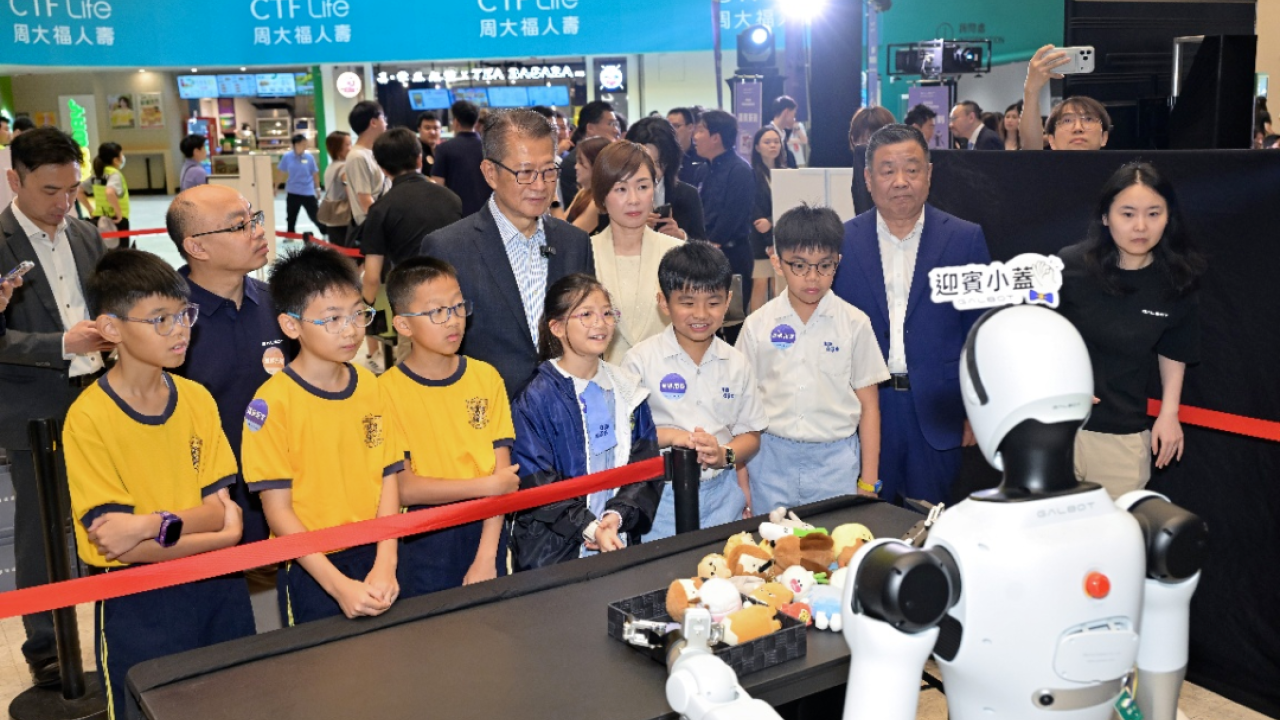
[The content of this article has been produced by our advertising partner.] Galbot is making its first commercial foray outside mainland China by launching three Galbot Stores in Hong Kong, the city’s first retail stores operated entirely autonomously by humanoid robots. Starting from September 1, the first stores at the Hung Hom harbourfront, Wan Chai harbourfront and Kai Tak Sports Park are staffed by humanoid robot store manager “Xiao Gai”, bringing fully autonomous robotic retail services directly into everyday urban settings. Rather than marking a first step from the laboratory into consumer retail, the Hong Kong launch represents the latest expansion of a commercial model that has already been deployed at scale across mainland China. It also comes shortly after robots powered by the same embodied intelligence demonstrated their autonomous capabilities at the second World Humanoid Robot Games in Beijing. The initial three stores operate under a “cultural crossover” theme, offering cultural and creative products from both Hong Kong and mainland China. Customers can speak naturally to Xiao Gai in Cantonese, Mandarin or English.

Hong Kong landlords accuse banks of deepening shop slump with reluctance to lend
Markets

Hong Kong landlords accuse banks of deepening shop slump with reluctance to lend

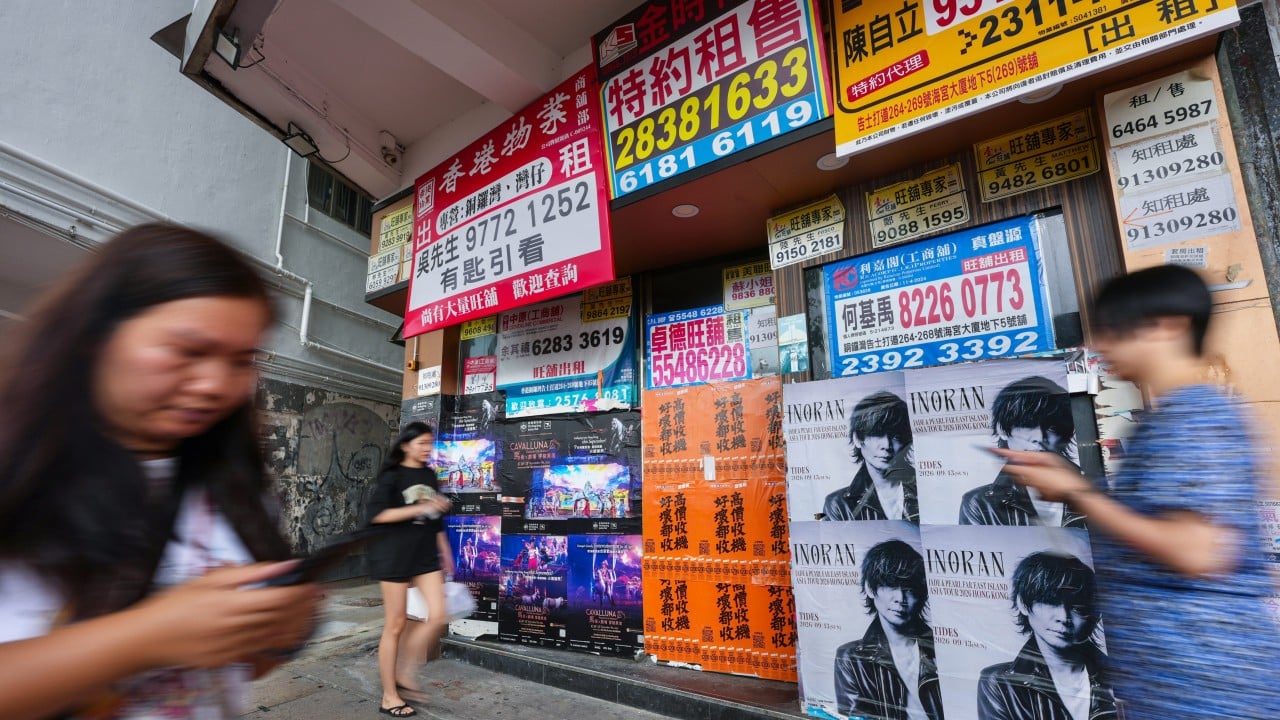
Pressing owners to repay loans amid falling values while turning away new buyers could prolong wider economic drag, advocacy group says Hong Kong landlords and property industry figures are accusing banks of deepening the city’s shop slump by pulling back from commercial mortgages, leaving more potential buyers unable to secure financing even though property values have fallen sharply. Shop buyers were increasingly being turned away, even though Hong Kong’s residential market had gained momentum this year and banks were competing for mortgage borrowers, they said. “It takes a long time,” Shih said at a press conference organised by advocacy group Momentum 107 on Monday. “A considerable number of clients end up unable to get financing at the last minute … If it weren’t for this, there would be many more shop transactions.” Raymond Ho, convenor of Momentum 107, said the sharp decline in shop values over the last few years had rapidly eroded the pool of available capital, weighing on investment and consumption. Banks were pressing owners to repay loans amid falling property values while also refusing to provide mortgages to new buyers, which discouraged both users and investors from entering the market, further reducing transactions.

Tesla offers rare China inventory discounts to fight sliding Shanghai production sales
Markets

Tesla offers rare China inventory discounts to fight sliding Shanghai production sales

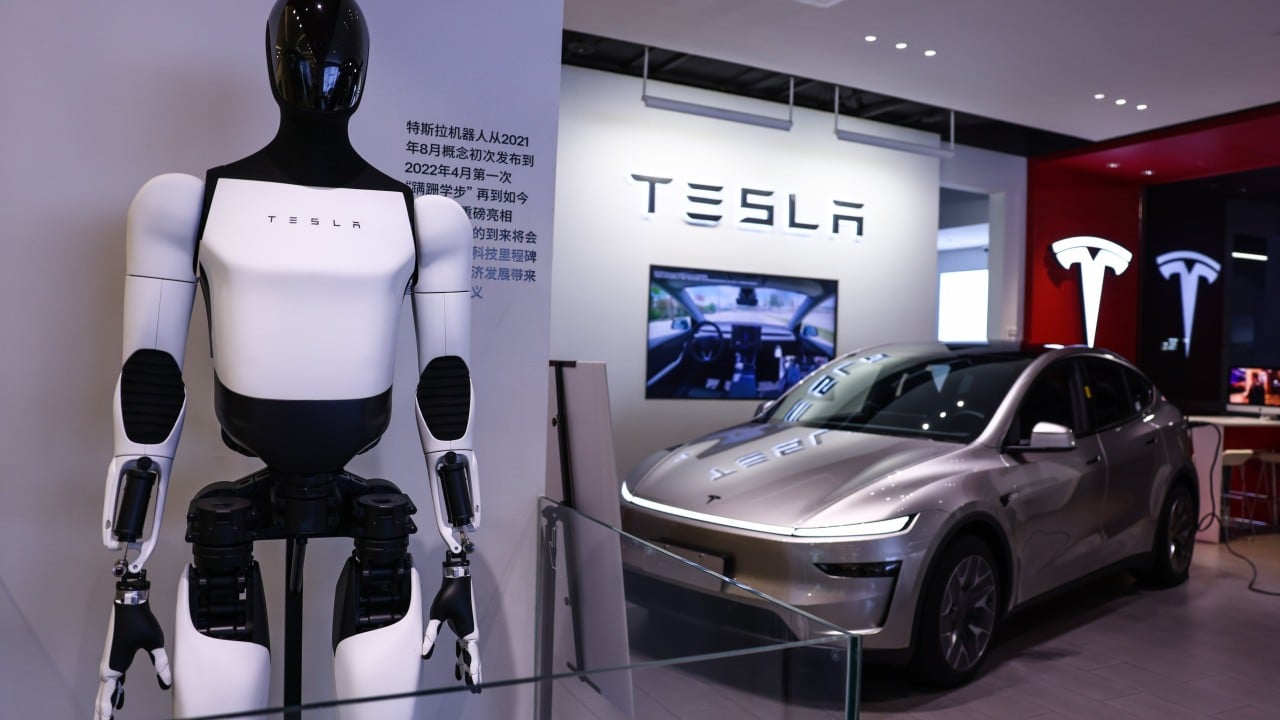
The discounts underscore Tesla’s sliding output and fading demand, as analysts warn of intensifying EV price battles Prices of Model 3 vehicles in inventory would be reduced by 5,000 yuan (US$745) each, while buyers of the Model Y could enjoy a discount of 10,000 yuan per unit, the US carmaker announced on Monday. The promotions would run until the end of September, Tesla China said in a statement. “Tesla has been refraining from cutting prices on its cars while resorting to subsidies for car insurance purchase or interest-free loans to drive up sales in China,” said Eric Han, senior ­manager at Shanghai consultancy Suolei. “The discounts it is offering this time are likely to trigger a fresh round of price competition amid weak consumer demand.” A 5,000 yuan price reduction translates into a 2.1 per cent discount to the 235,500 yuan retail price for a basic Model 3. An entry-level edition of Model Y, sold at 263,500 yuan, sees a price drop of 3.8 per cent after the 10,000 yuan discount.

Will China’s US$54b capital injection be enough to ease financial strains?
Markets

Will China’s US$54b capital injection be enough to ease financial strains?

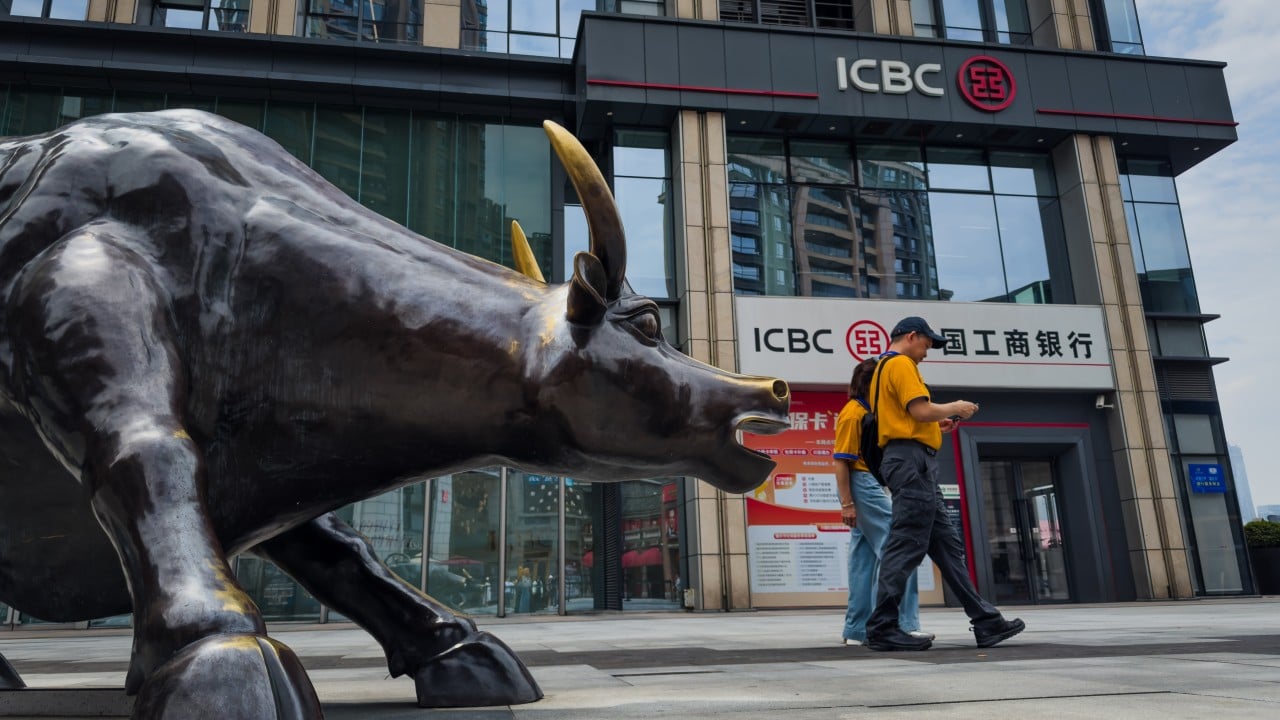
Capital boost strengthens buffers of financial institutions, but stronger fiscal support is needed to reignite credit demand, observers say Raymond Yeung, chief Greater China economist at ANZ Bank, said the low-interest-rate environment was “weighing on both insurers and banks” by reducing insurers’ investment returns and narrowing banks’ net interest margins. Analysts led by Xiong Yuan, chief economist at Guosheng Securities, said in a note on Monday that the move was mainly aimed at strengthening financial institutions’ capital as low interest rates had slowed their ability to build capital, making it harder for them to maintain sufficient capital buffers. Their comments came after eight major state-owned banks and insurers – including Agricultural Bank of China (ABC), Industrial and Commercial Bank of China (ICBC) and China Life Insurance Company – announced plans on Sunday to raise a combined 360 billion yuan in capital, with 300 billion yuan from the Ministry of Finance and an additional 60 billion yuan from the tobacco sector.

China’s capital injection steels banks, insurers for rough road ahead
Markets

China’s capital injection steels banks, insurers for rough road ahead

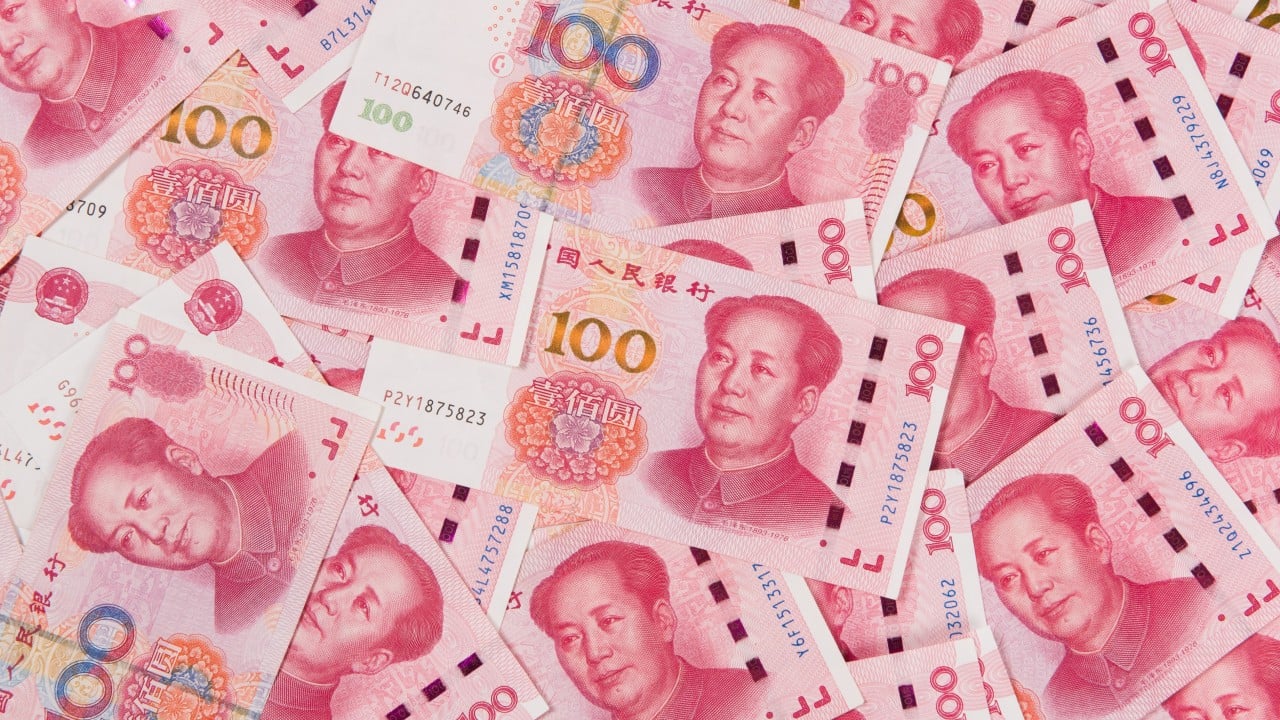
China announced a capital injection of around 360 billion yuan (US$54 billion) for eight of the largest state-owned banks and insurers amid government efforts to shore up the country’s financial system and boost economic growth. Three state banks said on Sunday they would receive a combined 290 billion yuan. Agricultural Bank of China (ABC) and Industrial and Commercial Bank of China (ICBC) will raise 160 billion yuan and 100 billion yuan respectively through private placements of new A-shares...

Chinese firms’ green-tech expansion hinges on Hong Kong, senior bankers say
Markets

Chinese firms’ green-tech expansion hinges on Hong Kong, senior bankers say

Offshore yuan liquidity makes city a ‘superconnector’, but finding projects with strong returns is now the challenge, senior bankers say Hong Kong is poised to play a bigger role in financing Chinese green-technology companies’ expansion into emerging markets, as geopolitical fragmentation and high funding costs reshape how capital is deployed in the global energy transition, according to senior banking executives. The city’s deep sustainable-finance market and offshore yuan liquidity could help channel capital into green and climate-resilience projects across developing economies, executives from Bank of China (Hong Kong), DBS, HSBC and Standard Chartered said during a panel discussion at a forum on Monday. The annual forum organised by the Hong Kong Green Finance Association and the Greater Bay Area Green Finance Alliance brought together policymakers, financiers and industry leaders to discuss sustainable investment amid rising geopolitical, trade and economic uncertainty.

China’s brokers expected to continue robust performance with blockbuster IPO offerings
Markets

China’s brokers expected to continue robust performance with blockbuster IPO offerings

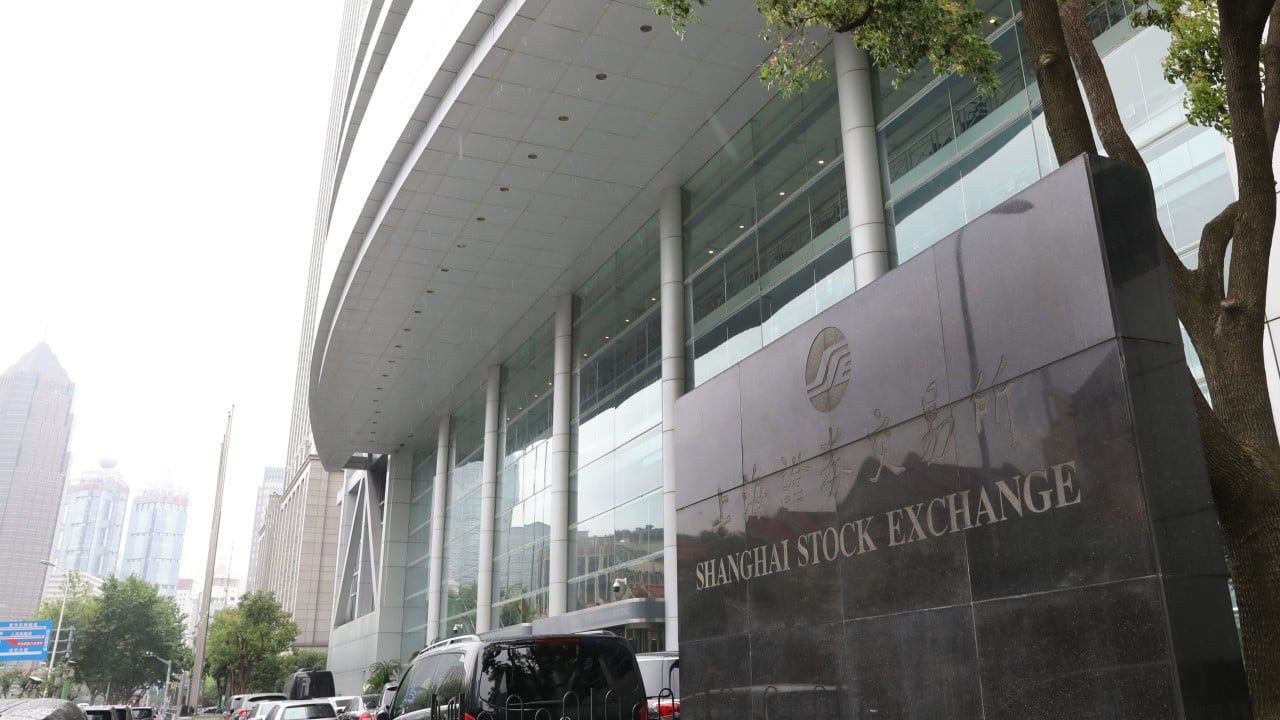
Active A-share market trading boosts investment firms’ top line by 50%, as mega IPOs predicted to fuel underwriting and sponsorship growth The industry also recorded a robust first-half performance, with 150 brokers posting an average of 23.5 per cent year-on-year increase in net profit, driven by a 31 per cent surge in operating revenue, according to the Securities Association of China (SAC). Investment advisory services also emerged as a stand-out, with net revenue soaring 57.24 per cent – the fastest growth among all business segments – reflecting rising demand for research reports and wealth management advice. Wall Street investment bank Citibank was positive towards the sector’s outlook. In a research note last week, the bank forecast that covered Chinese brokers would achieve a return on equity of about 11 per cent in 2026, supporting a price-to-book ratio above 1x. This implies an average of 36 per cent upside for H-share brokerage stocks.