Markets — 738 insights
Beijing says 20% offshore insurance tax not new – and does not target Hong Kong
Markets

Beijing says 20% offshore insurance tax not new – and does not target Hong Kong

Beijing urged the market not to overreact to the policy – which it stressed was not new – after reports of the tax triggered a sell-off in Hong Kong China’s State Taxation Administration (STA) on Friday clarified that the 20 per cent personal income tax imposed on gains from offshore insurance policies was not a new policy – and was not specifically targeting the Hong Kong insurance industry. The STA urged the market not to overreact to the policy, according to an unnamed official quoted by Shanghai-based digital media outlet The Paper on Friday. The STA official said mainland tax residents had always had the duty to pay tax on all gains they received globally – including dividends and other returns arising from their overseas insurance policies – in line with international practices. “This was not a new policy and was also not a policy targeting the Hong Kong insurance market,” the official told The Paper, adding that taxes also applied to “a lot of items other than insurance policies”. “All overseas insurance gains or other investment earnings, regardless of which countries or jurisdictions they come from, should be reported for tax filing and made according to the rules.”
As US-China pharma rivalry heats up, can Hong Kong’s US$8b fund be the global bridge?
Markets

As US-China pharma rivalry heats up, can Hong Kong’s US$8b fund be the global bridge?

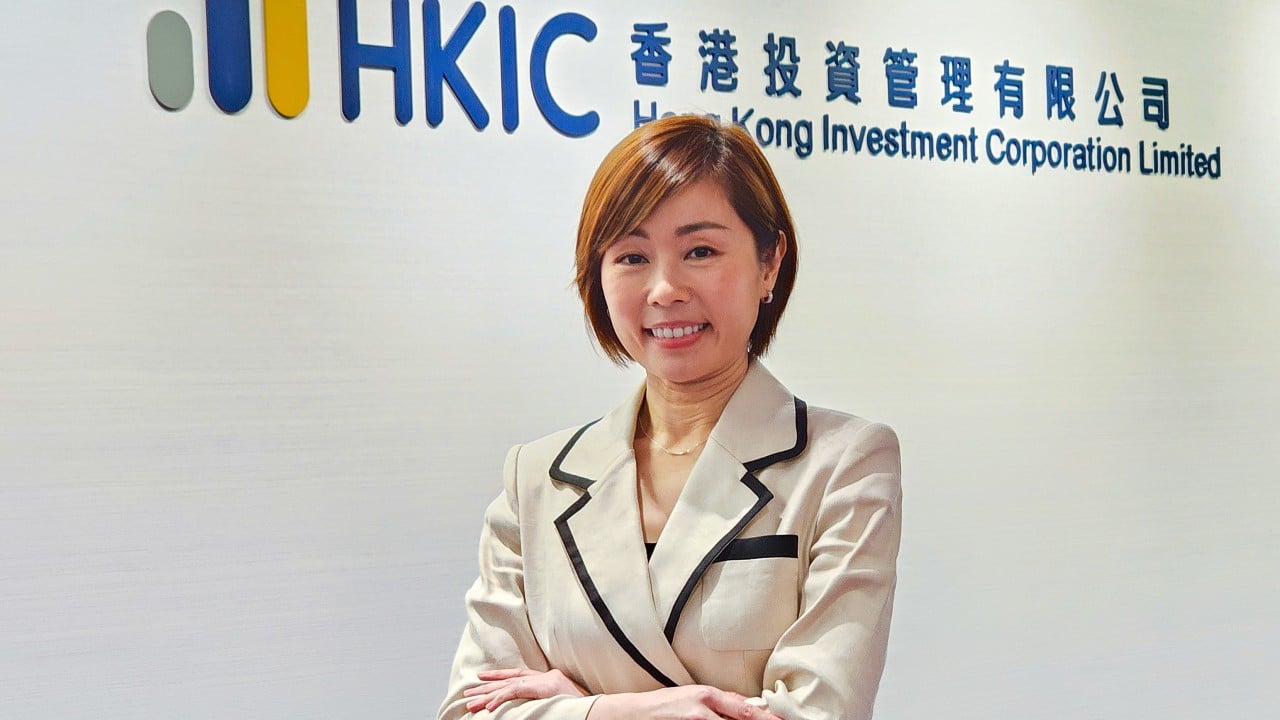
Hong Kong Investment Corporation is stepping up its efforts to position itself amid Beijing’s challenge to US pharmaceutical dominance Hong Kong is stepping up its efforts to invest in a cluster of biotech companies, positioning itself as a linchpin in Beijing’s push to reach new levels of innovation and challenge the United States for dominance in the global pharmaceutical market. “We have a pretty diversified portfolio covering upstream [to] downstream [of the full healthcare value chain], including Chinese medicine, Western medicine, [products] ranging from prevention, diagnostic treatments and [surgical] operations,” HKIC CEO Clara Chan Ka-chai said at the Global Health Summit in Hong Kong on Friday. She added that HKIC has been linking AI and large language model firms with drug discovery companies in its portfolio, making the process of finding new medicines “cheaper, faster and better”. HKIC has invested in more than 200 companies “covering high growth, high impact sectors, including biotech and health tech”, Chan said at the event, adding that the internal rate of return on the portfolio since its inception was 14 per cent as of end-2025.

Hong Kong’s Hang Lung Properties names former Starbucks China head Leo Tsoi as new CEO
Markets

Hong Kong’s Hang Lung Properties names former Starbucks China head Leo Tsoi as new CEO

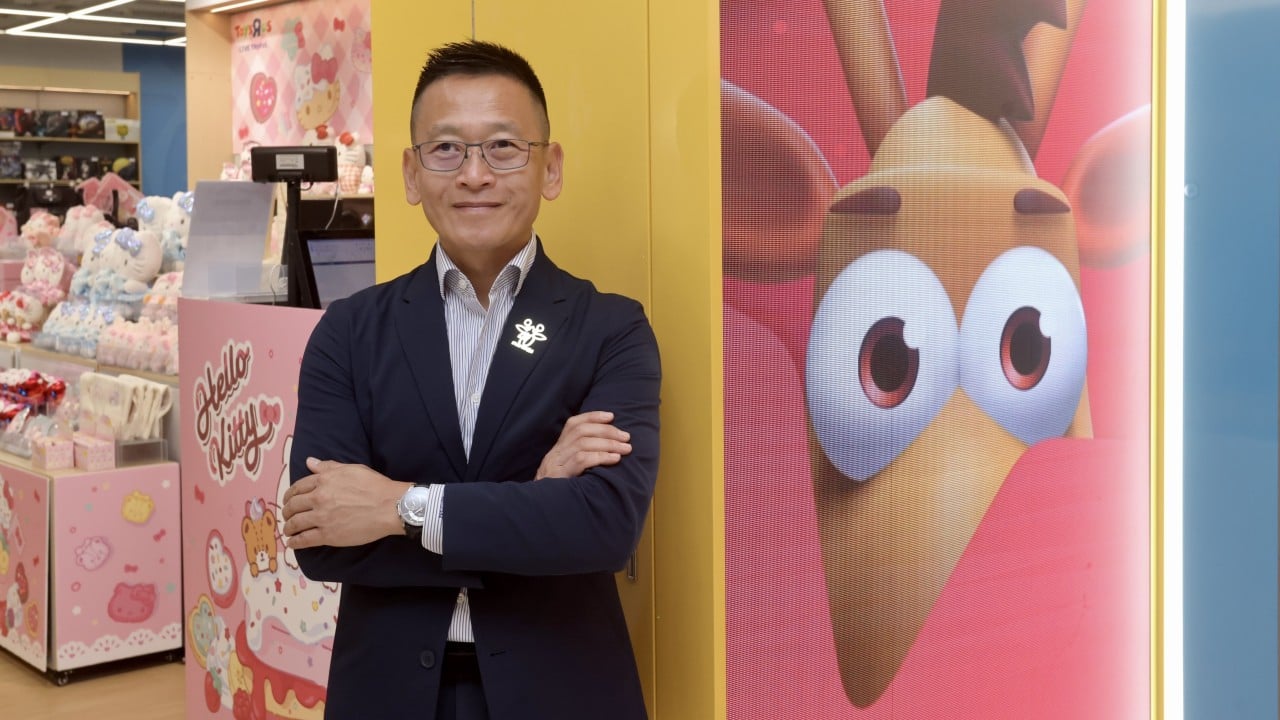
Tsoi’s appointment marks Hang Lung’s first CEO change since Adriel Chan took over from his father Ronnie Chan as chairman in 2024 Tsoi will join Hang Lung Group and Hang Lung Properties on September 7 as CEO-designate and executive director ahead of formally assuming the CEO role on October 1. He succeeds Weber Lo Wai-pak, who retires on August 31 after serving as CEO for eight years, the developer said in a statement on Friday. Tsoi, 56, has more than three decades of experience in retail and business management in Asia. He currently serves as CEO of Toys ‘R’ Us Asia, where he expanded the brand’s appeal to the “kidult” segment, and revived business growth across China and Southeast Asia, according to Hang Lung. Prior to this role, he headed Starbucks China as CEO after holding several senior leadership positions in the US coffee giant. Earlier in his career, Tsoi “built a strong leadership foundation” at PepsiCo and Procter & Gamble Greater China, Hang Lung said.

Hong Kong’s US dollar peg faces fresh calls for review – but is change feasible?
Markets

Hong Kong’s US dollar peg faces fresh calls for review – but is change feasible?

Economists and financial analysts warn abandoning the anchor would pose risks that far outweigh potential rewards The Hong Kong dollar’s four-decade-old peg to the US dollar is facing fresh calls for review, after a local financial industry body urged greater use of the yuan and floated the idea of shifting to a basket of major currencies and gold – though financial analysts argue the current system is likely to remain in place. The proposal to revisit the pegged exchange rate system was submitted this week by the Hong Kong Securities and Futures Professionals Association (HKSFPA), as the government gathers public feedback for its first-ever five-year plan. “The peg to the US dollar cedes control over local monetary policy to the US Federal Reserve,” the association noted, citing financial pressure on local homebuyers and small businesses during recent rate-hike cycles. “If Hong Kong clings to the old regime, any major dollar volatility or credit crisis would leave the Hong Kong dollar with no buffer, severely impacting financial markets, property prices and citizens’ retirement savings.”

Global AI trade revival brightens outlook for Chinese tech stocks after record sell-offs
Markets

Global AI trade revival brightens outlook for Chinese tech stocks after record sell-offs

Improved corporate earnings and a broader global tech rebound are helping stocks bounce back from a record monthly decline The outlook for Chinese technology stocks has improved after a sharp monthly sell-off, as the global rebound in the artificial intelligence trade regains momentum, speculative positions are flushed out and falling oil prices ease fears of monetary tightening. US markets have benefited as concerns over Federal Reserve tightening fade, while de-escalating tensions in the Middle East have sent oil prices lower and corporate earnings reports show AI demand remains robust. “Chinese stocks are now entering the stage of rebuilding confidence after the overheating risk was largely defused,” said Song Yiwei, an analyst at Bohai Securities. “The market is expected to bottom out, as the earnings season for interim reports may give fundamental support for funds’ reallocation.” The rout in Chinese tech stocks followed a more than 60 per cent surge in the Star Market 50 this year, while leveraged traders pushed bets to record highs to maximise exposure to AI plays.

Hong Kong preferred base as Chinese SOEs consolidate overseas accounts in treasury hubs
Markets

Hong Kong preferred base as Chinese SOEs consolidate overseas accounts in treasury hubs

City’s attractions include international banking system, deep capital markets, offshore yuan pool and close links with mainland China’s central state-owned enterprises (SOEs) are consolidating scattered overseas accounts into unified treasury hubs, with Hong Kong emerging as their preferred base amid a broader crackdown on outflows of state cash. Decades of overseas expansion had seen many SOEs build up assets in multiple jurisdictions, leaving cash management fragmented and making it harder for regulators and company headquarters to track liquidity, foreign-exchange risk and cross-border financing, analysts said. Central SOEs now hold nearly 8 trillion yuan (US$1.1 trillion) in overseas assets across more than 180 countries and regions, spanning over 10,000 projects and entities, according to the State-owned Assets Supervision and Administration Commission (Sasac). Since 2022, authorities in mainland China have pushed central SOEs to build treasury systems offering full visibility and tight control, a mandate later extended to their overseas units.

From Hong Kong’s bond futures to SpaceX: the numbers moving markets
Markets

From Hong Kong’s bond futures to SpaceX: the numbers moving markets

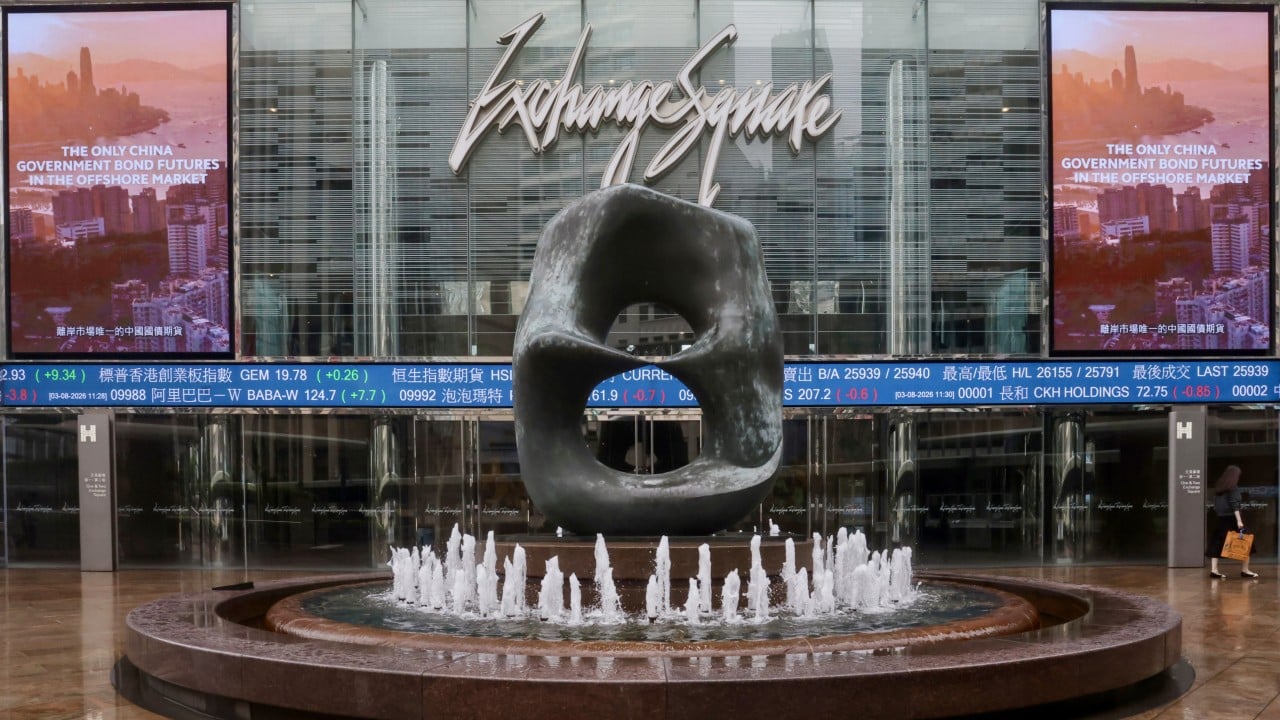
Hong Kong’s sovereign debt debut, SpaceX’s first public earnings and shifting energy markets are all in the spotlight China’s push for treasury bond futures in Hong Kong has been well received, with brisk trading reflecting strong hedging demand. On the other side of the Pacific, Elon Musk’s aerospace company, SpaceX, has published its first-ever quarterly financial statement as a public entity, offering a glimpse into the company’s future. Here are some of the figures that have drawn the most market attention this week. The active September contract closed at 107.64 yuan (US$15.94), up 0.9 per cent from its opening level, on a volume of 3,440 lots. This figure reached 3,755 across all contract months. The launch was supported by 13 designated liquidity providers, comprising five banks and eight brokerages.

Chinese luxury brands rise from challengers to market shapers as global houses lose lustre
Markets

Chinese luxury brands rise from challengers to market shapers as global houses lose lustre

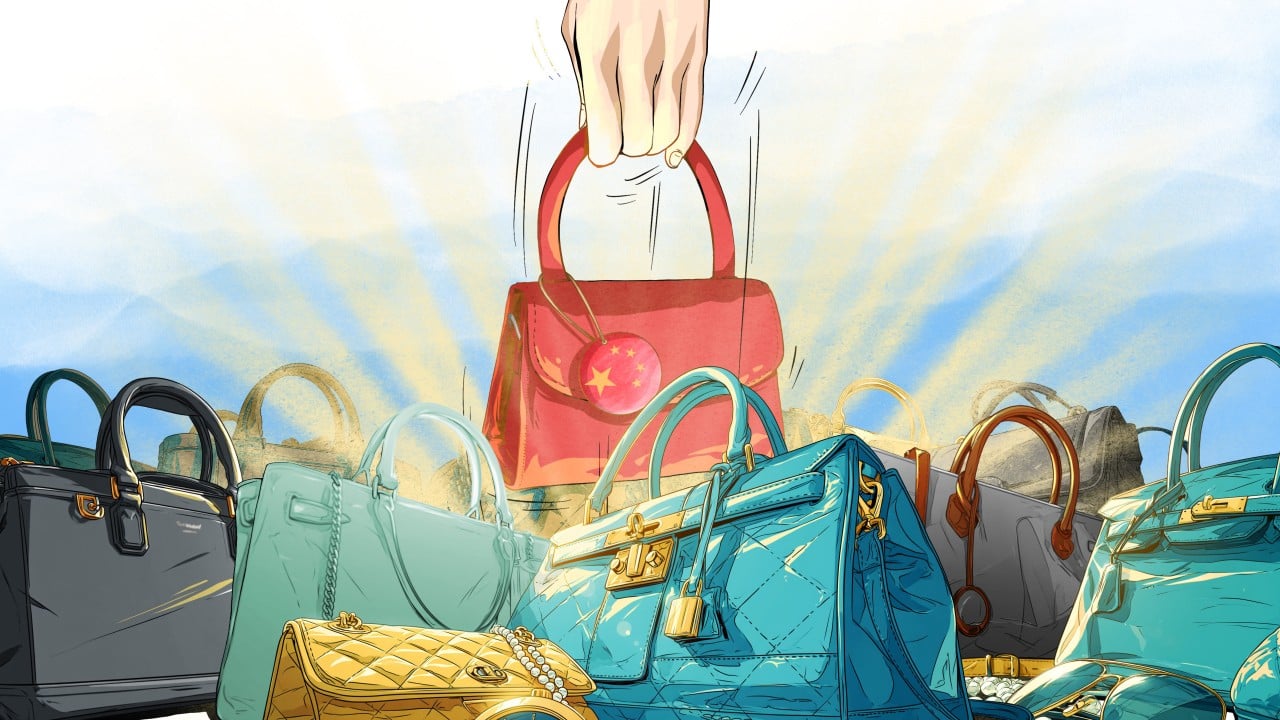
A growing number of local brands are winning over premium consumers who prize craftsmanship, innovation and a high‑value sense of luxury After months of declining gold prices, Li Yue recently spent nearly 28,000 yuan (US$4,148) on a 10-gram (0.35-ounce) pure gold necklace – more than double the prevailing market rate for the metal. The piece in question: a gourd-shaped pendant from Laopu Gold, a Chinese heritage jewellery brand that has captured significant attention in recent years. But for Li, a software engineer in Shanghai, the purchase had little to do with bullion value. She cared more about the necklace’s design – the gourd is a traditional symbol of fortune and prosperity – and the care with which it was crafted. “No one asks how much the fabric of their Louis Vuitton bag costs, right?” she said.

Swire Pacific posts record first-half profit as investment surges to fresh high
Markets

Swire Pacific posts record first-half profit as investment surges to fresh high

The Hong Kong-based conglomerate saw its underlying profits soar by 48 per cent year on year in the first half of 2026 Swire Pacific – whose high-profile assets include Hong Kong’s flag carrier Cathay Pacific Airways, Swire Properties and Swire Coca-Cola – logged a record first-half profit during the first six months of the year, with the company’s investment also hitting a new high. The Hong Kong-based conglomerate posted a recurring underlying profit of HK$6.96 billion (US$887 million) for the first half of 2026, up 48 per cent year on year, it said in a filing with the Hong Kong exchange on Thursday. “We are confident in the outlook for the remainder of the year,” said Guy Bradley, chairman of Swire Pacific, during a press conference in Hong Kong on Thursday. “There is plenty of money going out into investing for the future.” The group’s level of investment has also hit a record high, with Cathay Group investing HK$150 billion, Swire Properties HK$100 billion, and Swire Coca-Cola 12 billion yuan (US$1.8 billion), the company said. All of the investment will go into the group’s core markets of the Chinese mainland, Hong Kong and Southeast Asia, according to Bradley.

Hong Kong raises Silver Bonds coupon rate to 4.25% for latest batch
Markets

Hong Kong raises Silver Bonds coupon rate to 4.25% for latest batch

The city plans to issue up to HK$50 billion of Silver Bonds next month, with the higher rate intended to pre-empt a rise in US interest rates Hong Kong is raising the guaranteed coupon rate for its 11th batch of Silver Bonds for senior citizens, amid market expectations that the US Federal Reserve will raise interest rates later this year. Up to HK$50 billion (US6.4 billion) of Silver Bonds will go on sale this month with a guaranteed annual coupon of 4.25 per cent, up from 3.85 per cent for the batch sold in September last year, the government announced on Thursday. The three-year bonds will be on sale from 9am on August 21 until 2pm on September 4, and will be issued on September 15, right before the Fed is due to announce its next interest rate decision. Each board lot is HK$10,000, with a maximum allocation of HK$1 million per person. Interest is paid every six months. The government will pay either the minimum fixed rate or a floating return linked to Hong Kong’s inflation rate, whichever is higher. Depending on market demand, the issuance size may expand to HK$55 billion.

China’s MLCC supply chain expanding rapidly amid surge in global AI demand
Markets

China’s MLCC supply chain expanding rapidly amid surge in global AI demand

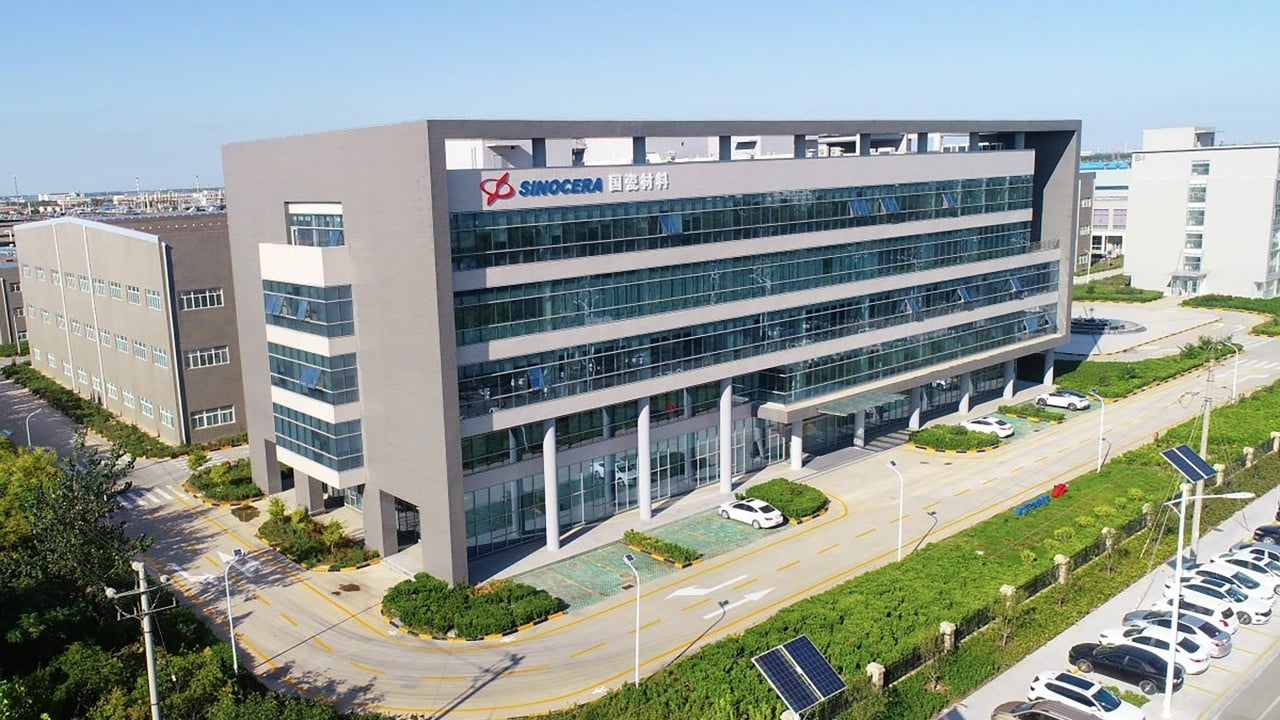
Driven by the insatiable computing needs of global AI infrastructure, the upstream MLCC supply chain is racing to expand capacity China’s upstream supply chain for multilayer ceramic capacitors (MLCCs) – tiny components dubbed “the rice of electronics” – is racing to expand capacity, as an artificial intelligence-driven boom triggers a surge in global orders. Shandong Sinocera Functional Materials, a major supplier of dielectric powder to MLCC manufacturers, told investors in a Shenzhen Stock Exchange filing on Wednesday that it was actively pushing to expand capacity for AI servers and vehicles, with parts of its new production lines already operational. “Looking ahead, as new capacity gradually ramps up, output and sales of MLCC powders are expected to rise further,” Sinocera said in the document, adding that it would continue to expand and ensure its supply aligns with market momentum. The company’s optimism follows a strong performance in the first half of 2026, when it reported sales growth of nearly 17 per cent year on year to reach 2.5 billion yuan (US$370 million), while net income rose 9 per cent. Other upstream suppliers have also rushed to pour investments into meeting the booming demand.

Swire earnings show Hong Kong’s prime commercial districts outpacing others in recovery
Markets

Swire earnings show Hong Kong’s prime commercial districts outpacing others in recovery

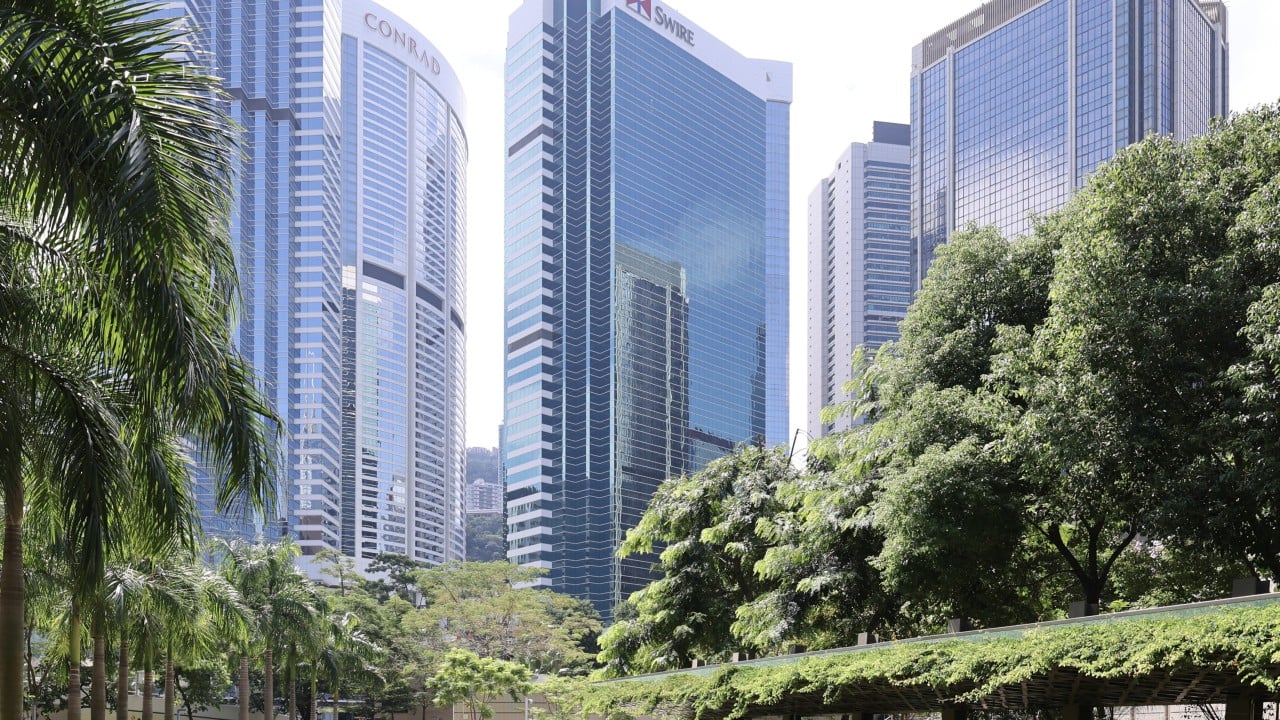
First-half results highlight a widening gap between Central’s office recovery and weaker commercial districts Hong Kong’s commercial property recovery is increasingly becoming a story of location, with the fortunes of the city’s biggest landlords diverging depending on the districts where they own office space. Swire Properties’ first-half results on Thursday captured that shift. The developer owns office towers in both Admiralty, next to Central’s financial district, and Quarry Bay, an eastern business hub that has long attracted tenants seeking spaces with lower rents than those in pricier areas like Central. Pacific Place, Swire’s mixed-use complex beside Central, was 98 per cent occupied and recorded selective signs of positive spot rents as banks, asset managers and other financial firms renewed leases and upgraded into premium offices. At Taikoo Place in Quarry Bay, however, an abundance of new supply and increased vacancies kept leasing conditions competitive. The occupancy rate for One Island East and One Taikoo Place was 91 per cent, while the district’s newest office tower Two Taikoo Place was 80 per cent leased.