Markets — 738 insights
Despite geopolitical tensions, China’s rare earth producers have profitable first half
Markets

Despite geopolitical tensions, China’s rare earth producers have profitable first half

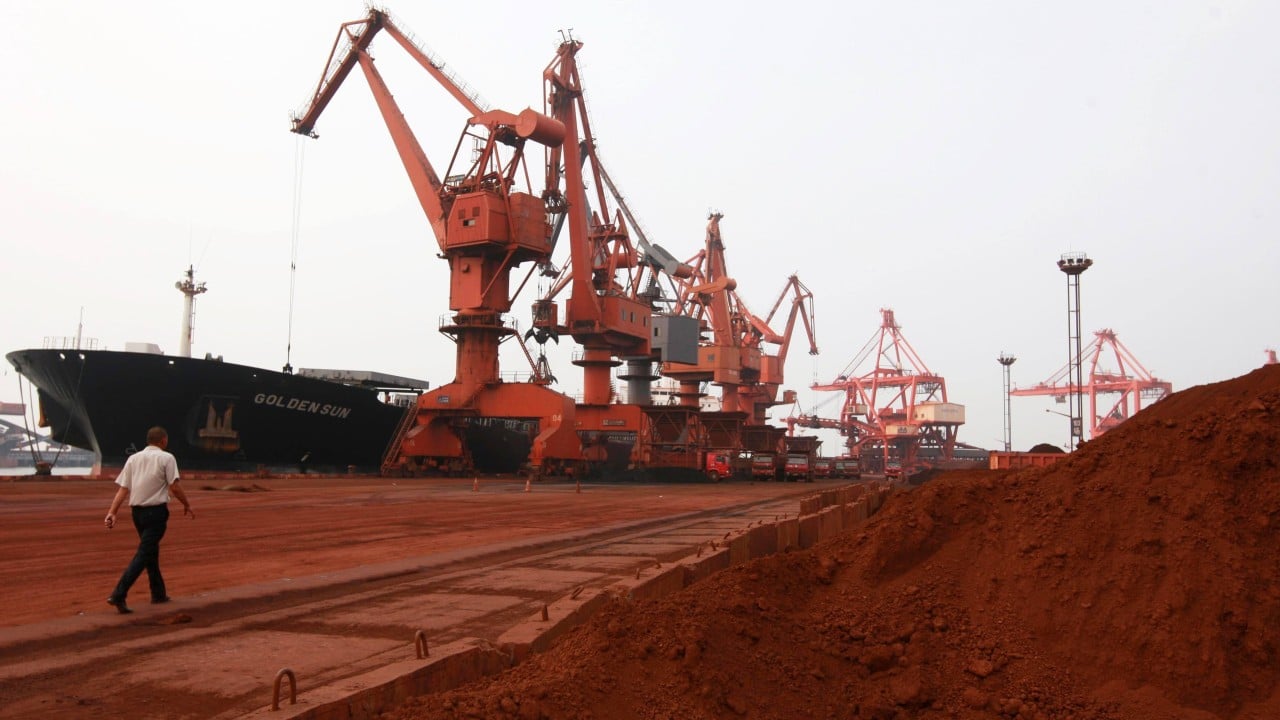
Rapid expansion of AI supply chain has given rare earth prices a strong upwards trajectory, analyst says China’s rare earth producers have reported or anticipated hefty first-half profits, with Beijing’s use of the strategically critical minerals as leverage in trade relations with Japan and the United States not appearing to impede normal activity. Shenzhen-listed China Rare Earth Resources and Technology saw its first-half net profit surge 46.53 per cent year on year to 237 million yuan (US$35.1 million), the company said in an exchange filing on Friday. Its price-to-earnings ratio, an indicator of investor expectations, was 636.88 in February and currently stands at around 254, still very high compared with the market average. The same ratio for Shanghai-listed China Northern Rare Earth (Group) High-Tech, the nation’s largest producer, reached 105.4 in February and now stands at about 58. China Northern has said it expects a first-half net profit of between 1.98 billion yuan and 2.06 billion yuan, representing year-on-year growth between 112.74 and 121.33 per cent.
How China DRAM champion CXMT’s MSCI entry could lure fund inflows, cement its top ranking
Markets

How China DRAM champion CXMT’s MSCI entry could lure fund inflows, cement its top ranking

Chipmaker’s inclusion in main global index system set to spur passive demand and spotlight China’s growing semiconductor clout: analysts The addition followed MSCI’s rule of fast-tracking inclusions of mega initial public offerings 10 days after the start of trading, compared with the quarterly reviews for normal inclusions. “As China’s leading DRAM maker, CXMT’s inclusion in the main global index system will boost demand for allocations by passive funds and draw more attention to China’s semiconductor and memory industry chains,” Ping An Securities said. CXMT’s high-profile listing, coupled with China’s rising clout in the global semiconductor supply chain, has drawn overseas investors’ attention, even as access to yuan-denominated stocks remains restricted.

What makes McDonald’s assets stand out amid a weak Hong Kong retail property market?
Markets

What makes McDonald’s assets stand out amid a weak Hong Kong retail property market?

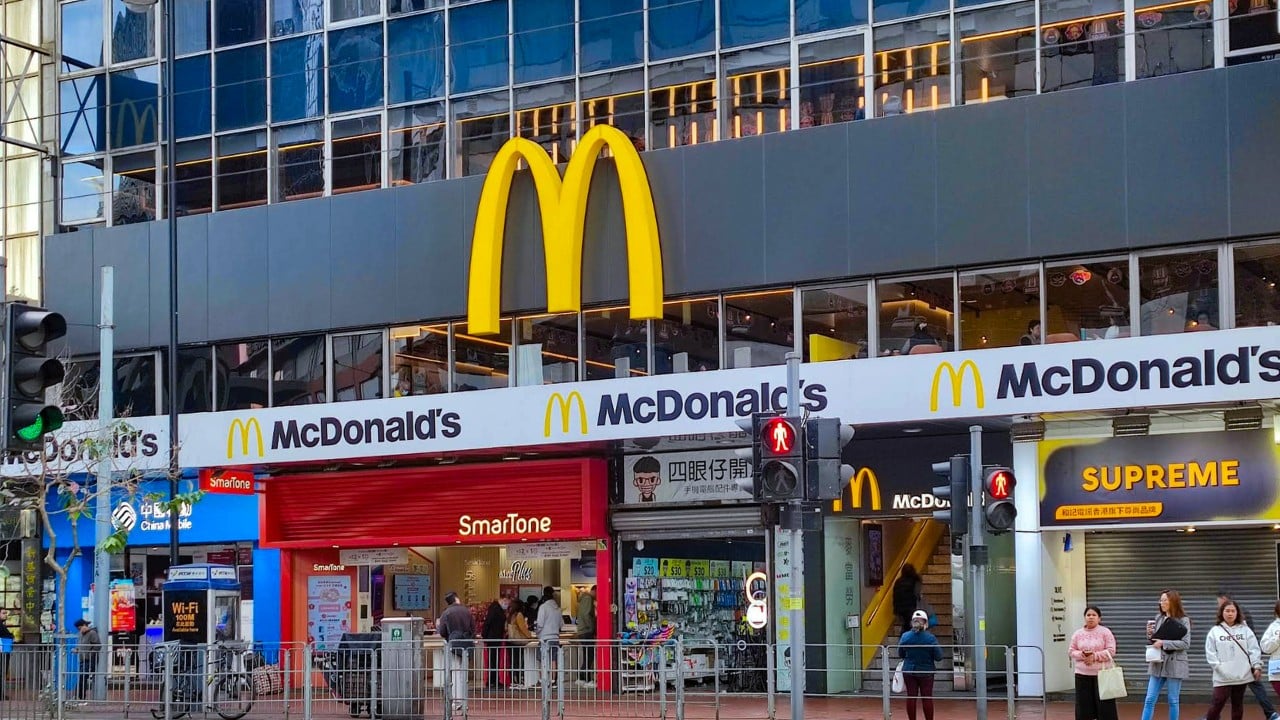
Restaurant chain’s disposal drive shows investors cherry-pick only top-tier assets amid city’s retail property slump, analysts say McDonald’s planned to dispose of all 23 shops in phases, market sources said, with the portfolio initially valued at about HK$3 billion (US$382 million). Since launching the disposal plan with JLL in July last year, the chain had sold 11 properties for more than HK$900 million – five last year and six worth HK$607 million this year, according to South China Morning Post calculations. The sales included the first batch of eight properties marketed by JLL through public tender. Shop values remained more than 50 per cent below pre-pandemic highs, while veteran investors and major landlords continued to offload assets, according to analysts. Only 379 shop transactions were completed in the first half, little changed from a year earlier, according to Centaline Commercial.

DFI navigates ‘hardest’ market China as 7-Eleven stores profit despite online price wars
Markets

DFI navigates ‘hardest’ market China as 7-Eleven stores profit despite online price wars

DFI plans to increase the number of mainland Chinese 7-Eleven outlets to 3,000 in ‘the next few years’, up from 2,000 now For international retailers like DFI Retail Group, which operates 7-Eleven and Maxim’s in 12 global markets, mainland China is a tough market to crack given its “unsustainable” online subsidies, according to an executive. “I think customers in China still have a very value-focused, careful use of their money [approach], and they still have a little bit of an unrealistic view as to what pricing should be,” said Scott Price, chief executive of the Asian retail giant, in a recent interview. “I think China is one of the hardest markets that exists for retail.” However, Chinese consumers’ pursuit of a higher quality of life would provide opportunities for retailers and the powerful supply chain on the mainland could help with cost control, he added. DFI planned to increase the number of mainland Chinese 7-Eleven outlets to about 3,000 in “the next few years”, up from the current 2,000 stores, Price said.

Can Hong Kong Become Asia’s Blueprint for Sustainable Urban Growth?
Markets

Can Hong Kong Become Asia’s Blueprint for Sustainable Urban Growth?

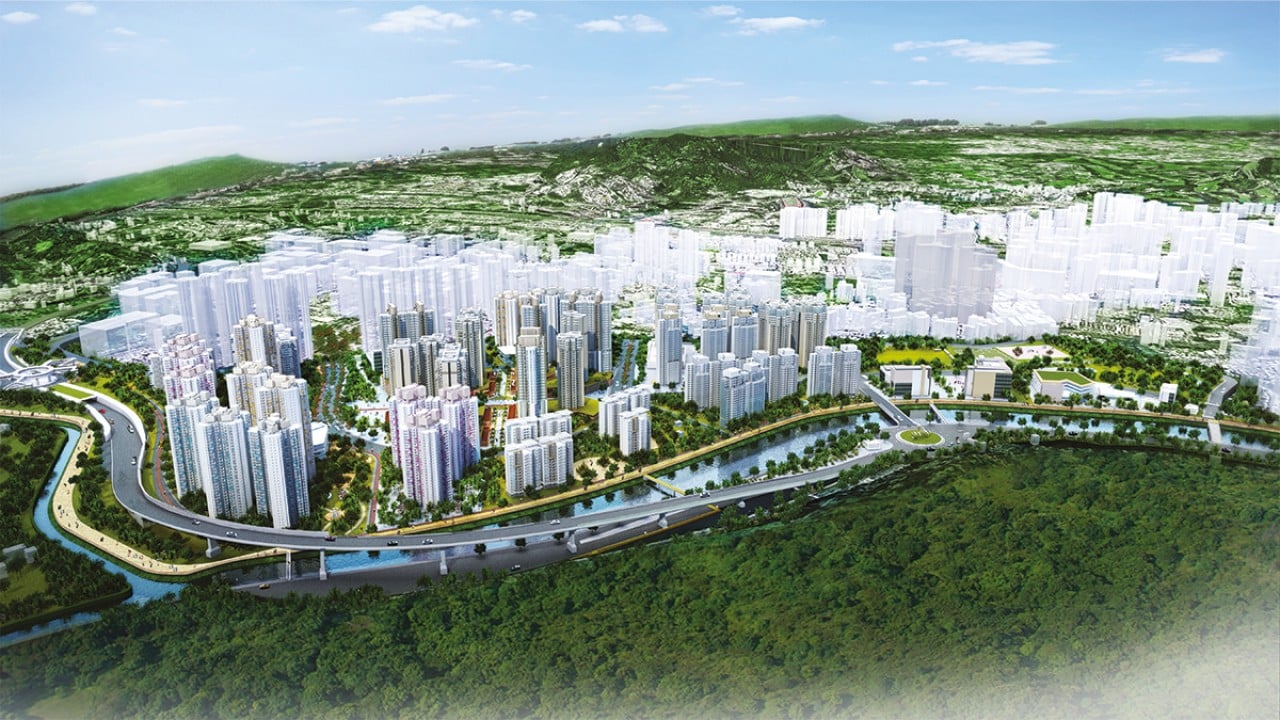
From the Northern Metropolis to regional connectivity and future-ready infrastructure, AtkinsRéalis is helping shape Hong Kong’s next phase of urban transformation. [The content of this article has been produced by our advertising partner.] The city’s role is changing. Once defined by its status as a port and a place where the West did business with China, Hong Kong is now expanding its definition of connectivity to include resilience, digital innovation and cross-boundary collaboration. Today, the city offers a highly efficient, well-regulated environment where advanced engineering practices and infrastructure models can be piloted with confidence. “When proven in Hong Kong, these approaches can be adapted and scaled across Asia and beyond,” Law says. This “testbed-to-blueprint” dynamic is central to AtkinsRéalis’s strategy, positioning the city as both a proving ground and a launchpad for scalable solutions across Asia, thereby demonstrating the ability to translate proven delivery in Hong Kong into replicable models for the region. A prime example is the Northern Metropolis, one of the city’s most ambitious long-term development plans.

How China’s brands are thriving in the US despite rising geopolitical tensions
Markets

How China’s brands are thriving in the US despite rising geopolitical tensions

Chinese brands like Pop Mart are winning over American consumers by projecting a global image and targeting niche markets The Cry Me an Ocean plush toys sat as forlornly as their name implied inside the Stoneridge Shopping Centre in the San Francisco suburb of Pleasanton. The Chinese brand Pop Mart had placed a “Robo Shop” vending machine stuffed with the small dolls on a walkway inside the mall, but passers-by barely gave them a second glance. Yet across the country, it was a different story. At Cornell University in Ithaca, New York, Pop Mart is popular enough that a bevy of students has signed up for the recently formed Art and Business Club just for a chance to collaborate with the brand, according to club founder Madeline Wang. While blind-box retail has existed for decades, Pop Mart has taken it “to another level”, Wang said, though she acknowledged that “most people” in the United States might not be fans of the brand’s designs.

Demand for affordable EVs will force open US market to Chinese models eventually: analysts
Markets

Demand for affordable EVs will force open US market to Chinese models eventually: analysts

The pressure is likely to mount after consumers in the two neighbouring markets of Mexico and Canada adopt Chinese EVs Consumer demand for affordable electric vehicles is likely to force open the US market to Chinese electric vehicle (EV) brands within the next few years, even though they currently face trade barriers, according to analysts. US carmakers are expecting the same, with Ford CEO Jim Farley recently predicting the entry of Chinese EVs as early as five years. Farley, one of the most outspoken voices in the US automotive industry on the competitiveness of Chinese EVs, told Ford’s staff two weeks ago that peers from China would likely arrive in “five to 10 years”, and that the company was preparing for this, Reuters reported on July 30. Even if Farley’s remarks were aimed at pushing Ford to double down on EV research and development, it would not be easy for the US to completely block Chinese EVs from the market in future, said Yale Zhang, managing director at the consultancy Automotive Foresight in Shanghai. “[US carmakers] would face complaints from consumers who are supposed to enjoy affordable smart EVs [made by Chinese companies],” Zhang said.

Derelict cinema on scenic Hong Kong island up for auction with a US$1 million price tag
Markets

Derelict cinema on scenic Hong Kong island up for auction with a US$1 million price tag

Peng Chau Cinema was once a bustling nightspot but has lain virtually empty for almost four decades and is now set to go under the hammer Peng Chau Cinema, an Instagrammable spot for tourists on an outlying Hong Kong island, will be auctioned off in mid-August at a valuation 30 per cent below estimation after almost 40 years of abandonment – a dormancy lengthy enough to fuel dark rumours among some residents. The former cinema is currently owned by Far East Hotels and Entertainment Limited, whose major shareholder is Derek Chiu, the sixth son of Deacon Chiu – founder of Far East Consortium. However, the population plummeted as those facilities closed down, and the cinema ceased operations in 1987 after just nine years of business. The main section of the cinema, along with the building’s exterior walls and solar power system, is currently being put up for auction, the handler Memfus Wong Auctioneers told the South China Morning Post. The cinema has a total gross floor area of 907 square metres (9,760 sq ft), comprising 163 square metres on the ground floor, 170 square metres on the cockloft, 472 square metres on the first floor and 102 square metres on the second floor.

Over a quarter of China’s ultra-wealthy concentrated in Beijing and Shanghai: report
Markets

Over a quarter of China’s ultra-wealthy concentrated in Beijing and Shanghai: report

Beijing, Shanghai and Guangdong hold most super-rich households as weaknesses in real estate and market volatility weigh on private capital Chinese megacities are seeing a slight decrease in households with assets of at least 100 million yuan (US$14.8 million), as the country’s private wealth remains concentrated in three places – national capital Beijing, financial centre Shanghai and southern Guangdong province, a technology and export hub. Beijing and Shanghai had a combined 34,700 ultra-high-net-worth (UHNW) households at the start of 2025, accounting for about 27.4 per cent of the countrywide total of 126,500, according to a wealth report jointly released in June by the Bank of East Asia and the Hurun Research Institute. Beijing contained 18,200 UHNW households and Shanghai had 16,500, both lower than a year earlier, as weaker property prices, volatile markets and slower economic growth weighed on household wealth. In China, the distribution of capital highlights three major wealth corridors. The Yangtze River Delta led with 39,680 households, or 31.4 per cent of the national total, supported by Shanghai’s finance sector, Zhejiang’s private and technology firms and Jiangsu’s manufacturing base.

Hong Kong’s US dollar peg explained: history, benefits and risks
Markets

Hong Kong’s US dollar peg explained: history, benefits and risks

As global investors shift away from US dollar assets, Hong Kong is tied to the US dollar to maintain a stable exchange rate As international investors diversify away from US dollar assets and amid the rise of internationalisation of the yuan, there are calls for reviewing the Hong Kong dollar’s peg. Here is what to know about the system. The birth of the peg is closely tied to market uncertainties. The currency was once freely traded and in September 1983 slumped by 48 per cent to a record low of HK$9.60 per dollar when a crisis of confidence occurred as the Chinese and British governments began negotiations for the 1997 handover. Hong Kong pegged its currency at HK$7.80 per dollar on October 17, 1983, under the Linked Exchange Rate System, in order to stop the swing. A trading band was then introduced in May 2005 to allow the local currency to swing between HK$7.75 and HK$7.85. The Hong Kong Monetary Authority (HKMA), the city’s de facto central bank, will intervene in the market to ensure the currency trades within the range.

Meet the next generation of Chinese stars influencing how global finance operates
Markets

Meet the next generation of Chinese stars influencing how global finance operates

New finance talent brings analytical discipline and cross-cultural fluency across global asset management, crypto and quant trading That shift is easier to grasp by looking beyond the Ivy League feeder pipelines to the mathematical boot camps of Shenzhen and the lecture halls of Guangxi Zhuang Autonomous Region. The careers of these figures – Tian Zhou, Wei Li, Katherine Wu and Han Jiarui – exemplify how Chinese talent has climbed into senior roles across hedge funds, asset management, and crypto. In July 2026, eFinancialCareers listed the top 13 London hedge fund partners under 35, based on data from Companies House, the UK agency that maintains the register of companies. Tian Zhou’s name and age stood out. Zhou’s story began far from the prestigious halls of the US Ivy League universities. He started at Guangxi University, a regional school in southern China, throwing himself into electrical engineering and English with the intense discipline that would define his career. That grit powered his transfer to Central Michigan University, where he double-majored in electrical engineering and mathematics, graduating with a perfect 4.0 grade point average and summa cum laude honors.

Buyer linked to Ningbo’s richest family purchases Hong Kong trophy home for US$18.5m
Markets

Buyer linked to Ningbo’s richest family purchases Hong Kong trophy home for US$18.5m

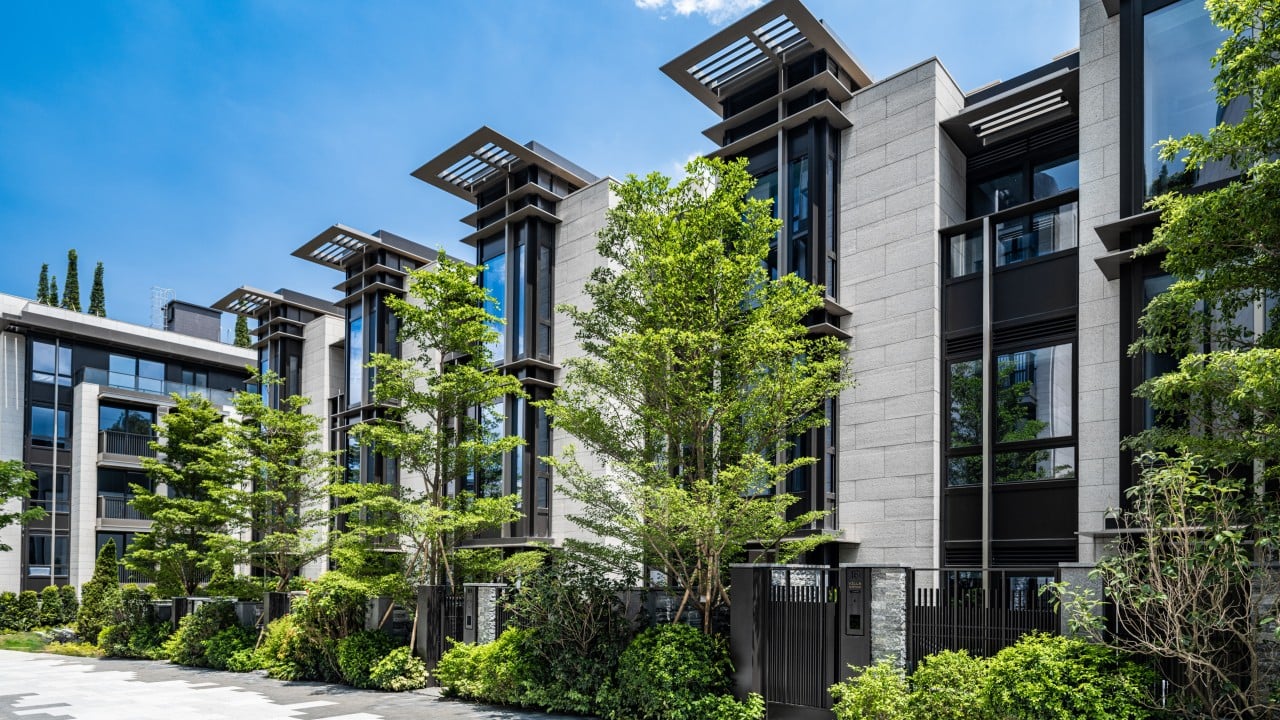
Deal adds to signs of mainland Chinese wealth entering the city’s high-end residential market despite a slowdown in overall activity Wu Xiaoming agreed to buy a home at Villa Lucca, 7 Lucca Avenue, on July 17 under an off-plan agreement for sale and purchase, Land Registry records showed. The four-bedroom stand-alone garden house has a saleable area of 5,281 sq ft, implying a price of HK$27,571 per square foot. Wu is a director of Mecca International Holding (Hong Kong), according to Companies Registry records. Wu Xiaoming was appointed a director of the Hong Kong company in 2018, replacing Wu Jianshu as the first-named director, records showed. The transaction adds another link between Ningbo capital and Hong Kong property.