Physical AI ‘space race’: can Europe compete with China and the US in humanoid robotics?
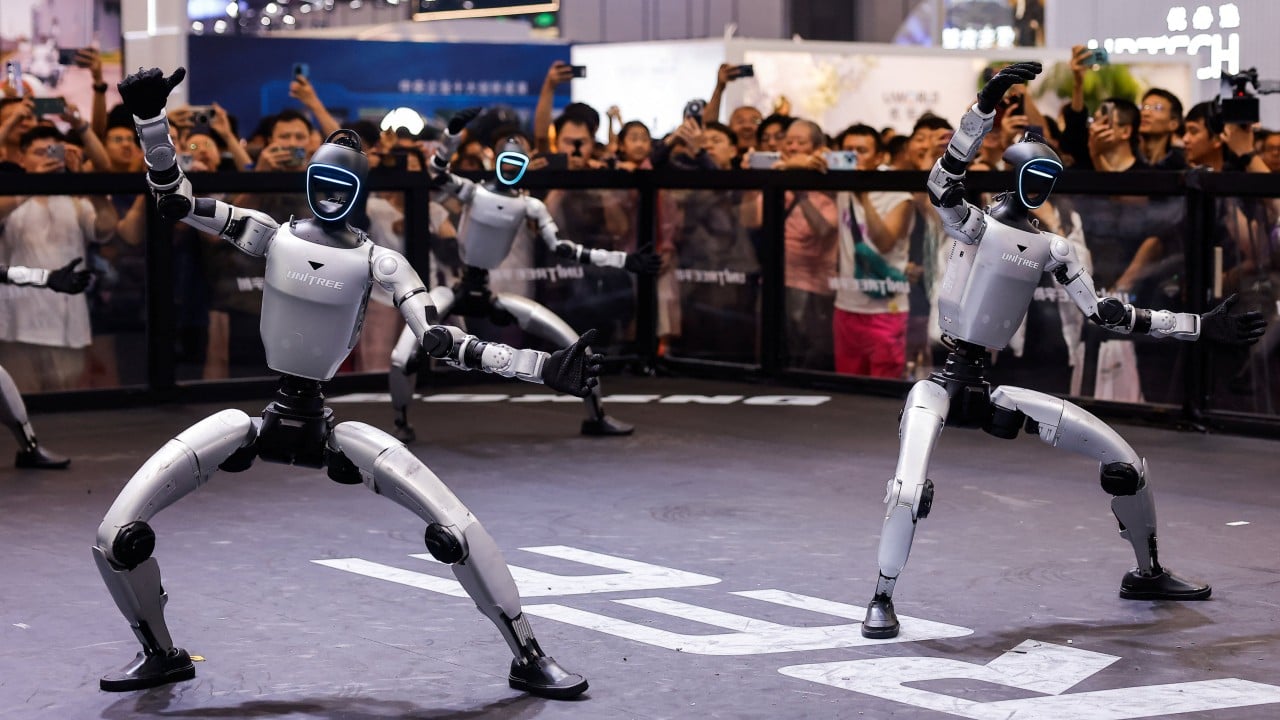
At the 2026 Machina Summit, European executives identify severe data training bottlenecks as a major obstacle – and urge policymakers to act “You see China and the US … because of AI … typically they are considered the leaders, but do not count out Europe,” said David Kehr, president of Humanoid Robotics, a division of German firm Schaeffler Technologies. Traditionally focused on automotive and industrial components, the Bavaria-based company entered the sector in January through a partnership with UK start-up Humanoid. Under the deal, Schaeffler supplies the actuators – mechanical joints and motors that power a robot’s movement – and plans to deploy the British firm’s AI models across its own factories. Speaking on the main stage at Machina – an inaugural one-day summit held in Paris on Tuesday that positions itself as the continent’s leading event dedicated to the industry – Kehr identified safety standards and faster training speeds as the industry’s primary hurdles. Europe could lead on global safety standards, he said, but cautioned that lawmakers must strike a careful balance. Regulation must not become so heavy that it “stifles” the continental humanoid and physical AI market, he warned.