Markets — 738 insights
Fast-fashion giant Shein swings to US$99m first-quarter loss ahead of Hong Kong listing
Markets

Fast-fashion giant Shein swings to US$99m first-quarter loss ahead of Hong Kong listing

Tariffs, war and rising costs squeeze company’s margins as IPO looms, testing investor appetite for fast-fashion The Singapore-headquartered fast-fashion retailer, founded in China, recorded a US$99 million loss in the three months to March, reversing a US$395 million profit a year earlier. Net revenue edged up 1.1 per cent to US$9.05 billion in the same period. For full-year 2025, Shein’s net revenue rose nearly 8 per cent to US$41.85 billion, while net profit slumped 38.7 per cent to US$2 billion. The filing showed Shein was facing multiple risks in 2026, warning that net revenue, operating profit and net profit were being pressured by tariffs, potential pricing pressures, weaker regional demand and higher logistics and material costs. The European Union, accounting for about a third of Shein’s net revenue in 2025 and the first quarter of 2026, imposed a €3 (US$3.42) fee on low-value e-commerce imports this month, raising selling costs and likely hurting short-term volumes, Shein said.

China cracks down on offshore trusts with new tax rules for the wealthy
Markets

China cracks down on offshore trusts with new tax rules for the wealthy

Beijing’s new tax rules aim to close loopholes and boost fiscal revenue amid slowing economic growth and rising fiscal burdens China will impose personal-income taxes on offshore trusts owned by wealthy individuals, plugging a loophole leveraged by rich mainland families to avoid taxation. Effective immediately, the tax will be levied on gains made from asset values, such as stocks and properties, after having initially been put into trusts, the Ministry of Finance said in a statement on Friday. Incomes generated from the trusts will be taxed annually, it added.

Burberry sales jump: are luxury goods back in fashion in China amid tech wealth?
Markets

Burberry sales jump: are luxury goods back in fashion in China amid tech wealth?

Burberry and Cartier see sales surge in China, driven by Gen Z and tech wealth, but recovery remains uncertain amid economic challenges British luxury brand Burberry saw 5 per cent year-on-year sales growth to £455 million (US$606 million) in the first quarter of fiscal 2027 ending June 27, led by continued strength in the Americas and Greater China, the company said in its quarterly earnings report on July 17. Sales in Greater China, including the Chinese mainland, Hong Kong, Macau and Taiwan, rose by 9 per cent year on year, in line with the previous quarter, driven by local demand and outsize growth from Gen Z consumers, the London-listed brand said. “I do see good long-term potential for Chinese demand alongside some pent-up demand from unspent Covid-19 times savings, once the sentiment improves,” said Jelena Sokolova, a London-based senior equity analyst at Morningstar. She added that these were tepid signs of recovery, but it was too early to judge how sustainable it was and whether it would be limited to certain brands or broad-based.

Why do mainland Chinese firms refuse to give up on Wall Street IPOs?
Markets

Why do mainland Chinese firms refuse to give up on Wall Street IPOs?

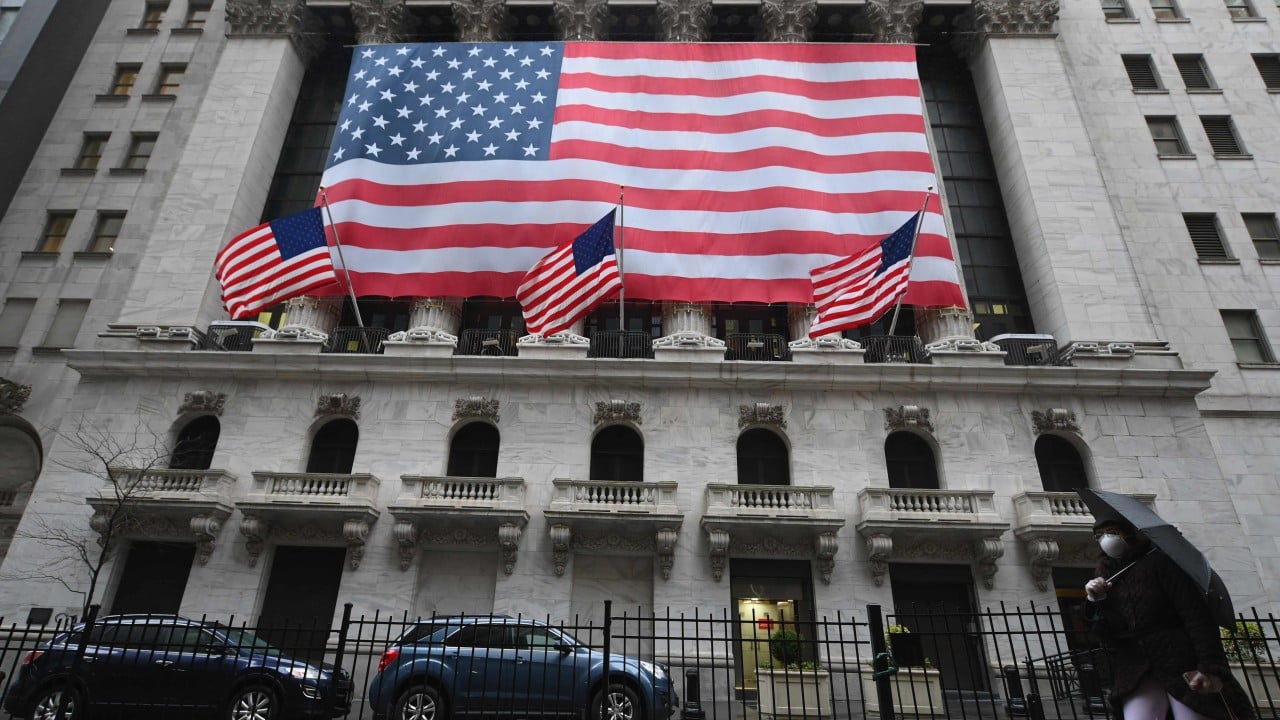
As the first half of 2026 sees record-low US debuts for Chinese firms, CSRC data shows a steadfast pipeline of firms keen to list in the US Only two mainland Chinese companies completed US debuts in the first half of the year, raising a combined US$59.5 million – a five-year low for deal volume and total proceeds, according to a June report by accounting firm EY. The persistent push raises a crucial question for global investors: why do Chinese entrepreneurs refuse to give up on New York? “A US listing is still seen as highly prestigious,” said Hong Hao, chief investment officer at Hong Kong-based Lotus Asset Management. He noted that New York remained the world’s largest capital market, offering deep liquidity and direct access to an unmatched pool of global institutional investors that regional exchanges could not easily replicate.

Demand for Dubai homes cools as Middle East conflict drags on
Markets

Demand for Dubai homes cools as Middle East conflict drags on

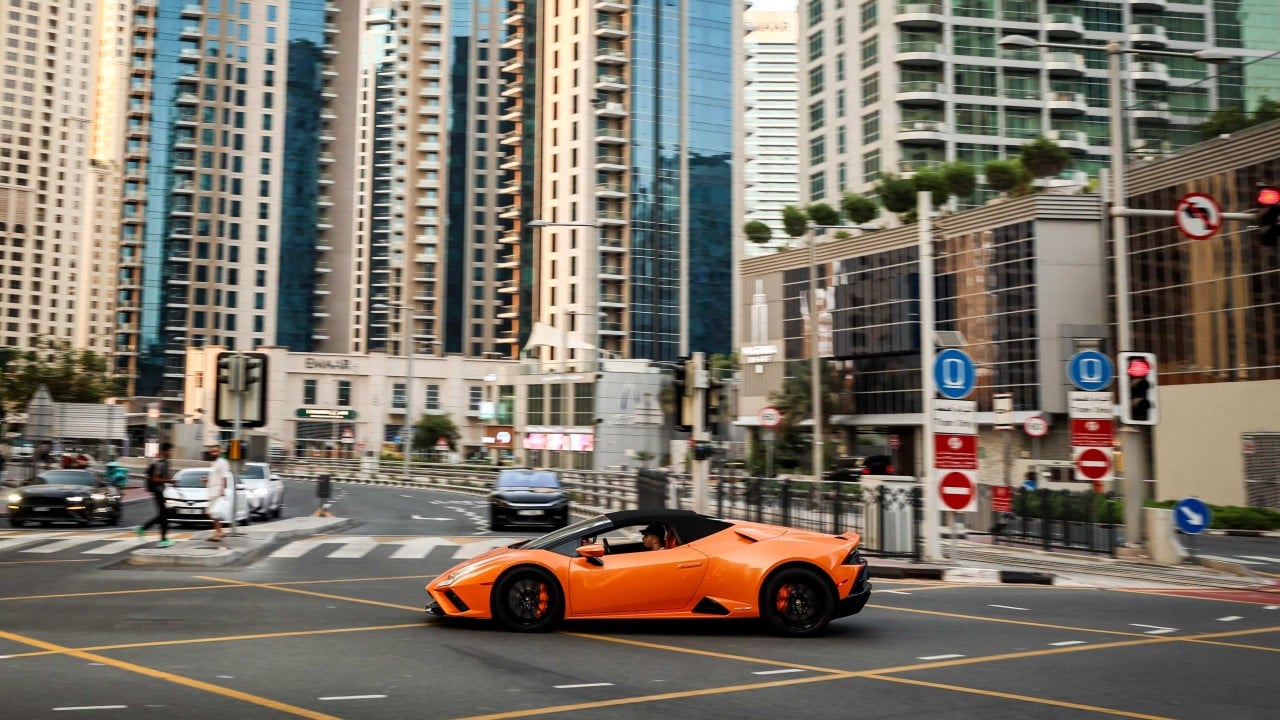
Sales volumes fell markedly in May and June, according to Knight Frank, with rising costs adding to developers’ woes The hostilities began in February with strikes in Tehran and later developed into a wider regional conflict. “With the onset of the historically quieter summer months, we anticipate a further slowing in deal volumes.” In some cases, the conflict triggered “panicked calls” from buyers, according to property portal Juwai IQI. Dubai had been the world’s most active luxury housing market.

Lower profit margins set to foil Chinese carmakers’ price war plans despite falling sales
Markets

Lower profit margins set to foil Chinese carmakers’ price war plans despite falling sales

Narrowing profit margins due to higher raw material costs have dealt yet another major blow to China’s carmakers as they face shrinking market demand amid a rollback of purchase subsidies and tax incentives. The dire scenario could also dash Chinese consumers’ hopes for steep discounts, despite carmakers’ efforts to reduce their inventories, according to dealers and analysts. “The crux point is that most carmakers are facing squeezed margins and are unable to offer further price cuts to attract...

How Hong Kong developers are adapting to the ‘new normal’ in the Greater Bay Area
Markets

How Hong Kong developers are adapting to the ‘new normal’ in the Greater Bay Area

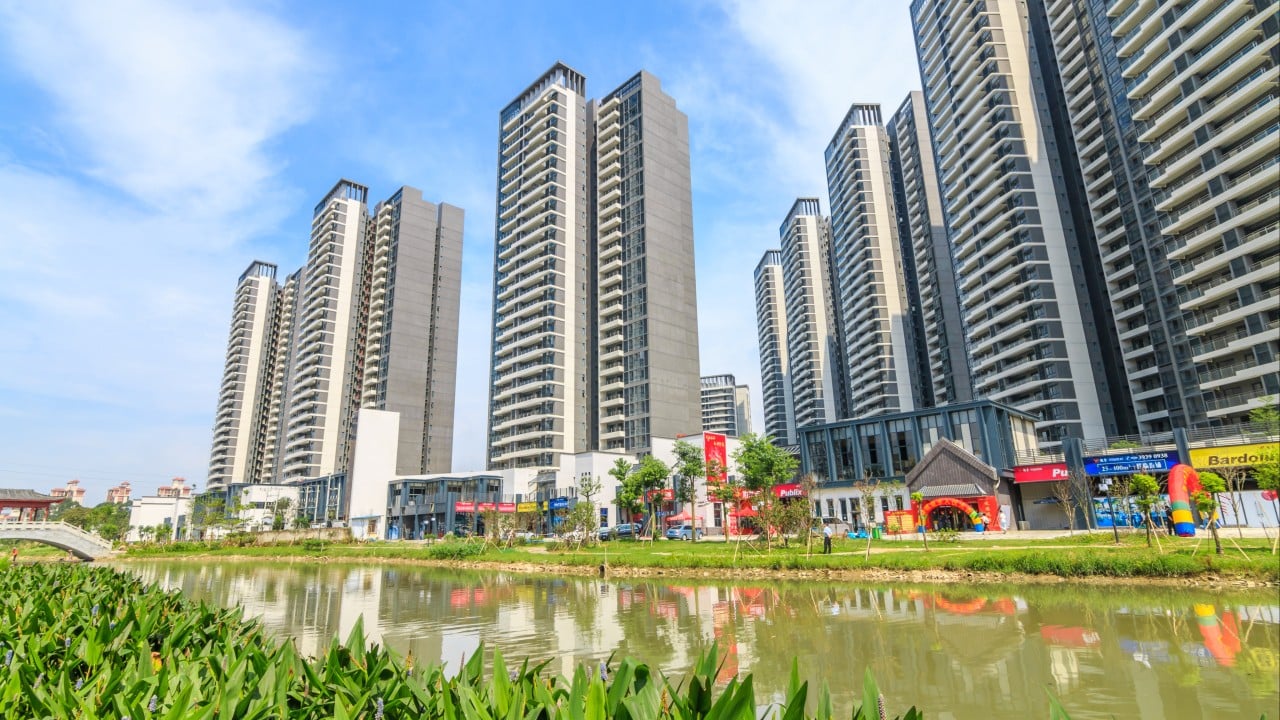
Hong Kong developers are rethinking their strategies for projects in the Greater Bay Area, as the mainland’s property crisis has changed everything Hong Kong developers operating in the Greater Bay Area are having to adapt to the ongoing debt crisis in mainland China’s property sector, which has led to deep and lasting changes in the nature and motivations of their buyers, according to agencies dealing in mainland real estate. Hong Kong buyers are now the “primary customer base” only for mainland projects in areas close to the Hong Kong border, such as Hengqin in Zhuhai and Ma’an Island in Zhongshan, according to Chung. “Buyers for Hong Kong developers’ projects in inland urban areas like Guangzhou and Foshan remain predominantly local mainlanders purchasing for owner-occupation,” he added. In Zhuhai’s Hengqin and Shizimen areas, Hong Kong buyers account for 40 per cent to 60 per cent of transactions at projects from Hong Kong developers Sun Hung Kai Properties, Henderson Land, and Wharf Holdings, according to data from Midland Realty.

Meet Yu Donglai, founder of China’s viral supermarket chain and guest of Premier Li Qiang
Markets

Meet Yu Donglai, founder of China’s viral supermarket chain and guest of Premier Li Qiang

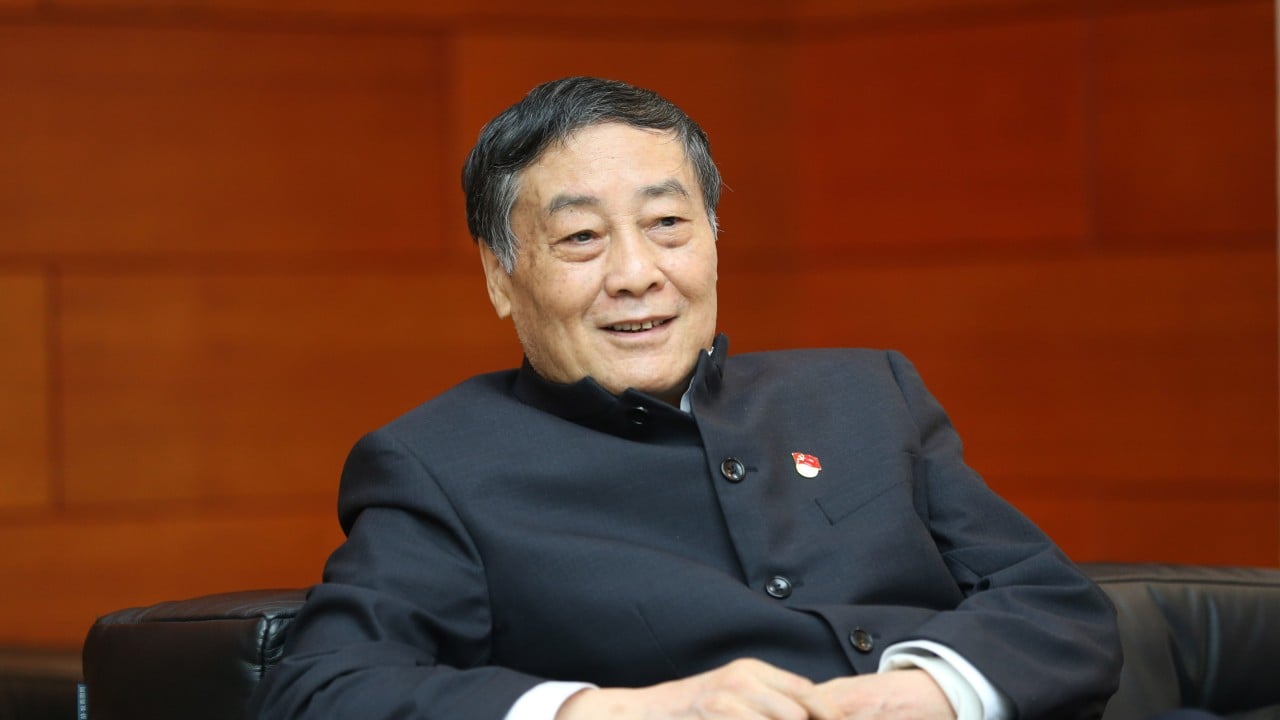
Yu’s company has caught the public’s attention for its business practices and high-quality goods Pangdonglai is often hailed as China’s answer to Sam’s Club, a US warehouse retailer owned by Walmart, due to its high-quality goods, in particular fresh produce. Unlike Sam’s membership-only model, Pangdonglai offers single-item purchasing and does not charge membership fees. At the July 13 forum, the 60-year-old Yu represented the retail and consumer sectors and delivered remarks. Other participants included the president of Sinopec, the head of Sugon, a state-backed server maker, the president of Shandong Heavy Industry Group and a panel of economists. “Very few commercial firms participated in the forum to offer suggestions. This reflects the government’s focus on boosting consumption and domestic demand,” said Tang Dajie, a senior researcher at the China Enterprise Institute, a Beijing-based think tank. Tang said Pangdonglai represents an innovative governance model for private enterprises, though its reach is restrained by geographical limits. He added the firm emphasizes humane and flexible management, unlike traditional companies prioritising branding, profits and logistics.

China hits Trip.com with US$765 million antitrust penalty after six-month investigation
Markets

China hits Trip.com with US$765 million antitrust penalty after six-month investigation

The country’s biggest online travel services provider is accused of abusing its ‘dominant market position’ The market regulator confiscated 1.658 billion yuan in illegal gains and levied a fine of 3.521 billion yuan, the latter equivalent to 7.5 per cent of the company’s domestic sales of 46.958 billion yuan in 2025. According to the announcement, Trip.com had engaged in anticompetitive practices since 2020 by leveraging its traffic-allocation algorithms, platform rules and technology. These tactics included forcing certain hotel partners into exclusive deals and demanding some of them offer their lowest online rates on the platform. The company’s Hong Kong-listed shares slipped 0.8 per cent to HK$342.60 (US$43.69) on Friday ahead of the verdict. The stock has plunged from a peak of over HK$600 at the start of the year.

China places former deputy of top financial regulator under investigation
Markets

China places former deputy of top financial regulator under investigation

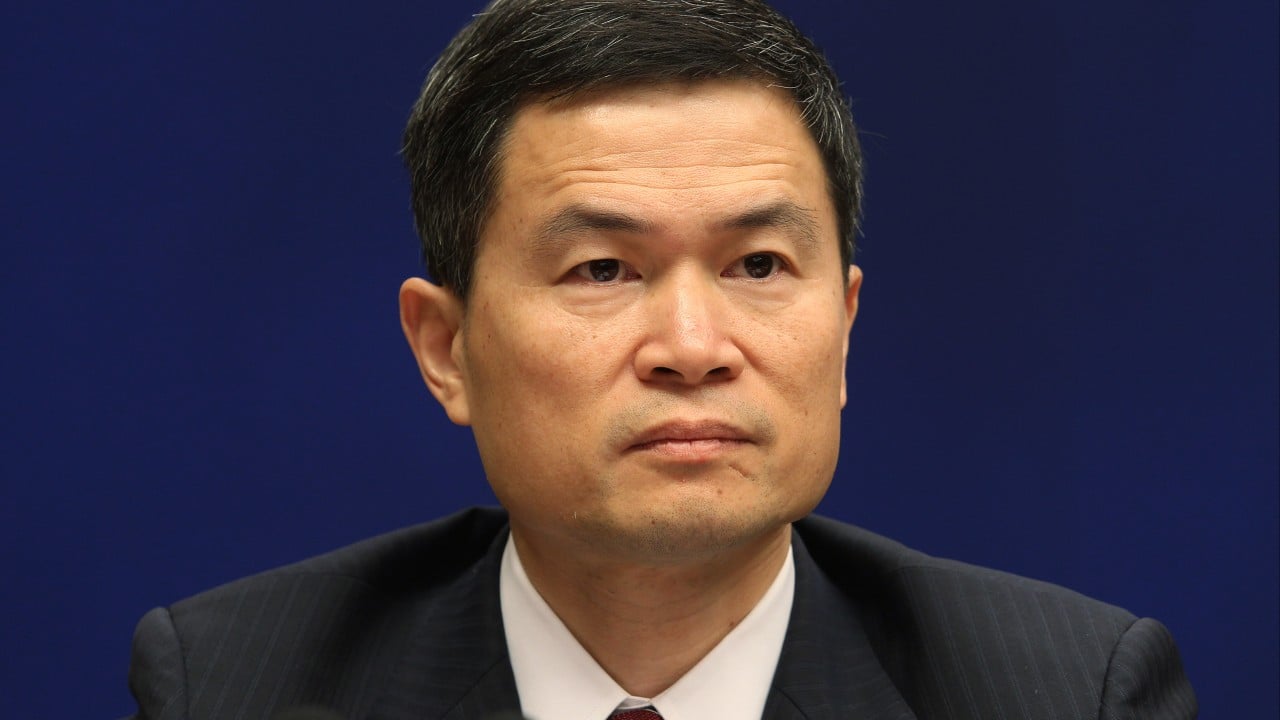
Fang Xinghai, former vice-chairman of China Securities Regulatory Commission, is latest financial official to be probed by anti-corruption body China has placed one of its top former financial regulatory officials under investigation, the nation’s main anti-corruption body announced on Friday. Fang Xinghai, former vice-chairman of the China Securities Regulatory Commission (CSRC), is suspected of “serious legal and disciplinary violations” – a euphemism for corruption and abuse of power – and is currently being investigated, China’s Central Commission for Discipline Inspection (CCDI) said in a statement. The 62-year-old, who held the regulatory position from October 2015 to July 2024, is the latest in a string of senior financial cadres to be targeted by China’s disciplinary authorities. The announcement comes as China strives to stabilise its stock market, with state agencies launching a coordinated effort to buy up stocks to arrest a decline in the market earlier this week. Fang, who graduated with a doctorate in economics from Stanford University, worked as an economist for the World Bank early in his career. He was one of several senior financial cadres who returned to China in the late 1990s.

Chinese GPU maker confidentially files for Hong Kong IPO amid fundraising wave: sources
Markets

Chinese GPU maker confidentially files for Hong Kong IPO amid fundraising wave: sources

Firm’s year-end listing plan underscores China’s chip self-reliance and follows Biren, Iluvatar and Moore Threads in the fundraising rush The Shanghai-based company was targeting an initial public offering (IPO) by the end of this year, according to the sources, who asked not to be identified because the information was confidential. The company did not immediately respond to a request for comment on Friday. The wave has been driven by Beijing’s semiconductor self-reliance initiative amid US export controls.

Hong Kong exchange’s biggest reform in 8 years opens gates to more IPOs
Markets

Hong Kong exchange’s biggest reform in 8 years opens gates to more IPOs

HKEX will allow universal confidential listings and reduce market-capitalisation thresholds for IPOs by start-ups and international firms Stock exchange operator Hong Kong Exchanges and Clearing (HKEX) will allow all listing applications to remain confidential and will reduce market-capitalisation requirements for listings by start-ups and international firms immediately, it announced on Friday. The exchange will also reduce the market-cap requirements for weighted voting right (WVR) companies to HK$20 billion (US$2.6 billion), from HK$40 billion currently. It will also lower the thresholds for a company using the revenue test to HK$6 billion in market capitalisation and HK$600 million in revenue in the most recent financial year, compared with HK$10 billion in market cap and HK$1 billion in revenue now. While some respondents in a consultation process requested lower thresholds, HKEX said most respondents agreed with the chosen reductions, and the proposal in March was in line with the levels in Shanghai and Shenzhen. The exchange received 73 responses during the consultation from March to May.