Markets — 738 insights
Hong Kong insurers ride affluent demand to record sales as longevity and legacy needs grow
Markets

Hong Kong insurers ride affluent demand to record sales as longevity and legacy needs grow

Mainland China and overseas wealth, alongside family offices, is driving insurance demand in the city to new highs The industry wrote HK$141.1 billion (US$18 billion) in new life policies in the first quarter, compared with HK$93.4 billion a year earlier, according to data from the Insurance Authority released on Friday. It marked the third year that first-quarter sales hit a record high since the authority was established in 2016. In December, Manulife’s Hong Kong unit became the first major global insurer to redomicile from Bermuda to the city to capture growing opportunities.
Wall Street funds back China’s WuXi AppTec as weight-loss drug orders soar
Markets

Wall Street funds back China’s WuXi AppTec as weight-loss drug orders soar

Pharmaceutical contractor’s GLP-1 programmes and surging stock gains have made it a magnet for global investors “WuXi Apptec is heavily owned given its high expectations” for the first half, Shu said. JPMorgan Chase remained one of its largest shareholders after raising its stake to 11.39 per cent on July 20, up from 10.98 per cent, according to the Hong Kong stock exchange website. Swiss banking giant UBS Group and BlackRock are also substantial shareholders, which refer to any investor holding an interest of 5 per cent or more in the voting shares of a listed company. UBS bought 255,500 shares at an average price of HK$121.51, lifting its stake to 8.02 per cent on June 11. BlackRock purchased 1.52 million shares at an average price of HK$153, increasing its stake to 5.21 per cent on May 14. WuXi AppTec was expected to release its half-year earnings results on August 3, according to the company. Its Hong Kong-traded stock jumped about 37 per cent over the period, bucking the broad decline in the Hang Seng Index.

Securities watchdog to channel more medium- and long-term capital into China markets
Markets

Securities watchdog to channel more medium- and long-term capital into China markets

Following sharp sell-off, China Securities Regulatory Commission announces raft of measures aimed at maintaining smooth market operations At a meeting on Thursday, the China Securities Regulatory Commission announced a raft of measures aimed at maintaining smooth market operations and reinforcing the capital market’s resilience. The regulator said it would “more precisely and effectively implement counter-cycle adjustments”, pushing to steadily increase the scale and proportion of medium- and long-term capital entering the equity market. “We must strengthen policy reserves to deal with global market volatility and cross-border risk transmission, building a solid breakwater and sea wall to guard against external risk shocks,” the CSRC said in a statement issued after the meeting. The regulatory push comes on the heels of a sharp sell-off earlier in the month. State-owned conglomerates including investment holding companies China Reform Holdings and China Chengtong Holdings Group recently deployed tens of billions of yuan to purchase A-shares, helping to put a floor under the market slide.

Rare 6-month office flip suggests Hong Kong’s prime market is stabilising
Markets

Rare 6-month office flip suggests Hong Kong’s prime market is stabilising

Such moves could soon become more common, analysts say, with buyers hunting for discounted prime office space as market sentiment improves A buyer who bought an office in a top-tier location in Hong Kong has sold it for an apparent 19 per cent gain just over six months later, a rare transaction that suggests improving conditions in the city’s prime office market are beginning to reshape investment decisions. The 5,400 sq ft office on the 37th floor of Far East Finance Centre in Admiralty changed hands for HK$108 million (US$13.8 million), or about HK$20,000 per square foot, in early July, according to market sources. The same space had been acquired for HK$90.72 million via a company in December, Land Registry records show. Sources said the owner was a mainland consortium that had intended to use the property for its own operations, but instead opted to sell after transaction activity accelerated and prices in the city’s core business districts began to recover. The buyer – a long-established local family – acquired the office as a long-term investment, attracted by its location and unobstructed harbour views, the sources added.

Path opened for Malaysian firms to pursue secondary share listings in Hong Kong
Markets

Path opened for Malaysian firms to pursue secondary share listings in Hong Kong

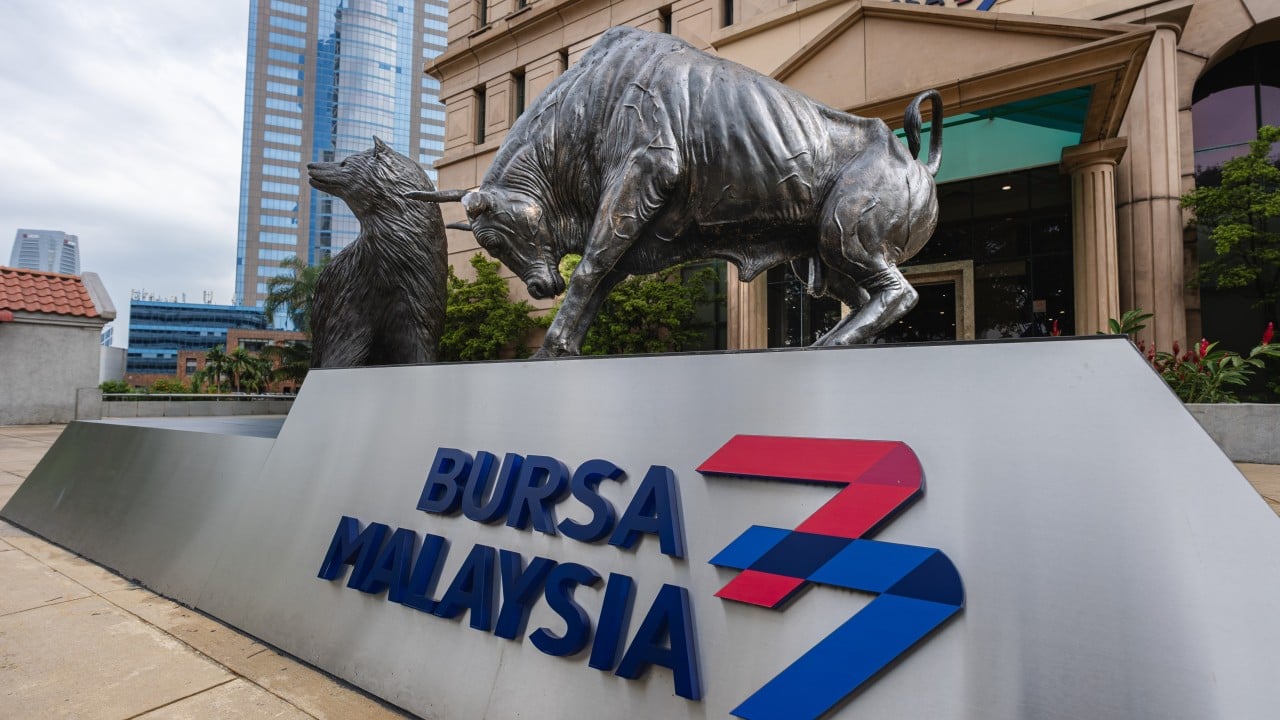
Malaysia’s Capital A Berhad, which runs travel app AirAsia Move and food brand Santan, is eyeing a dual listing in the city, government says Hong Kong is reaping rewards from a charm offensive with Malaysia as it works to enhance its attractiveness to global fundraising activities, with deals reached on Thursday during a visit to the Southeast Asian country by the city’s financial services secretary. Bursa Malaysia will become the 21st stock exchange recognised by the city’s bourse operator Hong Kong Exchanges and Clearing (HKEX), clearing the way for Malaysia-listed companies to pursue secondary listings in Hong Kong, according to separate statements from the government and HKEX. Malaysia’s bourse will be the fourth recognised in Asia, after the stock exchanges of Indonesia, Singapore and Thailand. “HKEX has streamlined the listing requirements for overseas issuers, introduced a set of core shareholder protection standards for all issuers and issued additional guidance to assist overseas companies seeking to list in Hong Kong,” said Secretary for Financial Services and the Treasury Christopher Hui Ching-yu.

HSBC summit turns future trends into wealth strategies
Markets

HSBC summit turns future trends into wealth strategies

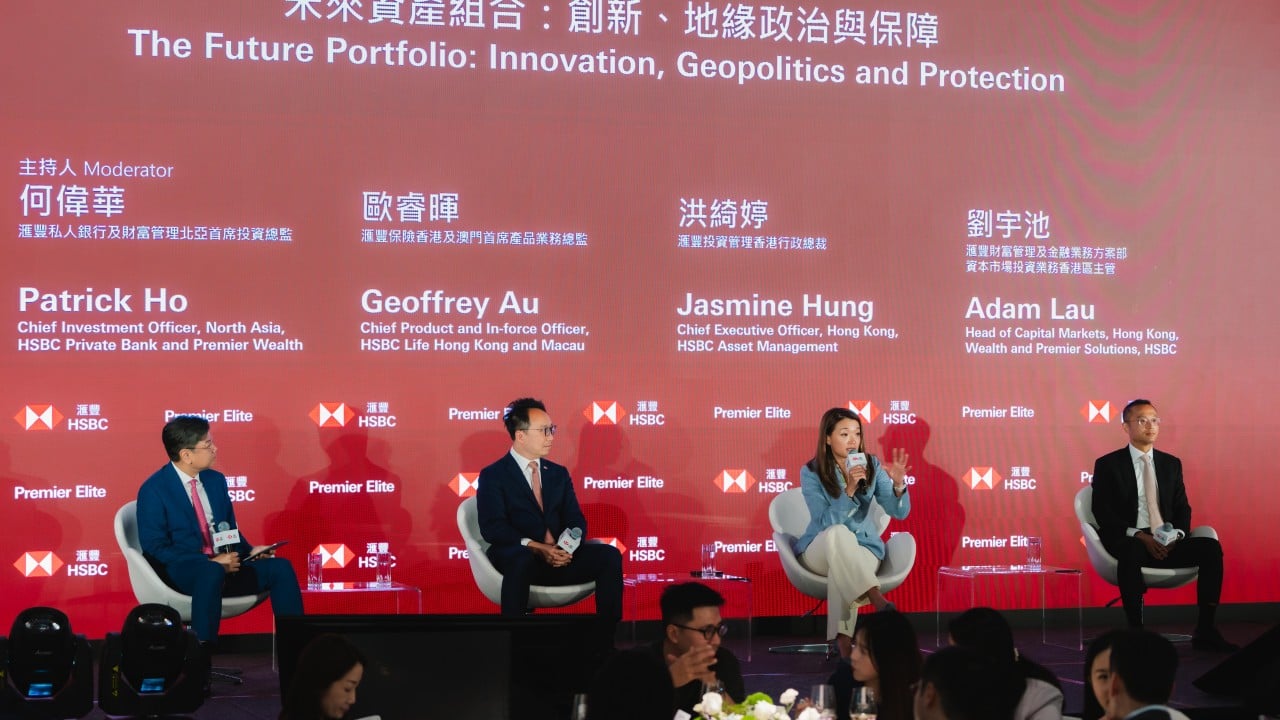
Premier Elite customers gain access to wealth solutions spanning unit trusts, structured products, bonds, securities, ETFs, and margin trading [The content of this article has been produced by our advertising partner.] As AI breaks out of chatbots and into what is now called Physical AI, investors need to rethink how portfolios should be built, protected and put to work. Growth opportunities are being created across tech, mobility, consumer electronics and connected living, while market volatility, geopolitical risk and changing rate expectations continue to test investment decisions. It is against this growing complexity and convergence of technology, markets and investor needs that HSBC sees a need for a comprehensive range of solutions that can help affluent clients capture long-term opportunities, without becoming overexposed to a single sector, market or theme. HSBC Premier Elite customers can use a range of investment vehicles and tools, including unit trusts and structured products to bonds, securities, margin trading and ETFs, to diversify, generate income, manage volatility and respond to potential market opportunities across different risk-return profiles.

Zhongji sets highest subscription threshold in Hong Kong IPO history
Markets

Zhongji sets highest subscription threshold in Hong Kong IPO history

Zhongji sets an IPO city record for minimum lot price, which may price out retail investors though institutional demand remains strong Priced at a maximum of HK$1,010 per share and requiring 50 shares per board lot, the minimum threshold is HK$51,009.29 (US$6505.49), making it the most expensive initial public offering entry threshold in Hong Kong’s history. The company began its Hong Kong public offering on Wednesday, offering 54.5 million H-shares globally, with 10 per cent allocated to retail investors. As the city’s largest IPO since 2019, Zhongji had successfully attracted substantial institutional interest, with its international placing already oversubscribed, according to sources. High entry thresholds are also seen in nearby markets. In Taiwan, Hon. Precision, an integrated circuit test handler solutions provider, set a record in December with an issue price of NT$1,495, requiring NT$1.495 million per lot.

AI trade keeps capital – and risks – flowing to emerging markets
Markets

AI trade keeps capital – and risks – flowing to emerging markets

For the most dramatic change in a benchmark index in financial markets in recent years, look no further than the stock markets of developing economies. Just over a year ago, mainland China and India had a combined weight of 50 per cent in the MSCI Emerging Markets Index. Fast forward to today, and it is South Korea and Taiwan that account for over half of the gauge. At the end of last month, the weight of South Korea in the index stood at nearly 24 per cent, four percentage points more than that...

Alibaba unit says 5-in-1 AI gives robots unified brain, body and limbs
Markets

Alibaba unit says 5-in-1 AI gives robots unified brain, body and limbs

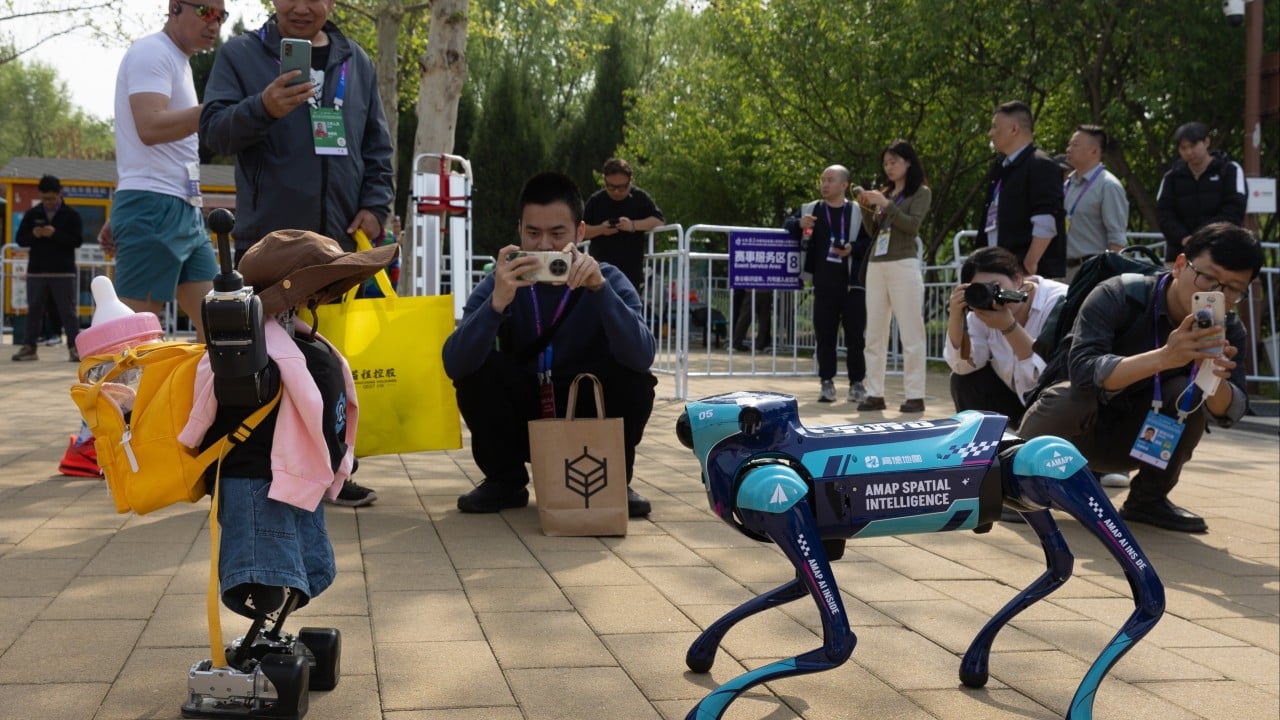
ABot framework addresses industry’s lack of a complete, self-evolving system to improve robot capabilities, according to Amap Alibaba Group Holding’s mapping unit has unveiled an upgrade to what it calls the world’s first technology framework that unites a robot’s “feet, hands, brains, central nerves and motor nerves” into a single system. With five new specialised foundation AI models working together, ABot aimed to address a systemic problem in the industry, according to Amap: the lack of a complete, self-evolving system. “The industry has long focused on breakthroughs in single models – better navigation models, more powerful operation models and smarter reasoning models – but these models operate independently without shared data and experience,” it said in a social media post on Wednesday. With its five models – ABot-N1, ABot-M0.5, ABot-ER, ABot-AgentOS, and ABot-C0 – working in concert, the Amap system sought to shatter those silos, according to the firm.

Chinese funds cut Hong Kong stock holdings to 2-year low despite strong southbound flow
Markets

Chinese funds cut Hong Kong stock holdings to 2-year low despite strong southbound flow

Chinese mutual funds shifted focus amid market volatility, cutting their share of Hong Kong stocks to 23.3 per cent in the second quarter Chinese mutual funds have reduced their Hong Kong stock holdings via the southbound Stock Connect to a more than two-year low in the second quarter, despite a lot of money moving southward over the same period. The share of Hong Kong stocks in their portfolios fell to 23.3 per cent in the second quarter of this year, which was lower than the 23.9 per cent posted two years earlier, according to a report published by investment bank China International Capital Corporation on Thursday. It also marked a sharp fall from 34.7 per cent in the first quarter. The investment bank revealed its findings by tracking 5,163 mainland mutual funds, which collectively managed 4.4 trillion yuan (US$649.98 billion) in assets. It did not include investments by Qualified Domestic Institutional Investor (QDII) funds. Mainland mutual funds held Hong Kong-listed shares worth 649.1 billion yuan by the end of June, down about 23 per cent from three months earlier.

China’s star fund manager dumps long-held consumer bets in pivot to AI trade
Markets

China’s star fund manager dumps long-held consumer bets in pivot to AI trade

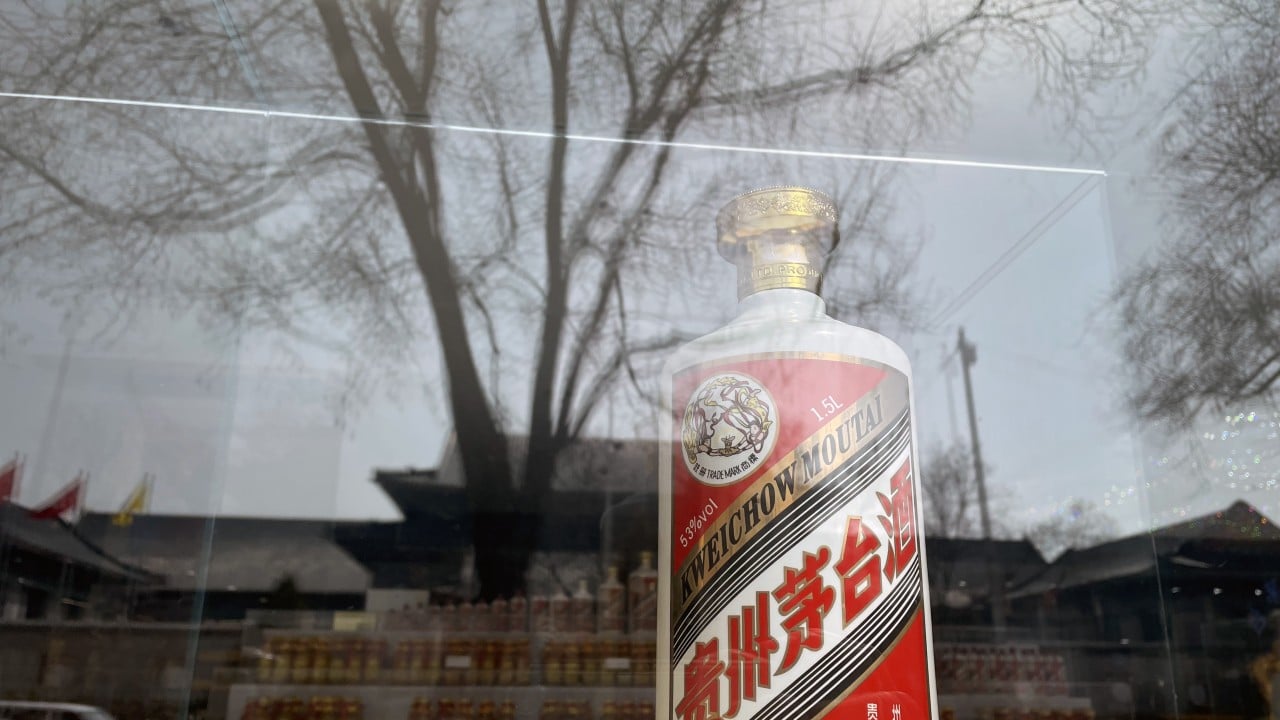
Zhang Kun cuts US$3.1 billion fund’s holdings in baijiu and e-commerce as ‘downside pressure on the economy has exceeded expectations’ “Judging from the data on retail sales and employment, the downside pressure on the economy has exceeded expectations,” Zhang said in his fund’s report this week. “Households are turning more cautious about future expectations. Excessive household savings have kept rising to cope with the uncertainty arising from employment.” In the April-to-June period, Zhang cut holdings of Kweichow Moutai to 968,500 shares, a decrease of 47 per cent from the preceding three-month period, while paring positions in Wuliangye by 71 per cent to 7.53 million shares and in Luzhou Laojiao by 52 per cent to 12.18 million shares, according to the report. Zhang held 5.78 million Hong Kong-traded shares in Alibaba as of the end of June, compared with 23.5 million in the first quarter.

Asia’s affluent families rethink legacy planning as complexity shifts focus to execution
Markets

Asia’s affluent families rethink legacy planning as complexity shifts focus to execution

Ensuring intentions will be carried out, not just documented, is becoming the new priority in an era of increasingly complex wealth transfer [The content of this article has been produced by our advertising partner.] Over the next 20 to 30 years, Asia is expected to experience significant intergenerational wealth transfers, with substantial assets changing hands. For the families involved, the scale is unprecedented – as is the level of complexity. Modern portfolios often extend beyond listed equities and fixed incomes, spanning private businesses, alternative assets and global real estate holdings in multiple jurisdictions and currencies. Managing this breadth of assets now requires far more than careful allocation. It demands structures that can withstand time, uncertainty and change. As a result, many affluent families are confronting a more fundamental question – one that goes beyond wealth accumulation and preservation: will their plans ultimately be carried out as intended? Traditionally, legacy planning has focused on defining outcomes – clarifying “who gets what” under specified conditions.