Innovation — 261 insights
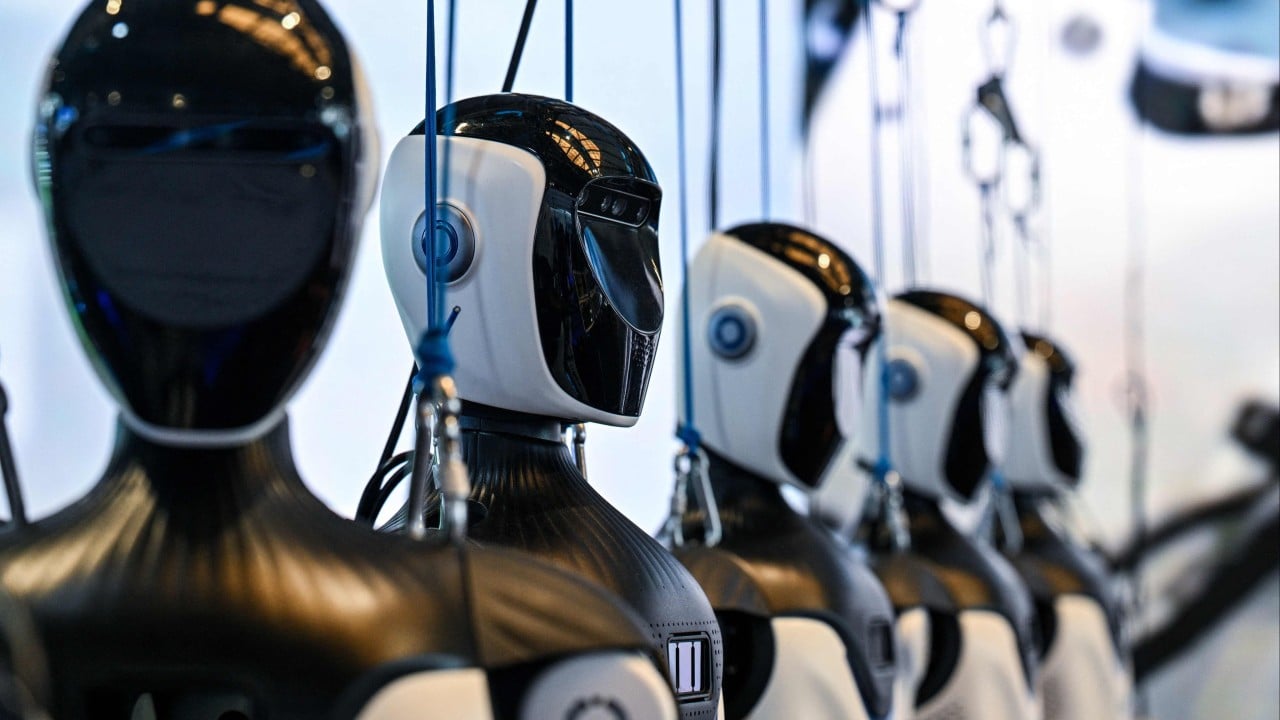
Chinese robot maker AgiBot pursues Hong Kong IPO, hiring 3 sponsors: sources
Innovation

Chinese robot maker AgiBot pursues Hong Kong IPO, hiring 3 sponsors: sources

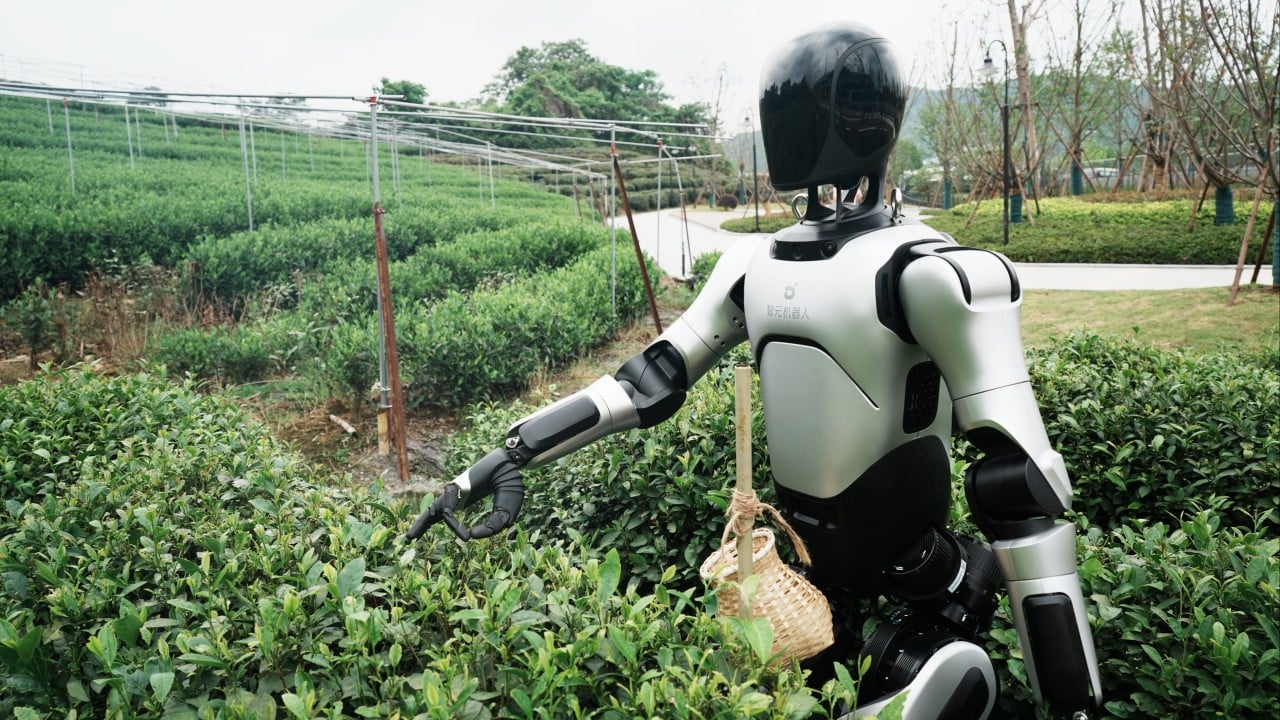
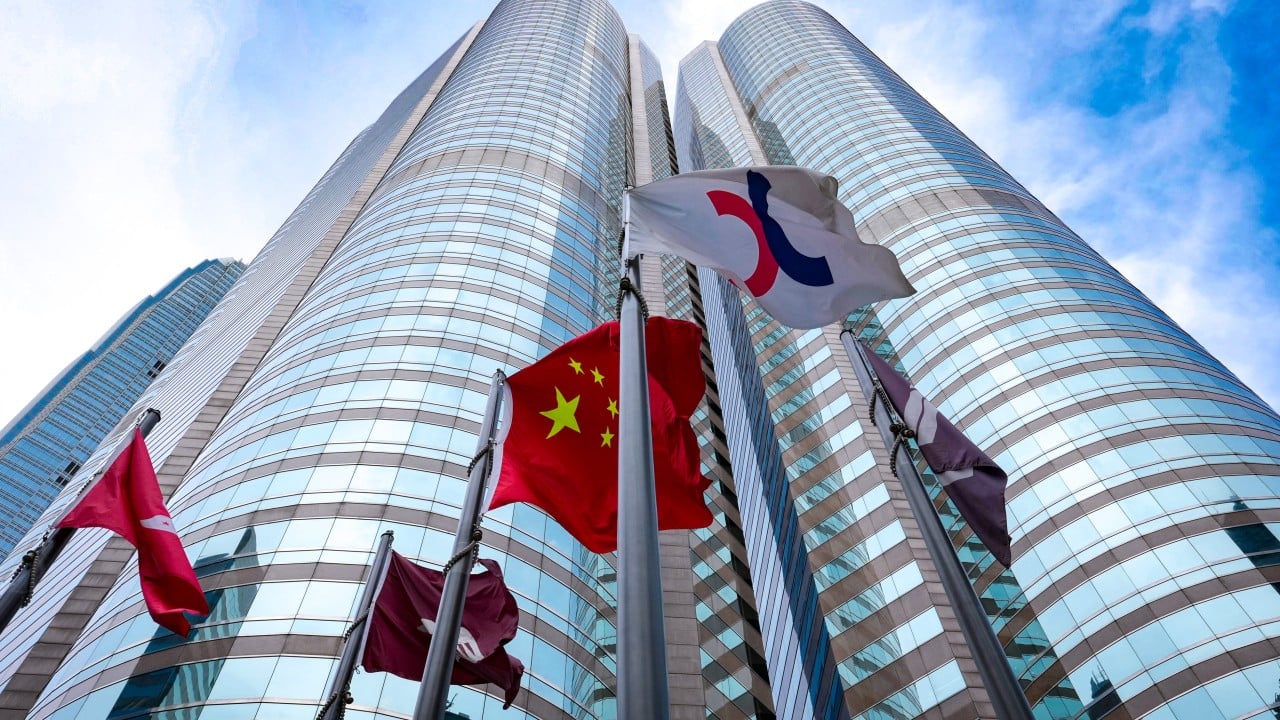
Leading robot maker plans a Hong Kong IPO with Citic, CICC, and Morgan Stanley as sponsors Additionally, China International Capital Corporation (CICC) and Morgan Stanley have also been tapped as joint sponsors, one of the people said. AgiBot, Citic, CICC and Morgan Stanley did not immediately respond for comment on Wednesday. AgiBot had been eyeing a Hong Kong listing this year, targeting a valuation of HK$40 billion (US$5.10 billion) to HK$50 billion, Reuters reported in 2025. Innolight’s IPO, potentially the city’s biggest listing in seven years, attracted more than 30 cornerstone investors and aimed to raise US$8 billion, followed by a debut on July 30, the South China Morning Post reported on Tuesday.
Kimi K3 developer Moonshot AI expedites fundraising ahead of planned IPO, source says
Innovation

Kimi K3 developer Moonshot AI expedites fundraising ahead of planned IPO, source says

Per a source, the company closes fundraising round at US$30 billion valuation, as it signals it may go public in next six months The Beijing-based company was set to close its current funding round at a US$30 billion valuation later this month or early next month, according to a person familiar with the matter. It planned to launch a subsequent round as early as August, the person added. The start-up was targeting a valuation of up to US$50 billion, in what was expected to be its final private raise before listing, Bloomberg reported on Wednesday. Moonshot did not immediately respond to a request for comment on Wednesday. The breakneck pace of fundraising underscores the relentless momentum in China’s AI sector.

Heat, hardware and high stakes at China’s World Artificial Intelligence Conference
Innovation

Heat, hardware and high stakes at China’s World Artificial Intelligence Conference

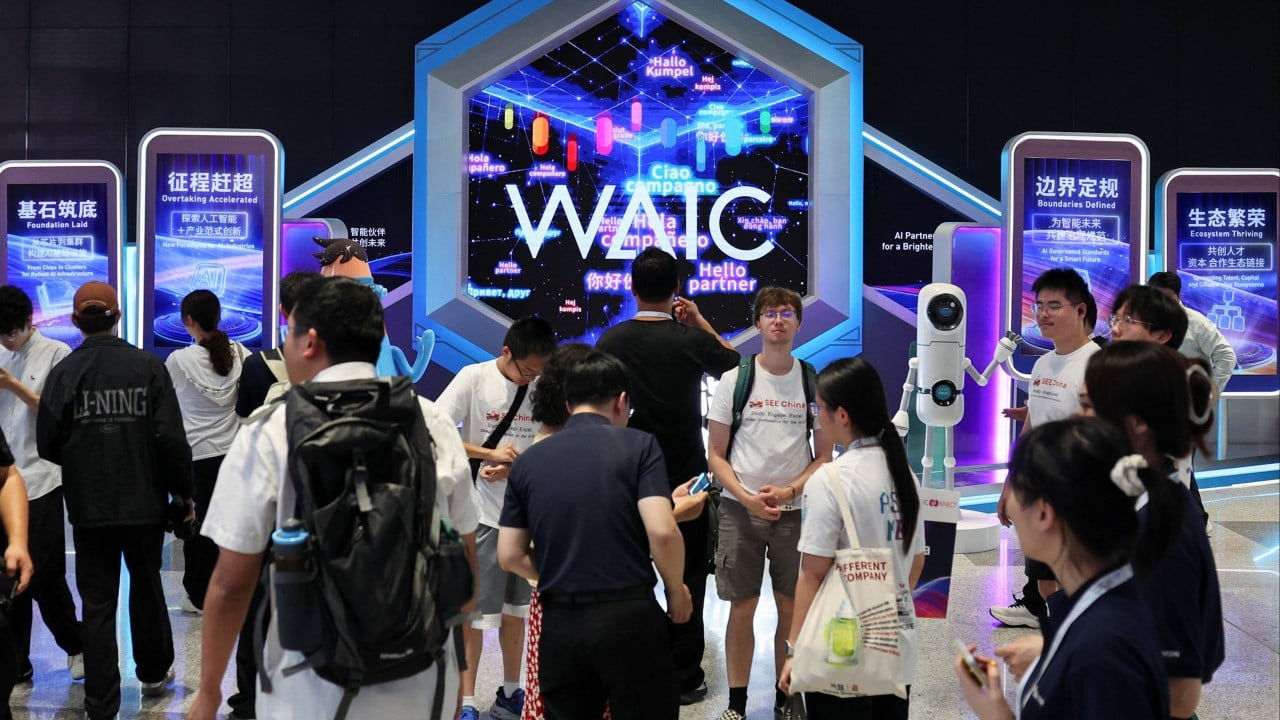
SCMP’s Ann Cao just finished covering her sixth WAIC in Shanghai, and is looking forward to the next one Traffic almost came to a standstill 2km (1.2 miles) from the Shanghai Expo Centre on Friday, the first day of the World Artificial Intelligence Conference (WAIC). With temperatures nearing 40 degrees Celsius (104 degrees Fahrenheit), scores of attendees abandoned their taxis to walk the rest of the way under the hot sun. This year’s conference mirrored the weather: it was the hottest, most crowded WAIC in my six years covering the event and, I was told, the most vibrant since its inception in 2018. Xi’s presence and endorsement, along with the global frenzy around agentic AI, also pushed attendee enthusiasm to an unprecedented level, something especially evident at the World Expo Exhibition and Convention Centre, an exhibition hall a few hundred metres from the main conference venue. Tickets officially priced at 168 yuan (US$24.82) were scalped for upwards of 1,000 yuan, snapped up not just by industry insiders who wanted to learn about the latest AI trends, but also by parents eager to paint a tech-forward future for their children and young graduates looking to secure jobs in the booming industry.

China’s Kimi K3 fuels fears safety curbs are holding back US AI
Innovation

China’s Kimi K3 fuels fears safety curbs are holding back US AI

New model from Moonshot AI is ‘extremely close’ to OpenAI’s flagship after ‘very big jump’ in capabilities, researcher says Aikido said it tested leading AI models against 26 known vulnerabilities to evaluate bug-detection rates and cost-efficiency. Kimi K3 discovered 23 of the vulnerabilities, matching the performance of OpenAI’s mid-tier GPT-5.6 Terra, while running at a fourth of the cost of the flagship Sol model. Because the test was private and used recently discovered vulnerabilities, Kimi K3 “was not able to train on them”, Aikido researcher Philippe Dourassov said on social media. “The performances reflect a very big jump in Kimi models’ capabilities ... Open-source models are no longer behind.”

Landmark insurance policy clears Shenzhen’s flying vehicle for Hong Kong lift-off
Innovation

Landmark insurance policy clears Shenzhen’s flying vehicle for Hong Kong lift-off

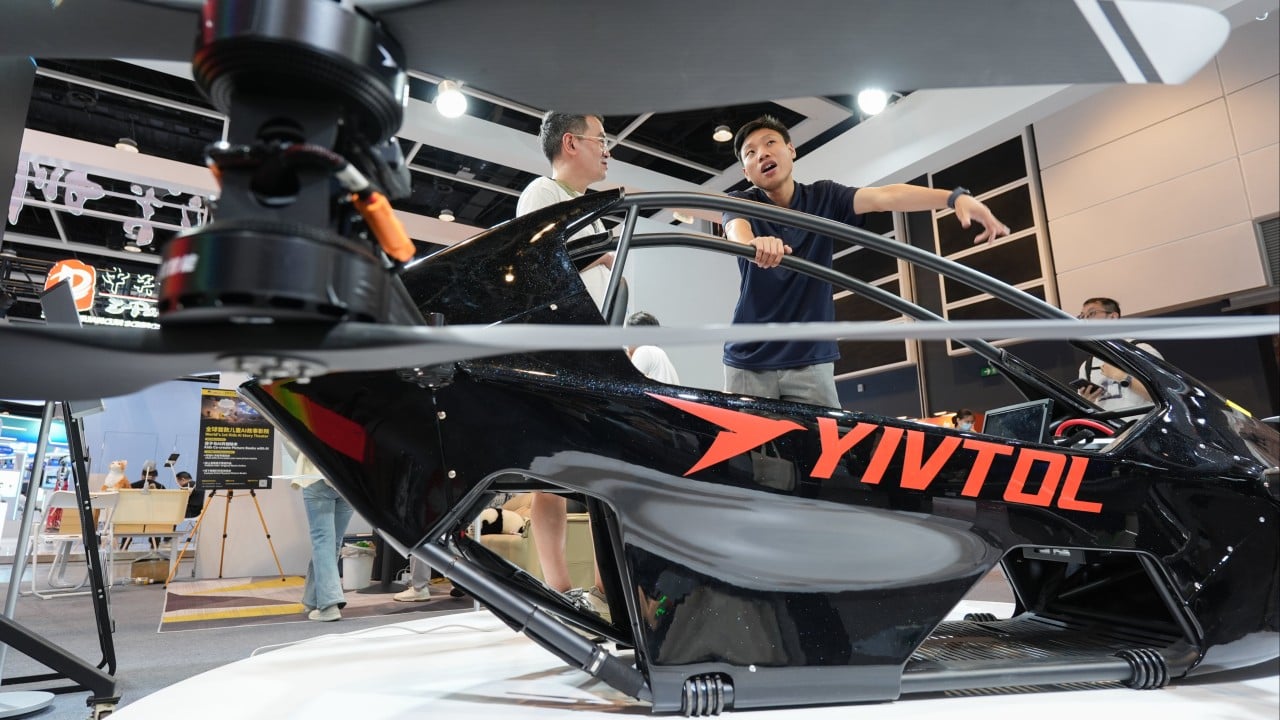
Shenzhen’s eVTOL aircraft secures cross-border insurance for Hong Kong flights, boosting the Greater Bay Area’s low-altitude economy A groundbreaking cross-border insurance policy covering a piloted aircraft has cleared a key regulatory obstacle, allowing the Shenzhen vehicle to take to the sky in Hong Kong. Under Hong Kong’s aviation regulations, an aircraft must carry compliant aviation insurance before it can take off or land in the city. For many mainland developers, obtaining locally recognised coverage has become a prerequisite for entering the Hong Kong market. The new insurance policy allows Yivtol’s S-Zero aircraft, a one-seater with a maximum payload of 90kg, to fly for no more than 50 minutes at a top speed of 75km/h, according to Monday’s statement, which contained a screenshot of the policy.

Alibaba vows to appeal US$629m EU fine for breaches of Digital Services Act
Innovation

Alibaba vows to appeal US$629m EU fine for breaches of Digital Services Act

The e-commerce firm described the fine as ‘disproportionate’ and said it did not reflect ‘significant, proactive enhancements’ it undertook “We are surprised by the EU decision and disproportionate fine and we disagree,” the firm said in a statement to the South China Morning Post. The e-commerce firm vowed to appeal the decision, describing the fine as “disproportionate” and said it did not reflect the “significant, proactive enhancements” it had committed to undertake. Alibaba had made “many improvements and voluntary commitments” to meet the evolving expectations under the DSA, according to the AliExpress statement. Earlier Monday, the European Commission said in a statement that AliExpress had failed to “diligently assess risks” and “mitigate identified systemic risks” when it came to illegal, unsafe and counterfeit products spreading on its platform. The platform also overestimated how effective its systems were at detecting and removing illegal goods and did not employ enough moderators for the workload, the Commission said.

No longer token economy? SenseTime bets on ‘task economy’ as token prices set to drop
Innovation

No longer token economy? SenseTime bets on ‘task economy’ as token prices set to drop

AI’s true commercial value will shift towards a ‘task economy’ where users pay for completed, complex tasks, says Xu Li. The commercialisation of artificial intelligence is poised to transition from a “token economy” to a “task economy” as token prices decline in the coming years, according to Chinese AI company SenseTime. “The pricing of tokens will inevitably drop, much like the cost of telecoms data did two decades ago,” SenseTime CEO Xu Li said in an interview with the South China Morning Post. After foundational models and computing power become basic infrastructure, the true commercial value will shift towards a “task economy” where users pay for completed, complex tasks like reviewing architectural blueprints or generating product videos, rather than raw computing usage, Xu said on the sidelines of the World AI Conference (WAIC) in Shanghai on Saturday. His comments come as major AI companies in China are banking on the so-called token economy, as enterprises increasingly adopt AI to boost productivity and automate business operations. China’s daily AI token consumption surged more than 1,000-fold in the past two years, according to official data.

Moonshot AI pushes China closer to US in frontier tech
Innovation

Moonshot AI pushes China closer to US in frontier tech

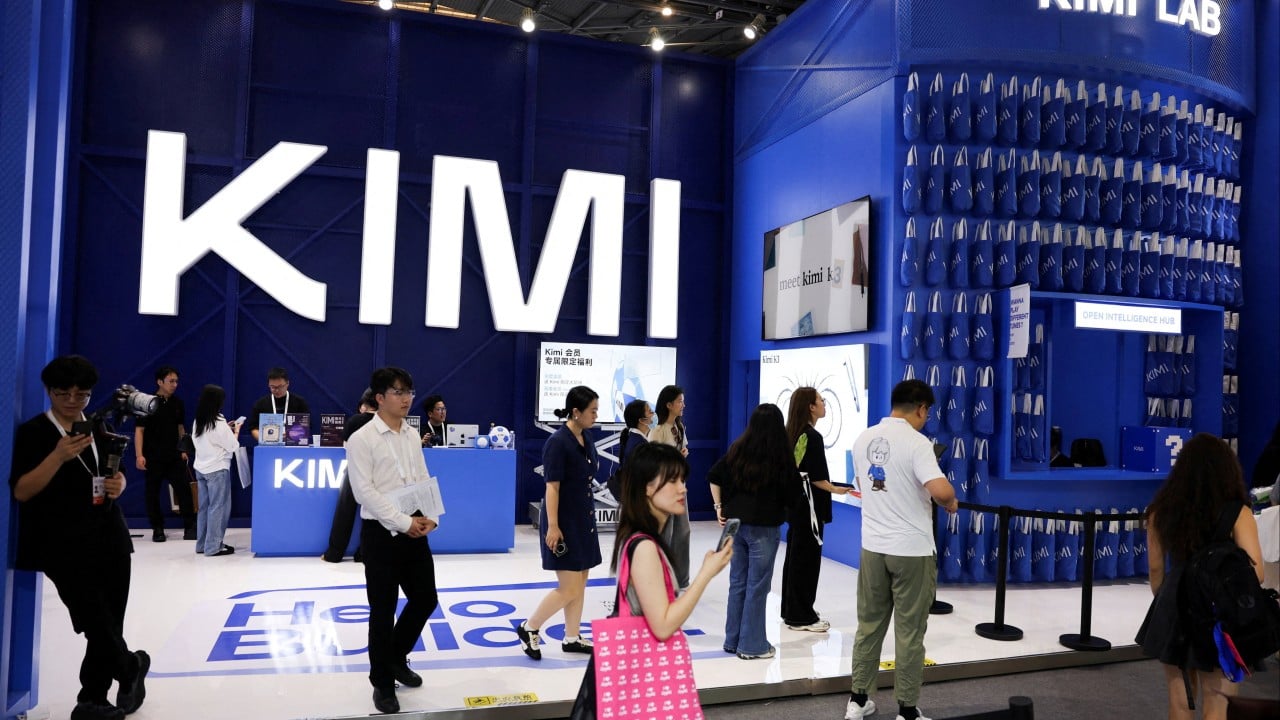
Moonshot AI halted new subscriptions for Kimi K3 after a flood of interest, underscoring how the model’s release last week has upended global assessments of China’s artificial intelligence (AI) capabilities. “Over the past 48 hours, demand has pushed close to the limits of our current capacity,” Beijing-based Moonshot AI said in a statement posted on X on Sunday. The company’s computer chips “are feeling it.” Moonshot last week unveiled Kimi K3, an open-weight AI model that the company says...

Kimi K3 developer suspends new subscriptions amid compute constraints
Innovation

Kimi K3 developer suspends new subscriptions amid compute constraints

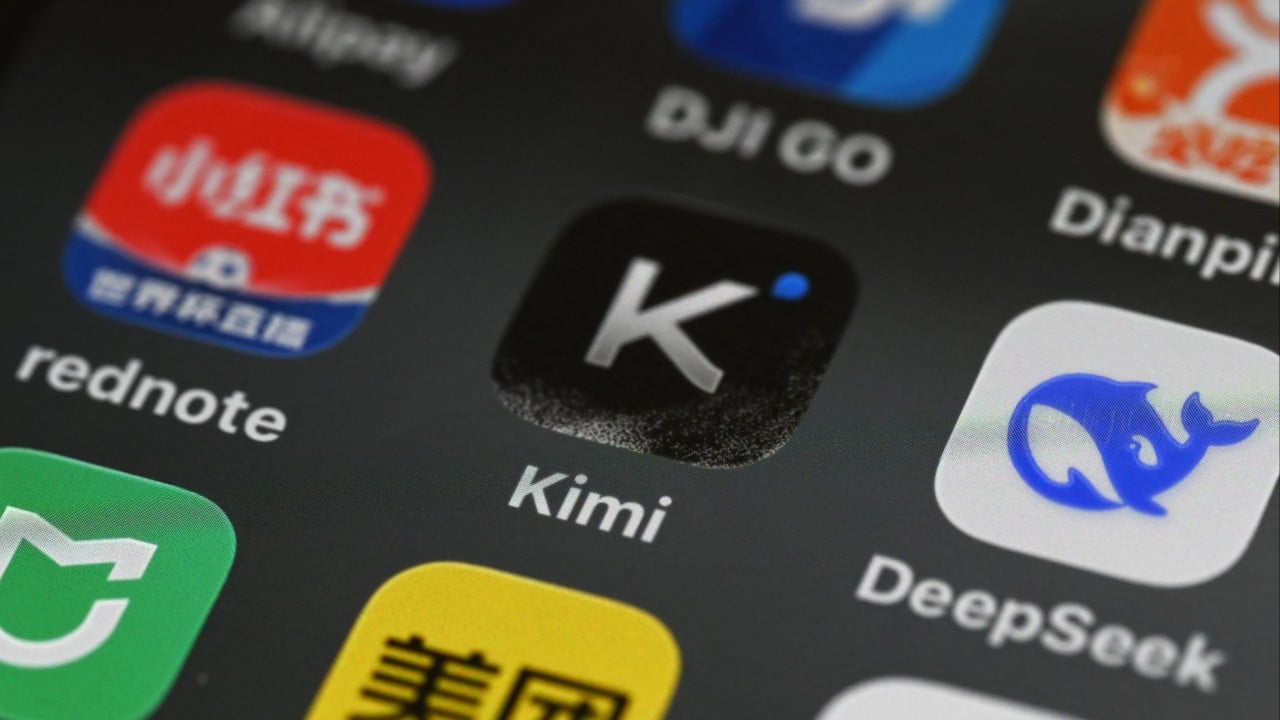
Chinese start-up pauses Kimi K3 subscriptions due to surging demand and compute shortages, highlighting the country’s AI chip challenges Chinese start-up Moonshot AI has suspended new subscriptions for its groundbreaking new model Kimi K3 as surging demand squeezes its computing power, underscoring the challenges Chinese AI labs face in serving their products to global users. “Over the past 48 hours, demand has pushed close to the limits of our current capacity,” Beijing-based Moonshot AI said in a statement posted on X on Sunday. “Our GPUs [graphics processing units] are feeling it.” It had “temporarily paused new subscriptions”, adding that existing subscribers were not affected. “We’re adding capacity as fast as we can and will reopen new subscription spots in batches,” said the company. Moonshot is currently serving the massive K3 model through a cloud application programming interface, and plans to release the model’s weights by July 27, which would make it the world’s largest open-weight frontier model so far. Chinese AI labs continue to face computing power shortages as the country’s chip industry strives to catch up under US export control measures, which have restricted access to advanced chips and chipmaking equipment.

Amazon Web Services bets on ‘one-person unicorns’ with new accelerator for Chinese founders
Innovation

Amazon Web Services bets on ‘one-person unicorns’ with new accelerator for Chinese founders

AWS launches 'From Idea to Frontier' programme offering up to US$100,000 in AWS credits, mentorship and a shot at the re:Invent stage in Las Vegas Scheme targets Chinese solo founders and indie developers as AI slashes the time and headcount needed to build a global company [The content of this article has been produced by our advertising partner.] The top five teams will be showcased at AWS re:Invent, the cloud giant's annual conference in Las Vegas, which runs from November 30 to December 4 this year and draws tens of thousands of developers and technology executives. "In the AI era, startups don't have years — they have six to 12 months to win," the company said in its programme materials, adding that AI tools and cloud infrastructure could compress the timeline for shipping a minimum viable product "from three years down to three months". The initiative reflects a broader shift in China's startup landscape. According to a 2026 industry white paper on one-person companies cited in AWS promotional materials, the mainland is now home to some 16 million such firms, accounting for 27.4 per cent of all enterprises — roughly one in every three newly registered businesses.

Changzhou says it is building China’s first city-level clean-power AI token factory
Innovation

Changzhou says it is building China’s first city-level clean-power AI token factory

Project is expected to churn out 60 trillion tokens a year, driving the country’s AI clean-power ambitions forward The city in the eastern Jiangsu province did not provide a timeline for completion of the initiative. The facility would connect directly to renewable energy plants under a national policy that allowed green power to bypass public grids, the statement said. The design aims to optimise power usage, with token output expected to rise 62.5 per cent using the same computing power resources, significantly enhancing token supply efficiency and economic viability. The agreement, signed on Saturday, involves seven parties including Alibaba Cloud and Wangsu Science and Technology, a provider of information infrastructure platform services. Alibaba Cloud is the cloud computing unit of Alibaba Group Holding, which owns the South China Morning Post.

Chinese chip start-up Biren bets on light-based ‘supernodes’ to match Nvidia
Innovation

Chinese chip start-up Biren bets on light-based ‘supernodes’ to match Nvidia

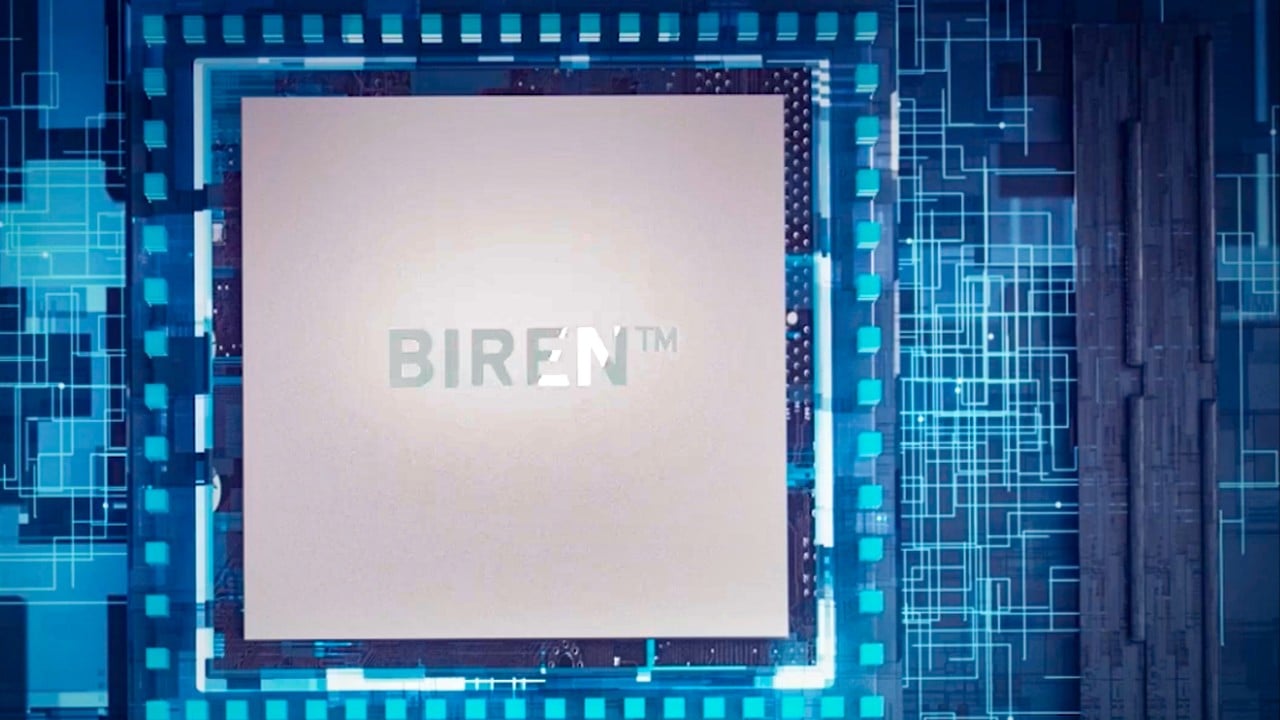
The firm uses near-packaged optics to bypass traditional architecture limits and scale more than 1,000 processor cards across a cluster Chinese semiconductor design firm Biren Technology has unveiled its next-generation “supernode” solutions – systems designed to link thousands of AI chips across a single cluster – by using optical data transmission to bypass current hardware limits. The launch underscores how these highly connected server systems have become one of the latest battlegrounds for AI infrastructure companies. The industry is currently racing to scale up raw computing power as artificial intelligence models advance to trillions of parameters and AI agent applications gain widespread adoption. To break through that ceiling, Biren is betting on a distributed, decoupled supernode architecture and near-packaged optics (NPO), which integrates optical fibres closer to chips to boost data speeds. The layout could allow Biren to scale up to 1,024 cards across a cluster. “Optical interconnect has become an inevitable choice to break through this bottleneck,” Ding said. Shanghai-based Biren is only the latest domestic player to announce progress in addressing infrastructure limitations.