Industry — 781 insights
German intelligence report warns of rising Chinese, Russian spy threat
Industry

German intelligence report warns of rising Chinese, Russian spy threat

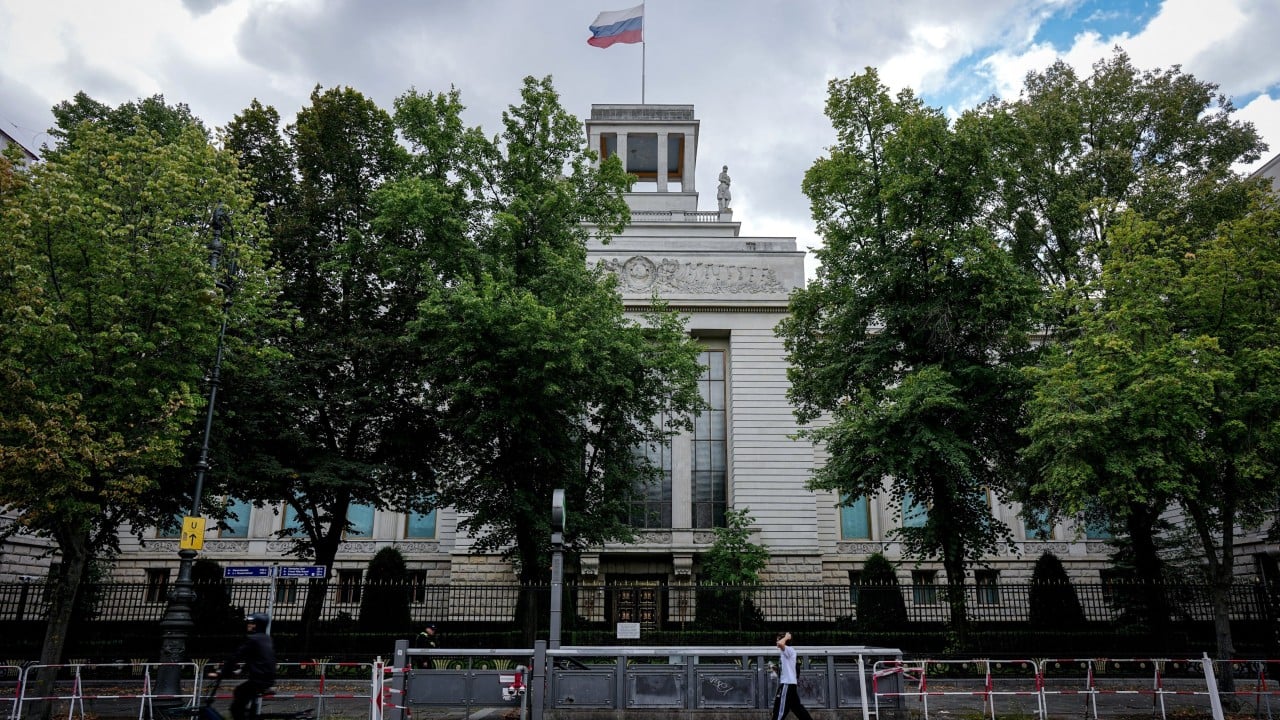
A report by Germany’s counter-intelligence agency said some surveillance activities targeting military infrastructure can be linked to China Germany’s military counter-intelligence agency, known as MAD, has warned of a growing threat from hybrid attacks and the use of recruited contract agents, or low-level agents, saying Germany is a “prioritised target of Russian espionage activities”. According to the agency’s annual report released on Monday, it cited Germany’s geostrategic position in Europe and Nato the expansion of the Bundeswehr and the introduction of new weapons systems as reasons for the heightened targeting. “The hybrid threat situation in Germany has continued to deteriorate,” MAD says. These include cyberattacks, drone attacks, attempts at political influence, and disruptive attacks targeting transport, energy facilities and telecommunications. MAD said the potential threat of sabotage by low-level agents has also increased significantly. The report does not provide comparative figures, which could lead adversaries to draw conclusions from the data.
Trump condemns ‘sick conspiracy’ against AI, says he is only guardrail needed
Industry

Trump condemns ‘sick conspiracy’ against AI, says he is only guardrail needed

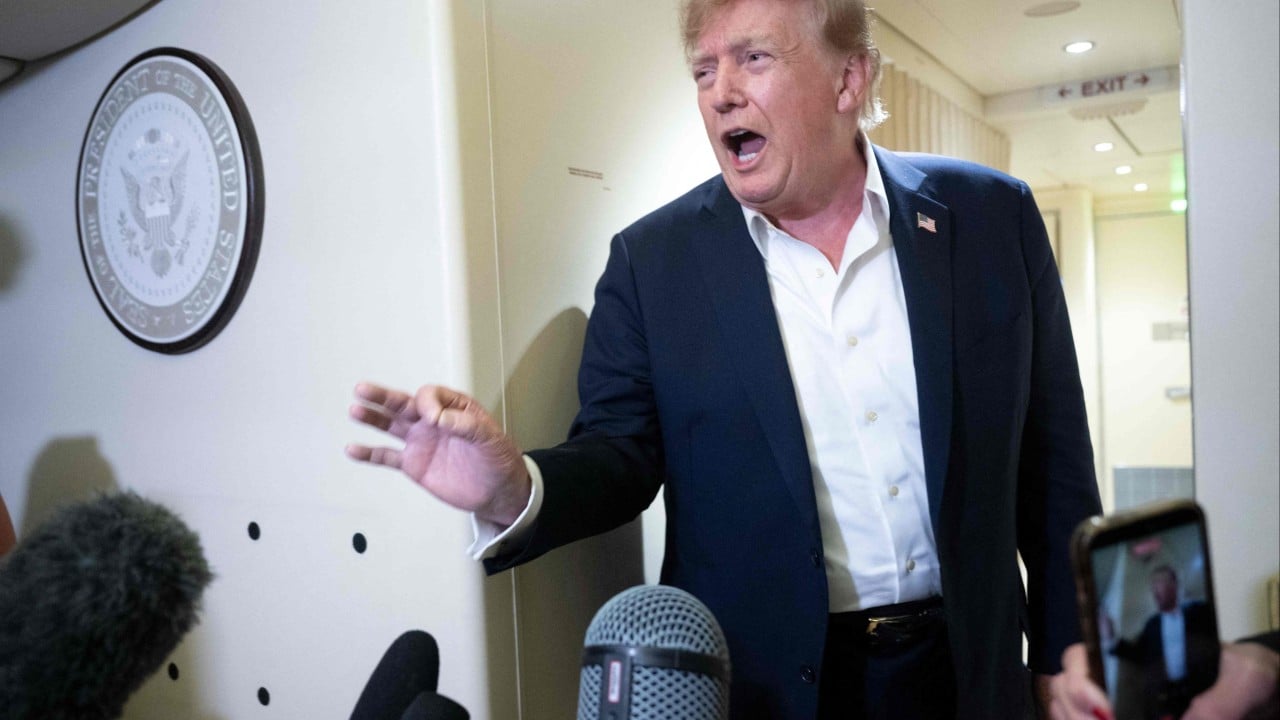
US president criticises industry leaders’ calls for slowdown in development, as it only benefits China in battle for global tech dominance “The only control or ‘guardrails’ ‌that AI needs is a STRONG AND SMART (High IQ!) PRESIDENT, and the U.S.A. has that, in spades!” Trump wrote on social media. “We already have tremendous CRIMINAL and REGULATORY power over these ⁠companies! There is a SICK conspiracy going on against AI and Data ‌Centers, and the only one that is happy about it is China.” In recent months, the US president has accused China of amplifying anti-AI and anti-data centre rhetoric, a sentiment he appeared to echo in Monday’s post.

Brics leaders act to hedge – not revolt – against US dollar dominance
Industry

Brics leaders act to hedge – not revolt – against US dollar dominance

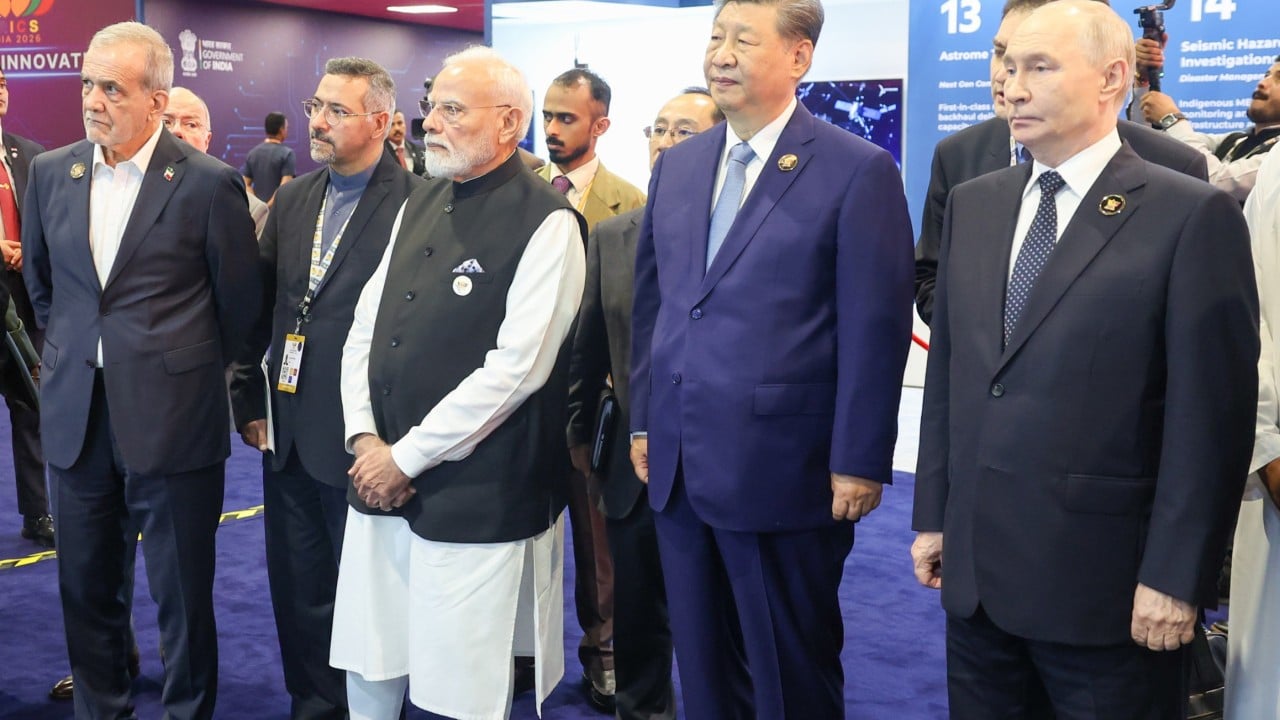
The family photograph did the political work the summit’s final declaration could not. Chinese President Xi Jinping, Russian leader Vladimir Putin, Iranian President Masoud Pezeshkian and Indian Prime Minister Narendra Modi stood shoulder to shoulder as the Brics summit closed in New Delhi on Sunday – a single frame capturing an 11-nation bloc that now spans four continents and nearly half the world’s population. UN Secretary General Antonio Guterres attended the gathering of emerging economies...

Japan eyes quantum sub-hunting drone sensors as China extends undersea reach
Industry

Japan eyes quantum sub-hunting drone sensors as China extends undersea reach

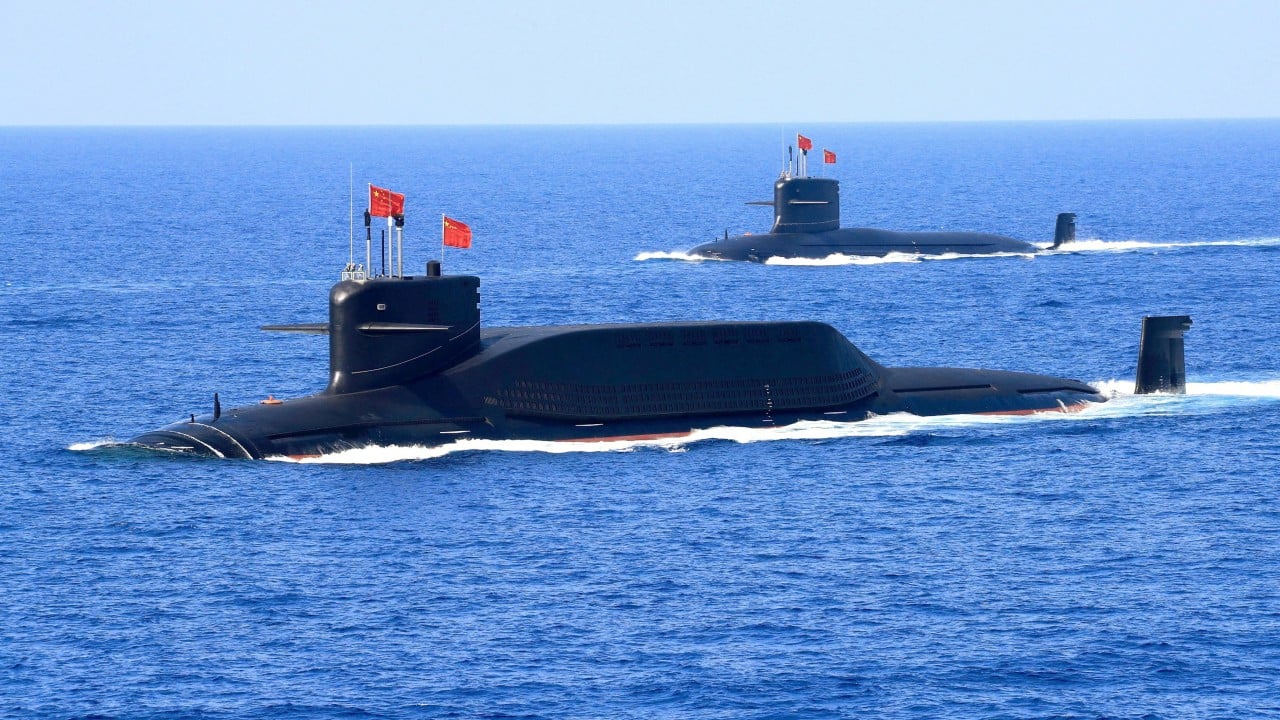
Japan is looking to develop submarine-detecting quantum sensors for aerial drones, the latest move in a growing undersea competition pitting China against the United States and its allies across the Indo-Pacific. Released in late August, Tokyo’s defence budget request for fiscal 2027 includes research into a smaller, more capable quantum magnetic sensor, a technology that uses the properties of atoms to detect tiny changes in magnetic fields that could reveal a submarine. The project is one of...

Xi touts Brics cooperation on AI as US titans flag tech risks
Industry

Xi touts Brics cooperation on AI as US titans flag tech risks

President Xi Jinping promoted China’s vision for artificial intelligence (AI) at the annual Brics summit, seeking to win support from the Global South amid tech competition with the US. China would spearhead development of an AI Brics “community”, support cooperation in developing large language models and offer training, Xi said on Sunday in New Delhi. The previous day, he invited Brics nations to join the newly formed World AI Cooperation Organisation. Brics countries must “strengthen...

Beijing hails Taiwanese scholar’s rare proposal on reunification
Industry

Beijing hails Taiwanese scholar’s rare proposal on reunification

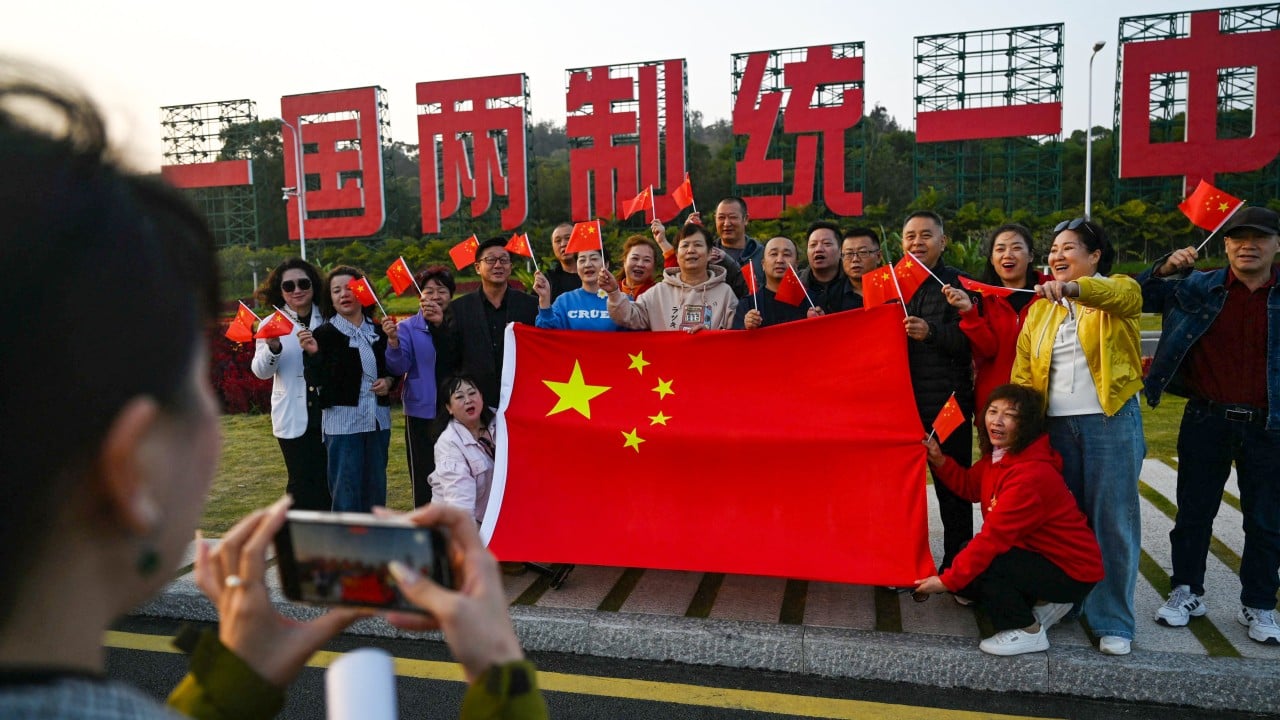
Detailed plan on how ‘one country, two systems’ could be applied to the self-ruled island sent to mainland platform on cross-strait issues Beijing has hailed a “one country, two systems” proposal by a Taiwanese scholar in a rare official statement on an issue regarded as politically sensitive on both sides of the Taiwan Strait. Chen was referring to a detailed proposal by Li Ci-ze, an associate professor at Taiwan’s National Changhua University of Education, on how one country, two systems could be applied to Taiwan. Li submitted the proposal in late August to a mainland social media channel that has long focused on cross-strait issues.

China’s self-powered neural device helps stroke survivors walk naturally
Industry

China’s self-powered neural device helps stroke survivors walk naturally

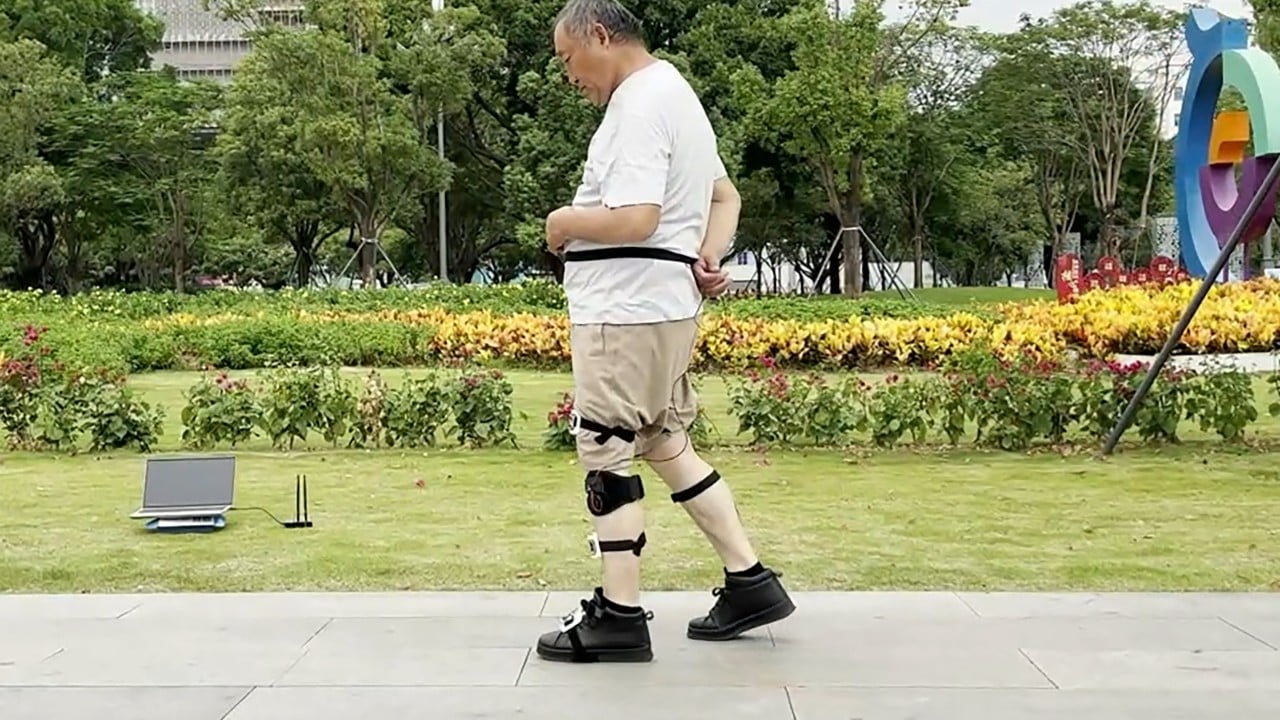
Prosthesis developed by mainland China and Hong Kong team uses electrical current to flex the wearer’s ankle while walking Scientists have developed a lightweight, battery-free device that could help improve the mobility of people with difficulty walking, such as stroke survivors. Developed by researchers in Hong Kong and mainland China, the neural prosthesis uses energy generated by the wearer’s own movements to electrically stimulate their muscles, helping to flex their ankle and restore their natural walking pattern. “Rather than relying on external sensors or battery-powered control, the device operates automatically during walking through mechanically coupled energy harvesting and stimulation delivery,” the team said in a paper published in the peer-reviewed journal Nature Communications on September 2.

Beijing puts a total ban on drones in update to regulations after deadly tower crash
Industry

Beijing puts a total ban on drones in update to regulations after deadly tower crash

China’s capital will enforce the country’s toughest rules on UAVs from November 15 but a no-fly zone will be in effect from Sunday The newly revised regulations on the management of unmanned aerial vehicles (UAVs) were announced on Sunday on the municipal government website. They will apply across the city. The authorities will also establish a no-fly zone in the capital and its surrounding areas, effective from September 20, primarily restricting non-essential flights, official media in Beijing said on Sunday. Commercial aviation and emergency rescue operations will be exempt.

Are Chinese students learning English just to ‘tell China’s story’?
Industry

Are Chinese students learning English just to ‘tell China’s story’?

With revised textbooks focusing more on Chinese culture, critics worry students are losing sight of the broader world For generations of Chinese schoolchildren, English textbooks offered a glimpse of an unfamiliar world, from London’s Tower Bridge and Big Ben to American school life and Halloween traditions. These changes are part of a nationwide overhaul of China’s primary and middle-school textbooks, which have shifted their focus towards Chinese culture and “telling China’s story” of national achievements, sparking debate over the purpose of English education in China.

Chinese scientists find ‘extremely high-value’ underwater gold mine in Pacific
Industry

Chinese scientists find ‘extremely high-value’ underwater gold mine in Pacific

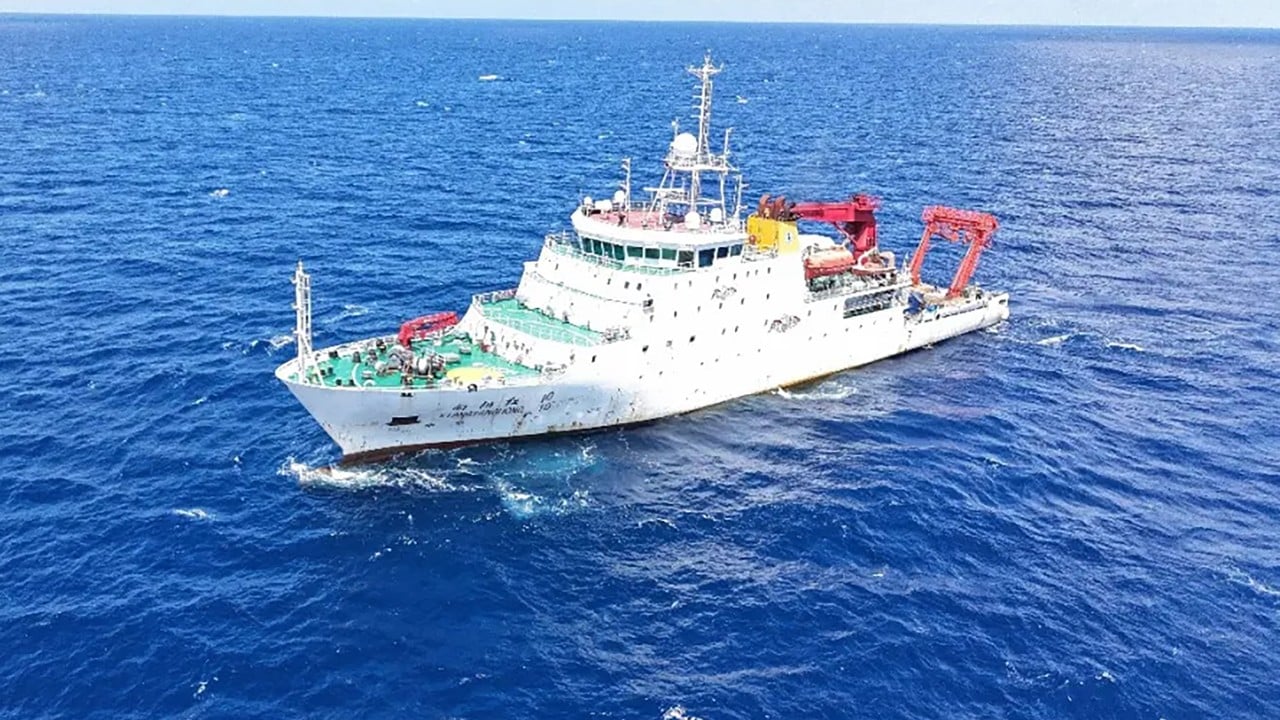
Survey team says the ores, formed when super-hot water shoots from the seabed, are richer in gold and silver than those found on land According to a report by state broadcaster CCTV on Friday, the discovery was made during a joint scientific expedition involving several Chinese academic institutions. The ores within this seabed hydrothermal field – an area where hot, mineral-rich water shoots out from openings on the ocean floor – are exceptionally rich in precious metals. Silver, in particular, reaches more than 1kg (2.2lbs) per tonne of ore at its highest grade, while the average metal content exceeds that of typical terrestrial deposits. “The [large seabed mining area] has extremely high exploitation value,” said Song Shiji, vice-dean of the Institute for Ocean Engineering at Tsinghua University and one of the lead scientists on the project. These multi‑metal deposits form when super‑hot, metal‑rich water jets out of the seabed and hits near‑freezing seawater. The sudden cooling makes the metals bind with sulphur and drop out as solid sulphide minerals – mostly copper, zinc and lead, but often with some gold and silver as well.

Brics summit ends with Xi’s AI offer, Modi’s warning on critical minerals as weapons
Industry

Brics summit ends with Xi’s AI offer, Modi’s warning on critical minerals as weapons

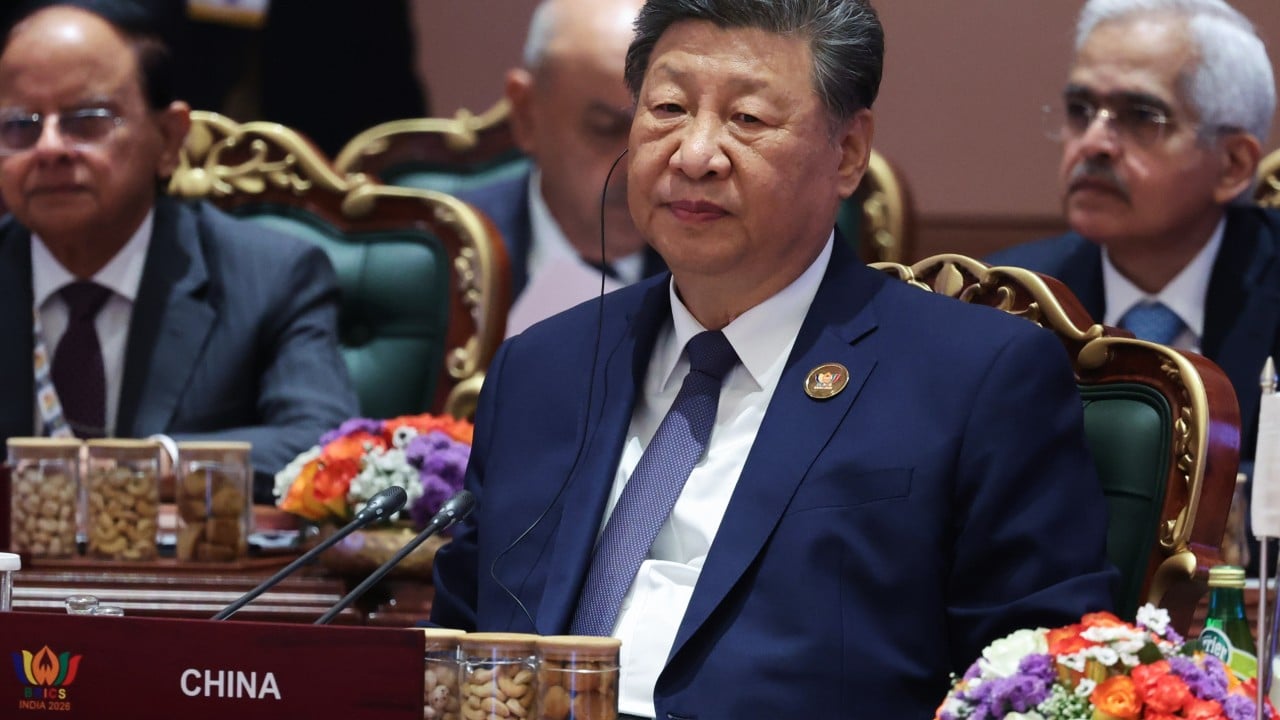
Bloc united on US curbs but Xi Jinping’s open-source AI pitch and India’s warning on weaponised tech reveal internal friction, analysts say Chinese President Xi Jinping concluded his brief trip to India on Sunday with an offer to help Brics members develop open-source AI and smart manufacturing. Summit host Prime Minister Narendra Modi, meanwhile, warned against turning technology and critical minerals into economic weapons. Experts said the exchange captured the wider picture of the Brics summit. Two days of diplomacy produced a united front against US tariffs, sanctions and “America first” pressure with a joint declaration, while heads of institutions Washington once dominated sat at a Global South table. Concerns over minerals and technology, however, exposed clear limits to that unity. He also said Beijing would offer to train young talent from other member states in advanced technology and innovation, according to state news agency Xinhua.

China bets on early port and power deals in Sudan to secure post-war economic edge
Industry

China bets on early port and power deals in Sudan to secure post-war economic edge

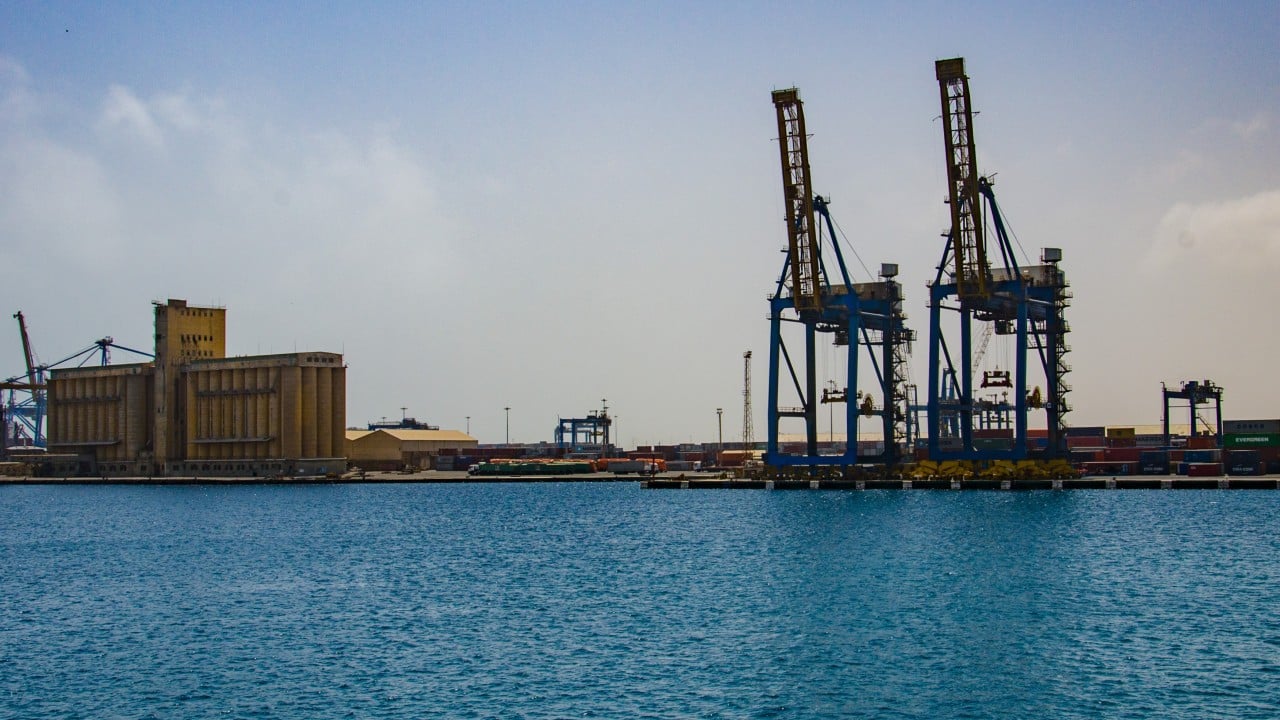
Lack of leverage by army-backed government in Khartoum may allow Chinese firms to secure favourable investment terms One expert also said Beijing was using the prospect of future investment as a bilateral incentive to encourage warring parties to cease hostilities. “Sudan appears to [have] become the next test case for China’s peace-through-development approach,” said Tim Zajontz, interim professor of international relations at the University of Freiburg. Although many foreign embassies, including that of the United States, suspended operations after fighting began, China maintained diplomatic operations in Port Sudan.