Industry — 724 insights
GBA integration may help mainland China’s philanthropy sector learn from Hong Kong
Industry

GBA integration may help mainland China’s philanthropy sector learn from Hong Kong

City’s experience could ‘drive a major upgrade’ of the philanthropic landscape, experts tell Jockey Club forum Urgent priorities for advancing China’s philanthropy sector include fostering a favourable legal environment and overhauling the nation’s social service industry, according to leading policy experts at a forum in Hong Kong on Tuesday. Mainland charitable organisations could learn from Hong Kong’s experience to increase their professional expertise, while the Greater Bay Area city cluster plan could be leveraged as a catalyst to boost the sector, they said. The panel discussion – part of the Hong Kong Jockey Club’s Philanthropy for Better Cities Forum – examined China’s philanthropic landscape, with each speaker outlining their priorities for the sector over the next decade. “We need to create a more favourable legal and policy environment for the development of charity organisations – that is good laws and sound governance,” Jin Jinping, associate professor at Peking University law school, told the panel.

As China embraces AI, only 24% of US pharmaceutical execs bet on it for innovation
Industry

As China embraces AI, only 24% of US pharmaceutical execs bet on it for innovation

Survey finds drug companies planned to scale AI or had already done so, but few anticipated a ‘wholesale revolution’ from the tech “It’s only through that translation that companies can turn AI-driven speed into profit, and patients into real beneficiaries,” Yung added. Some 72 per cent of respondents said their companies were either “scaling” or had “fully scaled” AI across research and development, and no company reported having no plans to adopt the technology, the survey found. Yet that enthusiasm comes with a caveat. Only 24 per cent of respondents expected AI to deliver a significant improvement in drug success probability, while 56 per cent expected only a moderate uplift, “not a wholesale revolution,” according to the survey. Another 34 per cent said human biology, clinical judgment and execution will remain as bottlenecks, regardless of how much AI is deployed.

Taiwan waits for its new F-16s, still stuck in Hawaii after a fortnight’s delay
Industry

Taiwan waits for its new F-16s, still stuck in Hawaii after a fortnight’s delay

No official reason has been given for why the initial two aircraft are yet to leave the Pearl Harbour-Hickam base The aircraft, which were expected to arrive at Taiwan’s Chihhang Air Base in late August, were spotted preparing for departure at Joint Base Pearl Harbour-Hickam on Monday, raising expectations that the fighters were finally about to resume their journey. But the two single-seat F-16Cs, numbered 6727 and 6728, apparently did not leave Hawaii, with witnesses saying they taxied towards the runway before returning to the apron. It was the latest twist in the long-awaited delivery of the aircraft, which arrived in Hawaii on August 21 after leaving the continental United States with aerial refuelling support from US Air Force KC-135 tankers. The pair had been expected to continue to Guam after refuelling and servicing before making the final leg to Taiwan. Instead, they have remained at Hickam, with reports suggesting an earlier attempt to leave Hawaii was also aborted. Neither the US side nor Taiwan’s air force has publicly explained why the aircraft have been held up for so long, fuelling speculation among military and aviation enthusiasts that technical problems might have emerged.

US, China trials suggest a single nanodrug shot might stop bad cholesterol forever
Industry

US, China trials suggest a single nanodrug shot might stop bad cholesterol forever

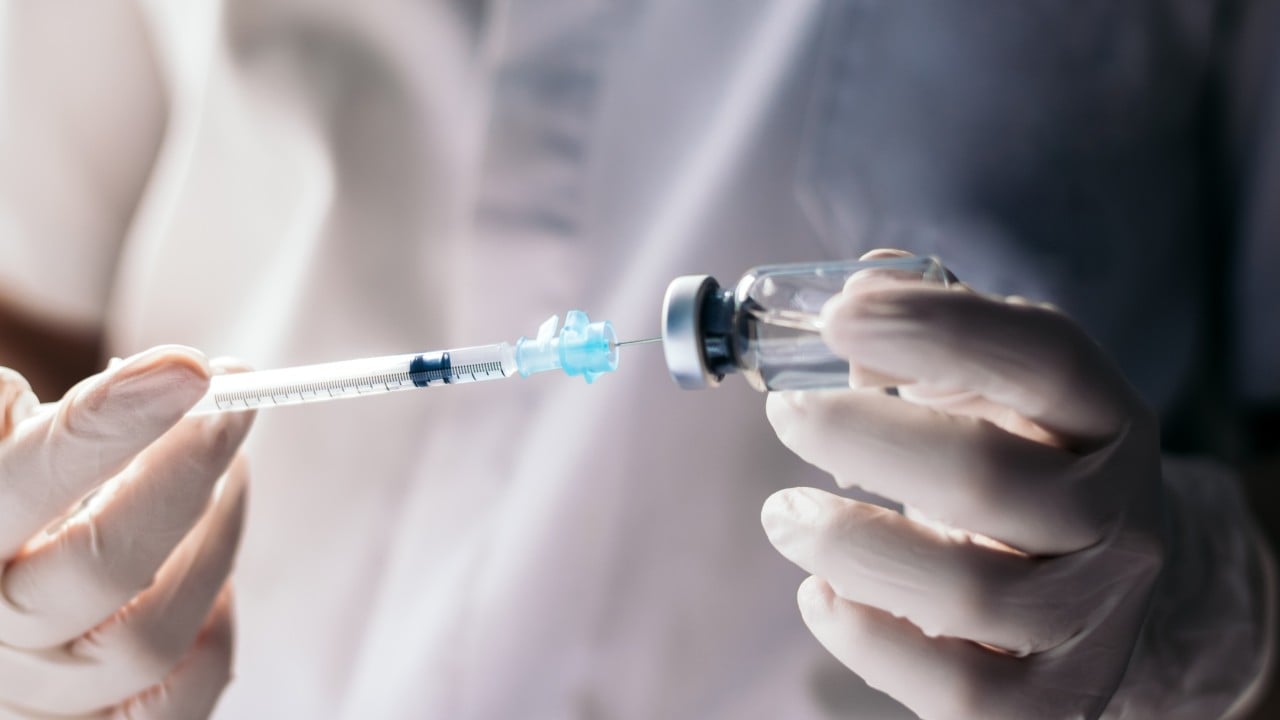
Separate trials using CRISPR and base editing to silence lipid genes show drastic drops in LDL-C without daily medication Imagine swapping your daily cholesterol pill for a single injection that keeps “bad” cholesterol under control for a year, a decade – or even a lifetime. Two clinical trials, one in the United States and another in China, suggest that this one-and-done approach could become a reality. Low-density lipoprotein cholesterol (LDL-C), better known as “bad” cholesterol, is a major driver of heart disease – the leading cause of death worldwide. Triglycerides, another type of blood fat, add to the risk. For millions of people, the standard fix is a daily statin pill. Research led by the Cleveland Clinic in the US and carried out in Australia, New Zealand and Britain, tested a gene-editing nanodrug called CTX310 on 15 volunteers. The therapy uses tiny particles to carry a CRISPR gene-editing tool straight into liver cells. Its target is a gene named ANGPTL3, which helps control how much fat circulates in the blood. Some people are born with a natural mutation that inhibits ANGPTL3. They have extremely low cholesterol and triglycerides, and they rarely develop heart disease.

Nicaragua hands gold concession to sister firm of US-sanctioned Chinese miner
Industry

Nicaragua hands gold concession to sister firm of US-sanctioned Chinese miner

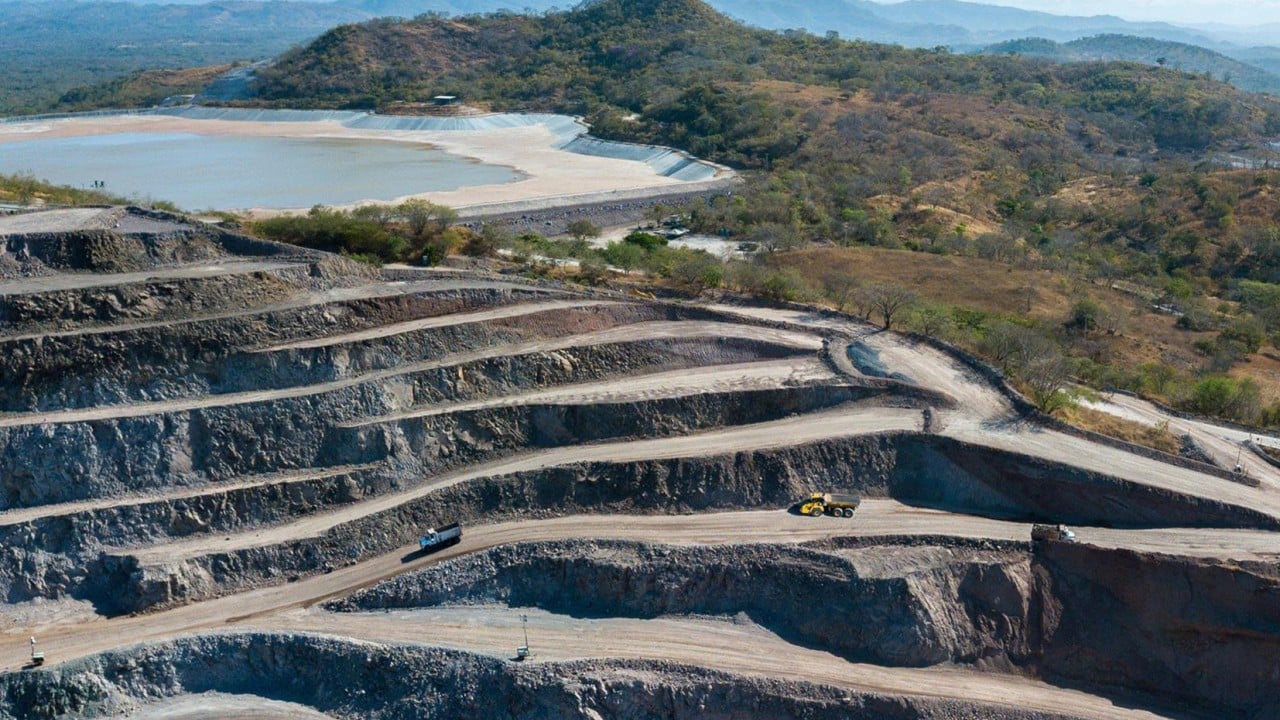
Three months after Washington blacklisted Xinxin Linze Mineria, the Nicaraguan government granted its executives a gold concession Nicaragua has granted a Chinese-owned company linked to one sanctioned by Washington the right to prospect and dig for gold across 262 sq km (101 sq miles) of rainforest, about a quarter the size of Hong Kong. The 25-year concession over the block, named Jade, went to Linze Excelente Mineria, a company that appeared in Nicaragua’s mining registry only last year. The block is in a corner of the country where prospectors first struck gold in 1880. Corporate filings list Lijun Dong as legal representative of both Linze Excelente and Nicaragua Xinxin Linze Mineria Group, a firm the United States blacklisted in April. Shiliang Yang, who signed the Jade title, also appears as a lawyer for the sanctioned company. The US Treasury sanctioned Xinxin Linze in April, saying it had received tens of thousands of acres from the Nicaraguan government and shipped more than US$25 million in gold to the United States in the first half of 2025.

Trump’s Venezuela oil deal: why China can wait and watch
Industry

Trump’s Venezuela oil deal: why China can wait and watch

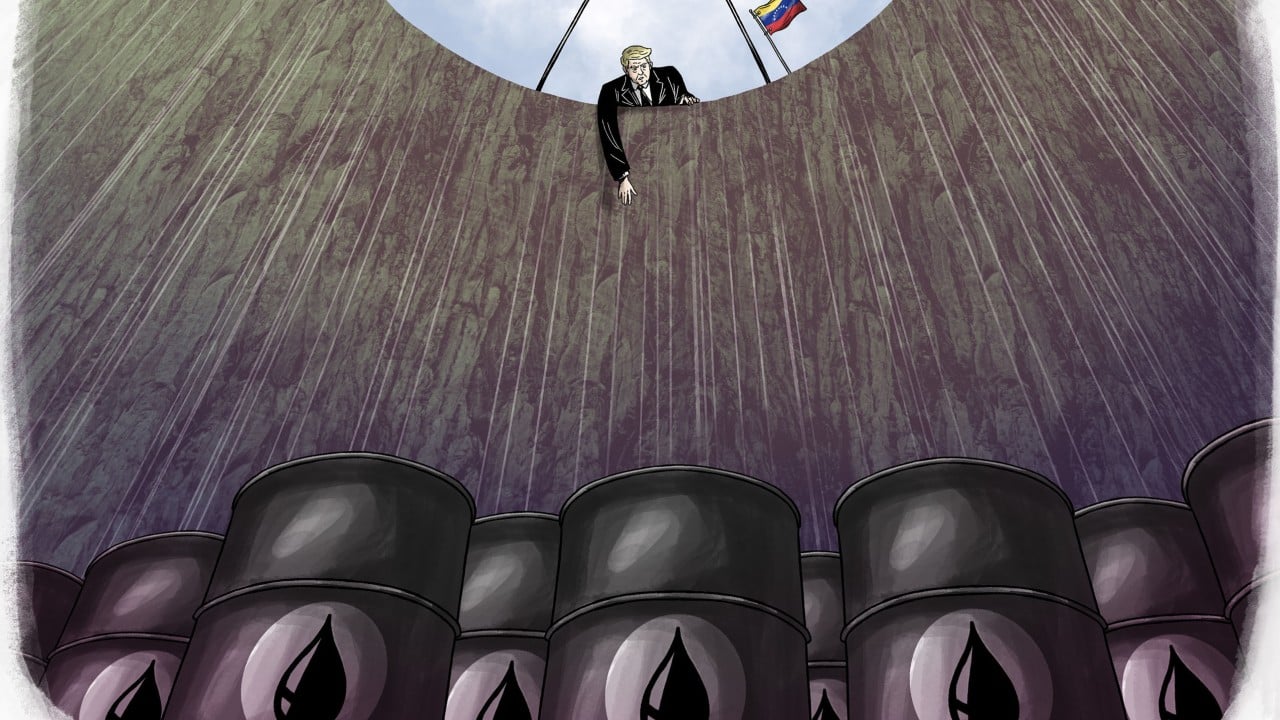
Beijing’s response reflects a calculation that the deal’s fragility will soon show. Energy dominance is not seized by executive order – it is earned through capital, technology and time The White House fact sheet provided the details: NABEP’s 100-year concessions on 17 oilfields with 65 billion barrels of proven reserves, a 35 per cent Pentagon stake, a 20 per cent State Department offtake at cost with right of first refusal, and a Washington veto over the appointment of board members, the majority of whom must be US citizens. Reuters quoted an unnamed US official as saying, “We are opening up the United States as the market for this oil, which was previously being sent to China.” Rather than sanctions, this is the forced displacement of a strategic competitor’s energy operators in a third country through a US government-controlled proxy. Venezuela’s interim president Delcy Rodriguez projects US$209 billion in royalties and taxes over 25 years; the White House puts the figure at around US$200 billion.

China ‘can never get ahead’ of US in AI, Bessent says in advance of Xi’s visit
Industry

China ‘can never get ahead’ of US in AI, Bessent says in advance of Xi’s visit

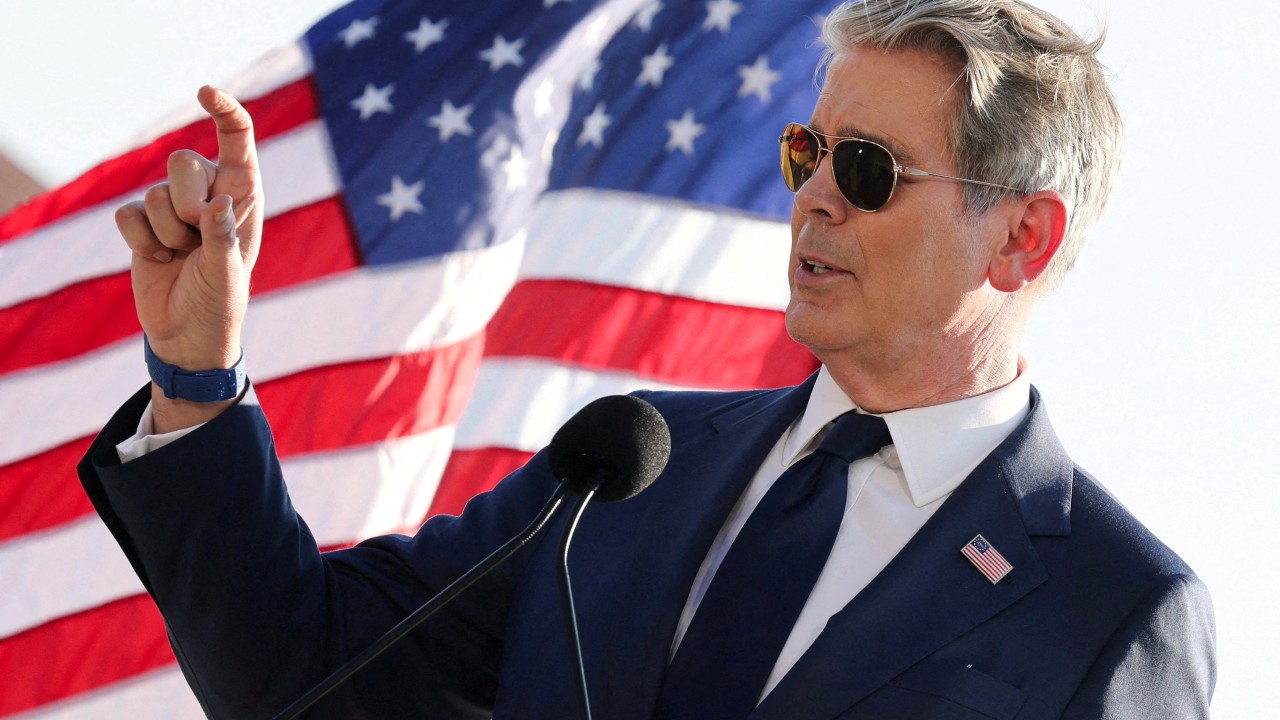
Trump’s treasury secretary accuses Chinese artificial intelligence firms of ‘stealing and copying’, weeks before leadership summit in Washington “The technical word for stealing and copying American AI models is distillation. So, the Chinese distil our models and they can never get ahead of us,” he said on Tuesday during a discussion at the Southern Methodist University’s Cox School of Business in Dallas. “It’s kind of like if you’re looking over someone’s shoulder, copying their homework, you can never get a higher grade than they do.” Model distillation is a widely used AI training technique in which a smaller model learns from the output of larger ones. The rhetoric from Bessent is in sharp contrast with recent remarks from President Donald Trump, who last week said he was excited about the Chinese leader’s visit.

US Secretary of State Rubio arrives in Colombia to clarify China ties, sign minerals deal
Industry

US Secretary of State Rubio arrives in Colombia to clarify China ties, sign minerals deal

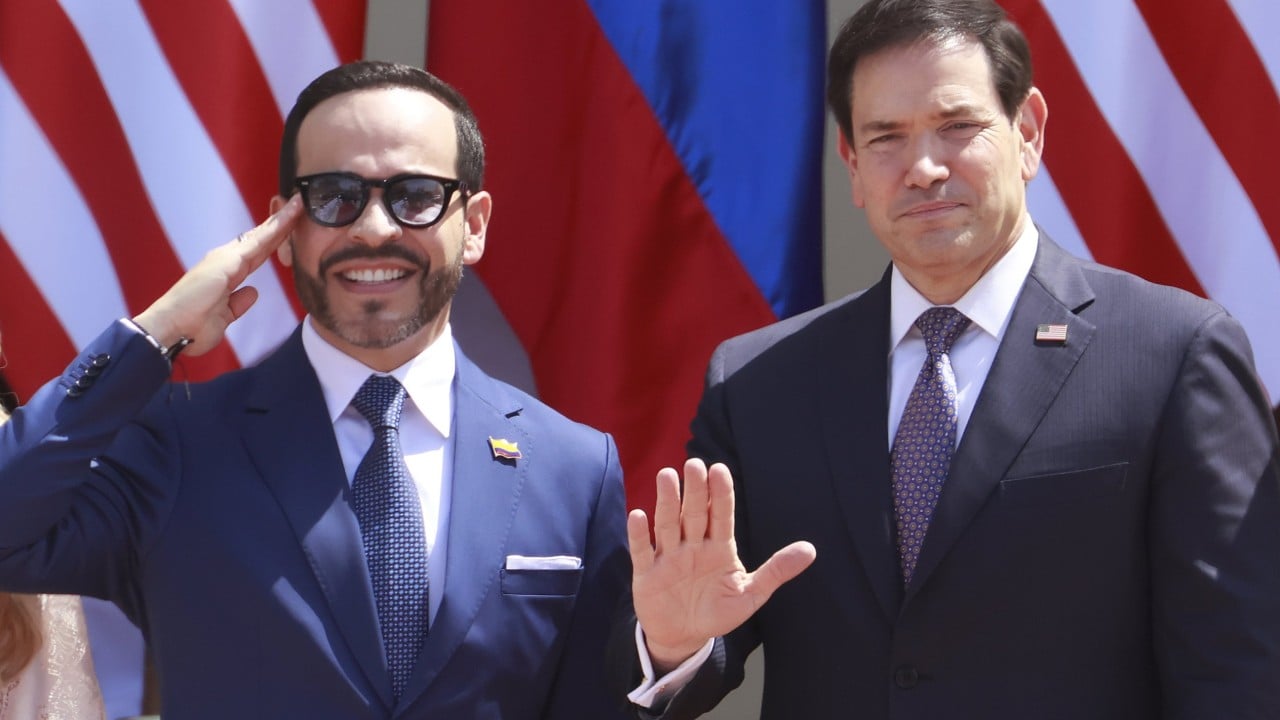
United States Secretary of State Marco Rubio arrived in Colombia on Tuesday to meet President Abelardo de la Espriella, sign agreements on critical minerals and civil nuclear cooperation and take up the country’s ties to China, in the first visit by a cabinet-level US official since the Colombian leader took office a month ago. Colombia’s participation in the Belt and Road Initiative (BRI) and Chinese investment in critical infrastructure were on the agenda for the meeting, a Colombian official...

Huawei goes on trial in US for racketeering after nearly decade of litigation
Industry

Huawei goes on trial in US for racketeering after nearly decade of litigation

Chinese tech giant accused of engineering a racketeering conspiracy to steal American technology and unfairly gain an industry advantage The Shenzhen-based company has pleaded not guilty to all 14 counts, including bank fraud, wire fraud, trade secret theft, and racketeering, with the alleged criminal activity dating back to 1999. Jury selection began on Tuesday, local time, with US District Judge Ann M. Donnelly of the Eastern District of New York instructing potential jurors to strive to be as “fair and impartial” as possible. “China and the Communist Party … are not on trial,” she said, also noting that the ongoing US-Iran conflict should not influence jurors’ judgment. Federal prosecutors said in court documents filed with the Eastern District of New York that Huawei carried out a decades-long racketeering scheme to grow its worldwide business.

China’s highest court sets out new AI red lines with rules on deepfakes and privacy
Industry

China’s highest court sets out new AI red lines with rules on deepfakes and privacy

New guidelines provide a broader legal framework for everything from privacy breaches and sexual content to fraud and consumer protection Although Beijing has yet to pass a dedicated AI law, the guidelines expand the country’s legal framework governing the technology. The Supreme People’s Court’s 24-article opinion, released on Monday, instead provides guidance for handling AI-related disputes under existing laws, including the Civil Code, Cybersecurity Law, Copyright Law and Personal Information Protection Law. The rules were the first of their kind and aimed to “draw clear legal red lines” while supporting innovation and development, the court said, aligning itself with the current national policy. A major focus of the opinion was the use of AI to create deepfake images and videos, clone people’s voices and digitally “bring the dead back to life”. The court said this could infringe legal protections covering aspects of a person’s identity and elements such as their image, voice and reputation.

US port pledge ups China rivalry in Pacific but island nations stick to own course
Industry

US port pledge ups China rivalry in Pacific but island nations stick to own course

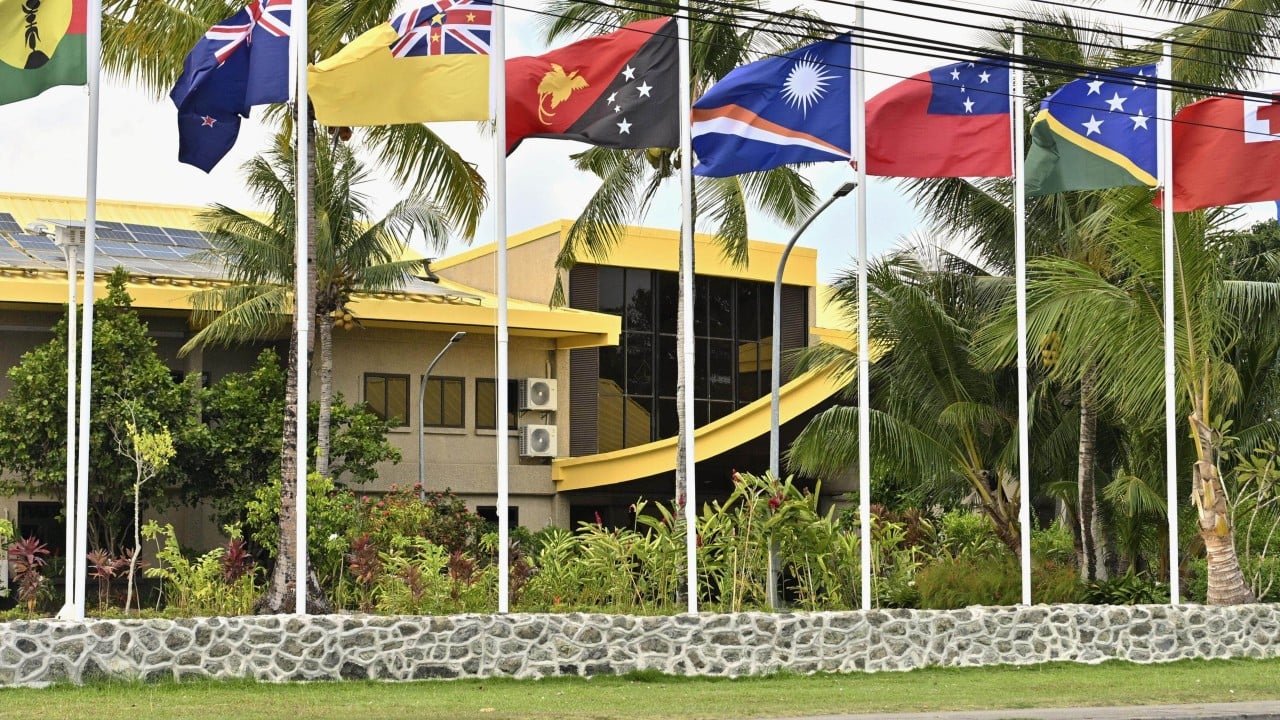
Washington commits millions of dollars at last week’s regional leaders’ forum in Palau, but experts say it will not be that simple The Pacific island nations are unlikely to frame their foreign relations as a simple choice between the two. Instead, they are expected to navigate the great power rivalries with a strategic flexibility consistent with their long-held practice of hedging, according to observers. Washington’s pledge of US$150 million included US$60 million to help island nations through the energy crisis with expanded fuel storage and stronger power grids. The remainder, from Australia, will mainly be used to combat drug smuggling through greater aerial surveillance and law-enforcement training. In a parallel move, Washington and Wellington pledged US$50 million and NZ$17.5 million, respectively, to upgrade a former World War II port in the Cook Islands. In response, Beijing said that cooperation should “safeguard regional peace and stability”.

Inside Japan’s military build-up
Industry

Inside Japan’s military build-up

Read the full article at the source →