Industry — 724 insights
Taiwan launches first live-fire exercise with first-person view drones
Industry

Taiwan launches first live-fire exercise with first-person view drones

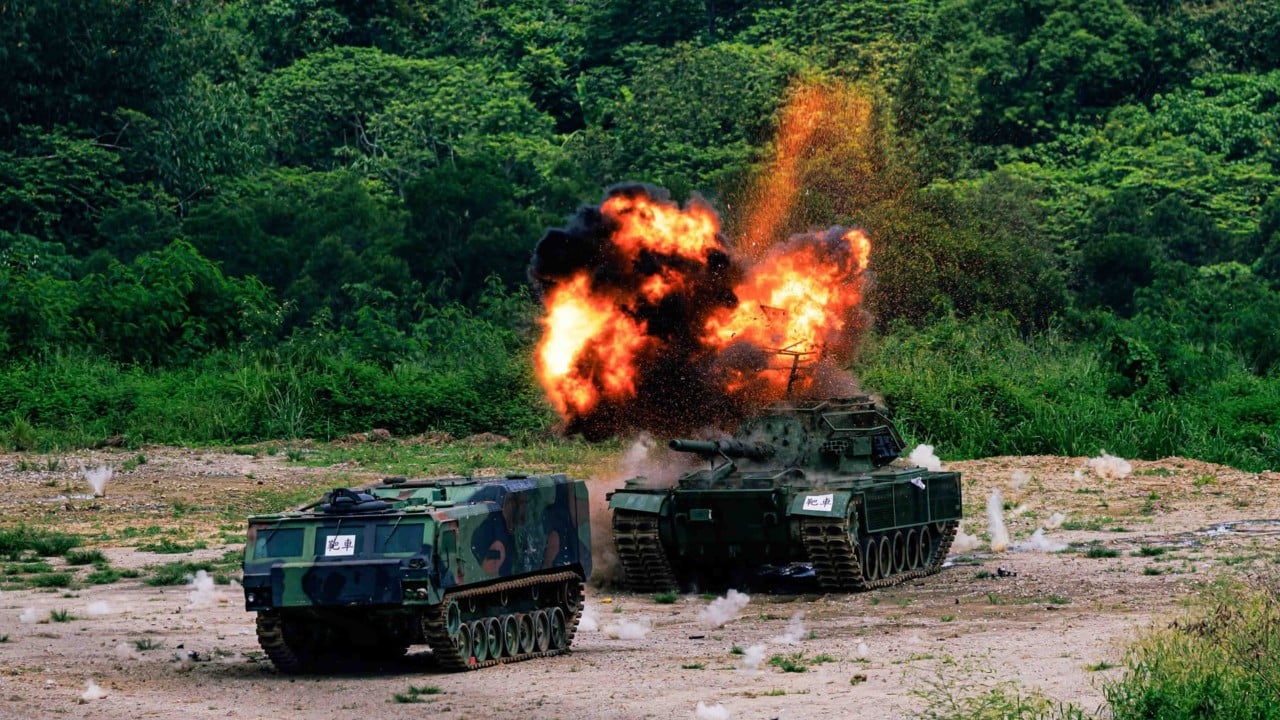
The island’s military is working to learn the lessons of the Ukraine war and boost its asymmetric defences against the PLA Taiwan’s army has for the first time used first-person view (FPV) drones against armoured vehicles in a live-fire exercise, adopting tactics pioneered during the Ukraine war to strengthen its asymmetric capabilities against the People’s Liberation Army. The exercise on Monday highlighted efforts to broaden strike options beyond traditional firepower such as rocket systems and heavy artillery. The Army Unmanned Systems Training Command brought together six units from the military’s artillery commands, Marine Corps and Military Police for the exercise. Under simulated battlefield conditions, operators flew FPV drones carrying armour-piercing warheads against decommissioned tanks and armoured ammunition carriers. FPV drones – which stream real-time video directly to a pair of goggles worn by the pilot – are usually designed to be more manoeuvrable and acrobatic than other drones, allowing greater accuracy in combat. The drones conducted frontal and flanking strikes in both single-drone and coordinated two-drone attacks, according to the Youth Daily News, a defence ministry-affiliated newspaper based in Taipei.
Top Chinese general draws on Jiang’s legacy to highlight importance of loyalty in military
Industry

Top Chinese general draws on Jiang’s legacy to highlight importance of loyalty in military

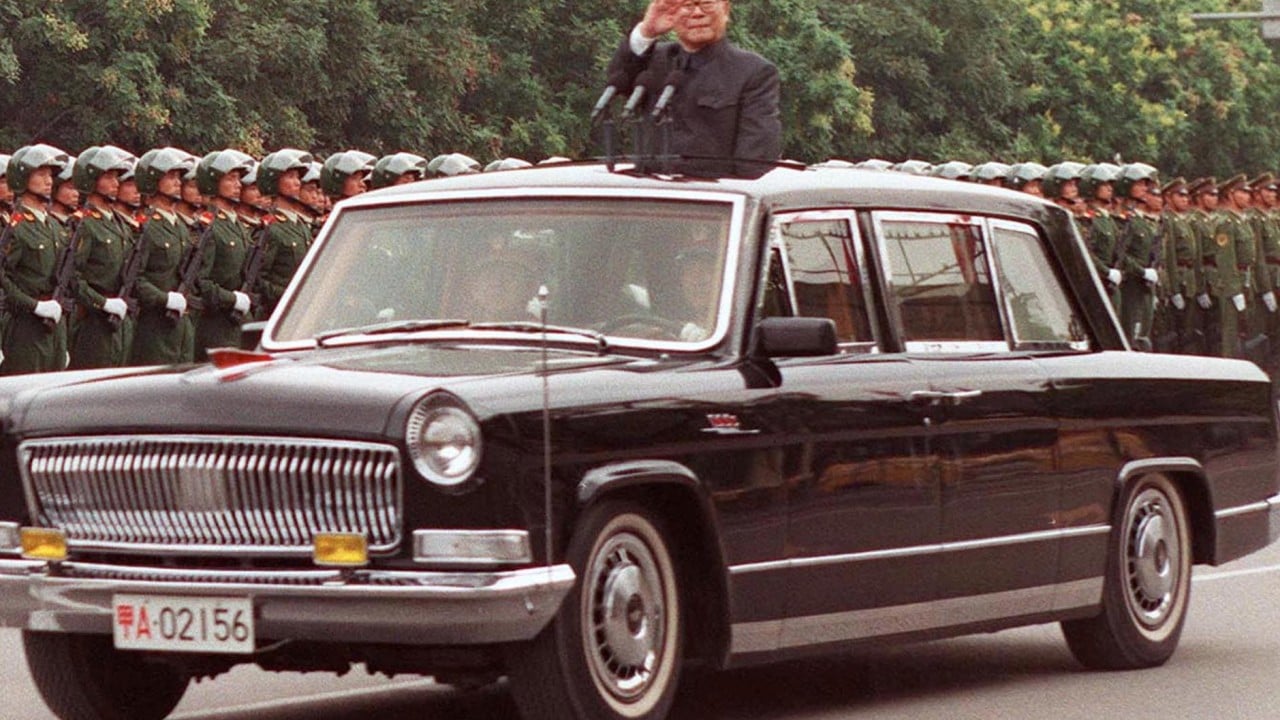
CMC vice-chair Zhang Shengmin recalls how late president steered the country through the turmoil that followed the end of the Soviet bloc In the article, published by party mouthpiece People’s Daily on Tuesday, Zhang highlighted the existential threats China faced in the late 20th century and how Jiang steered the People’s Liberation Army through the turmoil that followed the fall of the Iron Curtain in Europe in 1989. The vice-chairman of the Central Military Commission argued that during this period, “hostile forces” had been promoting concepts he described as “depoliticisation”, “departyisation” and “nationalisation”. The Communist Party has long viewed such ideas – which would effectively remove the party’s ideological control, institutional grip and leadership from the military – as existential threats. Zhang said Jiang had treated the party’s absolute leadership as the PLA’s core foundation, launching comprehensive education campaigns across the ranks and weeding out harmful tendencies.

PLA troops sent gold, New Taiwan and US dollars in ‘wartime financial support’ drill
Industry

PLA troops sent gold, New Taiwan and US dollars in ‘wartime financial support’ drill

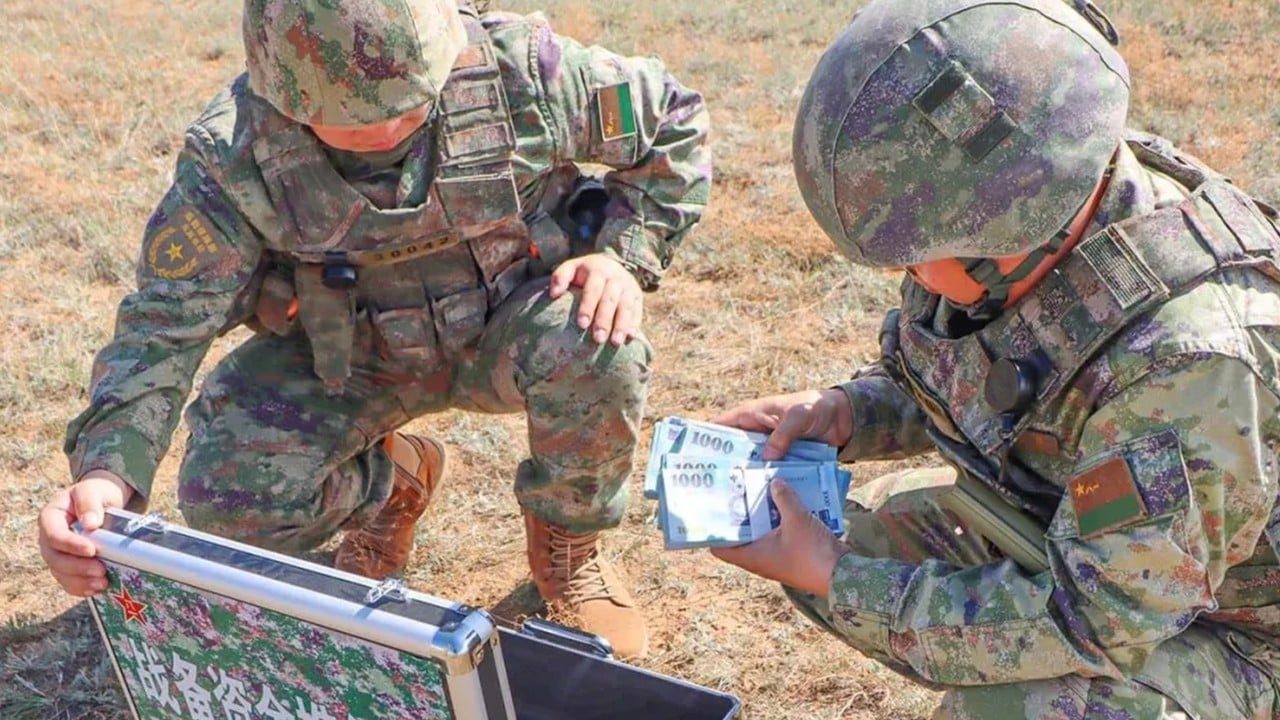
A drone was used to deliver camouflage cases filled with gold bars and bundles of cash, according to state newspaper report The report prompted heated discussion online and has since been deleted. It included photos from the drill showing soldiers in tactical camouflage gear in a field counting bundles of NT$1,000 and US$100 notes, along with gold bars. Also visible was a case with the PLA emblem marked “Settlement Office No 4, Nanjing Centralised Funds Receipt and Payment Management Centre”. The report did not say where or when the drill was conducted and it was not clear if the cases of cash and gold were genuine. During wartime, cash could be needed to pay for supplies and services, intelligence, compensation for collateral damage or for other expenses when it is not possible to access banking or electronic payment systems.

Iran conflict boosts appeal of Arctic short cut for Asia-Europe ships
Industry

Iran conflict boosts appeal of Arctic short cut for Asia-Europe ships

Peace prospects in the Middle East faded, with US President Donald Trump ruling out a renewed ceasefire deal with Iran and more fighting breaking out in Lebanon. Trump said “no” when asked whether he wanted a new Iran accord to replace a 60-day agreement that expired on Monday. “They want to make a deal, but they’re not going to make the kind of deal that I feel is necessary,” he told reporters at the White House. Brent crude, the global oil benchmark, rose above US$91 per barrel, having gained...

Chinese President Xi Jinping leads party elite in final farewell for ex-premier Zhu Rongji
Industry

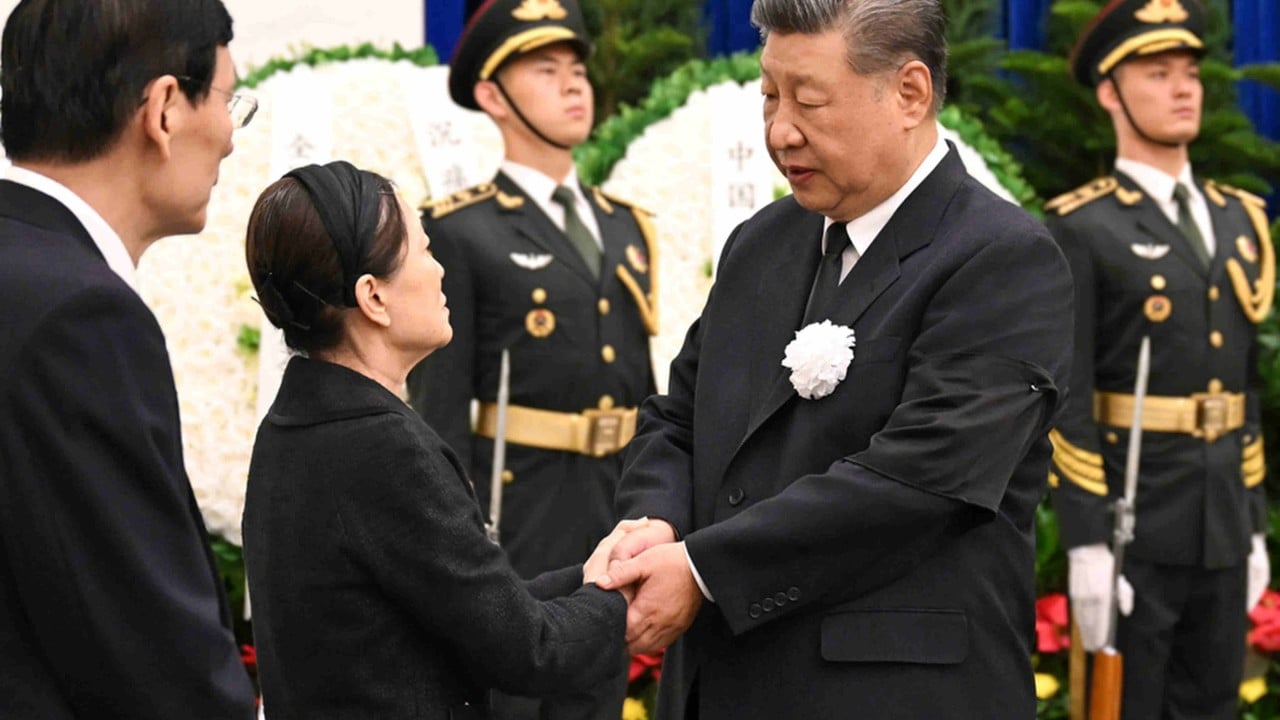
Chinese President Xi Jinping leads party elite in final farewell for ex-premier Zhu Rongji

Party elite attend ceremony at Beijing’s Babaoshan Revolutionary Cemetery and offer condolences to Zhu’s family He served as premier from 1998 to 2003 and is regarded as the chief engineer of the country’s economic reform, having played a pivotal role in transitioning China towards a market-based economy and steering its entry into the World Trade Organization (WTO). That paved the way for China’s unprecedented growth and its rise as the world’s second-largest economy. Zhu’s funeral took place at Beijing’s Babaoshan Revolutionary Cemetery, where high-ranking officials and national heroes are laid to rest.

China-led SCO, a counterweight to the West
Industry

China-led SCO, a counterweight to the West

–

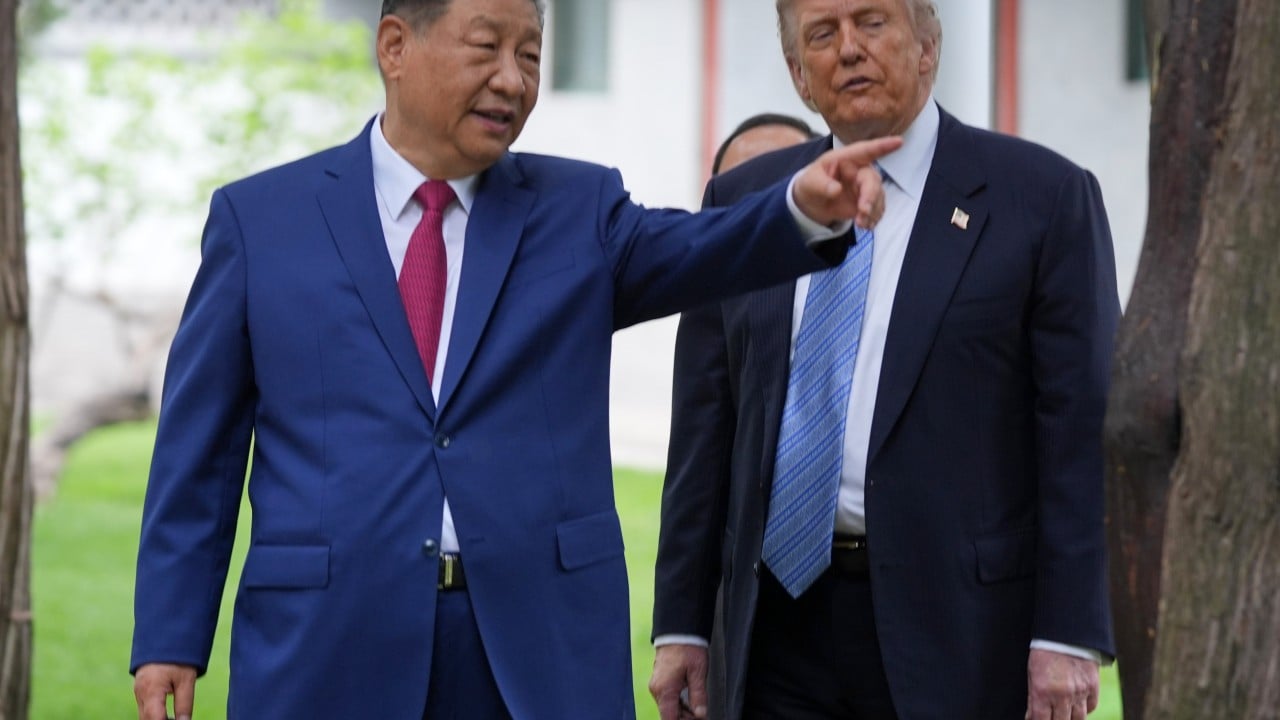
Xi’s 2026 trip to US
Industry

Xi’s 2026 trip to US

Read the full article at the source →

Chinese navy’s combat software guru Zhao Xiaozhe disappears from academy website
Industry

Chinese navy’s combat software guru Zhao Xiaozhe disappears from academy website

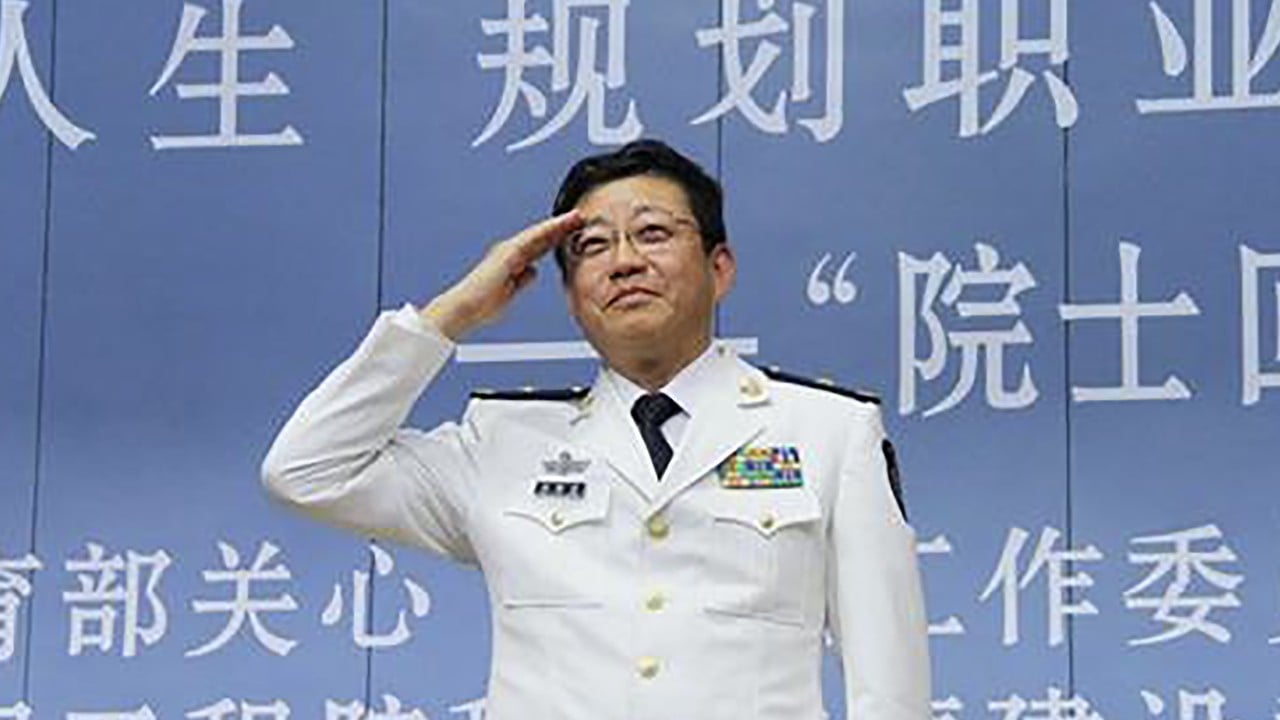
The vice-admiral is the latest prominent expert to be removed from the prestigious national engineering institution’s membership list Zhao was reportedly absent from a high-level Communist Party study session on artificial intelligence chaired by President Xi Jinping in April last year, with his deputy attending instead. His profile has also been removed from the academy’s separate online museum of academicians. Zhao was elected to the Chinese Academy of Engineering in 2011 while at the Dalian Naval Academy, where he was a professor and doctoral supervisor. He also served as director of its Combat Software and Simulation Research Institute.

Why is Chinese state media telling people to stop using English AI terms?
Industry

Why is Chinese state media telling people to stop using English AI terms?

People’s Daily commentary is part of broader efforts to bolster China’s ‘discourse power’ in global conversations China’s state media has called for English-language terms related to artificial intelligence (AI) to be dropped in favour of standardised Chinese equivalents in a push to boost the country’s “discourse power”. As AI technologies have rapidly spread in China, English terms have entered common speech in the country, such as “agent” and “LLM” for large language model, a commentary published by the Communist Party mouthpiece People’s Daily noted earlier this month. The article argued that reliance on foreign terminology would lead to “cognitive dependency” and ultimately undermine the country’s voice in global technology governance. The commentary said that reliance on foreign jargon could deprive China of the authority to define key concepts, stunt the growth of original domestic theories and hinder the development of a Chinese framework for talking about technology. English AI terms were rarely self-explanatory to ordinary Chinese people, the commentary argued, contrasting them with earlier examples of technologies whose names were localised, such as dian nao – electric brain – for computer.

China’s space race has a new problem: finding room for failure
Industry

China’s space race has a new problem: finding room for failure

Does Beijing have time to fully investigate the year’s fourth rocket failure or will launch schedules force rapid returns to service? The cause is unknown, yet explanations are fast becoming a story of their own. Neither of the two explanations in circulation has official backing. One points to the YF-100, the kerosene-oxygen engine that powers the 7A rocket’s first stage and four boosters. The engine is also used for the Long March 5, 6, 6A and 8, as well as the newer 10 and 12. The other explanation points to a possible structural failure near Max-Q, the point during ascent when the rocket faces its highest aerodynamic stress. Independent space flight trackers reached this view after studying the launch footage frame by frame. Some trackers argue that the brief engine anomaly, seen before the break-up, happened too quickly to explain what followed. Others think an engine problem could have triggered a structural failure under heavy aerodynamic loads. But these are arguments and observations derived from the footage, rather than a confirmed finding. Still, both explanations start with the same fact: the failure happened about 85 seconds after launch, during the burn of the first stage and four boosters.

Ecuador’s Noboa courts China on shrimp, copper without threatening US ties
Industry

Ecuador’s Noboa courts China on shrimp, copper without threatening US ties

Ecuadorian President Daniel Noboa arrived in Beijing on Sunday for his first state visit to China, an eight-day trip during which he will seek to lift suspensions on 14 Ecuadorian shrimp processors and secure fresh investment in energy and mining. Noboa will hold talks with President Xi Jinping and meet separately with Premier Li Qiang and Zhao Leji, China’s top legislator, according to Beijing’s foreign ministry. The visit runs to August 23 before the Asian tour continues to Singapore and...

Pentagon orders 30 US universities to scrutinise ties with Chinese research partners
Industry

Pentagon orders 30 US universities to scrutinise ties with Chinese research partners

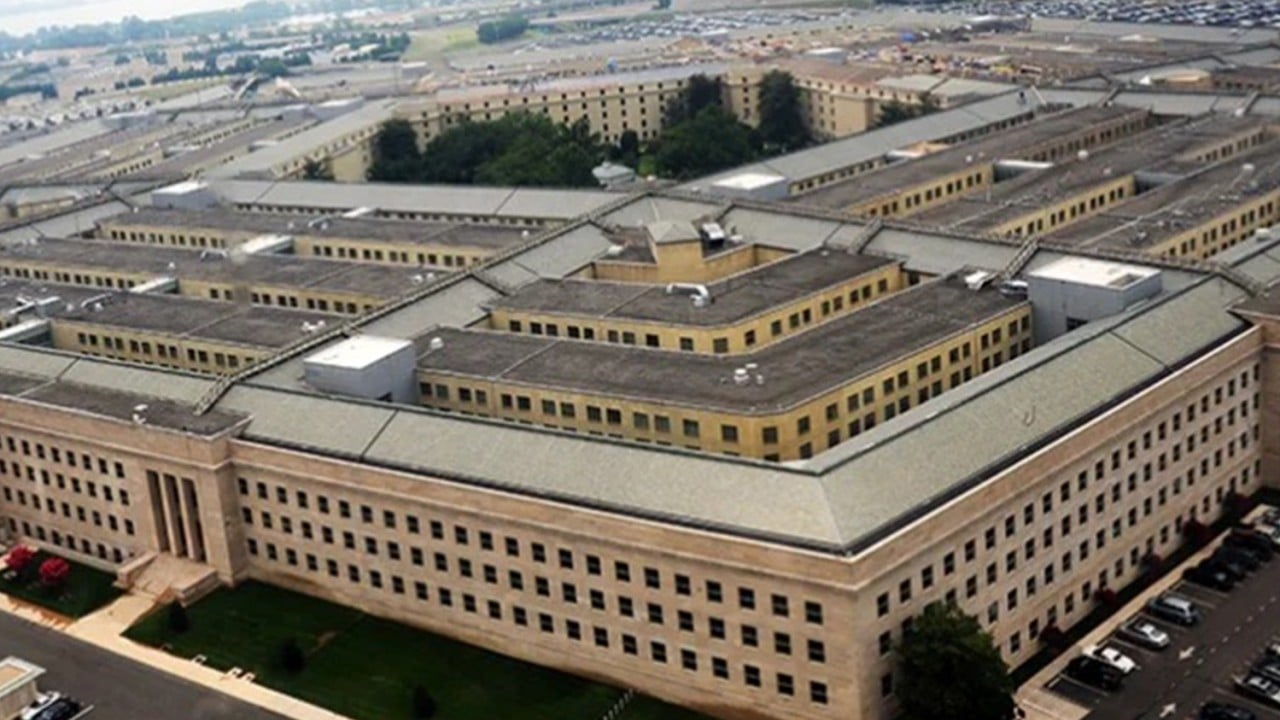
Institutions have two weeks to audit foreign collaborations and could be required to terminate partnerships to preserve federal funding The Pentagon has ordered 30 US universities to conduct sweeping audits of their foreign research partnerships, including collaborations with Chinese institutions and organisations associated with former Confucius Institutes, or risk becoming ineligible for future federal funding. The Department of Defence said on Monday that the unnamed universities must review their academic, financial and research relationships with foreign “entities of concern” and determine whether sensitive or export-controlled research had been exposed. The institutions must report their findings and proposed mitigation measures – including the termination of partnerships deemed problematic – to the department by August 31, giving them two weeks to complete the reviews. The department did not identify the universities or specify how many of the notifications concerned ties with China rather than Russia or Iran. The Pentagon did not immediately respond to a request for comment.