Industry — 781 insights
US urged to use Beijing playbook to secure Chinese tech transfers
Industry

US urged to use Beijing playbook to secure Chinese tech transfers

Experts say Washington should target areas where cutting-edge Chinese technological know-how could be welcomed, then applied to help US However, merely shutting out Chinese technology from the US without a clear strategy to boost domestic competitiveness would not guarantee that the US catches up in areas where China now has a clear lead, the experts said at an online panel organised by the Quincy Institute, a Washington think tank that advocates for a less militarised American foreign policy. Instead, Washington should target areas in which cutting-edge Chinese technological know-how could be welcomed, then applied to help the US catch up, possibly through joint ventures and technology licences. “China is overly paranoid about the US, and I think the US is overly paranoid about China,” said Jake Werner, director of the East Asia programme at the Quincy Institute.
Chinese executives may join Xi’s US trip, as trade truce extension ‘almost certain’
Industry

Chinese executives may join Xi’s US trip, as trade truce extension ‘almost certain’

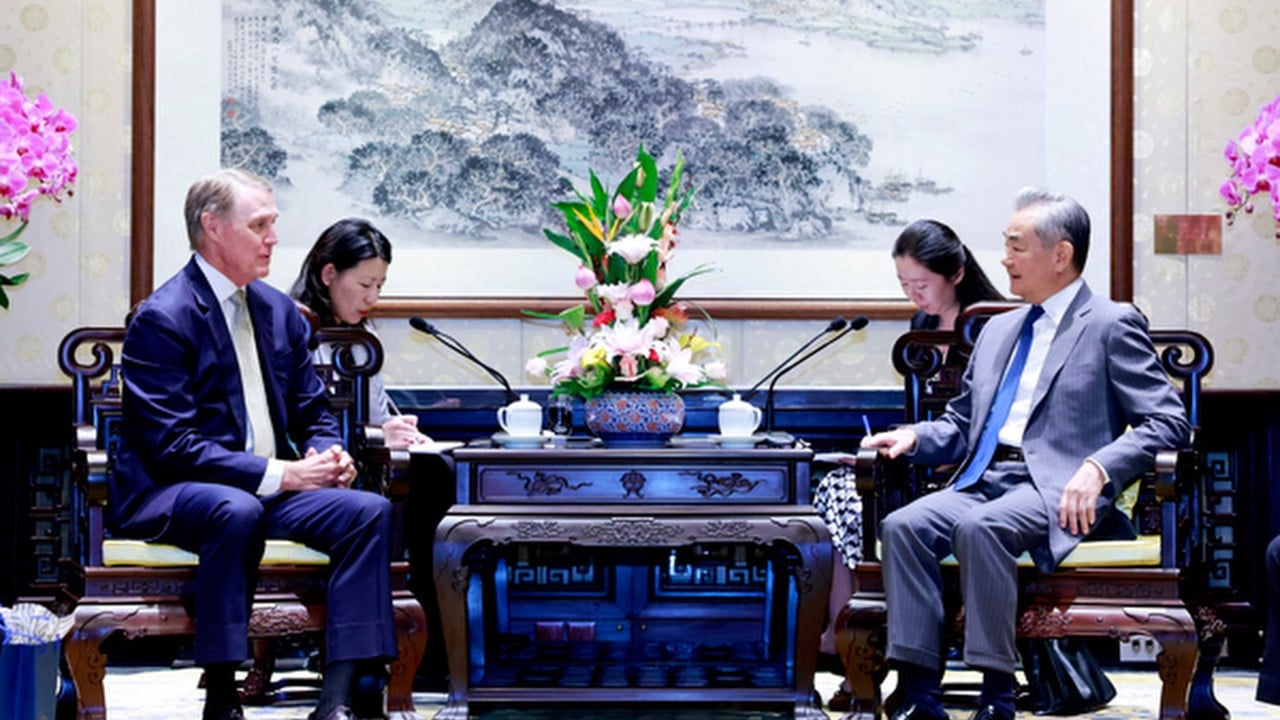
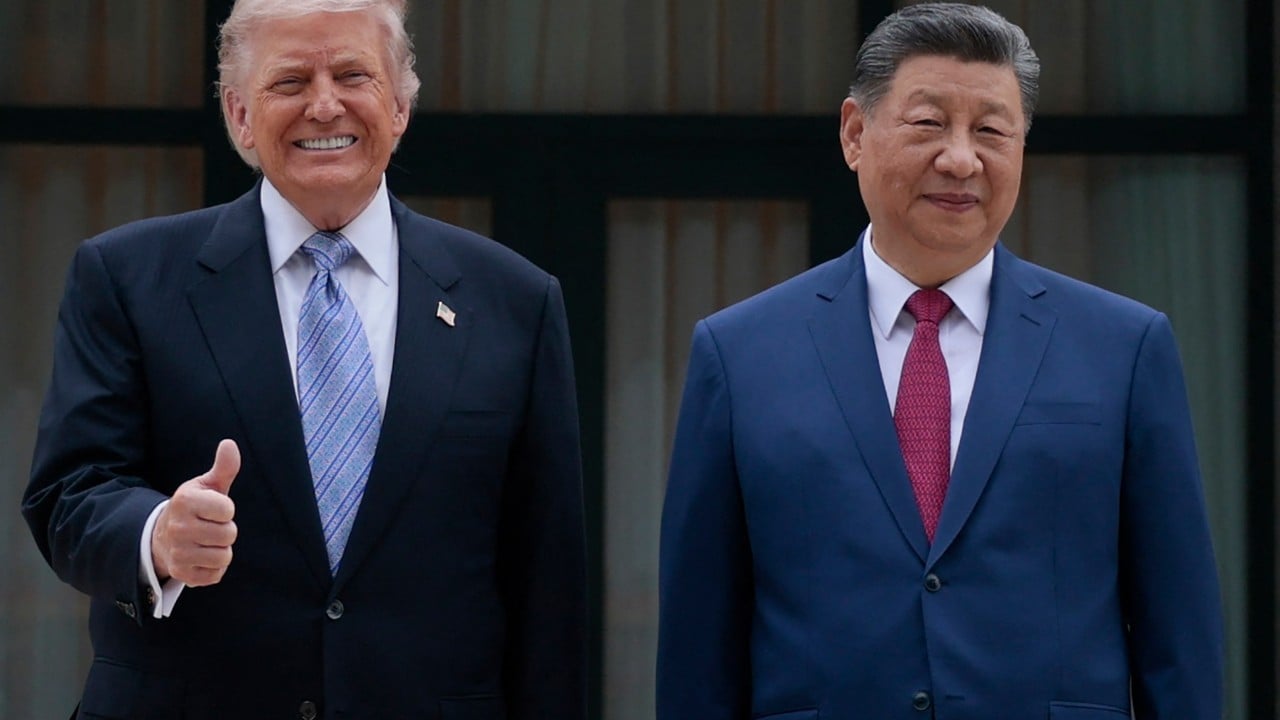
Inclusion of business leaders in delegation is under discussion and one-year deal agreed in Busan is likely to be extended, sources say In a meeting with US ambassador to China David Perdue in Beijing on Wednesday, Foreign Minister Wang Yi called for both sides to implement the leaders’ consensus, manage differences and remove obstacles to high-level exchanges, so ties could become “stable, healthy and sustainable”. Perdue said Trump and Xi had provided “important strategic guidance” and described Trump’s May visit to China as “very successful”. Washington was ready to strengthen communication, advance cooperation and prepare for “important high-level interactions in the next phase”, he said, calling for a constructive and stable relationship based on “respect and reciprocity”. Trump’s envoy later wrote on social media that the meeting was part of preparations for Xi’s visit.

Why Southeast Asia isn’t buying the US’ offer of ‘flexible realism’
Industry

Why Southeast Asia isn’t buying the US’ offer of ‘flexible realism’

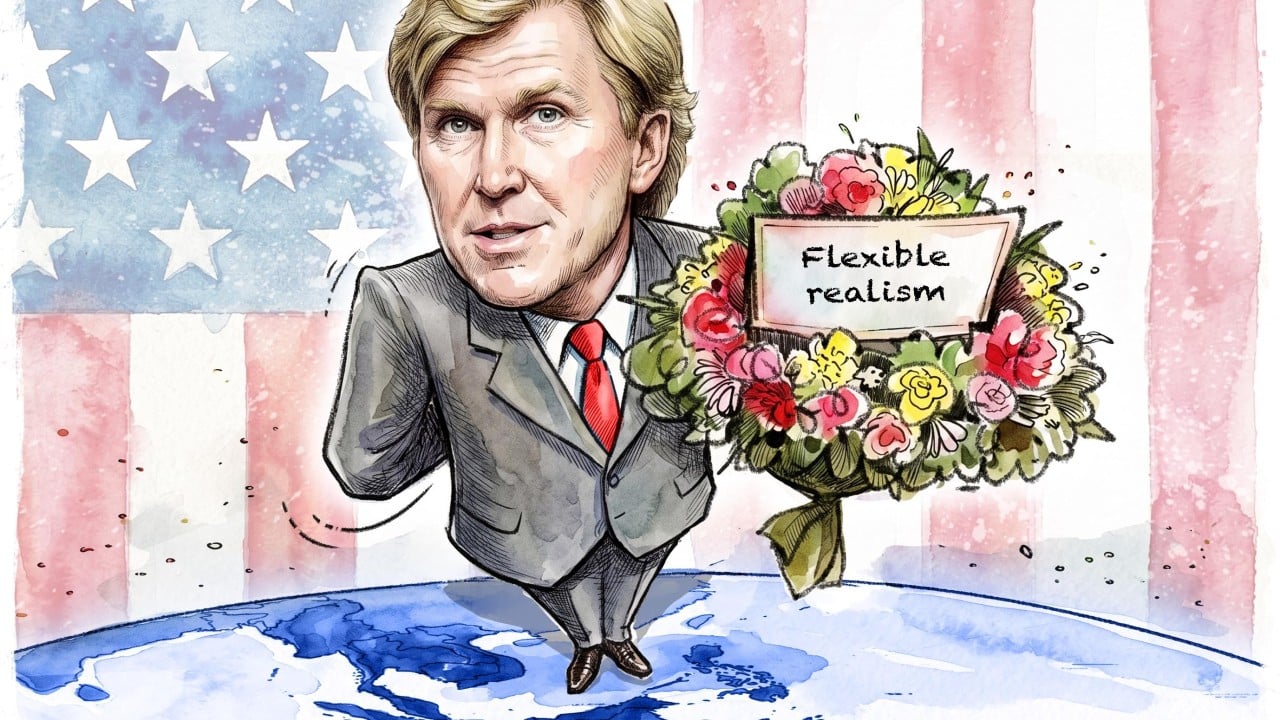
In arguably his most important foreign trip, Elbridge Colby, US undersecretary for defence policy, visited key Southeast Asian capitals this month. In a speech in Manila, the Pentagon policy chief extolled America’s “flexible realism”, which he said serves “the practical, concrete interests of regular Americans” and echoes Southeast Asian nations’ commitment to “pragmatism, an openness to dialogue, respect for counterparts, proud nationalism, and a focus on economic prosperity”. Amid the United...

Brazil’s rare earths will not loosen China’s magnet grip this decade, researchers say
Industry

Brazil’s rare earths will not loosen China’s magnet grip this decade, researchers say

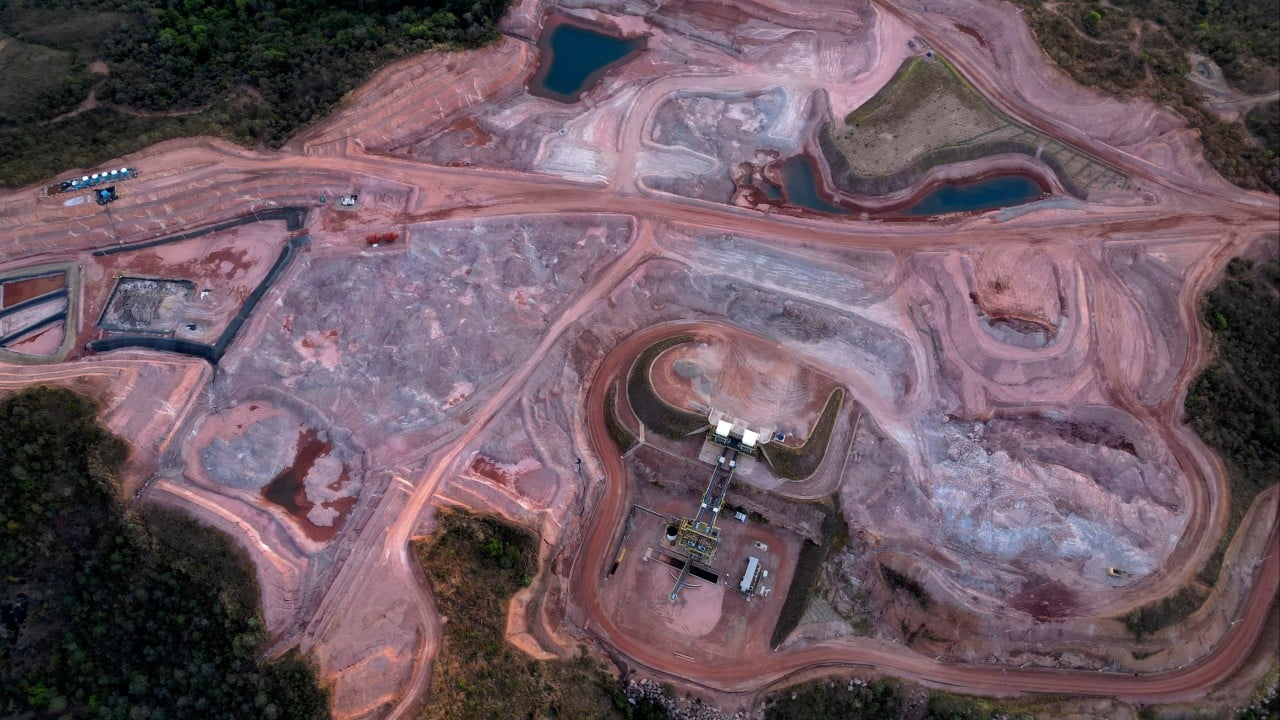
Despite vast reserves, Brazil lacks the processing capacity and commercial plants needed to turn its own raw materials into magnets Brazil will not be able to make rare earth magnets from its own raw materials before 2032, the coordinator of the country’s main magnet pilot plant said on Wednesday, leaving China’s near monopoly on the technology intact for years to come. Andre Luis Pimenta de Faria, who runs the plant for Senai, the research and training arm of Brazil’s national industry confederation, told a public policy panel at Exposibram, the country’s largest mining congress, that first batches could come by the end of 2028, but only using imported inputs. “If we look at the full picture of everything needed to produce a permanent magnet, we are talking about a more distant horizon, maybe 2032–2035,” Faria said. The plant runs on Asian process technology chosen when it was designed, and buys abroad the processed ore it feeds into its furnaces, Faria said. Brazil also makes no electrolytic iron, a high-purity input very different from the ore it ships overseas, despite being one of the world’s two largest iron ore exporters.

Flights, ferries cancelled in Shanghai and Shenzhen as Typhoon Saudel closes in
Industry

Flights, ferries cancelled in Shanghai and Shenzhen as Typhoon Saudel closes in

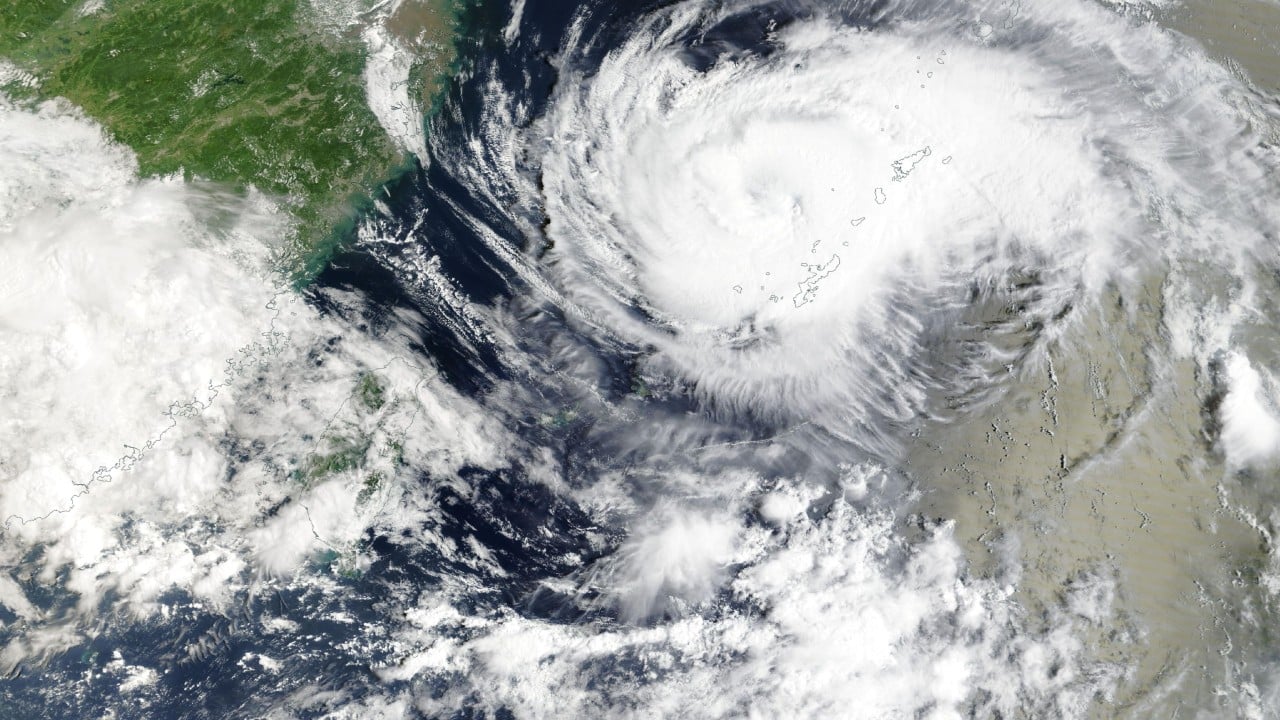
Saudel is forecast to make landfall on Friday morning, becoming the seventh typhoon to hit the mainland this year The eastern province is home to a number of major commercial centres, including the industrial hub of Ningbo, the port city of Zhoushan, and Wenzhou. Ningbo Lishe International Airport said flights in and out of the facility would be suspended from 11.30pm on Thursday. In Wenzhou, 90 flights were cancelled, while 22 flights were grounded in Zhoushan. According to the National Meteorological Centre, Saudel is expected to make landfall along the coast between Sanmen county in eastern Zhejiang and Xiapu in southeastern Fujian province between early Friday morning and noon as a typhoon or severe typhoon. If Saudel hits Zhejiang directly, it will be the third to make landfall there this year, equalling the province’s 2004 record of three typhoon landfalls in a single year.

Gates pitches US-China AI cooperation ahead of Xi meeting
Industry

Gates pitches US-China AI cooperation ahead of Xi meeting

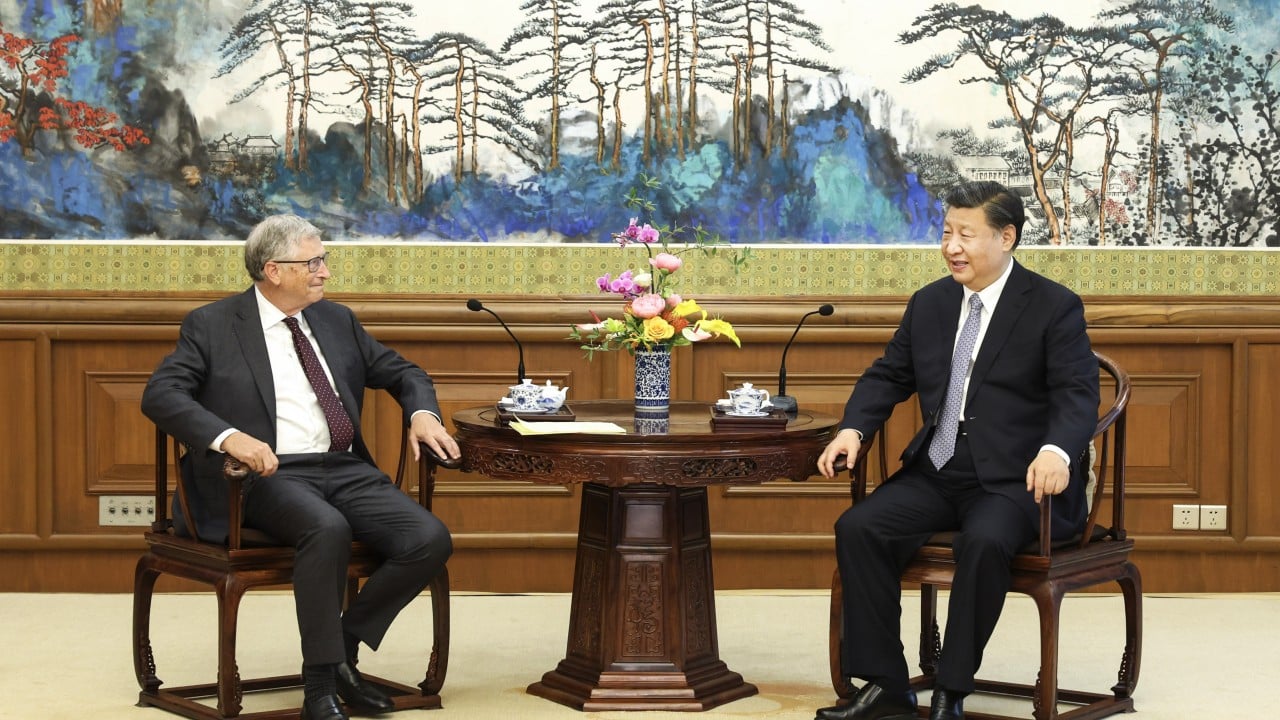
Bill Gates is likely to meet Chinese President Xi Jinping later this year as the Microsoft co-founder seeks to rally support for global cooperation on artificial intelligence (AI) risks. A meeting may take place in November, Reuters reported on Wednesday citing a Gates spokesman. Xi last met his “old friend” in 2023, when Gates became the first foreign business leader to visit the Chinese president following the Covid-19 pandemic. Gates also published a 6,000-word essay on Wednesday that called...

How Shenzhen can win the ‘AI for science’ race
Industry

How Shenzhen can win the ‘AI for science’ race

Rather than copy the research-focused models of Beijing and Shanghai, the tech hub must leverage its industrial depths to become a premier lab for experimentation and deployment The opportunity is obvious: AI could become a new source of scientific productivity and industrial growth. The trap is copying what other cities are doing. Shenzhen should not try to become Beijing with more hardware, or Shanghai with a different set of industry labels; it should build around its own comparative advantage. The first advantage is the structure of its innovation economy. Shenzhen invested 245.31 billion yuan in research and development in 2024, the highest R&D intensity among Chinese cities. Strikingly, companies accounted for over 93 per cent of that spending. Those figures describe a city where research, engineering and commercial deployment sit unusually close together. This matters in the AI-for-science drive because the hard part isn’t only inventing an algorithm, but turning it into a reliable scientific tool.

What China can do to secure trade routes in its coming high-seas struggle with US
Industry

What China can do to secure trade routes in its coming high-seas struggle with US

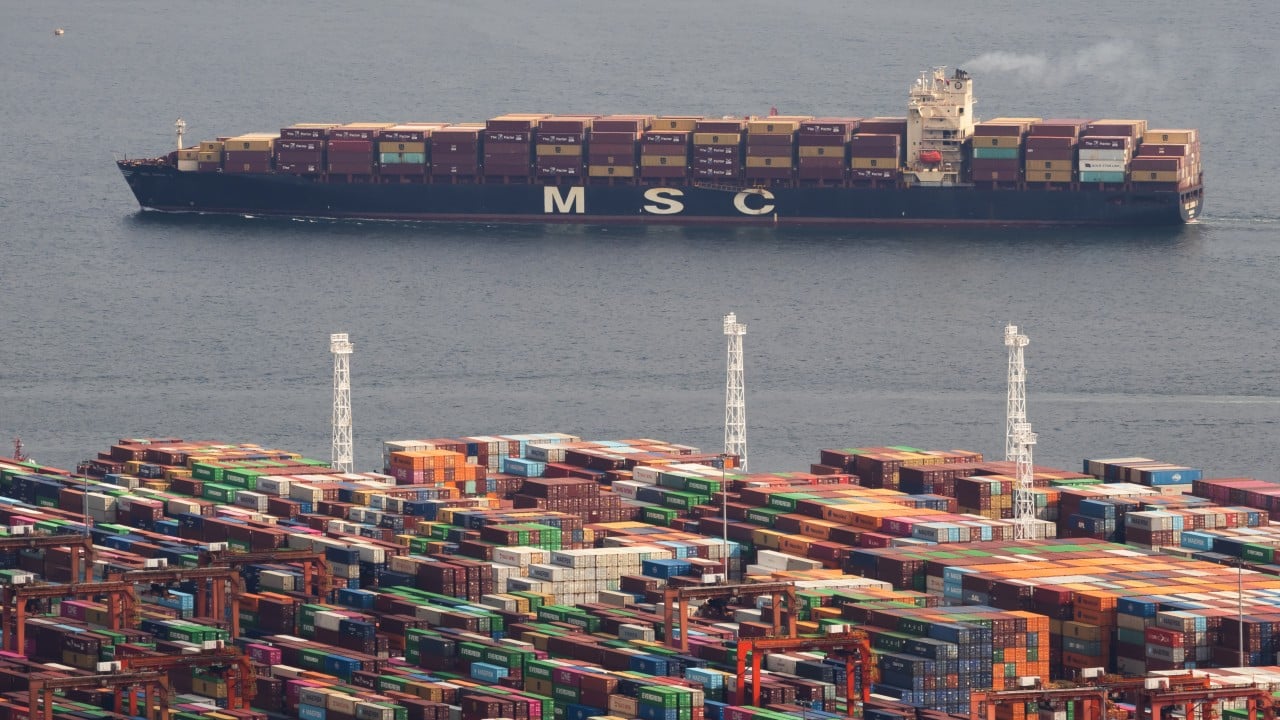
Di Dongsheng argues it could take three decades for China to dominate access to ports, straits, canals and shipping lanes around the world China should forge a national consensus on “regaining mastery of the oceans” and direct overseas investment returns into defence spending to brace for sea-power competition with the US, according to a prominent Chinese academic. Di Dongsheng, associate dean of Renmin University’s school of international studies in Beijing, warned on Tuesday that as economic ties between the United States, the dominant maritime power, and China, which relies heavily on sea-bound trade, shifted towards competition, the era of open oceans could be drawing to a close. “We must prepare for struggle in a coming contest over sea power and the security of shipping routes,” Di wrote in a note on his social media channel. He argued it could take about three decades for China to secure dominance over and access to ports, straits, canals and shipping lanes around the world in a step-by-step process. “Before then, the possibility that a portion of [China’s] import and export trade relying on maritime transport would come under threats, or even partial shocks, still warrants close attention,” he said.

Wang Yi calls on US to ‘overcome obstacles’ ahead of Xi-Trump meeting
Industry

Wang Yi calls on US to ‘overcome obstacles’ ahead of Xi-Trump meeting

In meeting with US envoy, China’s top diplomat urges Washington to focus on a positive agenda as the two sides prepare for Xi’s trip In a social media post, Perdue later described the talks as part of “preparations for President Xi’s reciprocal visit to Washington”. Wang’s message comes ahead of an expected September 24 meeting between Xi and US President Donald Trump at the White House. Citing “various risks and challenges” in the relationship, Wang said that “under the guidance of the two heads of state, both sides are working to build a constructive China-US relationship of strategic stability”. “Facts have proven that improving and developing China-US relations, peaceful coexistence on the basis of mutual respect, and then win-win cooperation serve the fundamental interests of the two peoples and meet the common expectations of the international community,” he said.

Chinese scientists discover that trees are producing ozone smog in Beijing
Industry

Chinese scientists discover that trees are producing ozone smog in Beijing

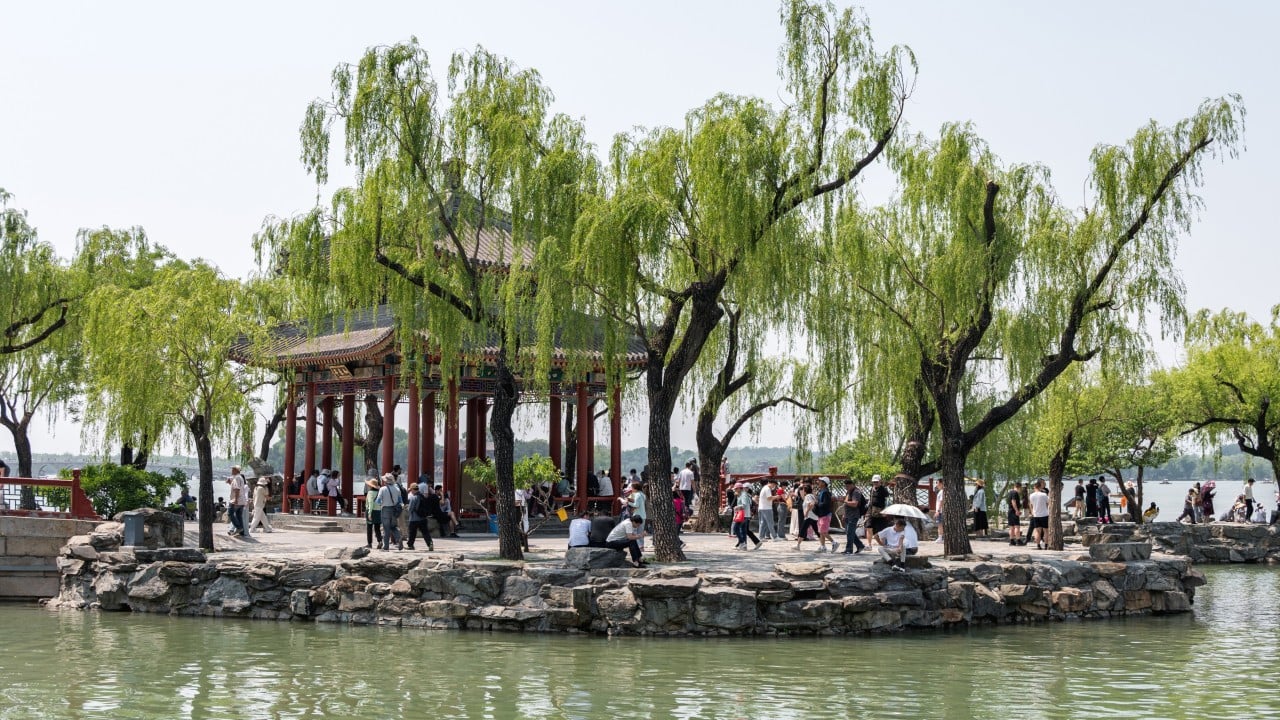
The city’s poplars and willows have been identified as the source of an unexpected spike in ozone levels during the heat of the summer Beijing’s hundreds of thousands of weeping willows and poplars have been a welcome source of shelter from the fierce summer sun for more than four decades – but they may also be an unexpected source of pollution, according to new research. Scientists warned that this urban greenery may be “choking” the Chinese capital’s 20 million residents by increasing the levels of ozone in the city’s air. Smog caused by the ozone released by car exhaust has been recognised as a public health problem since the 1940s, with some severe incidents known to have killed hundreds of people. Beijing’s ozone levels had puzzled researchers because many cars in the city have gone electric, but they have now identified the compounds released by the trees as the most likely culprit. An international team led by scientists from Jinan University in Guangzhou initially intended to measure how human activities generated ozone pollution – but they soon discovered that the trees in Beijing generated far more smog than expected, according to research published in the journal Science Advances.

China’s anti-corruption drive by the numbers
Industry

China’s anti-corruption drive by the numbers

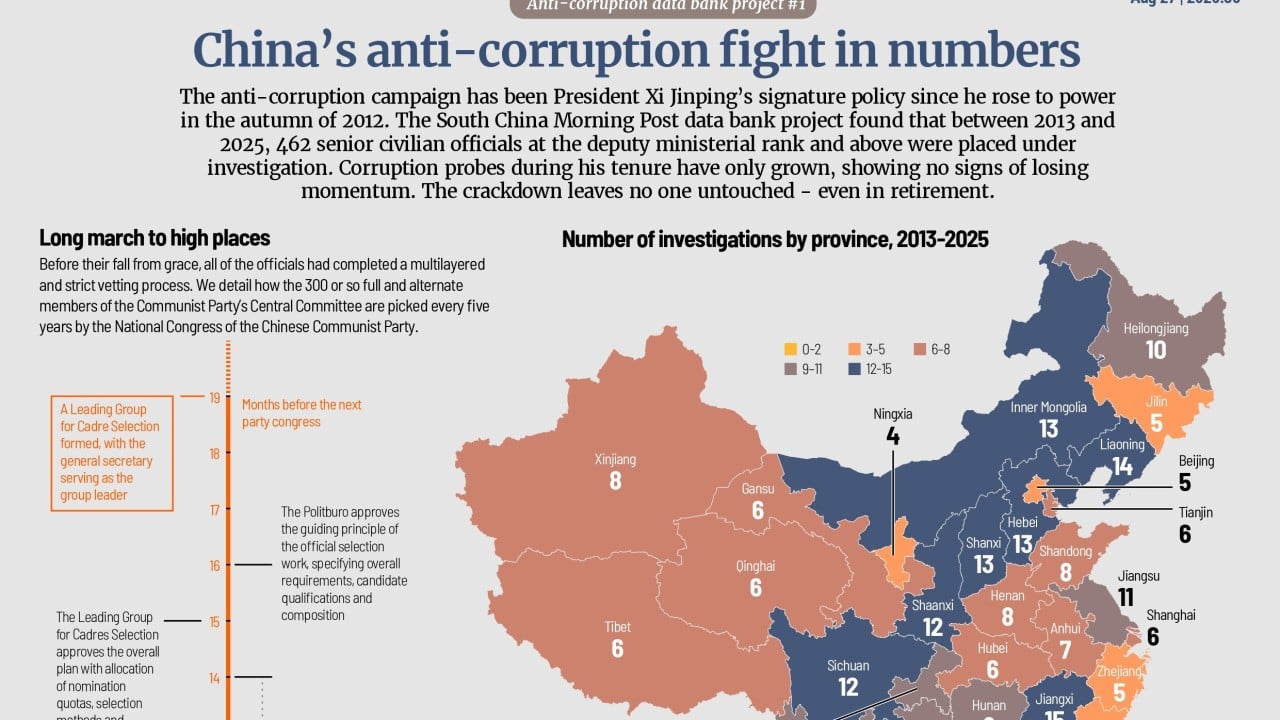
For more, check out the South China Morning Post’s full anti-corruption data bank project:

Japan fast-tracks anti-drone system amid China’s military build-up
Industry

Japan fast-tracks anti-drone system amid China’s military build-up

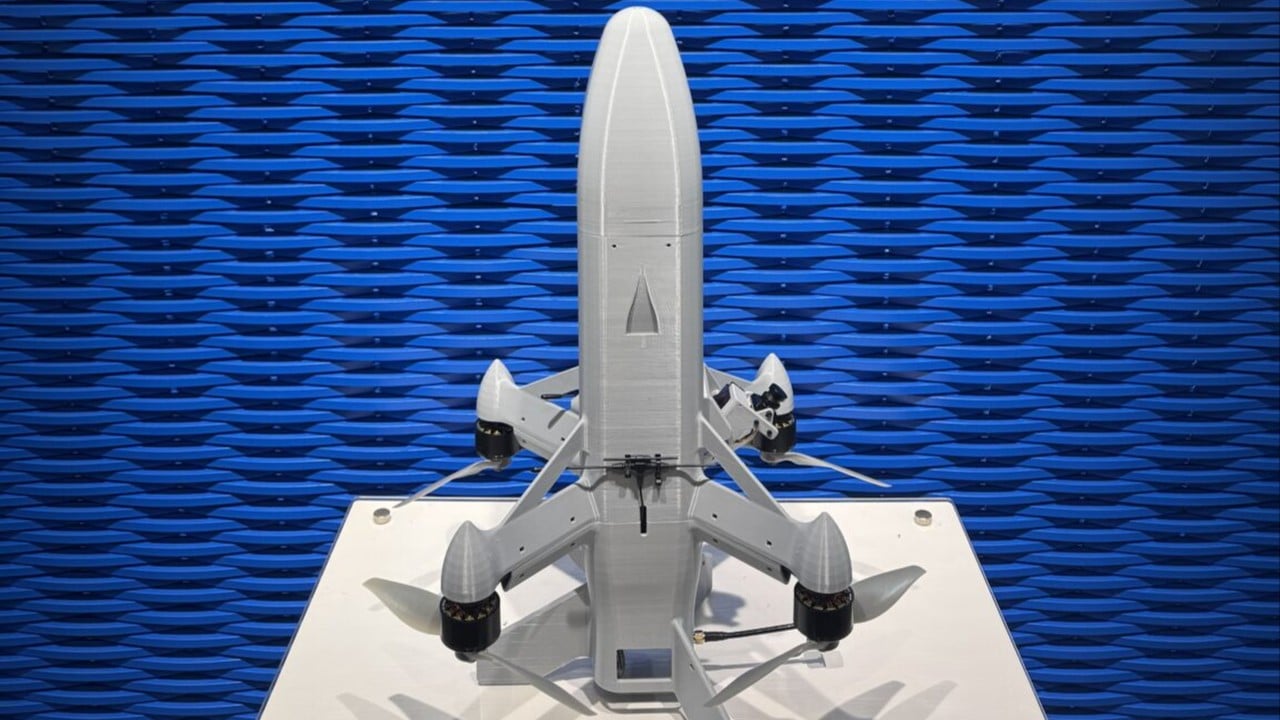
Ukraine conflict shows the value of nimble procurement, which experts say could help Tokyo respond to Beijing’s expanding capabilities The defence ministry’s Acquisition, Technology and Logistics Agency (ATLA) announced on Tuesday that it had signed a contract to buy Terra Drone’s Terra B1 system following competitive trials. The decision marks the first time the ministry has used its rapid-acquisition approach to acquire drones. ATLA described the roughly three-month process as “unprecedented”. Terra Drone said the B1 was the only system to pass the trials and that it would begin mass production. Delivery is planned for around September, with the Maritime Self-Defence Force expected to receive the system first.