Business — 1,913 insights
Is Kim Yo-jong’s rebuke a sign North Korea is ditching Asean diplomacy?
Business

Is Kim Yo-jong’s rebuke a sign North Korea is ditching Asean diplomacy?

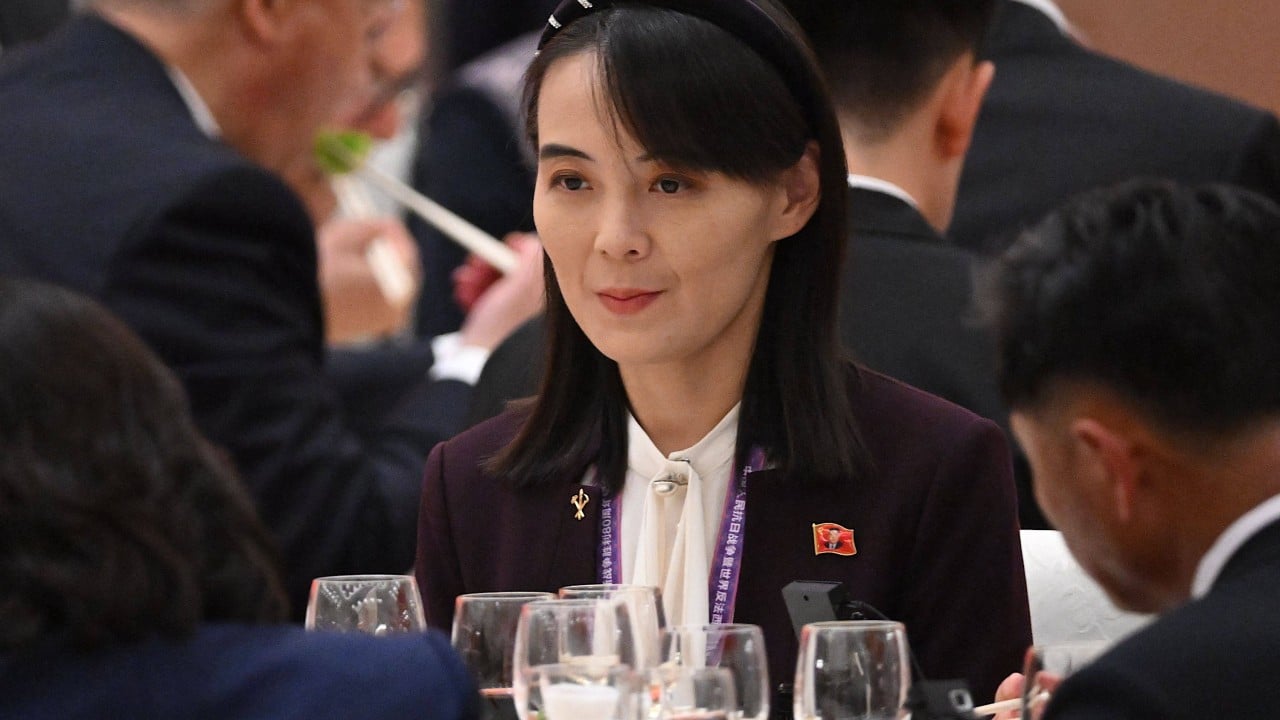
Kim Yo-jong says Asean’s call for denuclearisation has ‘distorted the essence of the situation in the Korean peninsula’ At the annual Asean Regional Forum held in the Philippines last Thursday, Asean expressed “grave concern” over the ongoing development of North Korea’s nuclear weapon and missile programmes. The meeting also “stressed the importance of resuming peaceful dialogue among all concerned parties in order to realise lasting peace and stability in a denuclearised Korean peninsula”. Pyongyang state media quoted Kim Yo-jong as retorting: “It is a failure in strategic thinking and logic and a manifestation of a stupid and foolish wild dream to still adhere to the ‘denuclearisation of the Korean peninsula’ which had already lost its meaning conceptually and practically.” Kim Yo-jong said she “expressed strong dissatisfaction with the forum’s undisguised hostile attitude of going along with the US trumpeting about ‘denuclearisation’”, warning that the Asean forum should not be “misused as a hired mouthpiece for the US”.

Singapore detains 3 ‘self-radicalised’ teens over planned attacks
Business

Singapore detains 3 ‘self-radicalised’ teens over planned attacks

The teens, aged 14 to 19, were held under the Internal Security Act, which allows for detention without trial Singapore authorities said on Monday they had arrested three teenagers over separate plots to carry out shooting, stabbing and bomb attacks, warning of the threat of “youth radicalisation” in the security-conscious city state. The three boys, detained between April and June, had been “self-radicalised” online, adopting violent extremist ideologies, the Internal Security Department (ISD) said. They are held under the Internal Security Act, which allows for detention without trial. One of them, a 14-year-old student, is accused of planning a stabbing attack at his school, the ISD said. Drawn to the jihadist ideology of the Islamic State group, he allegedly intended to target “non-Muslim teachers and schoolmates” and livestream the attack. He had initially tried to acquire a gun but dropped the plan because of Singapore’s strict firearm laws, and considered making a bomb but lacked the funds for it, the ISD said. The boy idolised mass shooters, and was a fan of first-person shooter games on online platform Roblox, according to the security agency.

Iran halts strikes as Trump gives space to talks
Business

Iran halts strikes as Trump gives space to talks

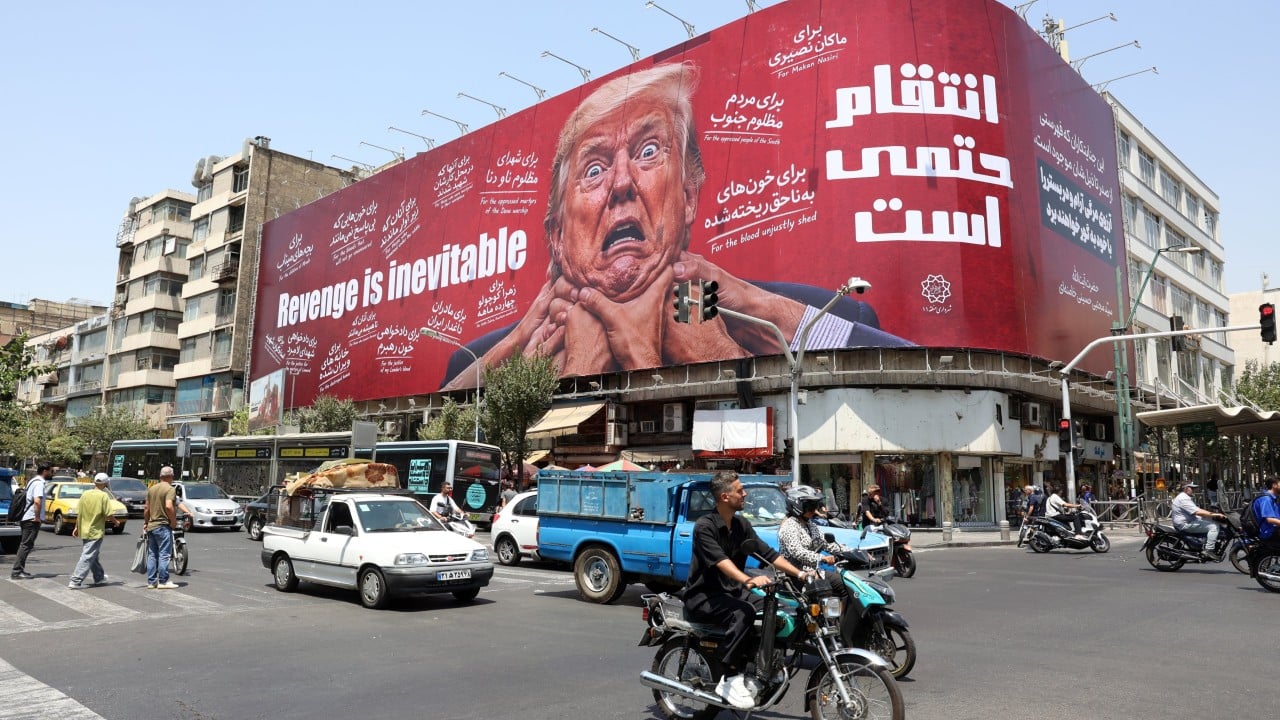
The calmer situation eased worries about a resurgence in inflation and a fresh round of interest rate hikes Iran and the United States held their fire on Monday, handing Gulf shipping and the oil industry a respite from missile strikes as Donald Trump’s UN envoy said the president was “giving talks some space”. Tehran said it had halted retaliatory attacks against Washington’s allies in the Middle East, and US ambassador to the United Nations Mike Waltz told Fox News Sunday that, while forces remained “locked and loaded”, Trump would give negotiations “a little bit of room”. Fighting over the strategic Strait of Hormuz derailed diplomatic efforts between Washington and Tehran, triggering a US air campaign and Iranian reprisals that expanded the conflict to shipping lanes, Gulf allies and military bases across the region. Prior to Friday, the US military had carried out strikes on Iran for 13 consecutive nights, in the largest rekindling of the almost five-month-old war since an April ceasefire. But Friday, Saturday and Sunday nights passed without bombing. “Since … our strategy has essentially been retaliatory, we have also halted our retaliatory operations,” said Iran’s army spokesman Mohammad Akraminia.

New DNA tracking helps spot rare ‘Tai O fish’ in Hong Kong waters after 10 years
Business

New DNA tracking helps spot rare ‘Tai O fish’ in Hong Kong waters after 10 years

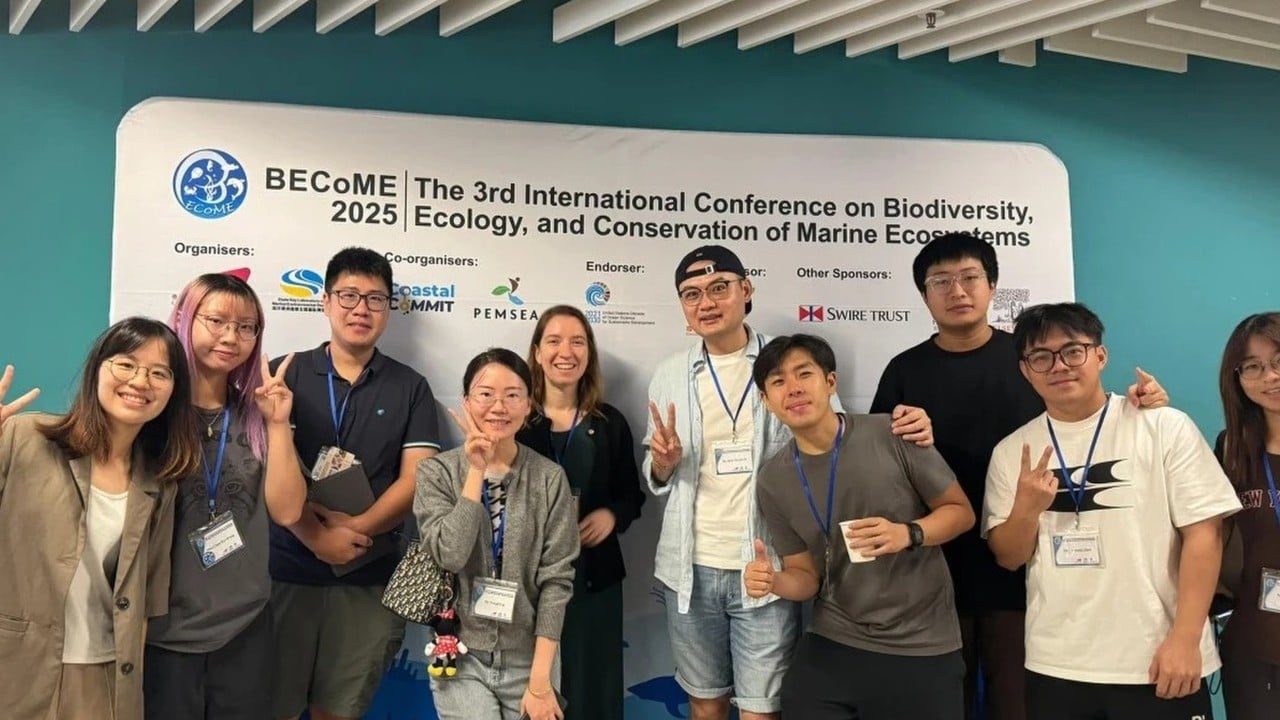
DNA of rare Chinese bahaba found in Hong Kong waters last September, a month after about 1,300 hatchery-reared juveniles released into Pearl River Estuary A Hong Kong academic has used environmental DNA technology to detect the critically endangered Chinese bahaba – commonly known as the “Tai O fish” – in local waters for the first time in more than a decade. Jack Ip Chi-ho, an assistant professor at Lingnan University’s division of science, co-led the study with Wang Junjie, a professor at South China Normal University in mainland China. Together, they developed a genetic identification method capable of detecting traces of Chinese bahaba DNA left in the marine environment. The rare species’ DNA was identified in Hong Kong’s western waters in September last year, one month after about 1,300 hatchery-reared juvenile Chinese bahaba were released into the Pearl River Estuary from the mainland. Lingnan University said the finding – the first in more than 10 years – suggested some of the released fish might have entered Hong Kong waters.

India is losing its regional primacy as Beijing and Washington move in
Business

India is losing its regional primacy as Beijing and Washington move in

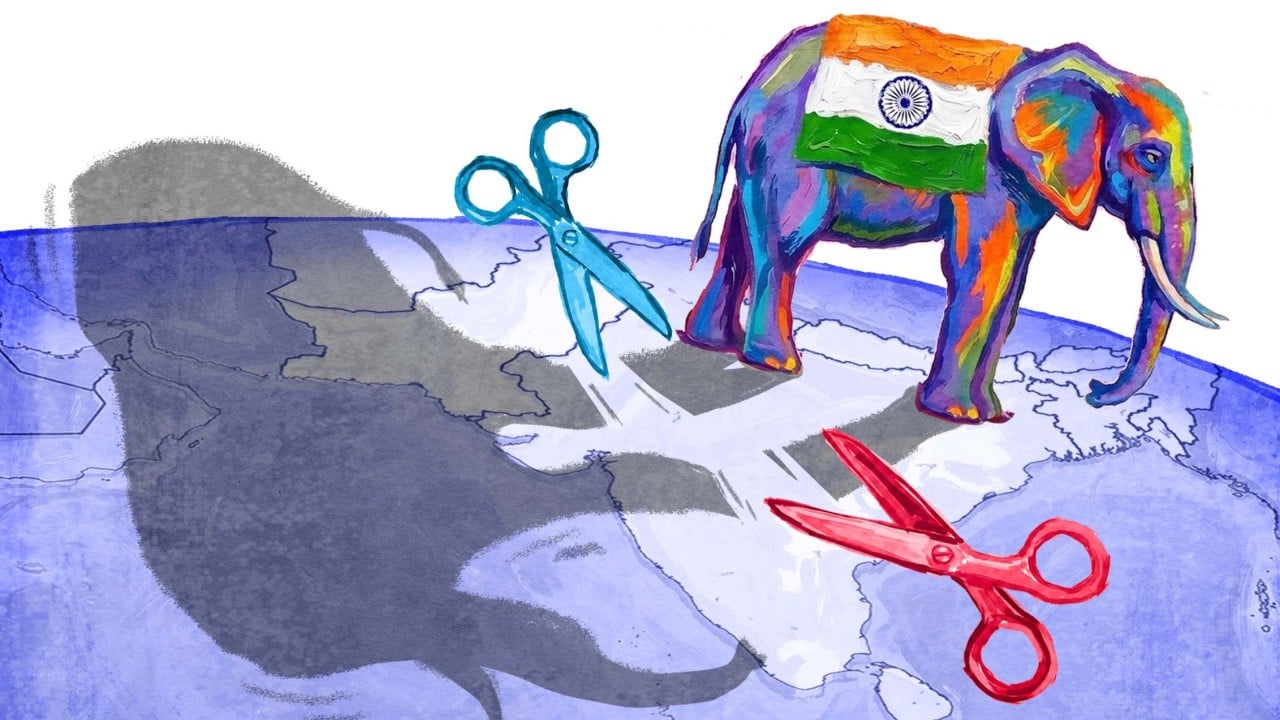
South Asia is undergoing a gradual but important shift. Smaller states now command a widening array of options, and India’s primacy is quietly giving way. The lesson is clear. Regional leadership can no longer rest on geography and must be sustained through credible and mutually beneficial engagements that compare favourably with the alternatives. China’s challenge begins at India’s border. Both countries fought in 1962, continue to dispute a frontier of roughly 3,500km and had their deadliest...

Will the heat from a cooking oil scandal help the opposition in Taiwan?
Business

Will the heat from a cooking oil scandal help the opposition in Taiwan?

Mass protest may have put Taipei mayor Wayne Chiang in pole position to contest the island’s next leadership election The unexpectedly large turnout on Saturday appears to have given the island’s main opposition party, the Kuomintang, fresh momentum ahead of the local elections in November, and could reshape the race to become the party’s candidate in the next leadership election in 2028. The demonstration outside the office of Taiwanese leader William Lai Ching-te was the largest opposition rally since Lai came to power two years ago. Protesters accused the government of mishandling a scandal involving soybean salad oil found to contain excessive levels of the carcinogen benzo[a]pyrene, demanding that Lai apologise and Premier Cho Jung-tai resign. It showed that food safety could mobilise people in a way that cut across party lines, according to Chang Yuan-hsiang, a political-science professor at Soochow University in Taipei.

French police arrest man who wounded 3 with knives in Paris
Business

French police arrest man who wounded 3 with knives in Paris

The man was detained ⁠by an off-duty police officer, and the motive of the attack remains unknown French police detained a man ‌on Monday after he attacked three women with knives near Porte de Clichy in Paris, Interior Minister Laurent Nunez told reporters. The man attacked the three women, who were aged 19, 24 and 36, with two kitchen knives, severely wounding two ⁠of them, Nunez said. Video aired on social media and verified by ‌Reuters showed a man with long black hair, wearing a cream tracksuit and wielding one big knife in ‌each hand stabbing and attempting to attack a young woman. ⁠It is ⁠unclear if the woman was injured. Another part of the video shows the same ‌man lying on the ground immobilised by bystanders, while the two knives are lying nearby ‌on a ‌pedestrian crossing. “It is Allah who commanded me,” the man ‌lying on the floor said. Nunez said the man had been detained ⁠by an off-duty police officer. “I pay tribute to him, it was a ⁠courageous act,” he added. The motive of the attack remains unknown, Nunez said, adding police could not verify the identity of ‌the attacker, whose declarations ‌were “incoherent” while he was being arrested.

US criticism of Malaysia’s Israel stance spotlights growing ‘disconnect’
Business

US criticism of Malaysia’s Israel stance spotlights growing ‘disconnect’

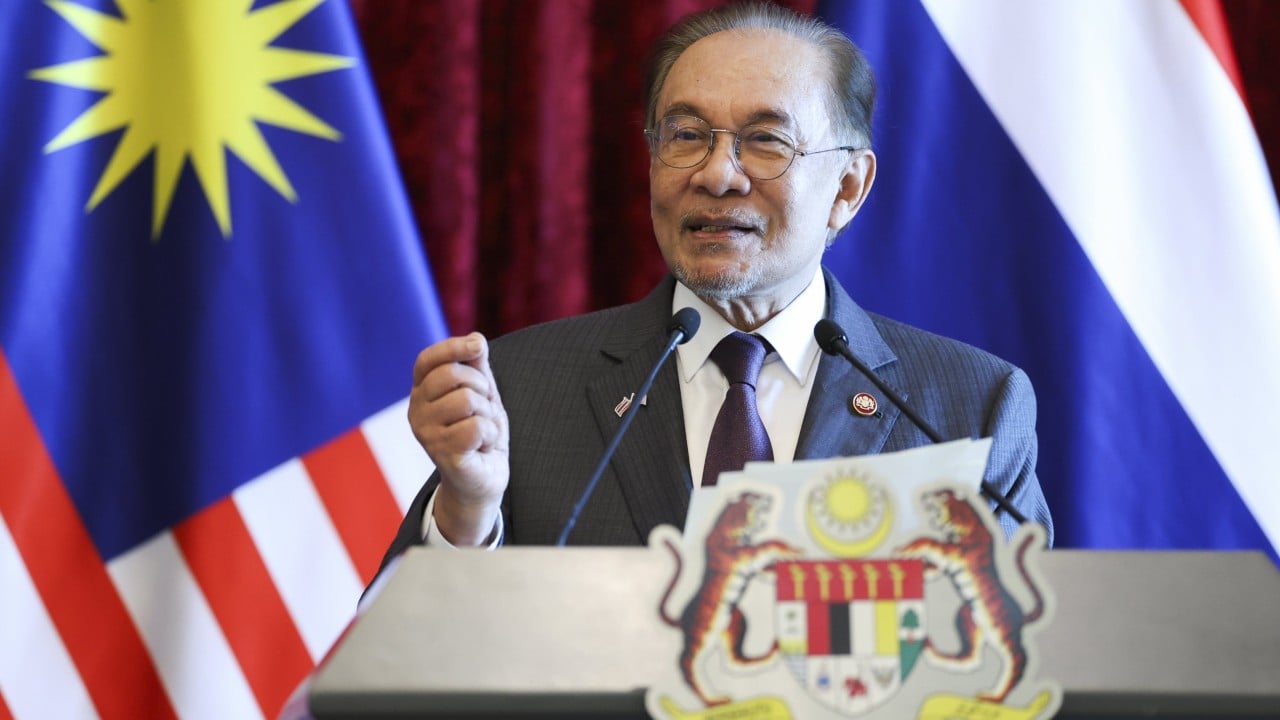
Claims that Malaysia’s ban on Israelis entering the country are antisemitic are unlikely to trigger a major policy shift, analysts say The remarks escalated a dispute that has drawn in members of the US Congress, Malaysia’s long-standing refusal to recognise Israel and the widening international debate over where criticism of Israel ends and hostility towards Jewish people begins. “We are not insulting the Jews. We are against what Israel is doing,” Anwar told reporters on Friday. “We are being labelled as if we are against a certain group. We are only against countries that oppress others.” Anwar said Malaysia’s policy on Israel was well received by Malaysians but not by US lawmakers. “We are a sovereign and independent country. We will not compromise nor allow a single Israeli to set foot in Malaysia,” he said.

China condemns US over new Section 301 tariffs – but holds off on retaliation
Business

China condemns US over new Section 301 tariffs – but holds off on retaliation

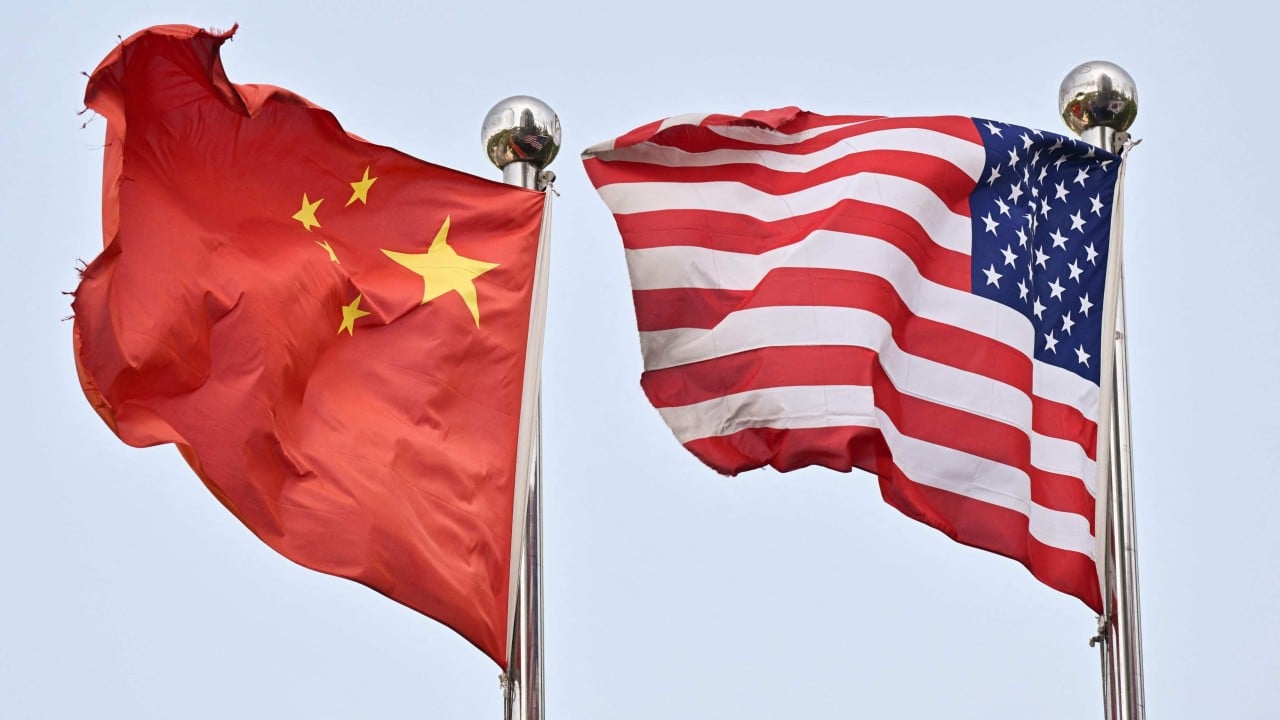
Beijing also rejects allegations that Chinese companies trained local AI models on American systems China’s Ministry of Commerce has objected to Washington’s latest tariff on the country’s goods but signalled it will hold off on retaliation for now, noting the 12.5 per cent duty keeps the United States within the ceiling that the Trump administration promised in earlier talks. It added that the US had previously promised Beijing that tariffs on Chinese goods would not exceed 20 per cent while reserving “the right to take all necessary measures”. The US imposed fresh tariffs of 10 to 12.5 per cent on 60 trading partners on Thursday, including China and allies such as the EU, Japan and South Korea, following the Section 301 investigation. Washington has another Section 301 investigation under way into excess industrial capacity, covering 16 economies including China and the European Union. In a separate statement published on the same day, the commerce ministry also rejected US allegations that Chinese AI companies had “distilled” American models – a practice that uses the outputs of larger systems to train smaller ones.

A robot every 12 minutes? China’s smart manufacturing in action
Business

A robot every 12 minutes? China’s smart manufacturing in action

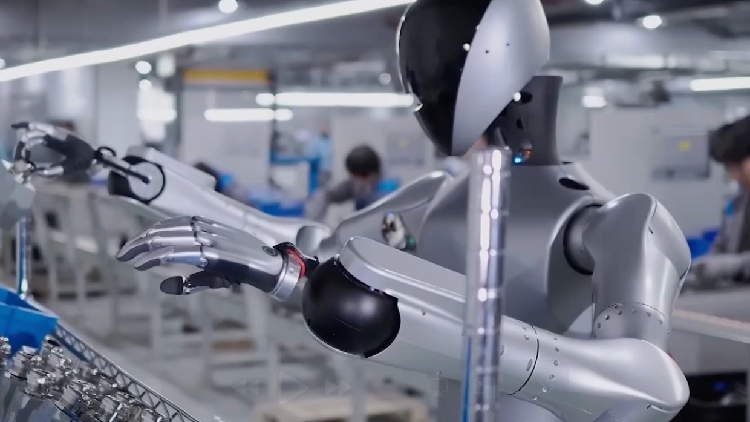
By continuing to browse our site you agree to our use of cookies, revised Privacy Policy and Terms of Use. You can change your cookie settings through your browser. An industrial robot is assembled every 12 minutes in Chengdu. Powered by 3D vision models, the robots are learning to see, decide and work in complex environments.

Slovakia seizes new opportunity with China
Business

Slovakia seizes new opportunity with China

By continuing to browse our site you agree to our use of cookies, revised Privacy Policy and Terms of Use. You can change your cookie settings through your browser. Grassalkovich Palace, the office and official residence of Slovak President, Bratislava, Slovakia, June 25, 2026. /VCG Editor's note: Lin G. is a CGTN economic commentator. The views expressed in this article are the author's own and do not necessarily reflect those of CGTN. As President of the Slovak Republic Peter Pellegrini visits Beijing, China and Slovakia are demonstrating that their economic partnership is entering a new stage shaped not only by trade, but by the ability to build industries together. The Gotion-InoBat Batteries gigafactory in Surany, Slovakia's first large-scale battery manufacturing facility, embodies this transformation. At first glance, it may appear to be just another Chinese investment in Europe's electric vehicle supply chain. However, it represents something more significant: Slovakia's determination to transform itself from one of the world's leading producers of conventional automobiles into a key player in Europe's electric mobility revolution.

How will rare earth supplies impact Japan’s high-end manufacturing?
Business

How will rare earth supplies impact Japan’s high-end manufacturing?

By continuing to browse our site you agree to our use of cookies, revised Privacy Policy and Terms of Use. You can change your cookie settings through your browser. Editor's note: Liu Xu is executive director of the Center for International Energy and Environment Strategy Studies, Renmin University of China. The article reflects the author's opinions and not necessarily the views of CGTN. Facilities in the Keihin Industrial Zone, Kawasaki, Japan, May 26, 2025. /VCG Japan's high-end manufacturing — from electric vehicles and industrial robots to semiconductor equipment and medical devices — rests on a fragile foundation: An overwhelming dependence on rare earth elements imported from China. With China tightening export restrictions since early 2026, that foundation is now shaky. The supply shock is already visible in trade data, corporate balance sheets, and factory floors, raising urgent concerns about cost pressures, supply chain resilience, and the global search for alternatives. China controls roughly 70% of global rare earth mining and over 90% of the refining capacity that turns ores into usable metals. For Japan, which sourced about 66% of its rare earths from China in 2025, this dependence has become a strategic liability.