Business — 3,512 insights
For a China on the rise, soft power is vital
Business

For a China on the rise, soft power is vital

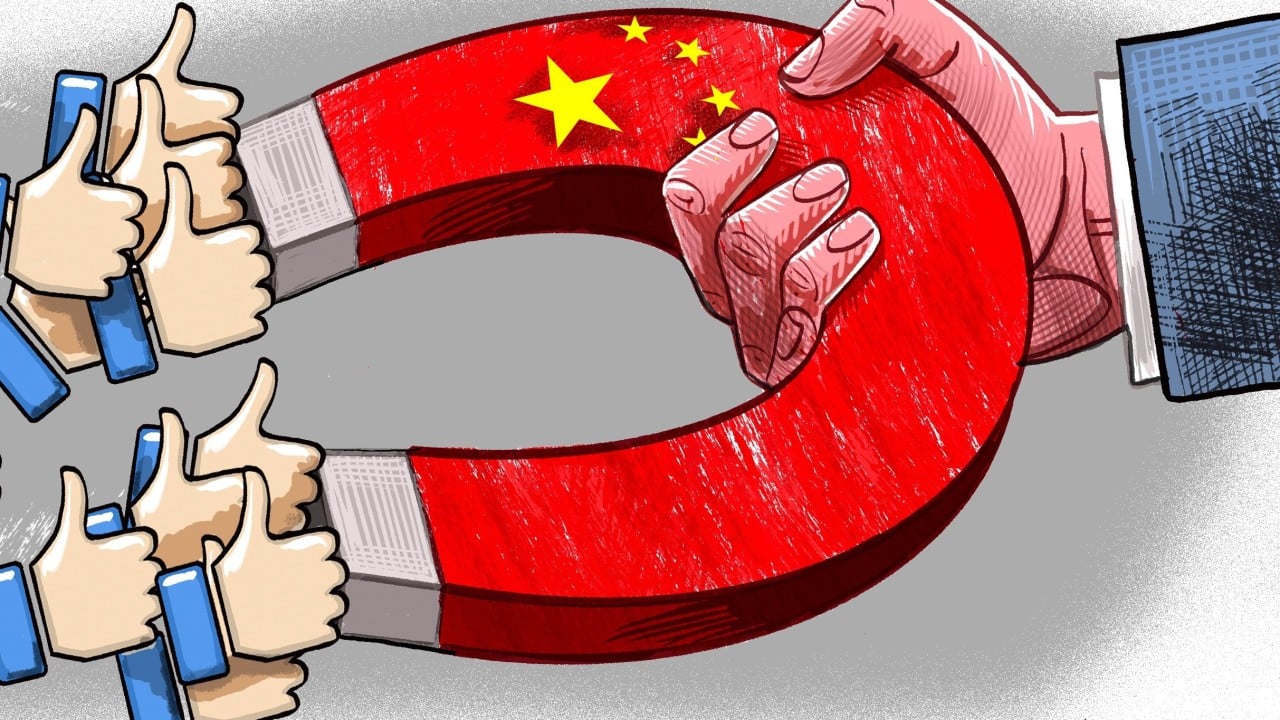
With trusted businesses, more openness, creative culture and inspiring sporting successes, China is building a foundation for influence Europeans are reconsidering who their countries should partner with in an increasingly uncertain world. A June survey of 24 European Union countries by Public First on whether to have closer ties with the United States or China found opinion divided. Eight leaned towards China, nine favoured the US and seven were split. This is not just a question of economics or geopolitics. It is about reputation as well. China has sought to portray itself as a more stable and reliable long-term partner as Washington becomes increasingly unpredictable. Whether that perception lasts, it highlights a broader truth: international influence is not just about power, but also about trust. Soft power is a country’s ability to shape preferences and inspire admiration through attraction. Simply put, it is about a nation’s likeability. Countries with strong soft power are trusted, respected and emulated. Their products are in demand, their culture admired and their people welcomed. Such perceptions matter.


China Life sets up semiconductor fund amid Beijing’s call for ‘patient’ capital
Business

China Life sets up semiconductor fund amid Beijing’s call for ‘patient’ capital

The US$737 million yuan fund for semiconductor investment to support chip firms with ‘substantial technical know-how and resources’ Companies backed by the state and provincial governments in China have announced new funds to focus on the semiconductor industry, which requires a large amount of time and resources to grow, at a time when the country is in need of more “patient capital”. China Life Insurance, the country’s largest life insurer, backed by the State Council, said it would establish a partnership with total capital of 5 billion yuan (US$737 million) that “principally invests in companies operating in the semiconductor industry”, according to Friday filings to both main bourses in Hong Kong and Shanghai. The fund, jointly formed with a China Life sister company, would finance chip design firms and others that have “accumulated substantial technical know-how and resources in the semiconductor industry, with distinctive core technological advantages and a well-established research and development system”, according to the filings.

Could China’s lunar laser tower bring Nikola Tesla’s free energy dream to life?
Business

Could China’s lunar laser tower bring Nikola Tesla’s free energy dream to life?

Chinese scientists show how wireless electricity may become reality on the moon, with laser network to beam solar energy into dark craters Legendary inventor Nikola Tesla’s dream of transmitting electricity wirelessly never became a reality on Earth. Instead of relying on long cables or heavy batteries, future lunar rovers exploring these craters could receive power through laser beams transmitted from solar-powered stations positioned on nearby sunlit peaks, according to researchers from the Harbin Institute of Technology. The team outlined an optimised deployment strategy for such a lunar laser power transmission network in a peer-reviewed paper published in the Journal of Deep Space Exploration. The Harbin Institute scientists behind the study are also affiliated with the National Key Laboratory of Laser Spatial Information and the National Key Laboratory of Aerospace Mechanism, research institutes strategically critical to China’s aerospace advancement.

How are China’s busiest ports growing quieter?
Business

How are China’s busiest ports growing quieter?

By continuing to browse our site you agree to our use of cookies, revised Privacy Policy and Terms of Use. You can change your cookie settings through your browser. Ports are shifting to remote digital operation, with data flows drastically boosting efficiency. In this episode of Old Industries - New Growth, we explore how ports are turning quieter in China. (Video generated with AI assistance)

How can Hong Kong age well?
Business

How can Hong Kong age well?

Read the full article at the source →

Five Guys to open in Beijing as more US chains hunger for success in China
Business

Five Guys to open in Beijing as more US chains hunger for success in China

Unlike earlier attempts that relied on management by overseas headquarters, US firms now favour franchising, analyst says American burger chain Five Guys will debut its first Beijing store next month, the company said last week, joining a group of US fast-food brands newly entering or accelerating their expansion in China. Chains including Wendy’s, Chili’s, Texas Chicken and Popeyes are hoping to grab a slice of the world’s second-largest consumer market as they face saturation at home, analysts said. Five Guys opened its first China outlet in Shanghai in 2021 and drew large crowds. It plans to open three locations in Beijing at popular shopping centres catering to young consumers, with site hoardings indicating opening soon. “Some smaller American chains are seeking opportunities in China to offset saturation in their domestic markets,” said Sandy Lim, China consumer analyst at S&P Global Ratings.

‘I’m lonely’: why do Hong Kong’s elderly feel isolated – and how can they be helped?
Business

‘I’m lonely’: why do Hong Kong’s elderly feel isolated – and how can they be helped?

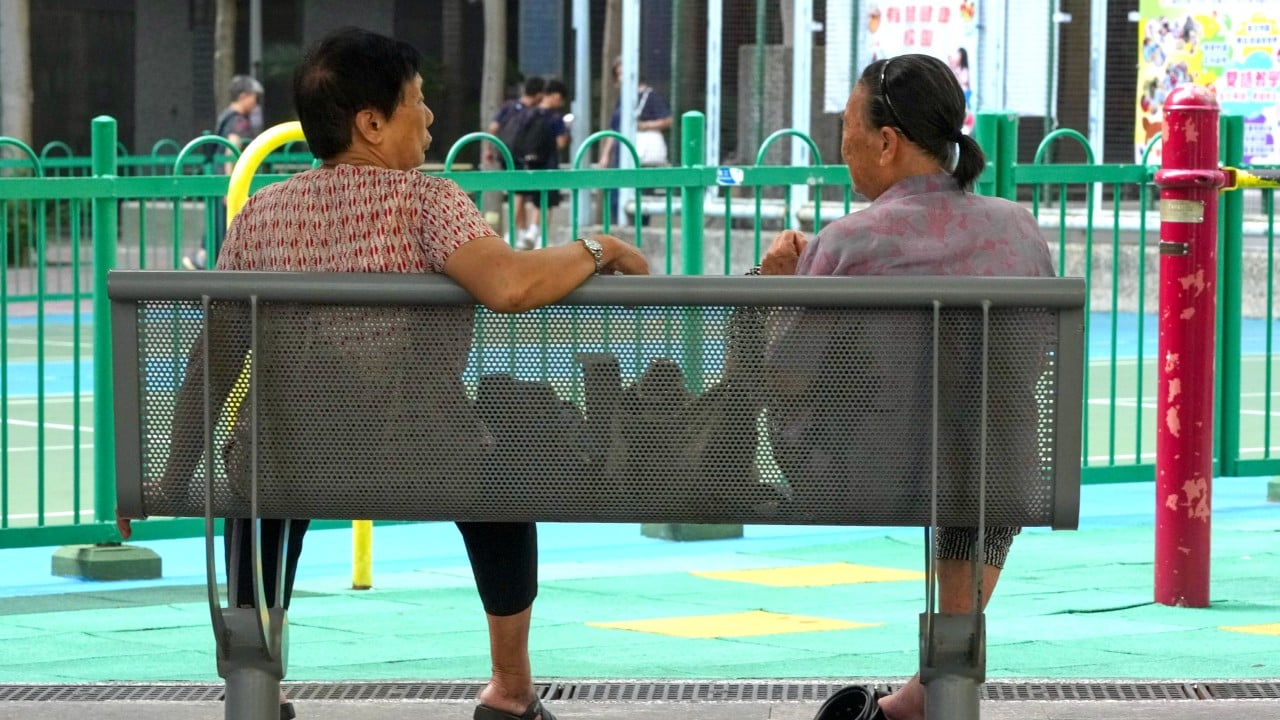
While elderly loneliness can be as harmful as heavy smoking, experts point to community solutions to tackle growing health risk In the first of a five-part Health Matters wellness series on ageing in Hong Kong, Fiona Sun examines rising social isolation among the elderly, its serious health risks and how activities and community support are helping seniors stay socially engaged. Chow Kam-shim, 92, and her husband Lau Moon-wing, 100, still face off against opponents every day on the boccia court at their residential home for the elderly in Hong Kong’s Po Lam. Focused and steady, the couple send coloured leather balls gliding across the floor, aiming to land them as close as possible to the white target ball. Chow said they began learning the precision sport about five years ago. In 2024, they competed against more than 300 elderly participants and won third place at an annual boccia competition organised by NGO Helping Hand, bringing home a trophy. “We play the sport to train our brains, exercise our bodies and stay connected,” said the grandmother of three. Their daily routine stands in contrast to that of many of their peers.

Brace for heavy rain and squally thunderstorms, Hong Kong Observatory warns
Business

Brace for heavy rain and squally thunderstorms, Hong Kong Observatory warns

Broad trough of low pressure affecting central South China Sea expected to bring heavy rain and thunderstorms to the city on Tuesday and Wednesday Hong Kong’s Observatory has warned of heavy showers and squally thunderstorms over the city in the coming week, but said it remains uncertain whether the low-pressure trough driving the storms will develop into a tropical cyclone. A spokesman for the Hong Kong Observatory said on Sunday that convective clouds associated with a broad trough of low pressure had been affecting the central South China Sea and were expected to bring heavy rain and thunderstorms to the city on Tuesday and Wednesday. “Whether the area of low pressure will further develop into a tropical cyclone remains rather uncertain,” the spokesman said. The forecaster added that the trough of low pressure was expected to move closer to the coast of southern China in the next few days. On Tuesday, the weather is predicted to be mainly cloudy with occasional showers and a few squally thunderstorms. Temperatures are expected to stay between 26 and 30 degrees Celsius (78 to 86 Fahrenheit) with a high probability of significant rainfall.

When drones become lifelines in Guangxi
Business

When drones become lifelines in Guangxi

By continuing to browse our site you agree to our use of cookies, revised Privacy Policy and Terms of Use. You can change your cookie settings through your browser. After typhoon-triggered flooding cut off villages in south China's Guangxi Zhuang Autonomous Region, more than 100 volunteer drone pilots took to the skies, delivering water, food and other essential supplies.

65 arrested as Hong Kong police raid unlicensed nightclubs, gambling dens
Business

65 arrested as Hong Kong police raid unlicensed nightclubs, gambling dens

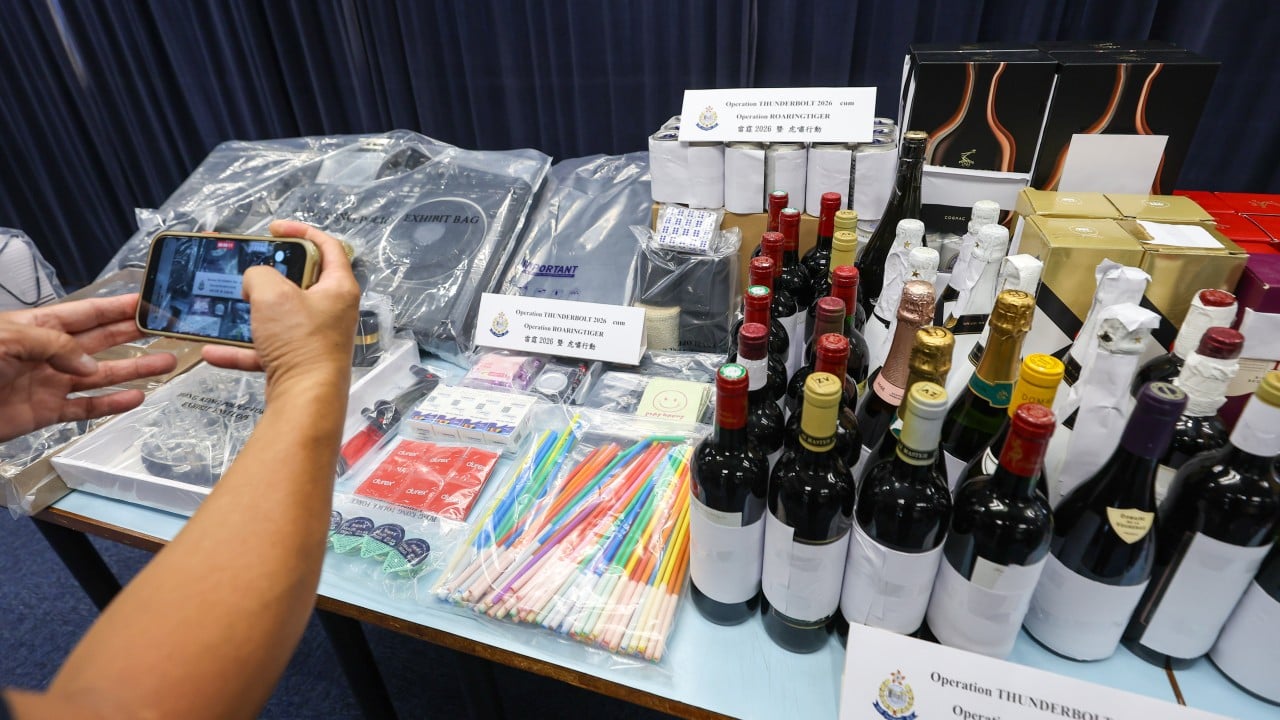
Illicit drugs worth HK$190,000 seized during raids on 10 venues across Hung Hom, Yau Ma Tei, Tsim Sha Tsui, Mong Kok and Sham Shui Po Hong Kong police have arrested 65 people in a crackdown on a criminal syndicate accused of running unlicensed nightclubs and gambling dens, where suspects allegedly supplied illicit drugs and hired illegal workers as hostesses. Superintendent Billy Ching Chi-yan said on Sunday that the force’s intelligence indicated a criminal syndicate was running illegal nightclubs inside industrial buildings in Hung Hom, as well as gambling dens in other areas of Kowloon West, prompting the operation. “Over the past two days, the Kowloon West regional crime headquarters launched a large-scale operation, code-named Thunderbolt and Roaring Tiger, to disrupt this syndicate’s sources of income,” Ching said. From Friday to Saturday, police and the Immigration Department deployed more than 170 officers to raid 10 venues across Hung Hom, Yau Ma Tei, Tsim Sha Tsui, Mong Kok and Sham Shui Po. Of those arrested, 40 were men and 25 women, aged 25 to 63. They face a range of charges, including drug trafficking, illegal gambling, money laundering and breach of conditions of stay in Hong Kong.

Why China’s ethnic unity law marks shift in policy towards assimilation
Business

Why China’s ethnic unity law marks shift in policy towards assimilation

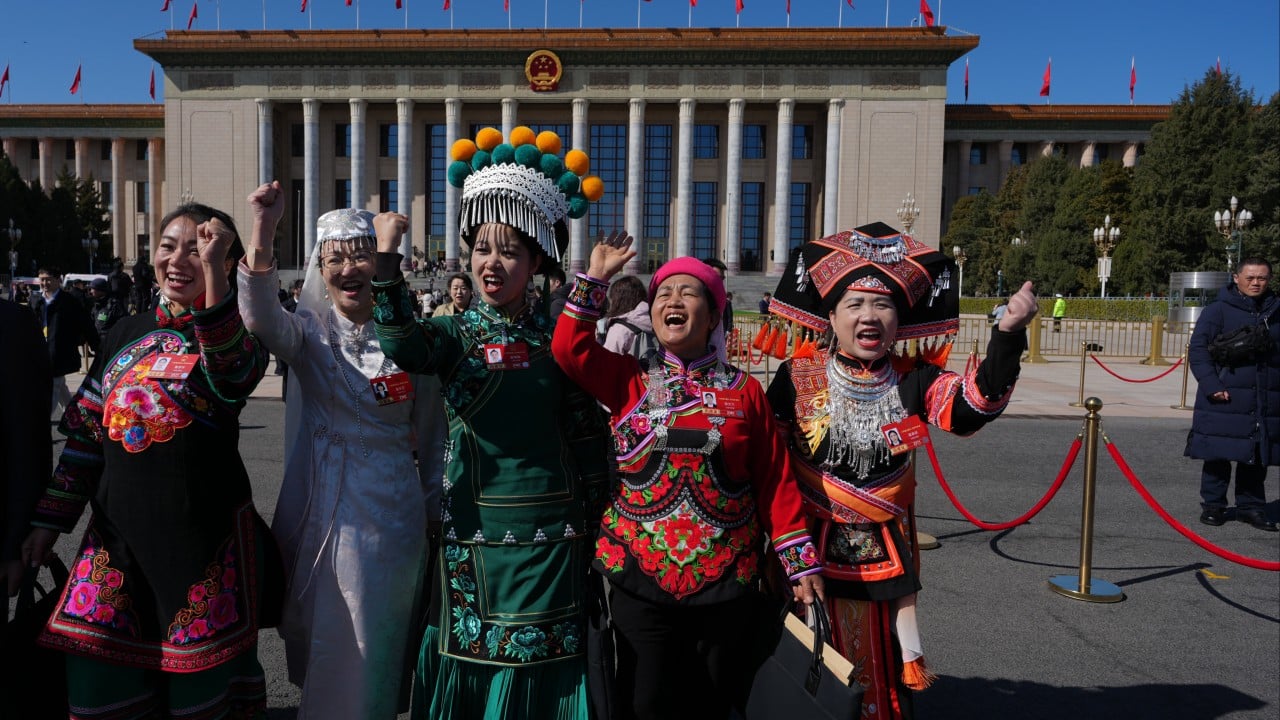
The law has been criticised by the EU and US, but Beijing says it is designed to build a sense of ‘national community’ China’s new law on ethnic unity signals a shift in Beijing’s focus from handling specific ethnic matters to assimilation, according to a party ethnologist. However, it has triggered concerns from the United States and the European Union about forced assimilation and the potential for “extraterritorial application”. An article about the law published in the Beijing Daily on Monday sought to clarify the fundamental transition in China’s ethnic policy. “The enactment of the law means that the focus of China’s ethnic work is shifting from ‘transactional governance’ to ‘holistic governance’ focused on the building of the Chinese national community,” it said. The article was written by Chen Shanshan, an ethnologist from the Central Party School, the training ground for China’s senior officials. The school also forms part of a nationwide system that President Xi Jinping considers key to the ideological purity of the Communist Party.

South Korea under emergency advisory as heatwave days increase
Business

South Korea under emergency advisory as heatwave days increase

Scientists warn that extreme weather events such as heatwaves are becoming more frequent and intense as a result of human-induced climate change South Korea issued its first-ever emergency heatwave alert on Sunday under a new warning system launched this year, advising people to halt outdoor activities and keep cool. The new warning system was introduced to better deal with a rising number of heatwaves in South Korea, which have become longer and more intense, officials said. An emergency alert is issued when areas experiencing a heatwave are forecast to hit perceived temperatures of 38°C or an actual temperature of 39°C for one day. “The Korea Meteorological Administration issued an Emergency Heatwave Warning at 10am today for two cities in southern North Gyeongsang Province – Gyeongsan and Pohang,” said agency chief Lee Mi-seon at a press briefing. “This marks the first time it has been issued since the system took effect,” she added. The affected areas saw temperatures reach the emergency criteria over the weekend.