Business — 3,379 insights
Pak Shek Kok station on East Rail line scheduled to open as early as 2033
Business

Pak Shek Kok station on East Rail line scheduled to open as early as 2033

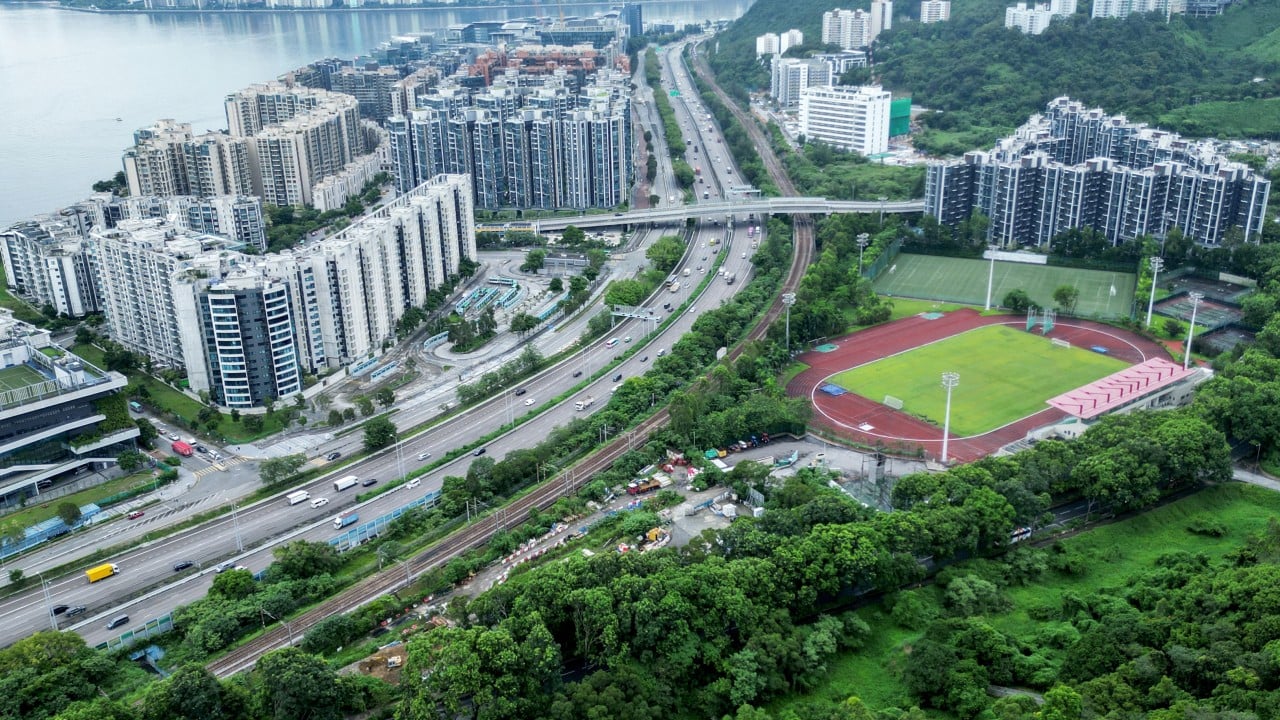
Development Bureau says MTR Corp will be allowed to build private flats at new station, as opposed to previous plan for at least some public housing The much-delayed Pak Shek Kok station on the East Rail line is scheduled to open as early as 2033 after Hong Kong authorities revealed plans to require the MTR Corporation to build the project to boost connectivity for a tech hub. The Development Bureau said on Thursday that the project would be financed by allowing the rail giant to build and sell private flats near the new station. The original plan called for a combination of private and public homes. The station will now be located between Tai Po Market and University stations. To create room, the existing sports ground for the Education University of Hong Kong (EdU) will be relocated to the 7.5-hectare (18.5-acre) site on the institution’s campus on Ting Kok Road in Tai Po. Meanwhile, the government will resume the site at Ting Kok Road, including private land and brownfield operations, with the total cost of land resumption expected to reach HK$400 million (US$51 million).

How Europe’s rush for Chinese air conditioners exposes the gap in Brussels’ trade policy
Business

How Europe’s rush for Chinese air conditioners exposes the gap in Brussels’ trade policy

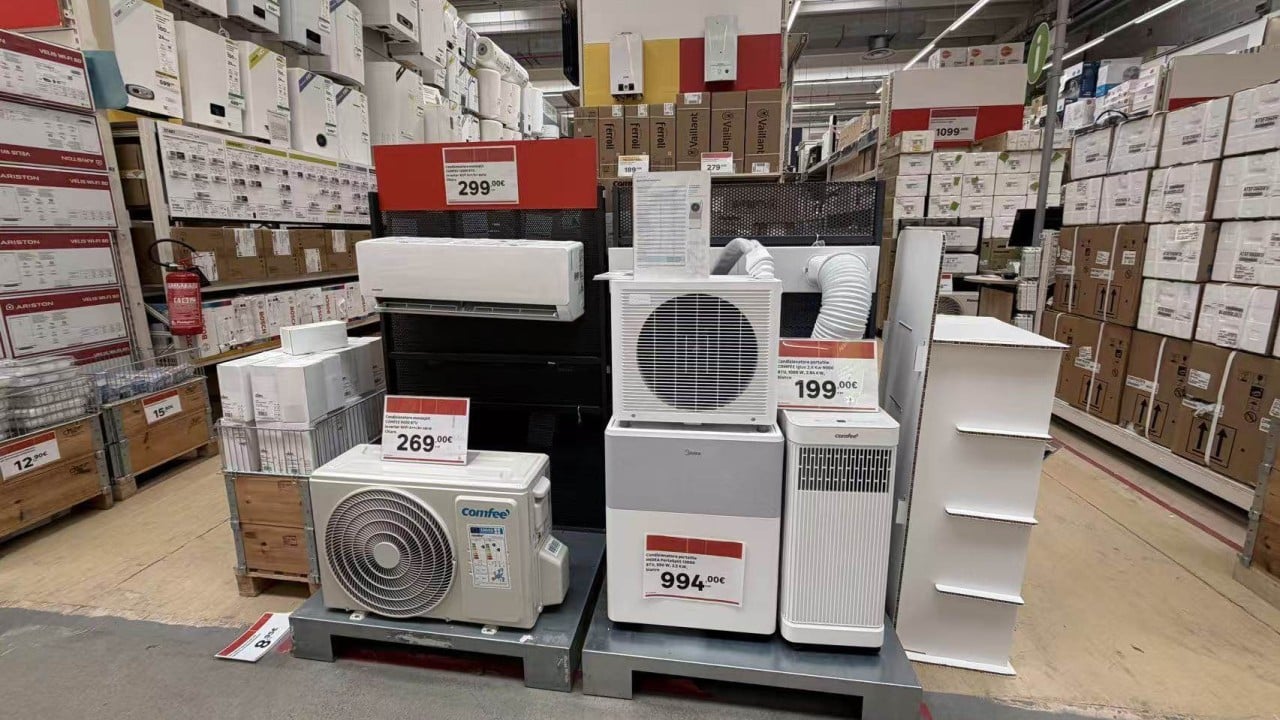
As a record heatwave drives Europeans to snap up imported cooling units, Brussels’ rhetoric clashes with consumer reality Governments of European countries are struggling to cope with the extreme weather, facing sharp criticism over poor emergency management and underinvestment in public services and climate policy. Meanwhile, Europeans are flocking to buy Chinese air conditioners, leading to a dramatic surge in demand for certain portable units, even as Brussels toughens its trade policy towards Beijing. Ding Chun, director of the Centre for European Studies at Fudan University, highlighted the disconnect between Brussels’ leadership and ordinary citizens, noting that the public naturally focused on cost-of-living realities and daily life.

Parent company of Hong Kong IVF clinic says sorry for embryo specimen mix-up
Business

Parent company of Hong Kong IVF clinic says sorry for embryo specimen mix-up

New Frontier Group vows to launch sweeping internal review into cause of mix-up at Heal Fertility’s clinic in Central The parent group of a Hong Kong fertility clinic involved in a rare mix-up of embryo biopsy specimens has apologised for the incident, pledging to cooperate with the authorities’ investigation and provide support to affected patients. The assisted reproductive clinic in Central was found to have mishandled embryo biopsy specimens from two patients in May and June, but failed to promptly report the incident to authorities. The clinic has been ordered to submit a report within four weeks, explaining the cause of the incident and detailing improvement measures. The Council on Human Reproductive Technology, the Department of Health and police have all launched investigations into the error. “Regarding the embryo biopsy specimens mix-up incident, the group expresses its sincere apology,” New Frontier said. “The group attaches great importance to the incident and has established an internal investigation team to thoroughly examine the causes and the management systems and procedures.”

How AI could help Hong Kong taxi drivers find customers on the streets
Business

How AI could help Hong Kong taxi drivers find customers on the streets

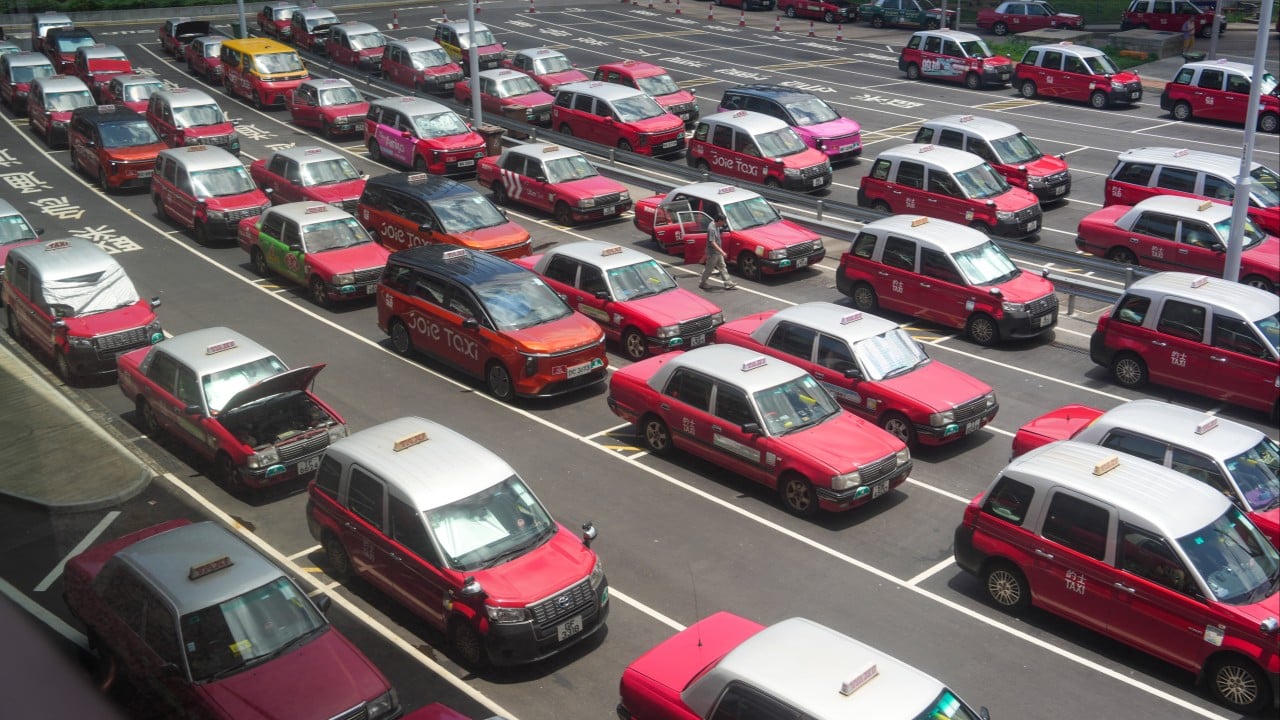
Cab payment start-up Dash and local university develop StreetSights prediction model to help taxis find high-demand areas Hong Kong taxi drivers will be able to identify streets with high rider demand using a big data prediction model powered by artificial intelligence (AI) as soon as mid-2027, according to a cab payment start-up and a university that developed the system. The StreetSights system is the result of a collaboration between Dash and the Hong Kong University of Science and Technology, which said on Thursday that their interim research results were up to 90 per cent accurate in forecasting demand and supply. A taxi trade veteran said AI would be useful in securing more business as it gave drivers more data at their fingertips, noting the new regulatory regime for ride-hailing services was due to take effect in August. Professor Lo Hong-kam, the university’s dean of engineering, said that unlike ride-hailing platforms with centrally managed fleets, street-hailing taxis faced greater uncertainty because they lacked aggregate data to give them an overview. “There is significant room for efficiency enhancement in street-hailing taxi operations,” he said.

China aims to revive physical stores, make them ‘immersive’, as shield against e-commerce
Business

China aims to revive physical stores, make them ‘immersive’, as shield against e-commerce

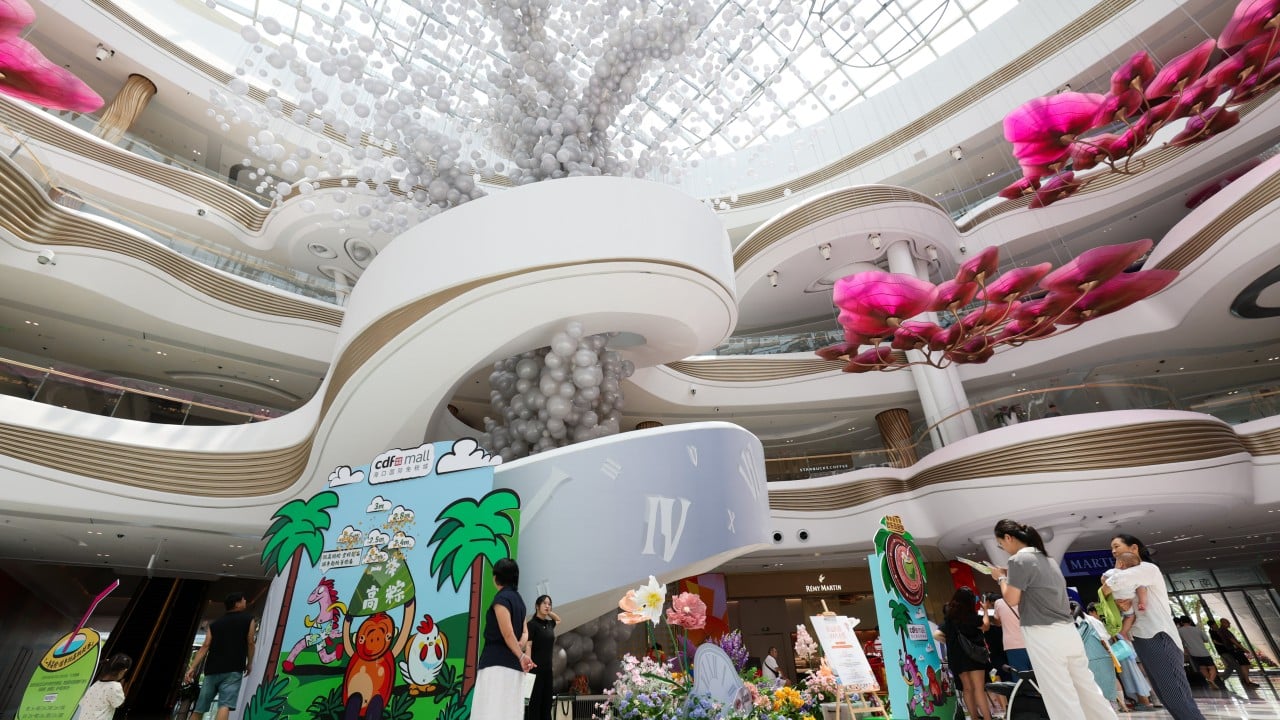
Beijing’s new 2030 retail road map targets price parity and social experiences to combat ‘trading down’ as retail growth hits weakest pace since pandemic With retail sales growth cooling in May to the slowest pace since December 2022 and persistent weakness in big-ticket items extending through last month, Beijing has stepped in to reinvigorate bricks-and-mortar operators facing intense price competition from e-commerce platforms. The Ministry of Commerce, together with eight other relevant authorities, on Thursday released guidelines to accelerate the innovative development of the retail sector. The document charts out a path for differentiated competition between online and offline retailers, featuring plans to build a more rational pricing system over the next few years. The road map arrives against a backdrop of “trading down”, a trend that emerged during the Covid-19 pandemic and has persisted through 2026. The behaviour sees shoppers switch from premium brands to lower-priced alternatives, or simply purchase less, due to economic uncertainty or less disposable income.

US-China AI war boils down to a contest over electricity
Business

US-China AI war boils down to a contest over electricity

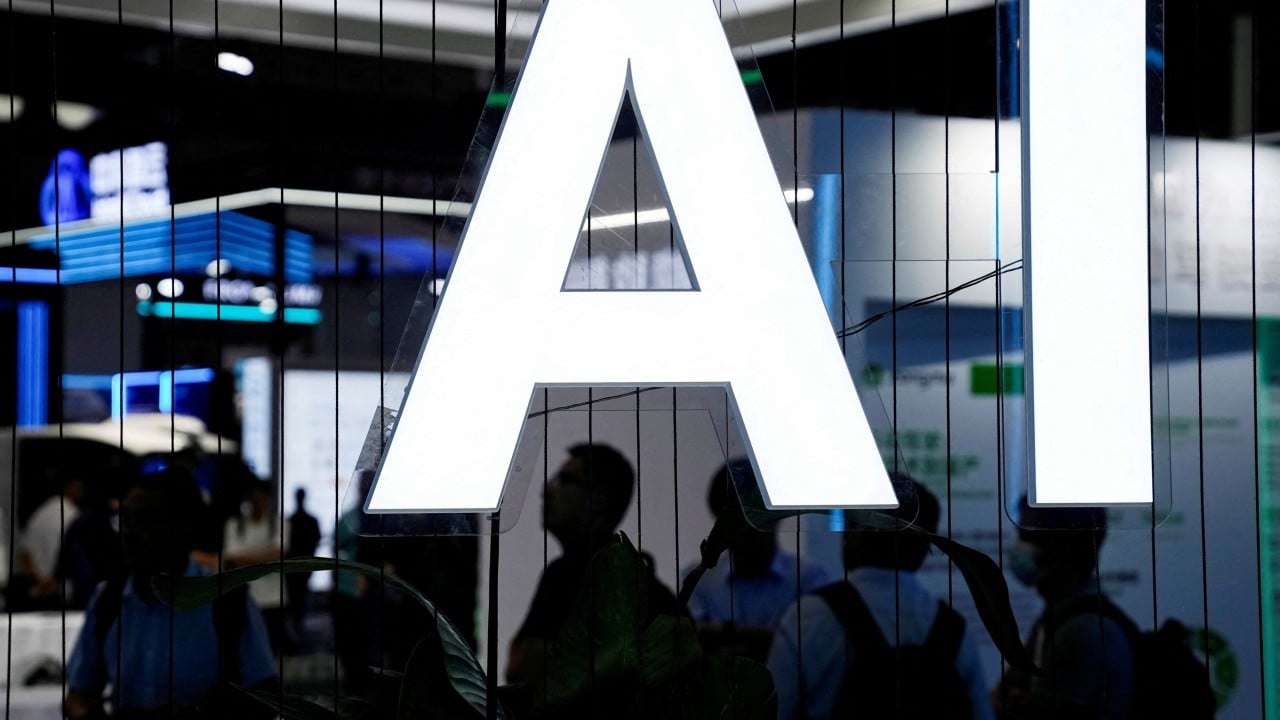
The proliferation of artificial intelligence models and the increasing parity in their performance suggest they are becoming a commodity. Soon, AI services will be priced by cost rather than the uniqueness of their model. With electricity the main cost of the services, the AI war between China and the United States is turning into a straightforward contest over electricity output and price. Open-source AI models are sprouting up like bamboo shoots in China. The American AI community has argued...

Authorities investigate suspected fuel leak from cargo plane at Hong Kong airport
Business

Authorities investigate suspected fuel leak from cargo plane at Hong Kong airport

Spillage discovered under Boeing 747 operated by Luxembourg-based Cargolux Airlines Authorities are investigating a suspected fuel leak from a cargo aircraft at Hong Kong airport that prompted an emergency response from police and firefighters, the South China Morning Post has learned. A source said the airport control centre alerted police to a fuel leak from a Boeing 747 cargo aircraft operating flight CV531 at around 8.32am on Thursday, later confirmed to be from the aircraft’s left wing. “The aircraft was parked outside the Cathay Pacific Cargo Terminal at that time,” a second source said. The aircraft was operated by Luxembourg-based Cargolux Airlines. The flight was scheduled to depart from Hong Kong on Thursday morning for Heydar Aliyev International Airport, which serves Azerbaijan’s capital, Baku. In a reply to the SCMP, the Airport Authority confirmed the details of the “fuel spillage incident”.

Why AI race with US is a ‘knockout game’ China cannot afford to lose
Business

Why AI race with US is a ‘knockout game’ China cannot afford to lose

China must overhaul innovation ecosystem or risk a power decline that could even shift cross-strait leverage, academic warns China must also implement “unconventional” reforms in cultivating and funding AI talent, as well as shift foundational research from bureaucratic state universities to leading tech enterprises, Huang wrote in an online article published on Wednesday. “The new system must position leading tech enterprises within each AI subsector as the primary drivers of talent cultivation and foundational research – completely breaking free from existing talent and scientific evaluation frameworks,” he said in the article published by GBA Review, a social media account run by the Institute for International Affairs, Qianhai, where he serves as deputy director.

Singaporean man hired to tutor children forced 6-year-old to drink urine in 18-hour abuse
Business

Singaporean man hired to tutor children forced 6-year-old to drink urine in 18-hour abuse

Pupils at the educational facility endured months of abuse by the 31-year-old, who had no childcare or teaching qualifications One of the children, a six-year-old Chinese national, was abused for 18 hours and forced to drink his own urine. On Thursday, the 31-year-old pleaded guilty to two counts of child abuse, one count of voluntarily causing grievous hurt and one of giving false or misleading information to police, local media reported. The man, who cannot be named to protect the children’s identity, was hired by his aunt in 2016 to manage her educational facility, which provided accommodation and management consultancy services for students and workers. Despite having no childcare or teaching qualifications, he was responsible for the pupils at the facility, teaching them mathematics and English and checking their homework. In January 2023, the six-year-old entered the facility, where the man regularly punished him, forced him to sleep in the toilet and fed him only bread and water.

Japan’s rare earths crisis
Business

Japan’s rare earths crisis

By continuing to browse our site you agree to our use of cookies, revised Privacy Policy and Terms of Use. You can change your cookie settings through your browser. China's export controls on Japan took effect in January. Half a year later, Japan's rare earth stockpiles are running low. The potential economic damage? Up to 0.43% of its GDP.

‘China Shock 2.0’? The real shock is protectionism
Business

‘China Shock 2.0’? The real shock is protectionism

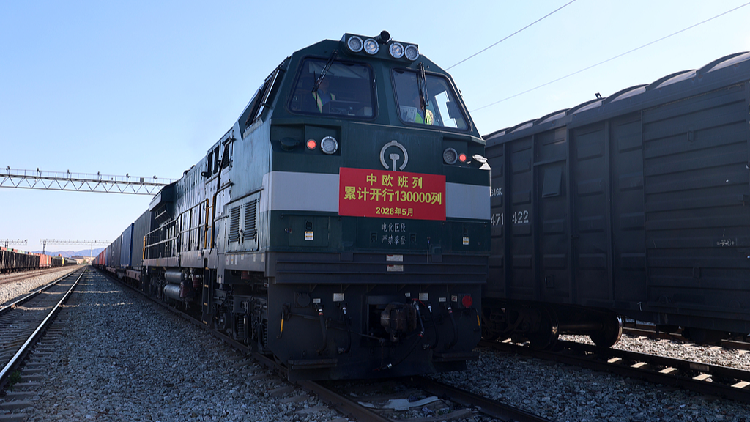
By continuing to browse our site you agree to our use of cookies, revised Privacy Policy and Terms of Use. You can change your cookie settings through your browser. Over the past five years, China has fueled roughly 30% of global economic growth annually. Its manufacturing colossus has functioned as an anchor for global supply chains, driving down the cost of clean energy technologies and delivering affordable products worldwide. Yet despite these contributions, a familiar narrative has resurfaced in Europe. Under the label of "China Shock 2.0," some argue that China's rapid advances in electric vehicles (EVs), lithium batteries and solar photovoltaics (PV) – collectively known as the "New Three" – stem from "overcapacity" and state subsidies, posing a threat to Europe's industrial future. The accusation has become a convenient explanation for Europe's manufacturing anxieties. But it misdiagnoses the problem. The greatest challenge facing Europe is not China's competitiveness, but weakening domestic demand, slowing innovation and structural constraints within some European countries' own economies. Protectionism may be politically attractive, but it cannot restore competitiveness.

Germany jails man 10 years for fatal attack on train conductor
Business

Germany jails man 10 years for fatal attack on train conductor

The man had attacked the conductor after being found without a ticket, hitting the conductor so hard that he later died of brain haemorrhage A German court on Thursday handed down a 10-year prison sentence to a 26-year-old man who fatally assaulted a train conductor during a ticket inspection in the western state of Rhineland-Palatinate five months ago. The court sitting in Zweibrücken found that the man had attacked the conductor after being found without a ticket, hitting the conductor so hard that he later died of a brain haemorrhage. The assailant was found guilty of causing bodily harm resulting in death. The sentence is open to appeal. The lawyer representing the victim’s family announced before the verdict that they would appeal both the conviction and the sentence. The conductor’s relatives, who did not attend the verdict and sentencing hearing, had sought a conviction for manslaughter or murder. The case sparked a debate in Germany over how to improve safety on trains. National railway operator Deutsche Bahn announced plans to issue bodycams to conductors and on board restaurant staff as part of efforts to improve security.