Business — 3,570 insights
Trump approves Saudi nuclear deal that could allow uranium enrichment, AP sources say
Business

Trump approves Saudi nuclear deal that could allow uranium enrichment, AP sources say

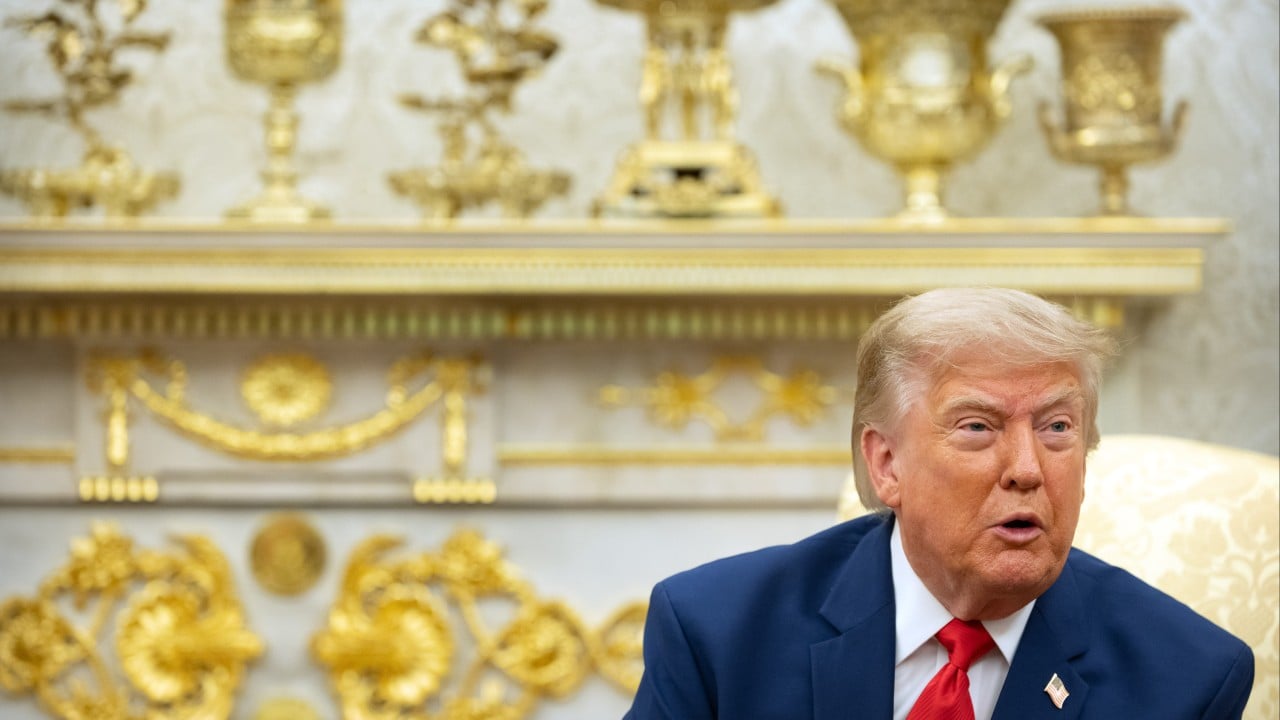
Deal is expected to last 30 years, with US firms helping the kingdom develop a civil nuclear industry US President Donald Trump has approved an agreement with Saudi Arabia that could potentially provide the kingdom with uranium enrichment capability for its civilian nuclear programme, according to two people familiar with the matter. The people, who were not authorised to comment publicly about the yet to be formally announced decision, said the agreement is expected to be announced publicly as early as Wednesday. The deal is expected to last 30 years and is also expected to involve US firms in developing the programme. The deal could allow for the building of a uranium enrichment facility in Saudi Arabia following a joint US-Saudi study. The White House did not immediately respond to a request for comment on the decision, which was first reported on by the Wall Street Journal. Both Trump and former US president Joe Biden tried to reach a nuclear deal with the kingdom to share American technology.
China’s missile test exposes lack of unity among Pacific island nations
Business

China’s missile test exposes lack of unity among Pacific island nations

While some Pacific Islands Forum members have criticised the test near Tuvalu, Papua New Guinea appears to have backtracked, analysts say On July 6, China said one of its navy’s nuclear submarines launched a “strategic missile” carrying a dummy warhead towards “relevant high seas of the Pacific Ocean”, describing the test as routine annual military training that complied with international law and was “not directed at any specific country or target”. Beijing said it had notified relevant countries in advance. Still, the move did little to ease the concerns of Pacific governments and partners, with some criticising the short warning period. The Pacific region has for decades been cautious of missile tests as a result of the hundreds of nuclear tests carried out by the US, UK and France in the second half of the 20th century.

China Merchants Securities drops South Korea ETF as Seoul stock volatility spills over
Business

China Merchants Securities drops South Korea ETF as Seoul stock volatility spills over

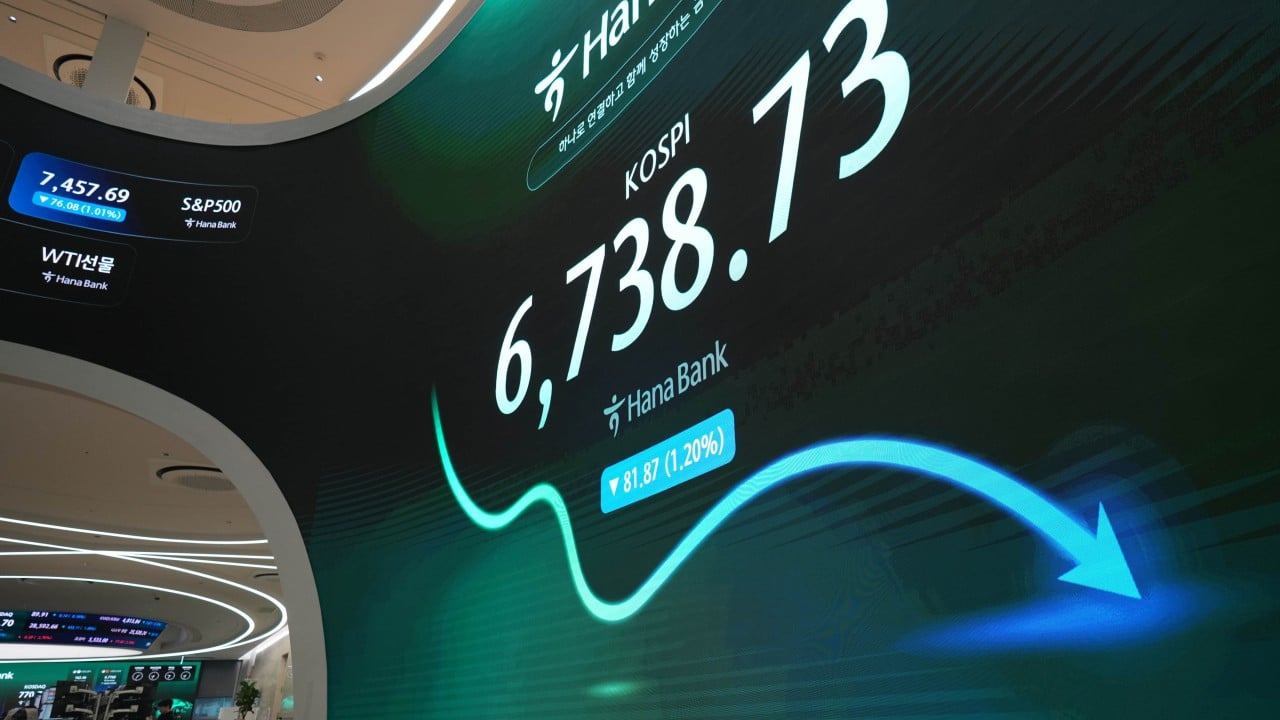
The Shenzhen-based brokerage’s retreat from Huatai-PineBridge semiconductor fund comes just weeks after stepping in as market maker A leading Chinese brokerage house has ended market making for the mainland’s only South Korea-focused exchange-traded fund (ETF), as Beijing steps up efforts to stabilise its capital markets and protect retail investors amid volatility in its East Asian neighbour’s stock market. Shenzhen-headquartered China Merchants Securities withdrew as a liquidity provider for the Huatai-PineBridge China-Korea Semiconductor ETF barely a month after assuming the role on June 17, according to Shanghai Stock Exchange filings. “The decision was purely commercial and did not reflect our view on market directions,” China Merchants told financial media outlet JWView on Monday, the same day it quit the ETF. The brokerage also ended market-making services – the provision of buy and sell quotes to provide liquidity – for five other Qualified Domestic Institutional Investor (QDII) products linked to Japan’s Nikkei 225 and the United States’ Nasdaq 100 indexes. QDII funds allow approved institutions to invest overseas within regulator-set limits.

Can the US and its allies break China’s grip on rare earths and AI technology?
Business

Can the US and its allies break China’s grip on rare earths and AI technology?

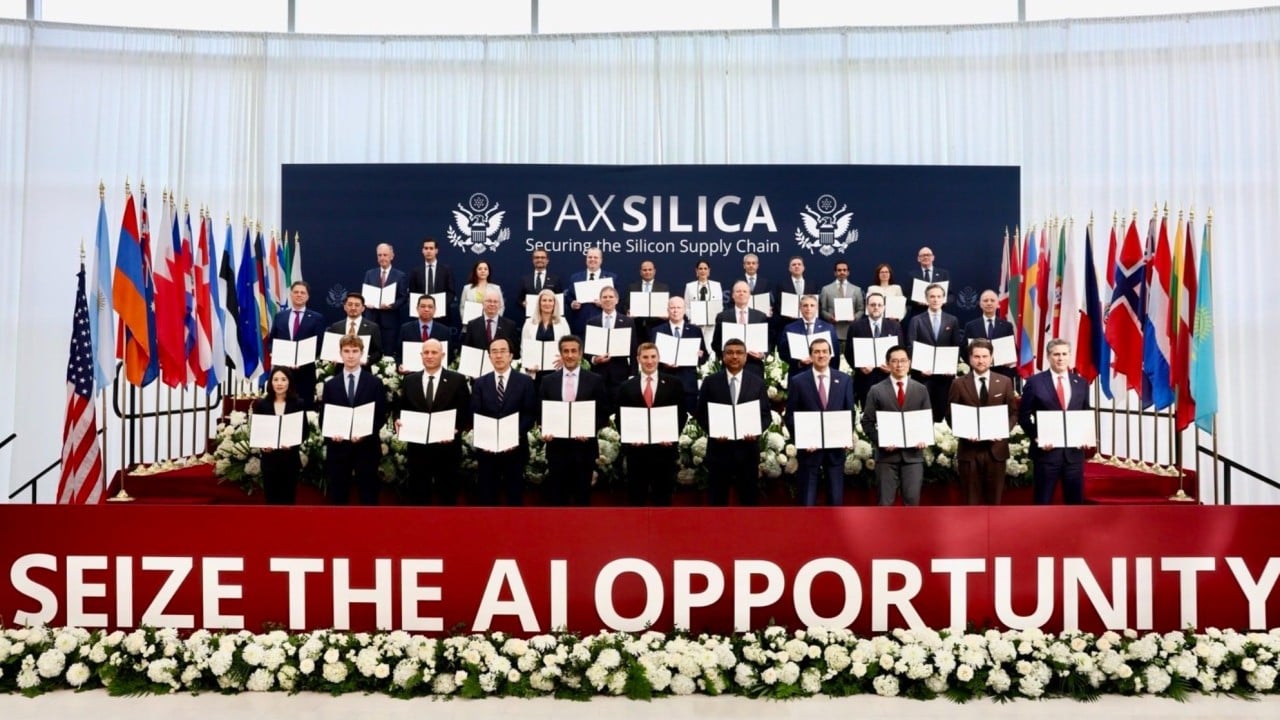
In an exclusive interview, senior US official says a whole-of-supply-chain strategy is needed to cut dependence on China “When it comes to the world, our allies were really put on alert by China’s export controls of minerals that have really come back to bite them in pretty serious ways,” Jacob Helberg, US undersecretary of state for economic affairs, told the South China Morning Post in an exclusive interview days before Trump’s action. Beijing’s restrictions set off a scramble for supplies and led to factory shutdowns across the developed world, including in the United States. While a temporary US-China truce in October resumed the flow of exports, countries such as Japan have continued to face shortages.

China neighbour calls police after mistaking ‘stinky fart vinegar’ for rotting corpse
Business

China neighbour calls police after mistaking ‘stinky fart vinegar’ for rotting corpse

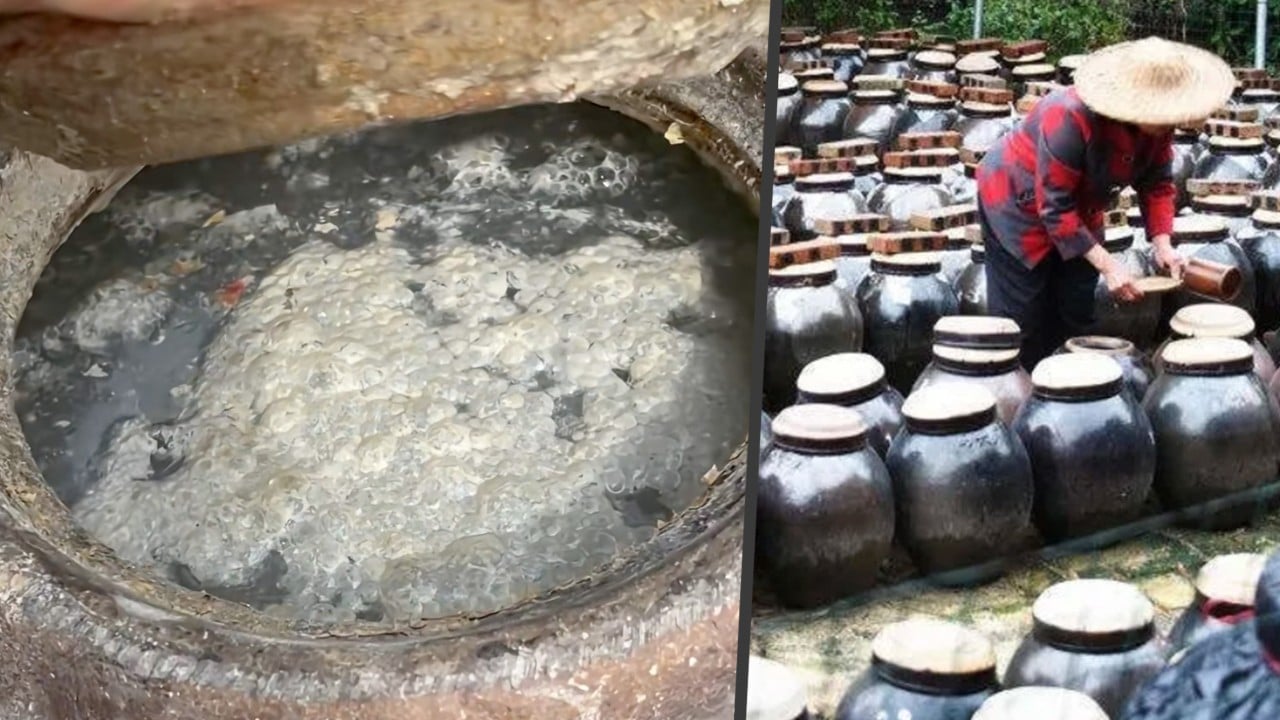
The infamous smelly condiment has earned recognition as an Intangible Cultural Heritage across various regions in Guangdong A tenant in a residential block in southern China called the police, reporting a smell resembling corpses in their building. It turned out that the odour was actually coming from a neighbour cooking with Guangdong’s traditional stinky vinegar. On July 14, a woman in Guangdong province, surnamed Chen, posted about someone calling the police to check on her home. She stated: “My neighbour thought I was cooking a dead body,” while tagging “the power of stinky vinegar.” The neighbour reportedly suspected that someone had died in a nearby unit, but it was, in fact, Chen preparing a soup that included the stinky vinegar. Literally translated as “stinky fart vinegar” and also known as longevity vinegar, it is believed to be a traditional Guangdong ingredient with a history spanning 2,000 years. According to legend, it was invented when a filial, poor man begged for food and preserved fried rice in a jar to save for future meals for his sick mother.

Hong Kong surpasses July rainfall in just 20 days – why?
Business

Hong Kong surpasses July rainfall in just 20 days – why?

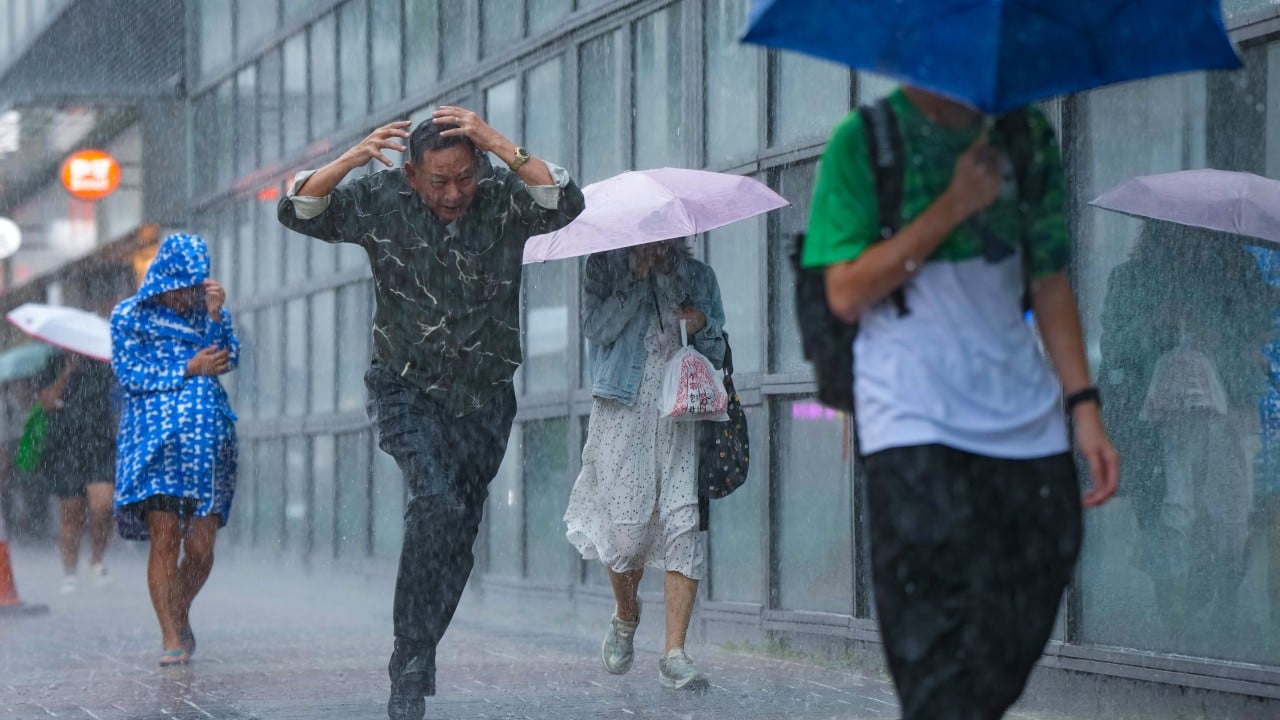
Observatory has issued 48 rainstorm warnings since start of last month, nearly double number sent out during same period last year. Hong Kong’s rainfall so far this month has already surpassed typical levels for July by 23 per cent, a review of Observatory data shows, with a meteorologist warning the city will experience more extreme downpours due to global warming. The Observatory also said on Tuesday that Hong Kong would be hit by rainstorms again over the weekend following weeks of heavy rain as a tropical cyclone neared the city. A South China Morning Post reporter reviewed the forecaster’s data and found the city recorded 474.7mm (18.69 inches) of rainfall in the first 20 days of July – exceeding the typical monthly level of 385.8mm by 23 per cent. The city also recorded 600.5mm of rainfall in June, 22 per cent higher than normal. Last month, heavy showers prompted the forecaster to issue three black rainstorm warnings – the highest in Hong Kong’s three-tier alert system. Since June, the Observatory has issued 48 rainstorm warnings, nearly double the 25 alerts sent out during the same period last year.

Japan seeks Southeast Asia sea lanes to avoid troubled waters in region
Business

Japan seeks Southeast Asia sea lanes to avoid troubled waters in region

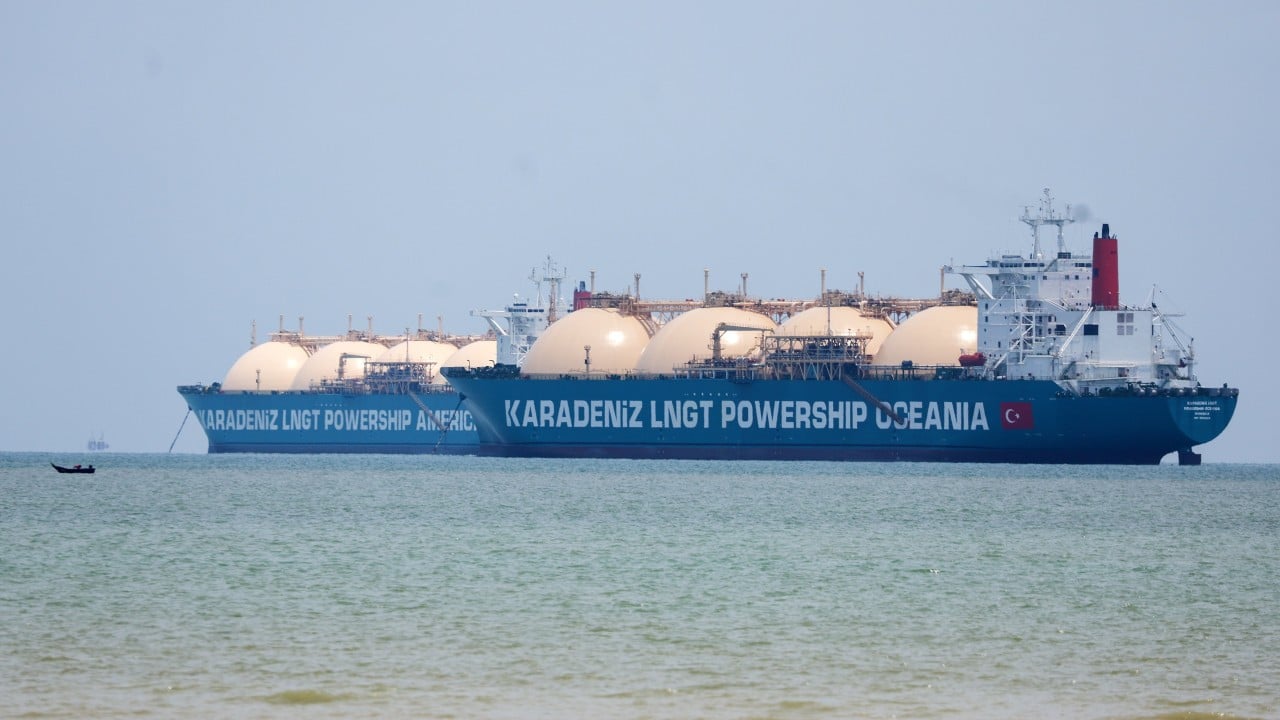
A proposal to map charts through five straits comes as Japan fears trade disruption from choke points in the South China Sea and off Malacca The project is designed to give commercial shipping more confidence in alternative passages – with the latest data on depths, hazards and navigational aids – if ships need to avoid the heavily used route through the Strait of Malacca after they sail beyond the Strait of Hormuz. The strategic waters off several Malaysian states are increasingly at risk from geopolitical tensions, raising concerns in Tokyo about the resilience of current maritime routes that carry much of Japan’s trade, ranging from energy to electronic goods. As much as 90 per cent of all Japanese crude oil imports come from Gulf states, typically shipped through the Strait of Hormuz. The region is also a key source of natural gas and fertilisers. Since the initial US attacks on Iran in March, Japan has moved quickly to seek alternative energy sources, and new supply chains linking to the US, Latin America, Central Asia and Africa have been established.

US war in Iran has cost US$37.5 billion so far, Pentagon chief Hegseth says
Business

US war in Iran has cost US$37.5 billion so far, Pentagon chief Hegseth says

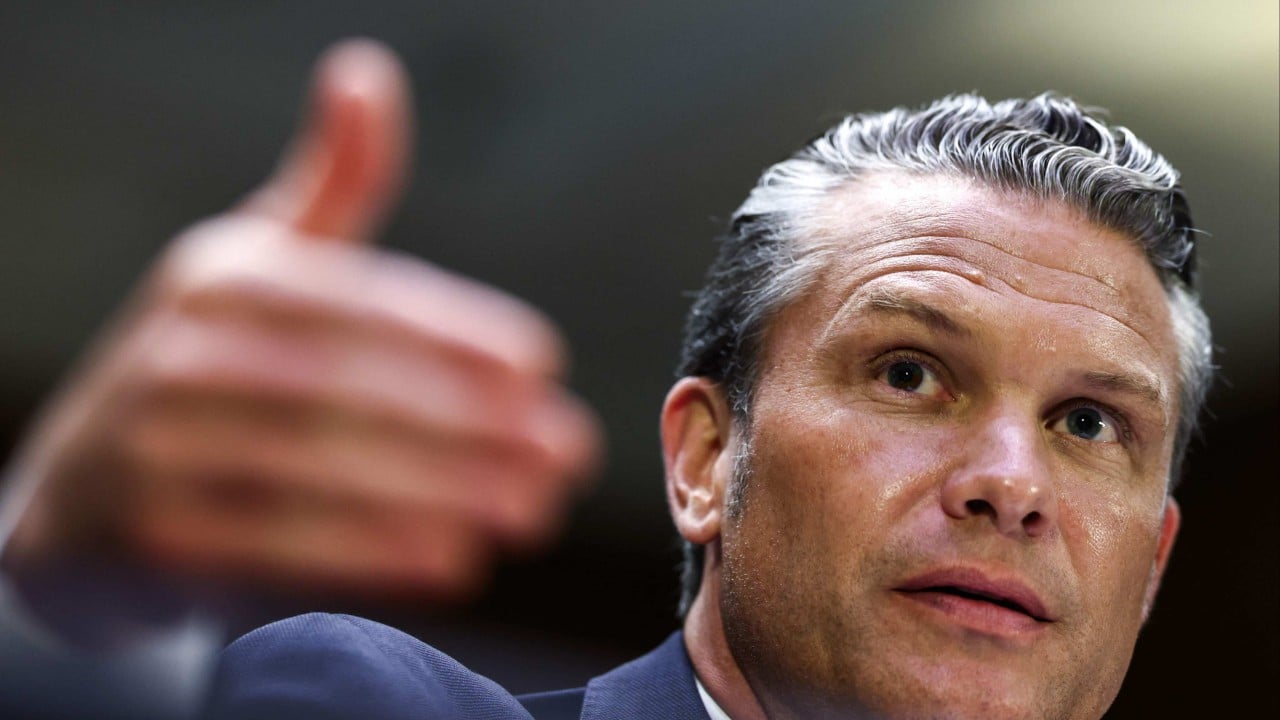
The defence secretary was publicly facing questions from lawmakers for the first time since the US military restarted operations in Iran The cost of the United States’ war in Iran has risen to US$37.5 billion so far, US Defence Secretary Pete Hegseth said on Tuesday, as he faced sceptical lawmakers for the first time since heavy bombings resumed to seek urgent funding for the unpopular conflict. With just six months before midterm elections in which US President Donald Trump’s Republicans may face an uphill battle to keep their House of ‌Representatives and Senate majorities, Democrats are riding high in public opinion polls as they attempt to link the unpopular Iran war with affordability. Hegseth told lawmakers at a hearing in Washington that the US$37.5 billion included certain aspects of the war as well as anticipated costs through September 30. It was unclear how the Pentagon arrived at the figure. A source told Reuters in March that Trump’s administration estimated the first six days of the war had cost at least US$11.3 billion.

More US companies switch to Chinese AI models to save money and tokens
Business

More US companies switch to Chinese AI models to save money and tokens

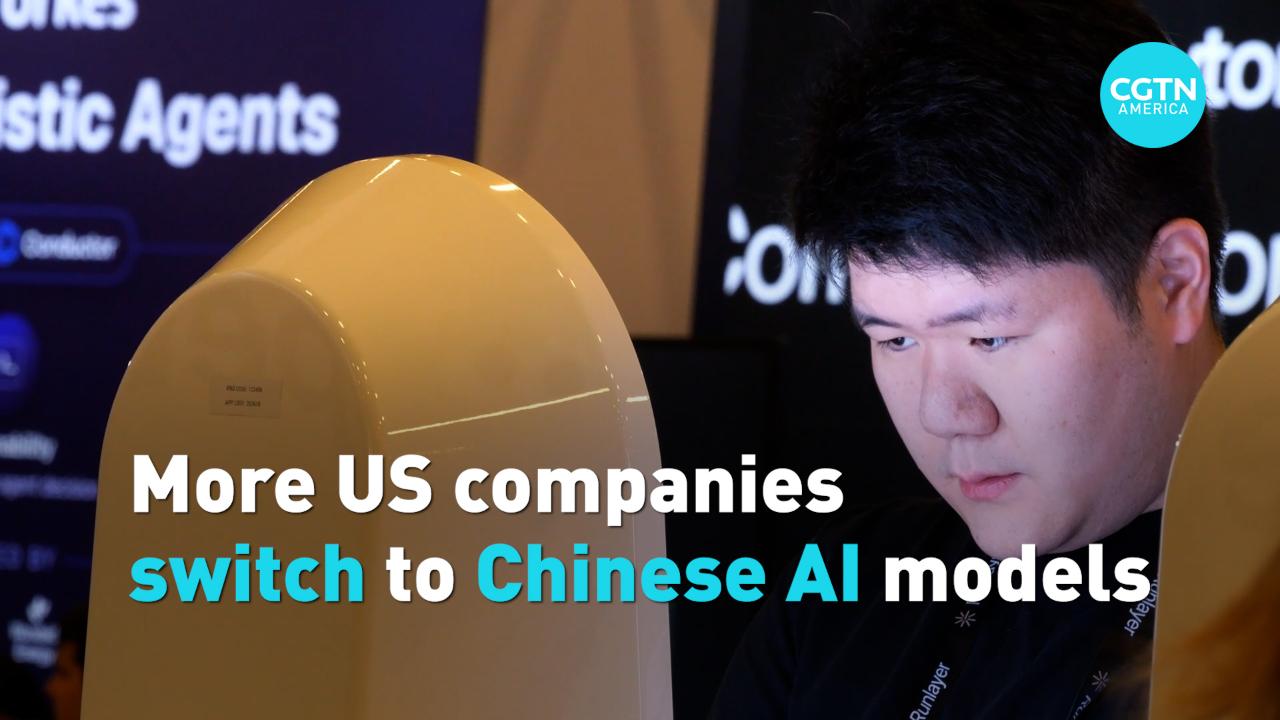
By continuing to browse our site you agree to our use of cookies, revised Privacy Policy and Terms of Use. You can change your cookie settings through your browser. U.S. companies are increasingly shifting workloads to Chinese AI models to cut costs. DeepSeek leads the trend, but Alibaba's Qwen has also gained significant ground, with the company claiming its Qwen3.8-Max model rivals top U.S. systems on coding and reasoning benchmarks while offering far cheaper costs per token.Ride-hailing giant Uber has publicly acknowledged building on Chinese open models, drawing scrutiny from U.S. lawmakers who have opened inquiries into the practice over national security concerns. Coinbase has also made the switch, cutting its AI spending by nearly half after moving to Chinese models GLM 5.2 and Kimi 2.7, even as its overall AI usage increased.Price is the driving factor across the board with analysts at Citi finding Chinese models can charge as little as 18 cents per million tokens versus roughly $4 on average for top-tier competitors based in the U.S.

What’s at stake as Beijing beats global peers with first approval of novel therapy
Business

What’s at stake as Beijing beats global peers with first approval of novel therapy

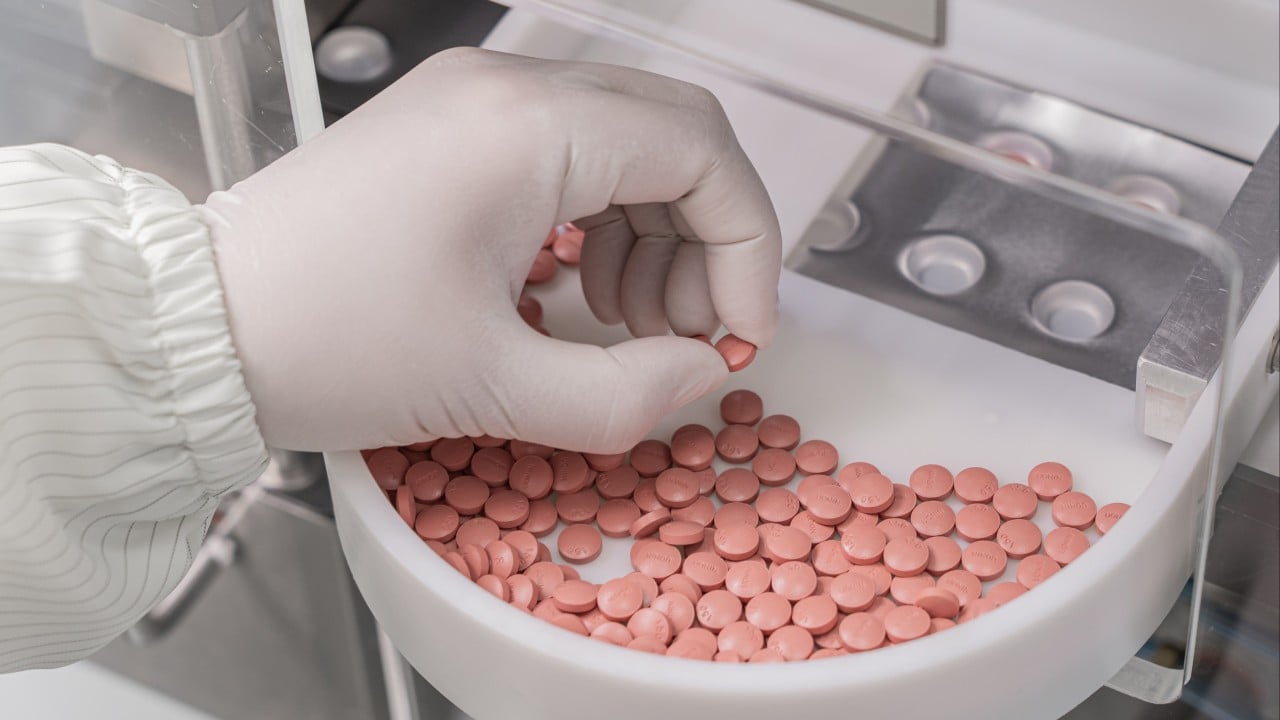
Push to accelerate novel drug reviews promises earlier access to breakthrough therapies for patients long left waiting The NMPA gave the green light for commercial sales of a rare-disease therapy for narcolepsy type 1 in people aged 16 and older, state media reported. The drug was not named, but reports said it had won fast-track designations in the US and orphan-drug designation in Japan and the European Union. Orphan-drug status means a therapy for a rare disease gets government incentives like tax breaks and exclusive rights to make development viable. Narcolepsy type 1 is a lifelong brain condition that makes people intensely sleepy during the day and causes them to fall asleep without warning. For many sufferers, it also causes them to suddenly lose control of their muscles when they feel strong emotions, like laughing, being surprised, or getting angry.

China’s policy playbook took its EV sector from zero to hero – can other countries follow?
Business

China’s policy playbook took its EV sector from zero to hero – can other countries follow?

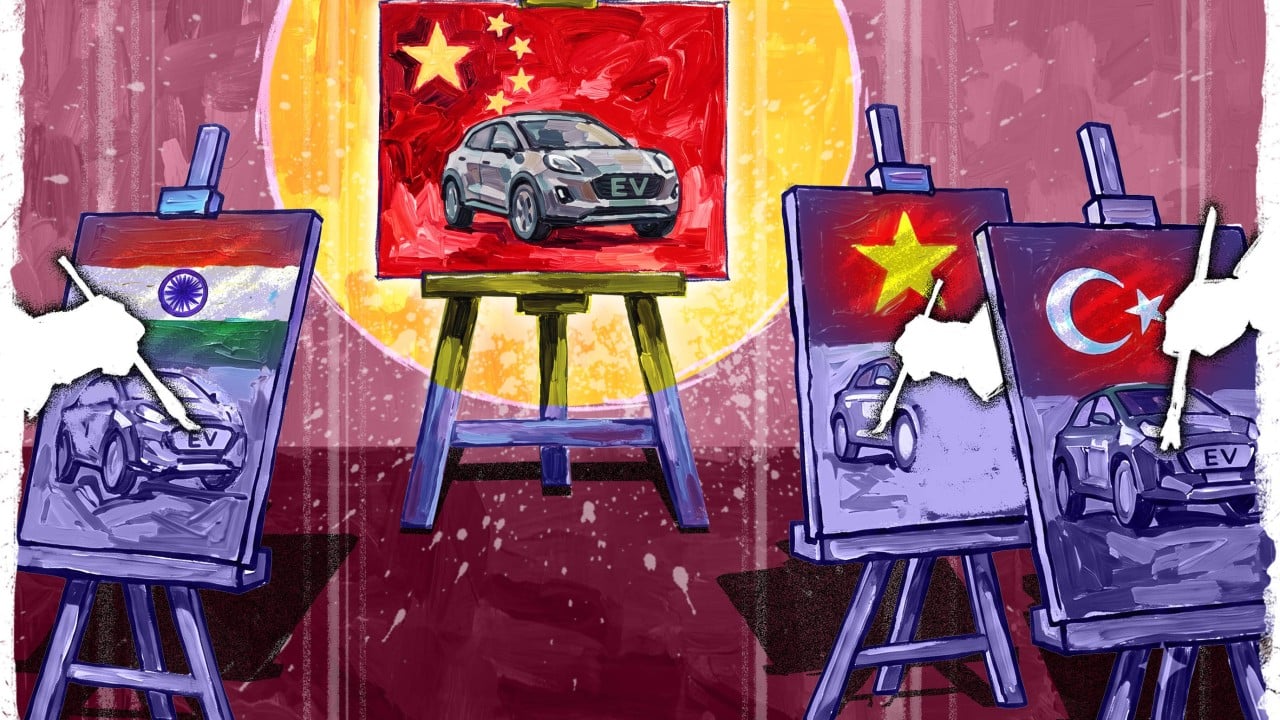
China’s electric vehicle (EV) industry sits at the centre of numerous economic and geopolitical trends: consumer spending, environmental protection, trade policy, high-end manufacturing, technology and more. In this short series, we assess the current state of the sector within these broader contexts. Here, Yeon Woo Lee asks whether Beijing has written a blueprint for developing countries to kick-start their own contenders in the field. Emerging markets once seemed like also-rans in the global...

Why China is rapidly expanding its land trade routes to Central Asia
Business

Why China is rapidly expanding its land trade routes to Central Asia

Beijing is seeking to diversify its export channels as geopolitical tensions destabilise maritime trade hubs Last year, China became the largest trading partner of all the Central Asian countries for the first time as trade jumped by 12 per cent to exceed US$100 billion. China’s exports to the region, dominated by high-value goods, are twice the value of its imports. It explains the rapid containerisation of cargo, a trend also evident in Chinese shipments to Europe. Since April last year, freight trains have been running between Chongqing in China and the Uzbek capital of Tashkent. Departing twice a month, the trains cross the Kazakh border and cover 4,700km in about 12 days, cutting the time taken to transport goods from southwestern China to Central Asian countries by 30 per cent, improving profitability.