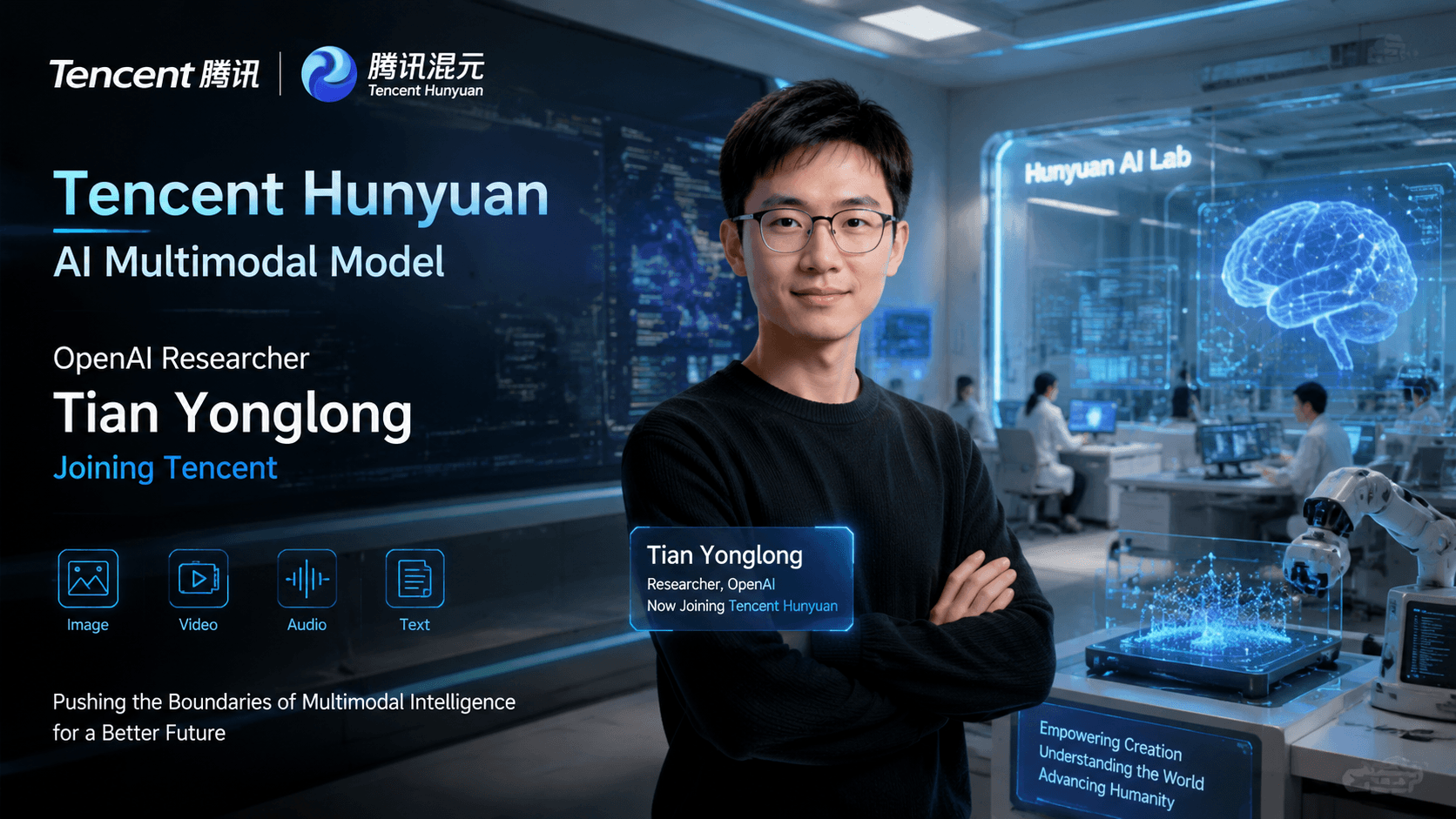
Tencent HY Poaches OpenAI Researcher Tian Yonglong to Lead Multimodal AI
Tencent HY hires OpenAI research scientist Tian Yonglong as new multimodal model lead, reporting to chief AI scientist Yao Shunyu in the latest high-profile AI talent raid.
China Executive Insights
Tencent HY hires OpenAI research scientist Tian Yonglong as new multimodal model lead, reporting to chief AI scientist Yao Shunyu in the latest high-profile AI talent raid.
In recent years, as generative AI has shifted from model training toward large-scale inference, an increasing number of AI model developers have turned their attention to underlying hardware. Chinese AI startup DeepSeek has launched an in-house AI chip project focused on inference workloads, according to Reuters. The company aims to reduce inference costs through custom-designed processors while lowering its reliance on overseas suppliers such as NVIDIA. The report said the project remains in its early stages and is designed primarily for AI inference rather than model training. As generative AI adoption accelerates, inference has become one of the fastest-growing segments of the AI market. Unlike training, which requires concentrated bursts of computing power, inference must continuously serve large volumes of user requests, making cost efficiency, power consumption and system reliability increasingly important. Sources said DeepSeek began developing the chip about a year ago and has stepped up hiring in recent months. Rather than relying on public recruitment, the company has quietly recruited experienced chip engineers through targeted outreach. The team covers chip architecture, verification and software enablement.
China's Nayuta Space unveils Alaya orbital computing constellation, planning 12,500 AI compute satellites in sun-synchronous orbit with aerodynamic rocket recovery.
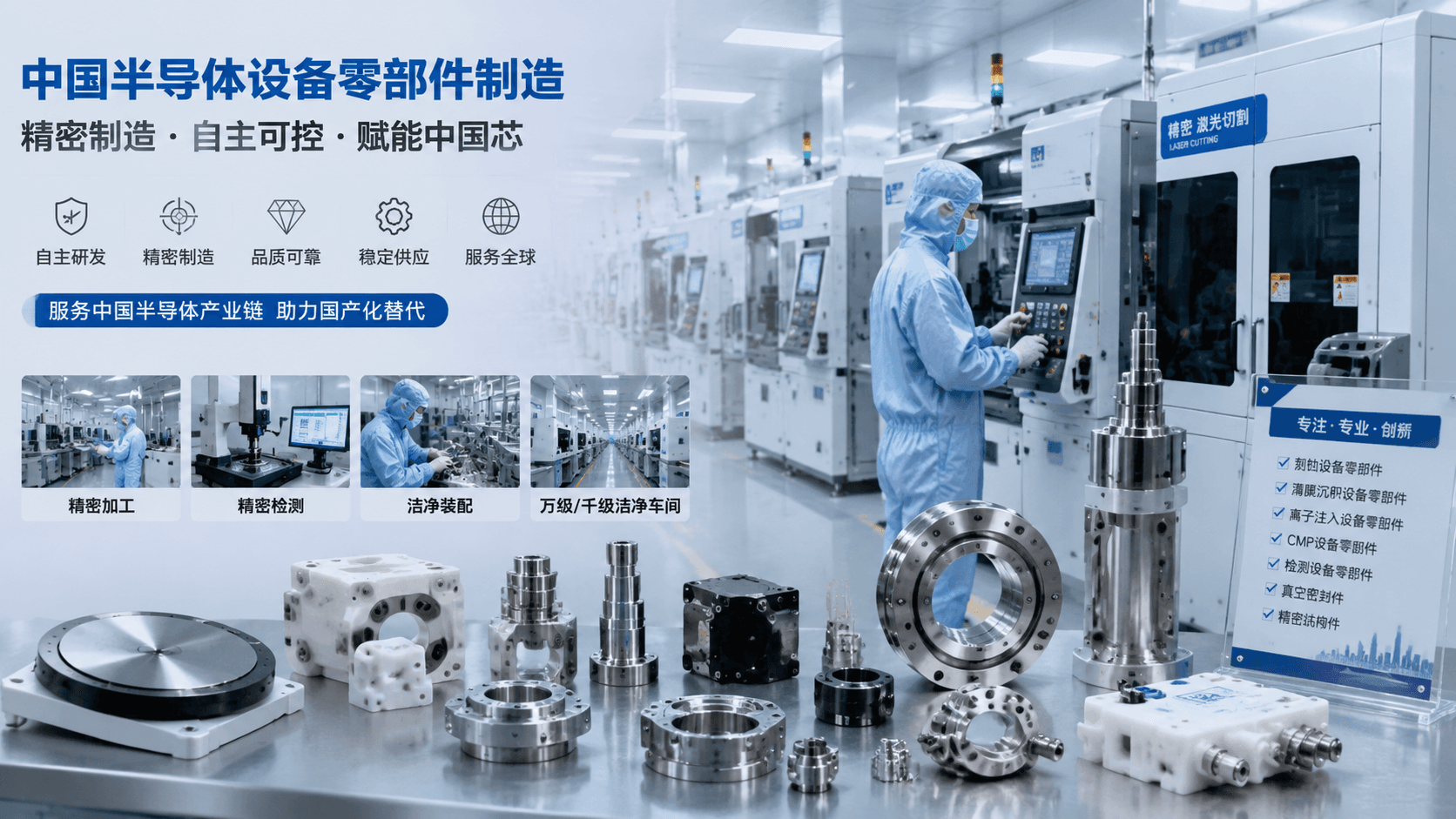
Chinese semiconductor equipment makers build all-domestic-component test machines, as local parts suppliers like ACM Research, Foxconn Precision, and Feilihua accelerate import substitution.
ByteDance's Seedance 2.0 becomes China's first overwhelmingly dominant video generation model, achieving 70-90% gross margins and redefining the AI business model.
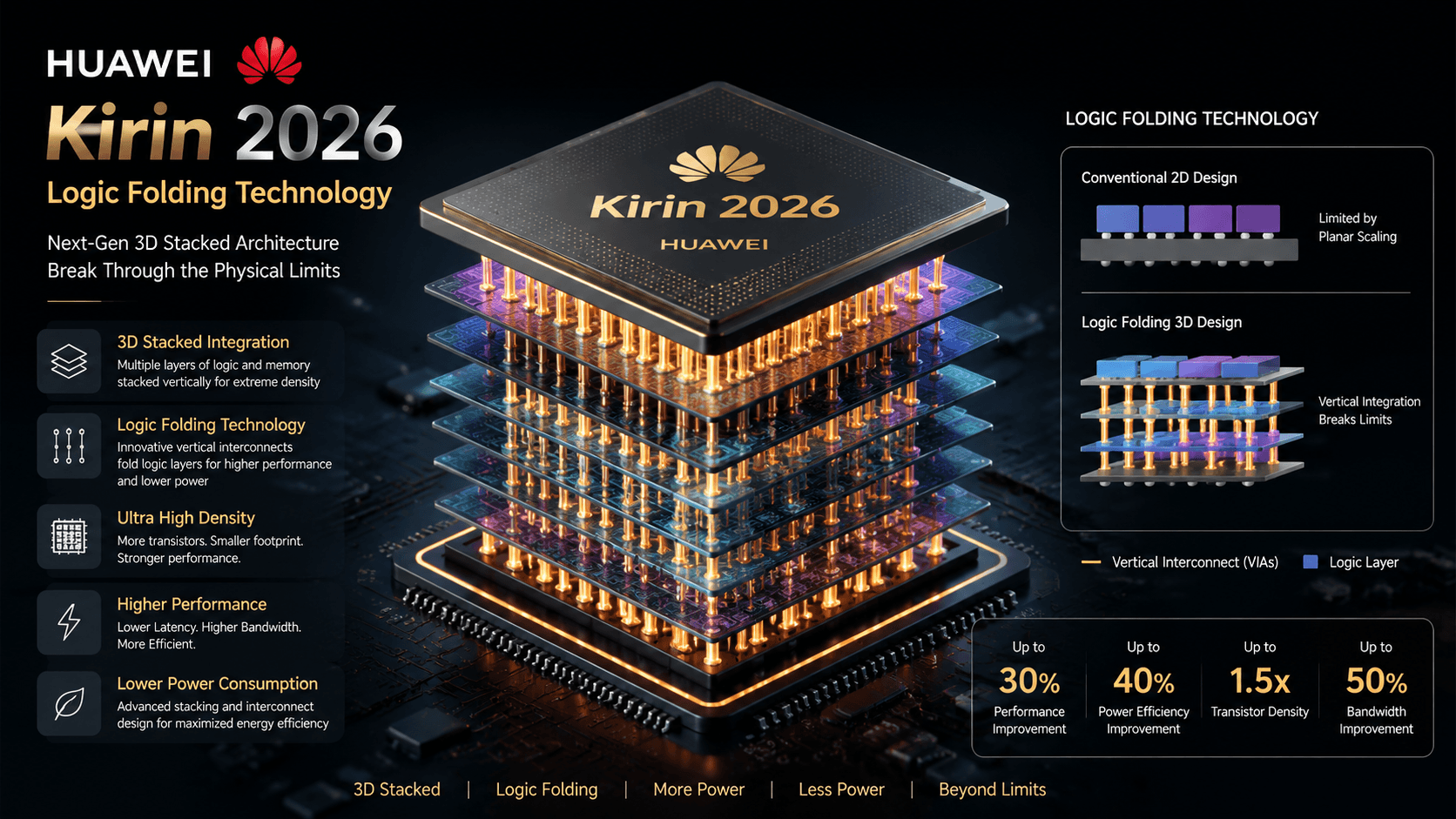
Huawei's Tao's Law V2 paper reveals Kirin 2026 with Logic Folding, boosting transistor density to 175MTr/mm² without advanced EUV lithography.
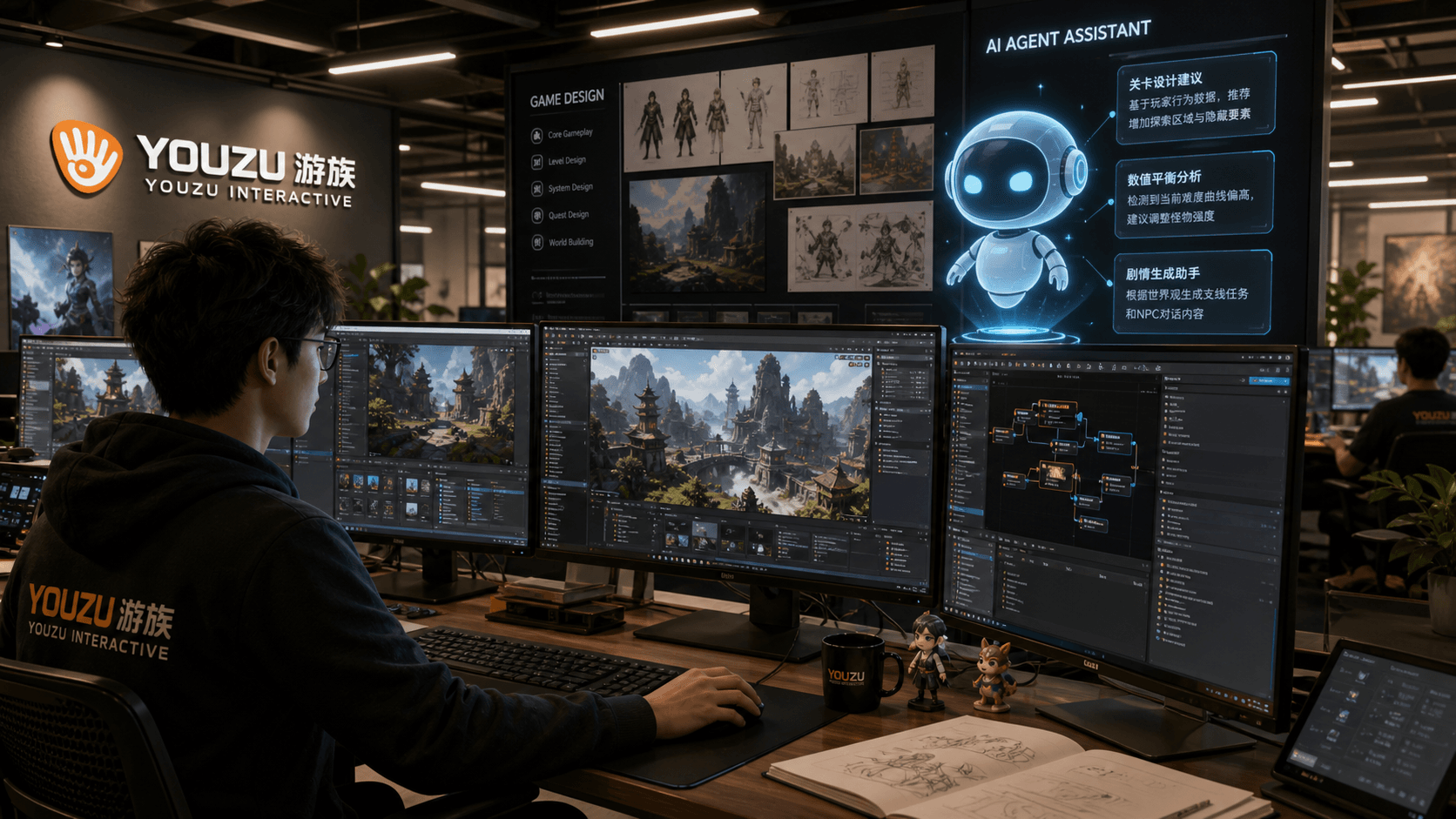
YOOZOO Interactive deploys AI agents across 75% of its workforce, using Tencent Cloud WorkBuddy to transform game development from coding to global marketing analytics.
China Merchants Group's LionRock AI Lab identifies and solves VLA shortcut learning with Hybrid Dynamic Data Collection, accepted at IROS 2026.
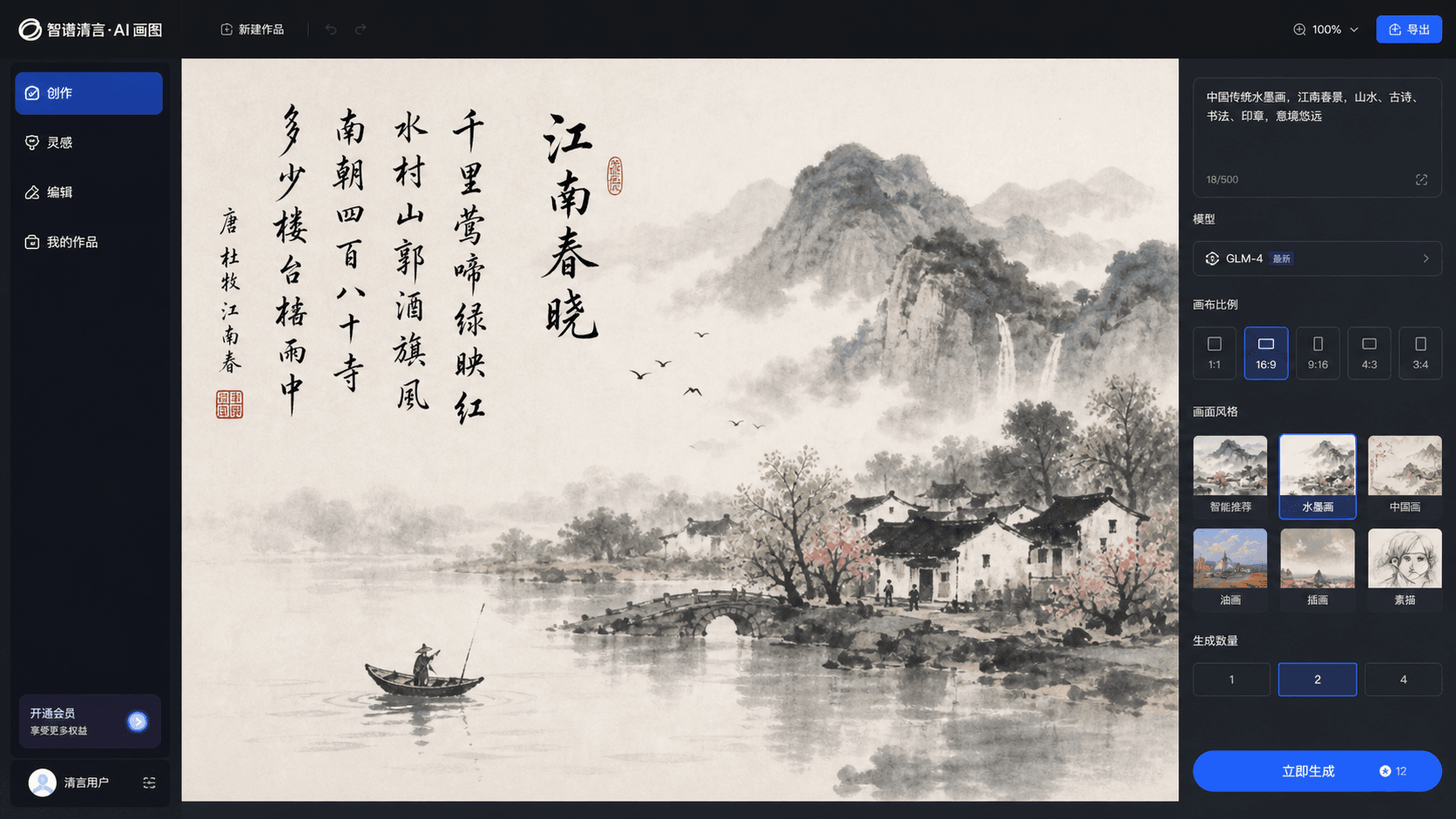
Zhipu AI launches GLM-Image at image.z.ai, a free AI image generator with Chinese text rendering that outperforms Midjourney and others for Chinese-language users.
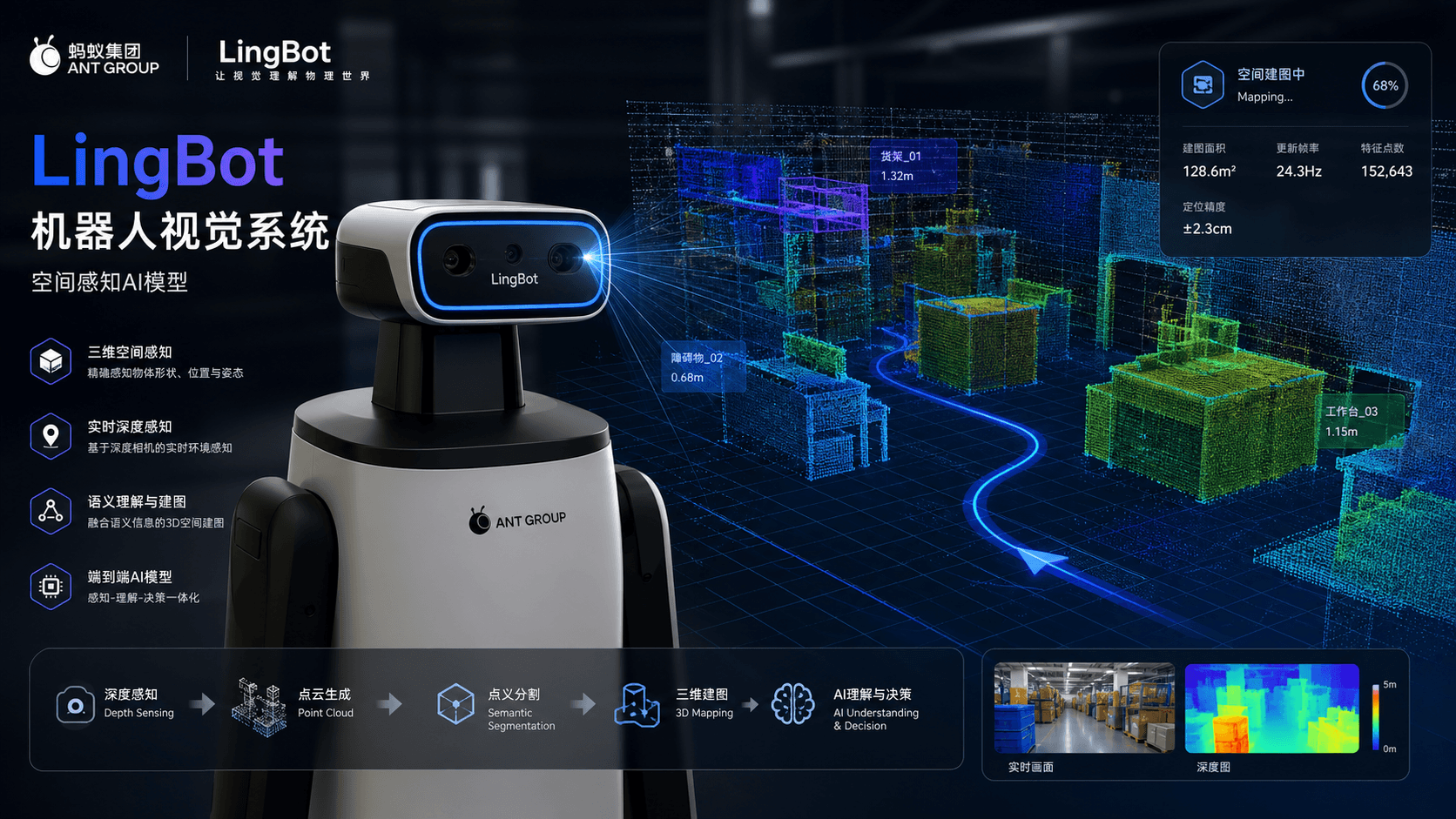
Ant Group's LingBot-Depth 2.0 spatial perception model achieves 12 world-first benchmarks, with its 1.1B parameter LingBot-Vision foundation model surpassing Meta's 7B DINOv3.
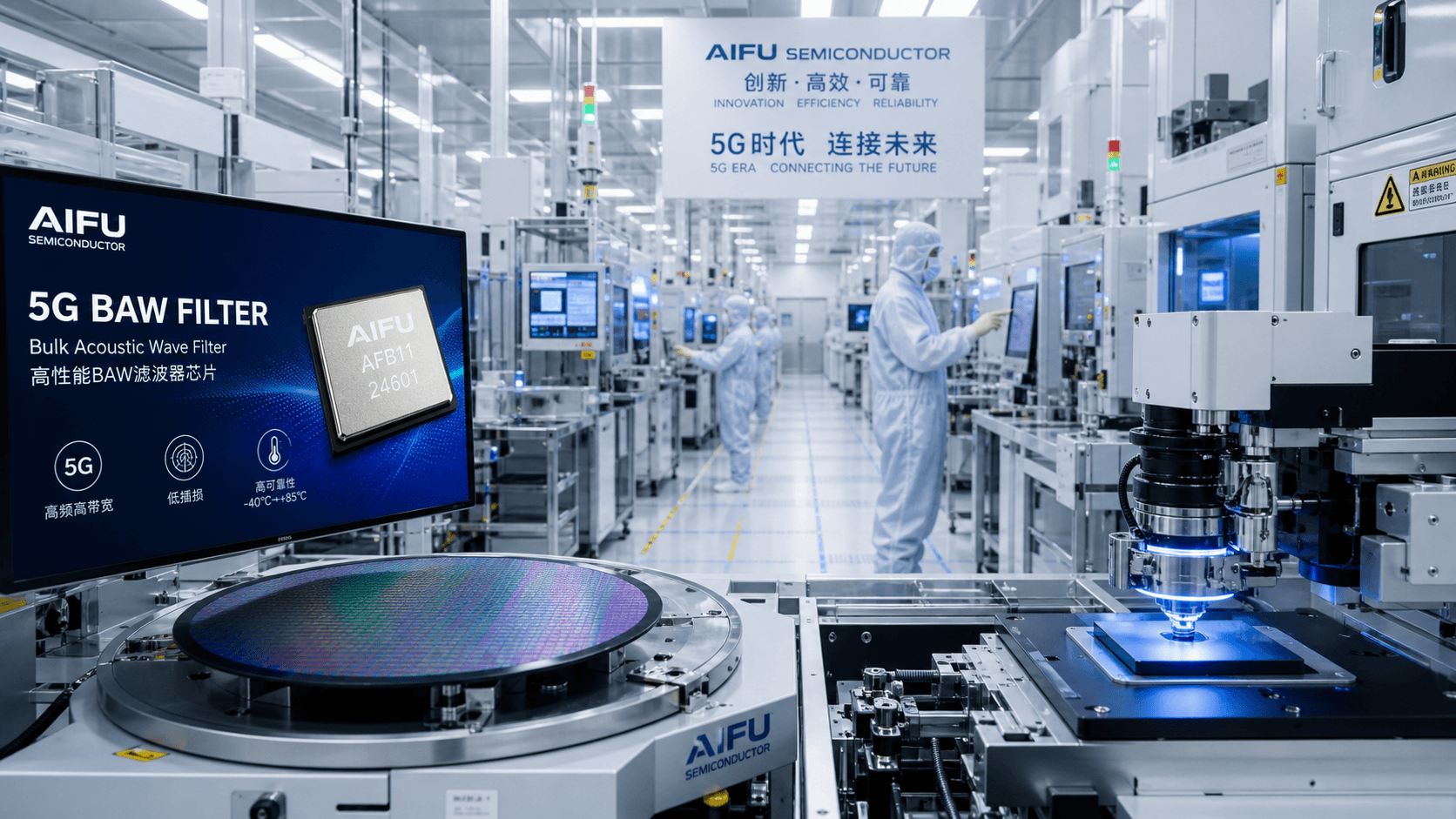
Guangzhou-based AIFU Semiconductor ramps BAW filter chip production to 1 billion units, breaking Broadcom and Qorvo's 5G RF filter monopoly with proprietary single-crystal aluminum nitride technology.
According to market research firm Counterpoint Research, smartphone sales in China fell 13% year over year during the month-long 618 shopping festival, as major brands raised prices to offset higher memory costs. Between May 26 and June 21, all major Chinese smartphone brands except Huawei posted double-digit sales declines. Promotions were less aggressive than last year, dampening consumer demand. Honor’s sales dropped 33%, while Xiaomi’s fell 24%. Ivan Lam, Senior Analyst at Counterpoint Research, said: “Some Chinese smartphone brands priced both their new and existing models higher than comparable devices a year ago. Discounts during this year’s 618 shopping festival were also generally less aggressive, both in terms of price reductions and the range of products included in promotions.” [Jiwei, in Chinese] Every Wednesday and Friday, TechNode’s Briefing newsletter delivers a roundup of the most important news in China tech, straight to your inbox. Your support helps TechNode continue to provide credible, on-the-ground journalism and industry insights about the Chinese tech industry.