Technology — 655 insights
World First AI Agent Phone Debuts: Nubia Claims Global First Ahead of WAIC Shanghai
Technology

World First AI Agent Phone Debuts: Nubia Claims Global First Ahead of WAIC Shanghai

Nubia confirms the world first mass-produced AI agent smartphone will debut at WAIC, built with ByteDance Doubao and designed to execute tasks autonomously via GUI agent technology.

DJI launches AP100 parachute system for Matrice 400 enterprise drone
Technology

DJI launches AP100 parachute system for Matrice 400 enterprise drone

DJI on Wednesday launched the DJI AP100 Parachute, its first parachute system designed for enterprise drone applications. Built specifically for the Matrice 400 drone, the AP100 is priced at 7,488 yuan (about $1,100) and is currently available exclusively through authorized distributors. According to DJI, the AP100 weighs around 935 grams, carries an IP55 protection rating, and operates in temperatures ranging from -20°C to 50°C. The parachute supports both automatic and manual deployment. DJI says it can stop the drone’s propellers and deploy the parachute within 600 milliseconds, reducing the drone’s landing speed to under 5 meters per second. Throughout the flight, the AP100 continuously monitors the status of its gas generator and communication link. Any abnormalities are displayed in real time through the Health Management System (HMS) interface in DJI Pilot 2. Once deployment is triggered, an independent Flight Termination System (FTS) cuts power to the motors within 600 milliseconds to prevent the parachute lines from becoming entangled with the propellers.

Physical AI Company DeepCtrls Raises Hundreds of Millions from Jinko Energy and SDIC Innovation
Technology

Physical AI Company DeepCtrls Raises Hundreds of Millions from Jinko Energy and SDIC Innovation

DeepCtrls closes Series B funding to scale its physical AI platform for global energy infrastructure, serving 360+ enterprise clients including TSMC, CXMT, Tencent, and CATL.

In the Death Throes of Moore’s Law, Huawei’s Tau Law Rewrites Chip Rules
Technology

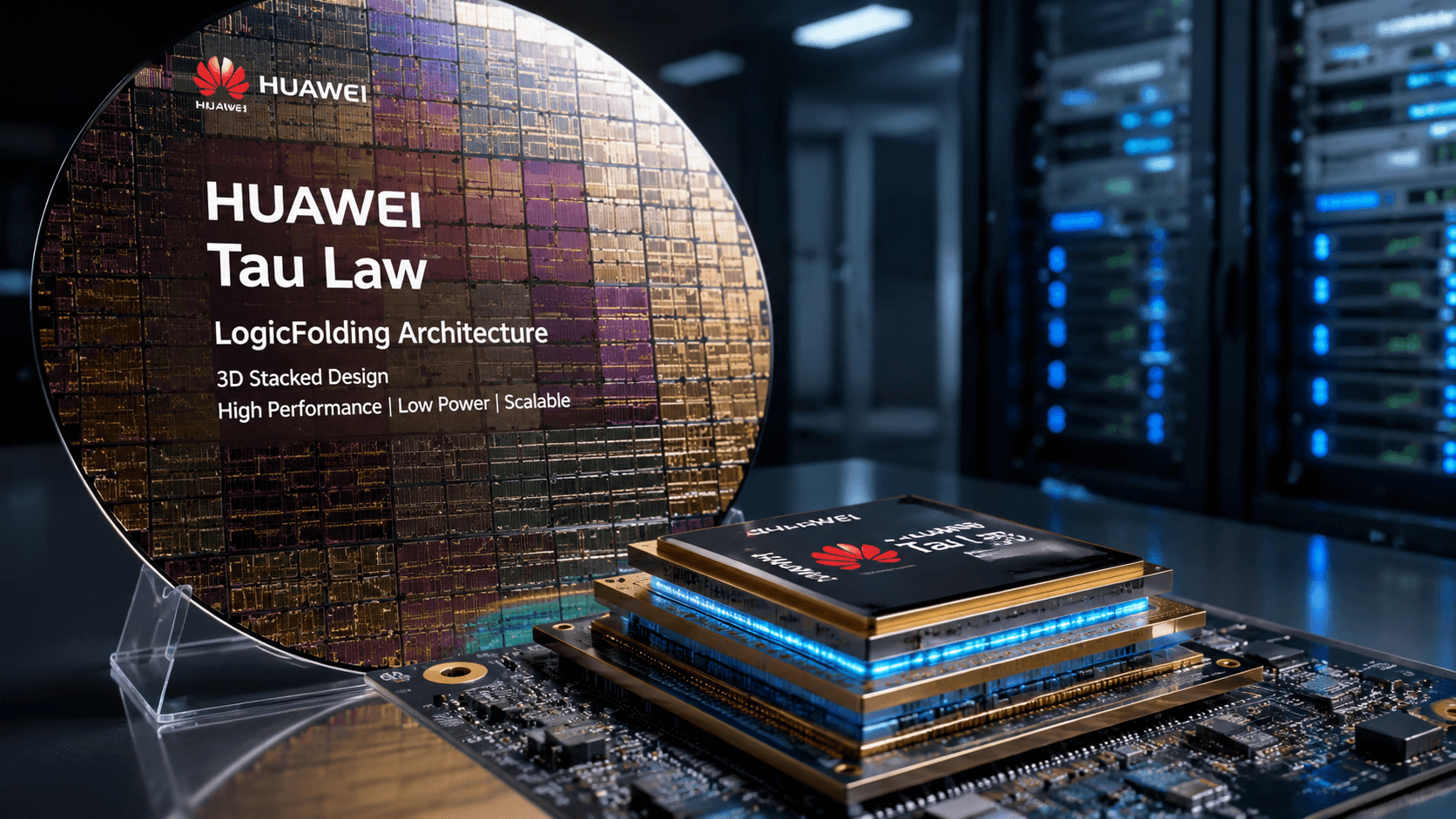
In the Death Throes of Moore’s Law, Huawei’s Tau Law Rewrites Chip Rules

Huawei's Tao's Law V2 unveils a new chip scaling framework based on total system latency reduction, challenging Moore's Law with concrete production data and a roadmap through 2035.

XAG Unveils Aerial and Ground Agricultural Robots for Fully Autonomous Crop Protection
Technology

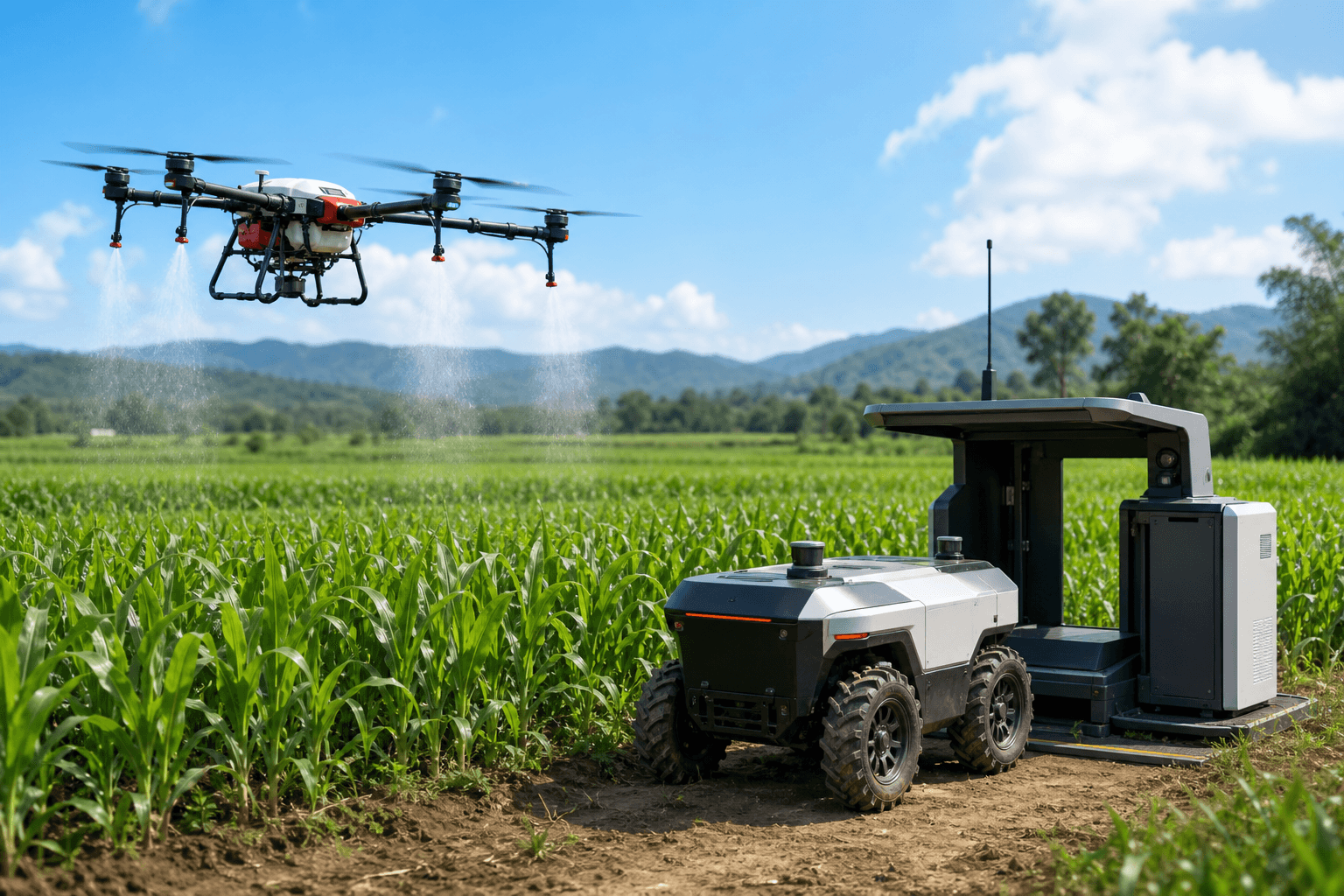
XAG Unveils Aerial and Ground Agricultural Robots for Fully Autonomous Crop Protection

XAG new X Series agricultural robots and RM80 mowing robot tackle the last mile of farm automation, from autonomous spraying to self-charging and mixing chemicals.

Behind the Delivery Riders: Meituan Quietly Built a Trillion-Parameter AI Model
Technology

Behind the Delivery Riders: Meituan Quietly Built a Trillion-Parameter AI Model

Meituan LongCat-2.0, a 1.6 trillion-parameter model trained entirely on domestic AI chips, reveals how food delivery data is powering frontier AI research.

Capital Floods In as Brain-Computer Interface Nears Commercial Reality in China
Technology

Capital Floods In as Brain-Computer Interface Nears Commercial Reality in China

With record venture funding and regulatory approvals accelerating, China brain-computer interface sector is transitioning from research labs to clinical and commercial deployment.

ByteDance, Tencent, and Alibaba Are Shutting Down AI Chat Companions — Here’s Why
Technology

ByteDance, Tencent, and Alibaba Are Shutting Down AI Chat Companions — Here’s Why

China three biggest tech firms are dismantling the AI companion features that millions of users built emotional attachments to, citing regulatory and strategic reasons.

DeepSeek and Zhipu AI Begin Self-Developing AI Chips — The Endgame Is No Longer Just Models
Technology

DeepSeek and Zhipu AI Begin Self-Developing AI Chips — The Endgame Is No Longer Just Models

DeepSeek and Zhipu AI join OpenAI and Anthropic in developing custom inference chips, signaling a structural shift where leading AI labs pursue in-house silicon to cut costs and reduce GPU dependency.

Xiaomi announces new vehicle brand SkyNomad
Technology

Xiaomi announces new vehicle brand SkyNomad

Xiaomi EV today unveiled SkyNomad, a new vehicle series that the company said represents “the sky, the nomad — a new name for space and lifestyle.” The first model in the lineup will be Xiaomi’s first range-extended full-size SUV, targeting families and outdoor travel scenarios. The vehicle is expected to launch in the second half of 2026, with industry watchers anticipating a debut in the third quarter. Xiaomi also will roll out a range of outdoor-focused ecosystem products alongside the SUV, as the company seeks to build a more comprehensive mobility and lifestyle ecosystem around the new series. [TechNode reporting] Every Wednesday and Friday, TechNode’s Briefing newsletter delivers a roundup of the most important news in China tech, straight to your inbox. Your support helps TechNode continue to provide credible, on-the-ground journalism and industry insights about the Chinese tech industry.

Tencent HY Poaches OpenAI Researcher Tian Yonglong to Lead Multimodal AI
Technology

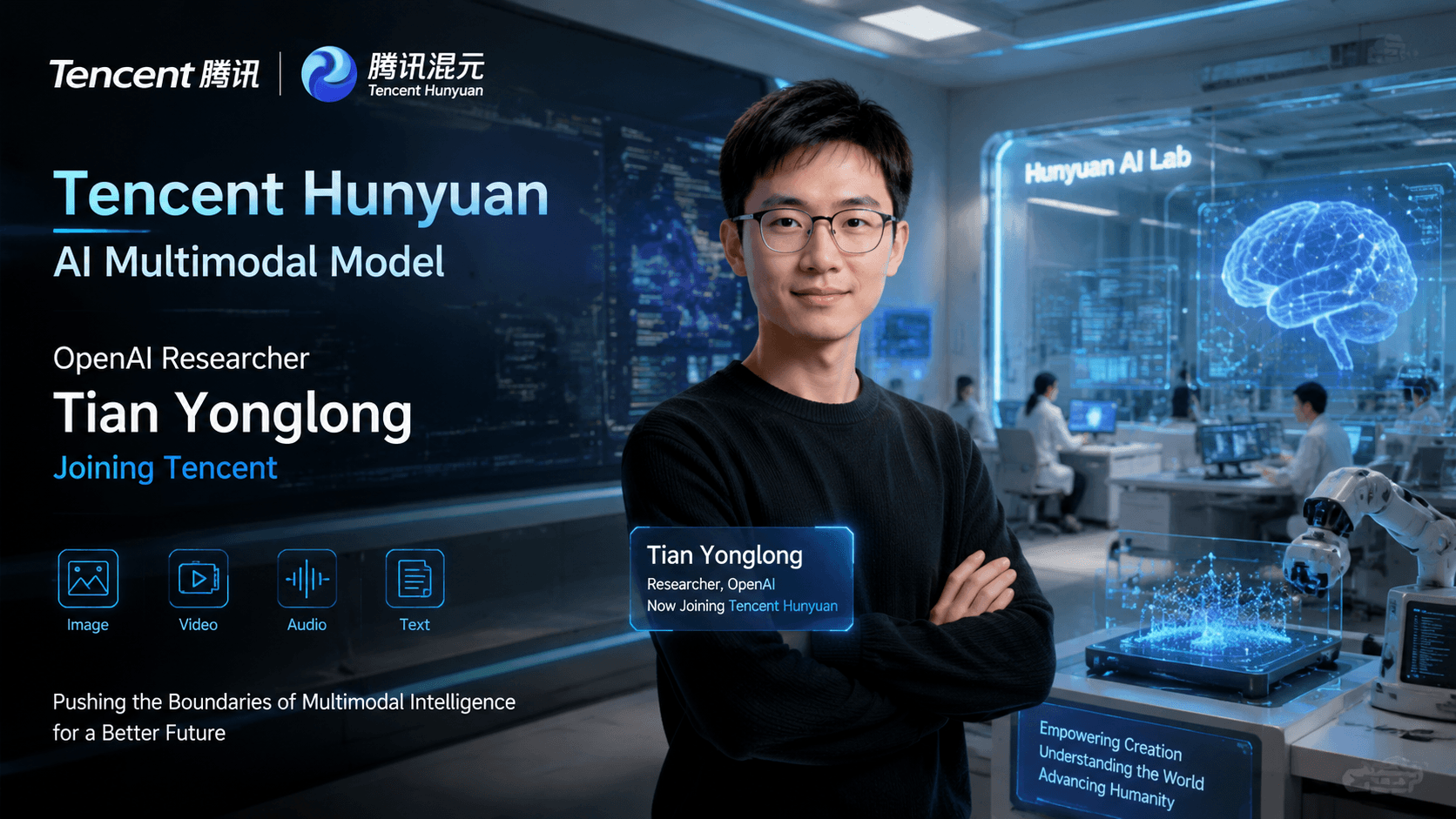
Tencent HY Poaches OpenAI Researcher Tian Yonglong to Lead Multimodal AI

Tencent HY hires OpenAI research scientist Tian Yonglong as new multimodal model lead, reporting to chief AI scientist Yao Shunyu in the latest high-profile AI talent raid.

DeepSeek begins in-house AI chip development to cut reliance on NVIDIA, sources say
Technology

DeepSeek begins in-house AI chip development to cut reliance on NVIDIA, sources say

In recent years, as generative AI has shifted from model training toward large-scale inference, an increasing number of AI model developers have turned their attention to underlying hardware. Chinese AI startup DeepSeek has launched an in-house AI chip project focused on inference workloads, according to Reuters. The company aims to reduce inference costs through custom-designed processors while lowering its reliance on overseas suppliers such as NVIDIA. The report said the project remains in its early stages and is designed primarily for AI inference rather than model training. As generative AI adoption accelerates, inference has become one of the fastest-growing segments of the AI market. Unlike training, which requires concentrated bursts of computing power, inference must continuously serve large volumes of user requests, making cost efficiency, power consumption and system reliability increasingly important. Sources said DeepSeek began developing the chip about a year ago and has stepped up hiring in recent months. Rather than relying on public recruitment, the company has quietly recruited experienced chip engineers through targeted outreach. The team covers chip architecture, verification and software enablement.