Industry — 764 insights
Nato, Indo-Pacific 4 pledge defence, tech boost as deeper China-Russia ties spark alarm
Industry

Nato, Indo-Pacific 4 pledge defence, tech boost as deeper China-Russia ties spark alarm

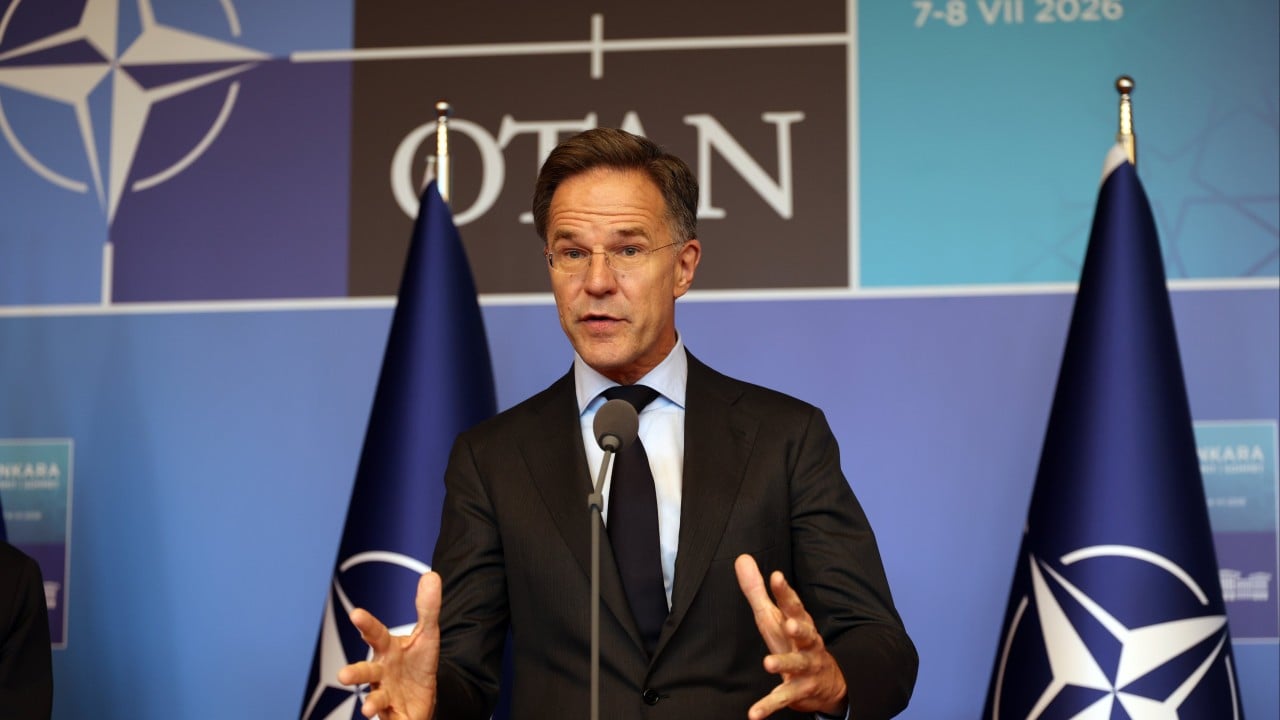
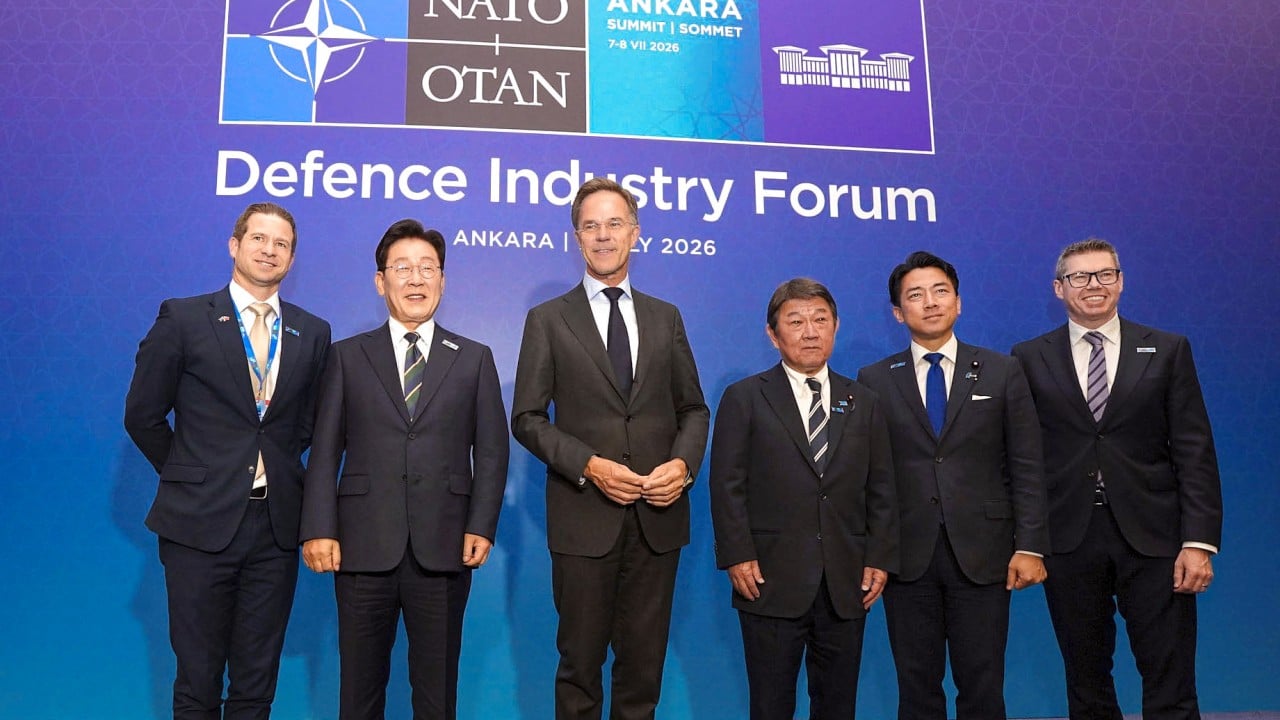
Nato chief Mark Rutte meets top officials from Australia, Japan, New Zealand and South Korea on sidelines of Ankara summit Secretary General Mark Rutte on Tuesday met with top officials from the Indo-Pacific Four (IP4) partner nations – Australia, Japan, New Zealand and South Korea – on the sidelines of the Nato summit in Ankara. The talks featured South Korean President Lee Jae Myung and Foreign Minister Cho Hyun, Japanese Foreign Minister Toshimitsu Motegi and Defence Minister Shinjiro Koizumi, New Zealand Defence Minister Chris Penk and the Australian defence industry minister, Pat Conroy. Lee is the only IP4 state leader attending the two-day summit, which closes today. According to the Japanese foreign ministry, Rutte and the IP4 leaders shared “candid” views on the international situation, including Russia’s aggression against Ukraine, the situation in the Indo-Pacific such as issues related to China, their policies towards North Korea and the situation in Iran. They agreed to strengthen cooperation in areas such as the defence industry, cyberspace and technology, it said.
Donald Trump declares Iran ceasefire ‘over’, China calls for de-escalation
Industry

Donald Trump declares Iran ceasefire ‘over’, China calls for de-escalation

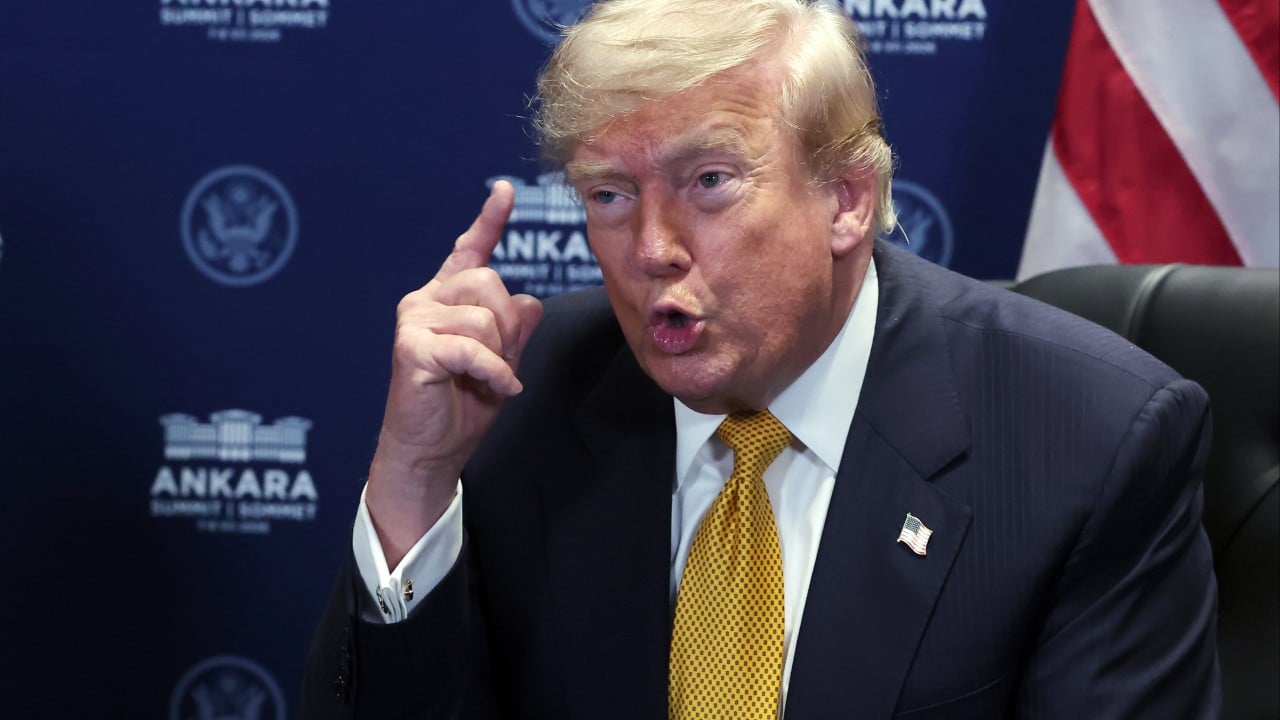
‘I don’t want to deal with them any more,’ US president says on the sidelines of the Nato summit in Turkey The US president also warned that attacks on Iran would continue on Wednesday evening. “We’ll probably hit ’em hard tonight, I’ll give ’em a little warning.” Hours earlier, Beijing urged both countries to return to negotiations. “Reigniting the conflict does not serve any party’s interests. Military means cannot solve the fundamental issue,” said Mao Ning, spokeswoman for China’s Ministry of Foreign Affairs. “We call on the US and Iran to follow through on their memorandum of understanding, resolve disputes through dialogue and negotiation, and avoid resorting to force.”

Are the US’ AI models better than China’s? That may be beside the point
Industry

Are the US’ AI models better than China’s? That may be beside the point

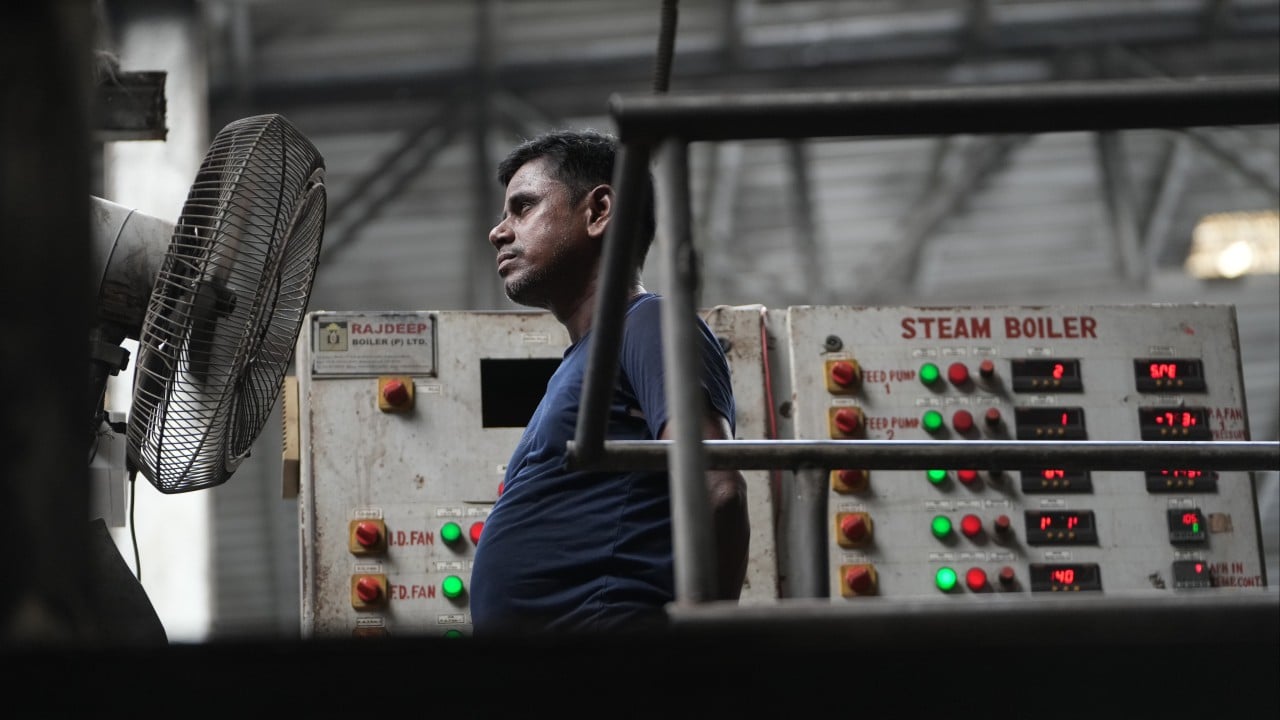
As another heatwave rolled across Europe, the warehouses emptied before the politics could catch up. Air conditioners and fans sold out across Spain, Italy and Germany, most of them Chinese. Fan sales in Spain alone on the retail platform of Alibaba Group Holding (which owns the South China Morning Post) nearly doubled last month while Midea Group’s air-conditioner sales in western Europe surged by over 70 per cent in the first six months of the year. A decade from now, such heatwaves may become...

Google DeepMind director Cao Liangliang makes a boomerang return to Hong Kong
Industry

Google DeepMind director Cao Liangliang makes a boomerang return to Hong Kong

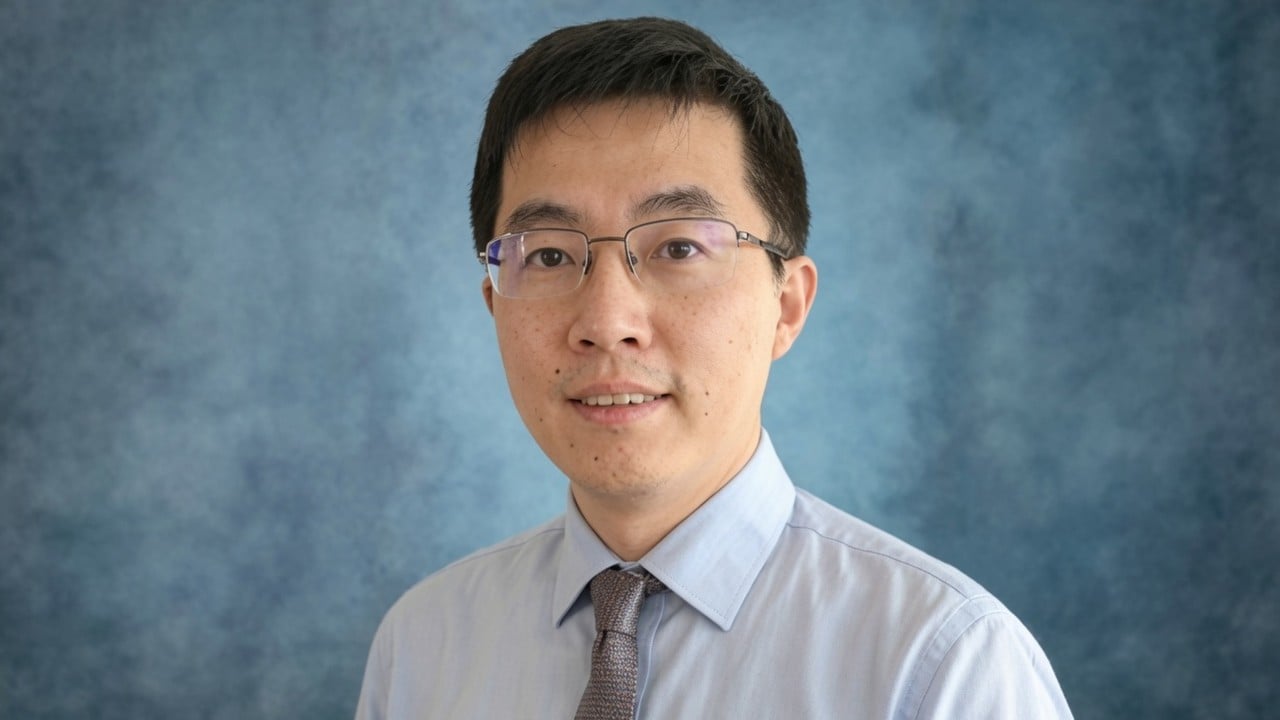
After a journey including study under luminaries in computer vision and AI sectors, Cao brings Silicon Valley experience to PolyU In a homecoming for Hong Kong’s artificial intelligence community, Cao Liangliang – former principal engineer and director at Google DeepMind and architect of foundational AI systems at Google, Apple and IBM – has returned to the city after a two-decade absence. From Cao’s early work at Tang’s pioneering Multimedia Laboratory (MMLab), from which the AI company SenseTime emerged, to leading roles shaping Silicon Valley’s most advanced AI – including Gemini, Apple Intelligence and Vision Pro – he has built global influence in machine learning. “Returning to Hong Kong is a full-circle moment for me,” Cao said on his personal website. Born in Donggang, in the northeastern province of Liaoning, Cao was admitted to the University of Science and Technology of China (USTC), a leading Chinese science and technology institution, in 1998. When he graduated in 2003, he met Tang, who had come to USTC to recruit students. Tang, a PhD graduate of MIT, returned to Hong Kong to teach in the department of information engineering at CUHK in 1998.

The missile funding dispute endangering Taiwan’s ‘T-Dome’ air defence plan
Industry

The missile funding dispute endangering Taiwan’s ‘T-Dome’ air defence plan

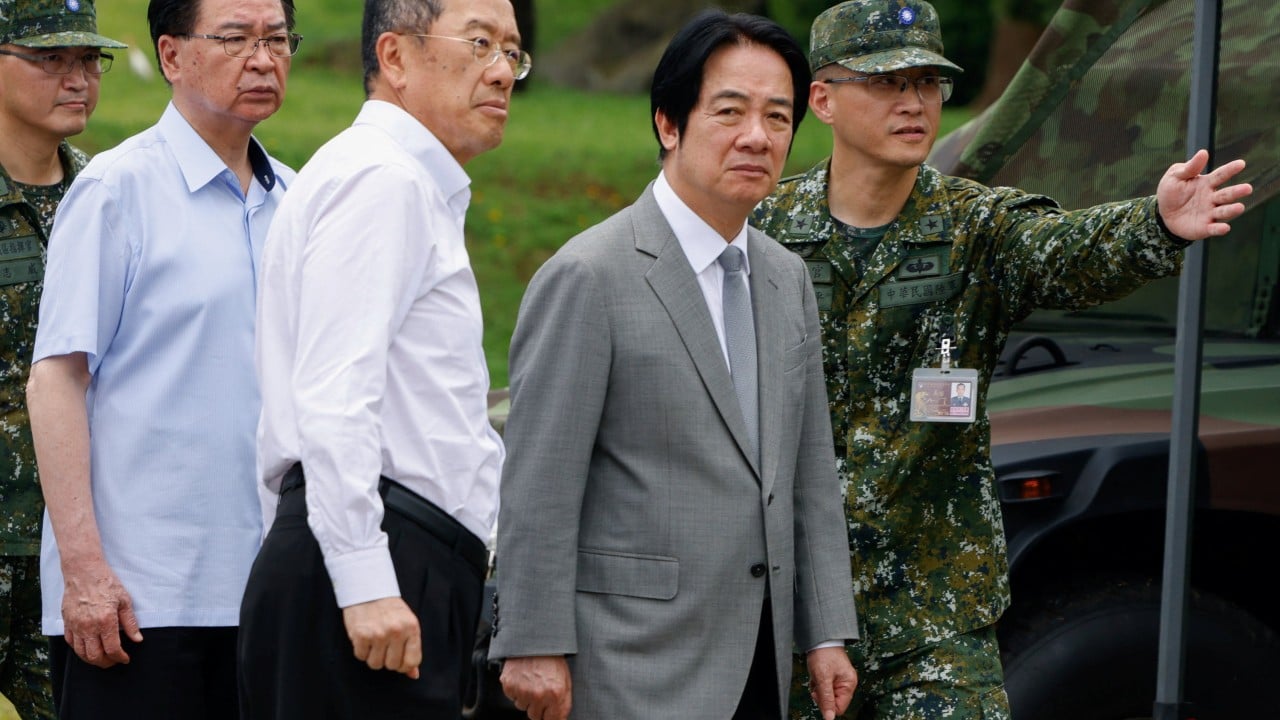
Strong Bow system cannot be included in special bill amid diminishing chances of securing supplementary funding this year, officials say The island’s opposition-controlled legislature approved a reduced NT$780 billion (over US$24 billion) special defence budget in May, rejecting a larger NT$1.25 trillion package proposed by the government. After the programme was dropped, the military sought to revive it either through a supplementary budget this year or by incorporating it into the annual defence budget next year. But differences between the cabinet and the defence ministry had prevented agreement on an alternative funding mechanism, Taiwan’s Liberty Times quoted unnamed senior government officials as saying on Monday.

Trump still ‘disappointed’ with Nato, says US should control Greenland as summit kicks off
Industry

Trump still ‘disappointed’ with Nato, says US should control Greenland as summit kicks off

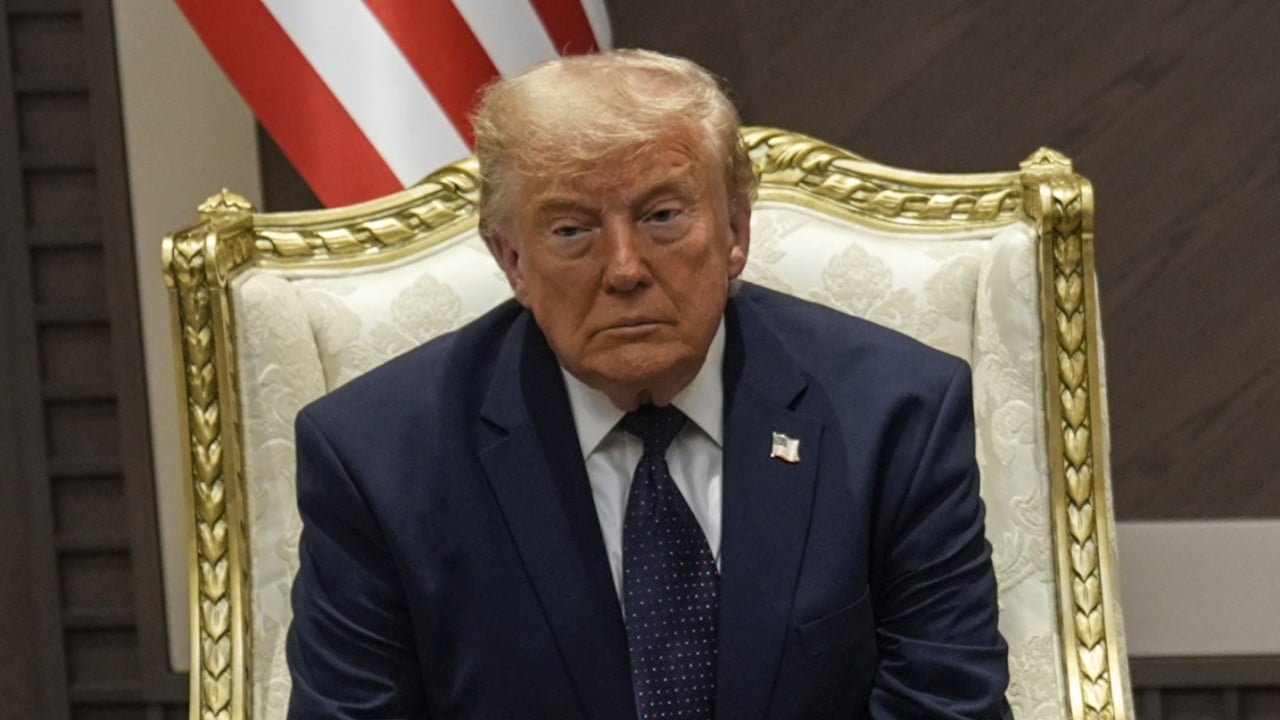
US President Donald Trump doubled down on his criticism of Nato member states’ refusal to aid Washington’s military operation in the Middle East, while noting that his country would consider selling F-35 fighter jets to Turkey after years of deadlock. In his meeting with Turkish President Recep Tayyip Erdogan on Tuesday, the US president, who arrived in Ankara to attend this year’s Nato summit, said he was “very disappointed” with fellow Nato member states during Washington’s military operation...

Nato launches defence projects to counter Russia and China
Industry

Nato launches defence projects to counter Russia and China

New measures focus on critical minerals, drone capabilities and missile shields as members boost the alliance’s industrial base Nato member states unveiled a series of defence initiatives on Tuesday aimed at strengthening weapons development, production and supply chains in response to security challenges posed by Russia and China. Speaking at the Nato Summit Defence Industry Forum (NSDIF) on the first day of this year’s summit in Ankara, Turkey, Nato Secretary General Mark Rutte announced several new projects involving member states and defence contractors to bolster the alliance’s advanced military capabilities. Among them was a multinational initiative on defence-critical raw materials involving 12 Nato member states: Belgium, Canada, Denmark, Finland, Greece, Italy, Luxembourg, the Netherlands, Norway, Spain, Sweden and Turkey. While not going into detail about the plans of the initiative, Rutte said that Nato’s industrial base and supply chain must be “resilient and secure” for the alliance to remain ready and strong, meaning that Nato needs a stable supply of critical materials and components “regardless of potential shocks or disruptions”. “That’s what this new project is all about.

Latest US political divide emerges: the age gap over whether China is cause for concern
Industry

Latest US political divide emerges: the age gap over whether China is cause for concern

While the issue is less polarising than many others, a survey has found a ‘marked’ difference between different generations “Across almost every potential concern tested regarding Beijing, American unease climbs steeply with age,” the 2026 Reagan Institute Summer Survey report said. It also found that despite the deep political divisions within the US over foreign and domestic policy, there was less sign of a bipartisan split over China compared with any other specific foreign policy issue. “There is bipartisan consensus across most concerns regarding China, from its role in the fentanyl crisis to its human rights abuses. But domestic-facing worries top the list of concerns about China,” the report said. The survey questioned 1,555 respondents about 11 China-specific issues, and concluded that “younger Americans are markedly less worried than their older counterparts”.

Indian ambassador to China urges deeper economic ties, touts AIIB as model
Industry

Indian ambassador to China urges deeper economic ties, touts AIIB as model

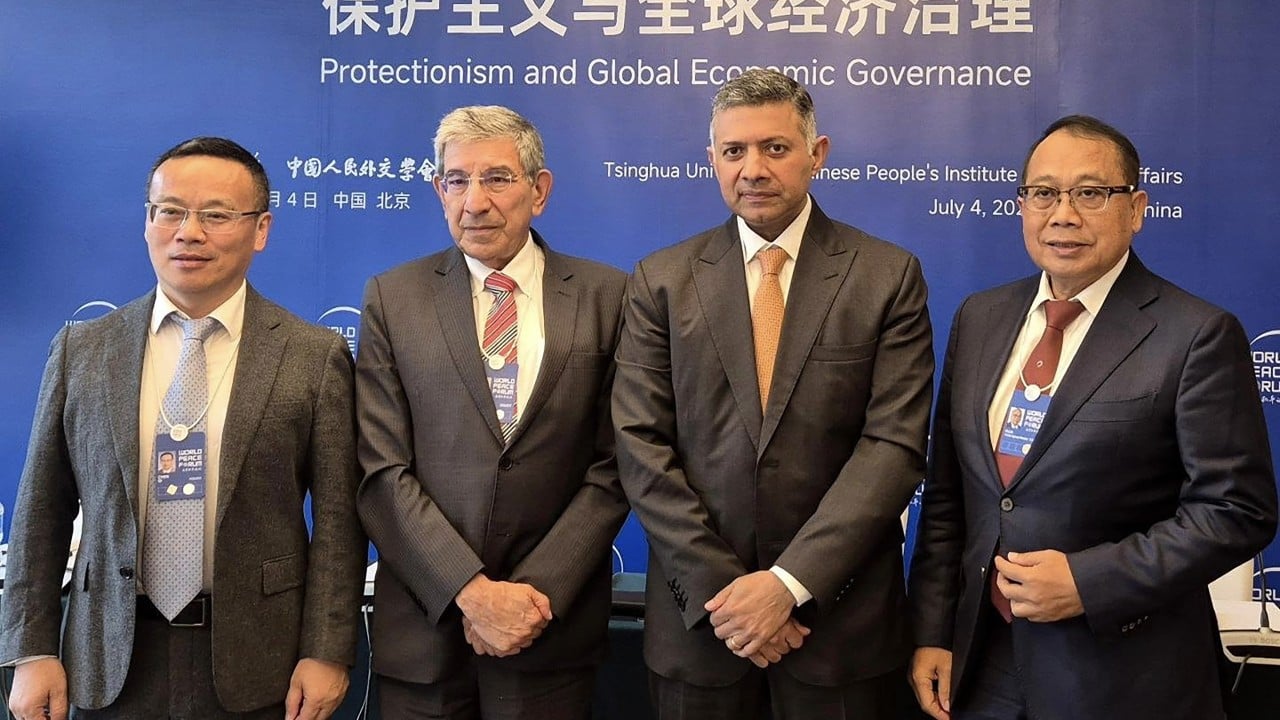
New envoy also advocates for multilateral cooperation as global economy faces challenges ranging from tariffs to export controls The senior diplomat said countries were now “less willing to look at preferential trading arrangements” around the world, adding that beyond tariffs, the global economy faced other barriers in certification processes, export controls, weaponisation of finance, technology and digital infrastructure. Doraiswami also pointed to a global trend of looking increasingly at “moving away from efficiency-first economics to security-first production”, with many pursuing “competitive advantage rather than comparative advantage” for a “unilateral self-reliant system”. Different economies were reluctant to open up areas where they had shortcomings and often sought free trade in sectors where they were strongly positioned, Doraiswami said.

China submarine fires long-range missile ahead of Nato summit
Industry

China submarine fires long-range missile ahead of Nato summit

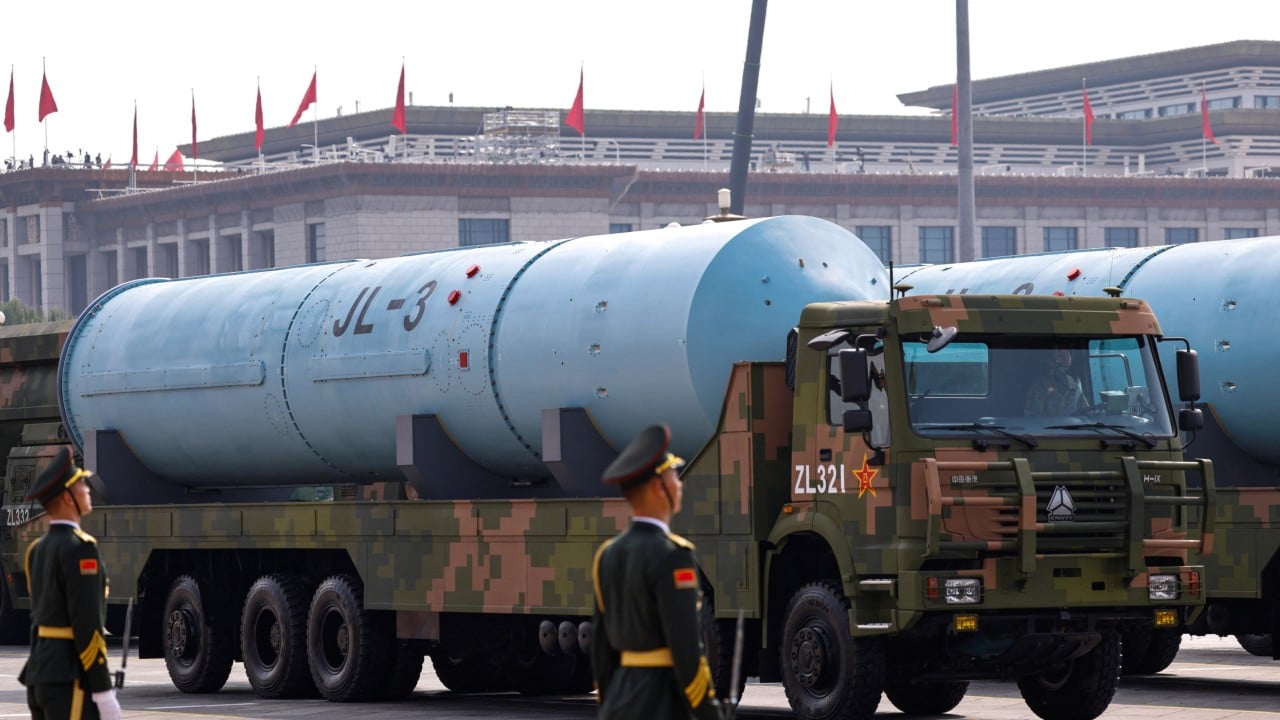
Nato chief Mark Rutte said the alliance “cannot be naive” about China’s military build-up, after the nation conducted its first known launch of a strategic missile from a nuclear submarine. “What happens in the Indo-Pacific is relevant to what is happening in the transatlantic,” Rutte told a news conference on Monday, ahead of the military alliance’s annual summit in Ankara, Turkey. The Indo-Pacific and European theatres were becoming “more intertwined”, as was also shown by China’s support for...

To boost manufacturing, India need not choose between Japan and China
Industry

To boost manufacturing, India need not choose between Japan and China

Last week, Japanese Prime Minister Sanae Takaichi led a business delegation to New Delhi for the 16th India-Japan annual summit. During last year’s summit in Tokyo, Takaichi’s predecessor, Shigeru Ishiba, and Indian Prime Minister Narendra Modi outlined the Japan-India Joint Vision for the next decade – during which period India may see up to 10 trillion yen (US$62 billion) in investment from Japan. Some of Japan’s most notable investments in India have been in the financial sector. Japanese...

Dear You: Beijing holds movie night for diplomats to help them ‘better understand’ China
Industry

Dear You: Beijing holds movie night for diplomats to help them ‘better understand’ China

Staff from 74 embassies attend the screening of the smash hit that has triggered debates about propaganda across Southeast Asia The movie was shot in the Teochew dialect spoken in the Chaoshan region of Guangdong province and follows a man as he uncovers his family’s struggles over half a century through remittance letters sent from Thailand in the 1940s. The story also touches on the issue of migration to Southeast Asia and the Chinese diaspora’s efforts to preserve their heritage. Assistant foreign minister Hong Lei told the event that vast numbers of Chinese people had worked hard to make lives and careers in foreign lands. He added that the film showed ordinary Chinese people’s care for home and country and their true kindness. “[I] hope that by watching this film, everyone can further enter the deep recesses of the Chinese people’s hearts and minds, and better understand China,” he said.