Industry — 742 insights
Beijing denounces US chip curbs as threat to global supply chains
Industry

Beijing denounces US chip curbs as threat to global supply chains

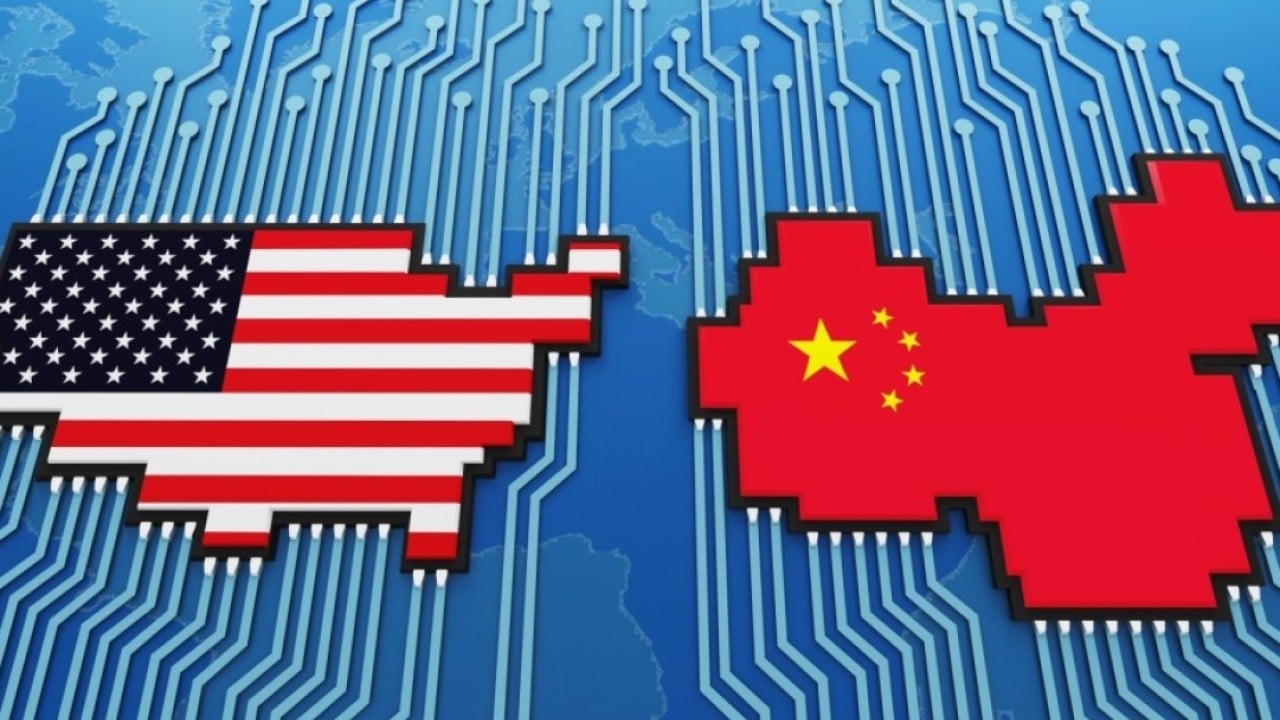
Move to incorporate three China-focused export control measures into the NDAA marks a new escalation in the US technology rivalry Liu Chang, spokesperson for the Chinese embassy in Washington, said in a statement that, while the NDAA is a US domestic bill, Beijing nonetheless “firmly reject[s] inserting negative content about China into the draft legislation”. “The global industrial and supply chains come into shape as a result of both the law of the market and the choices of businesses,” he said. “Arbitrary disruption and damage to the global industrial and supply chains serves no one’s interest and to do so will receive no support.” “The US should stop politicising, weaponising and ideologising economic, trade and sci-tech issues, stop blocking and hobbling Chinese companies, respect the law of the market economy and free trade rules, and defend the security and stability of global industrial and supply chains.”
Anthropic, China and why Pax Silica architect thinks the US can keep the AI lead
Industry

Anthropic, China and why Pax Silica architect thinks the US can keep the AI lead

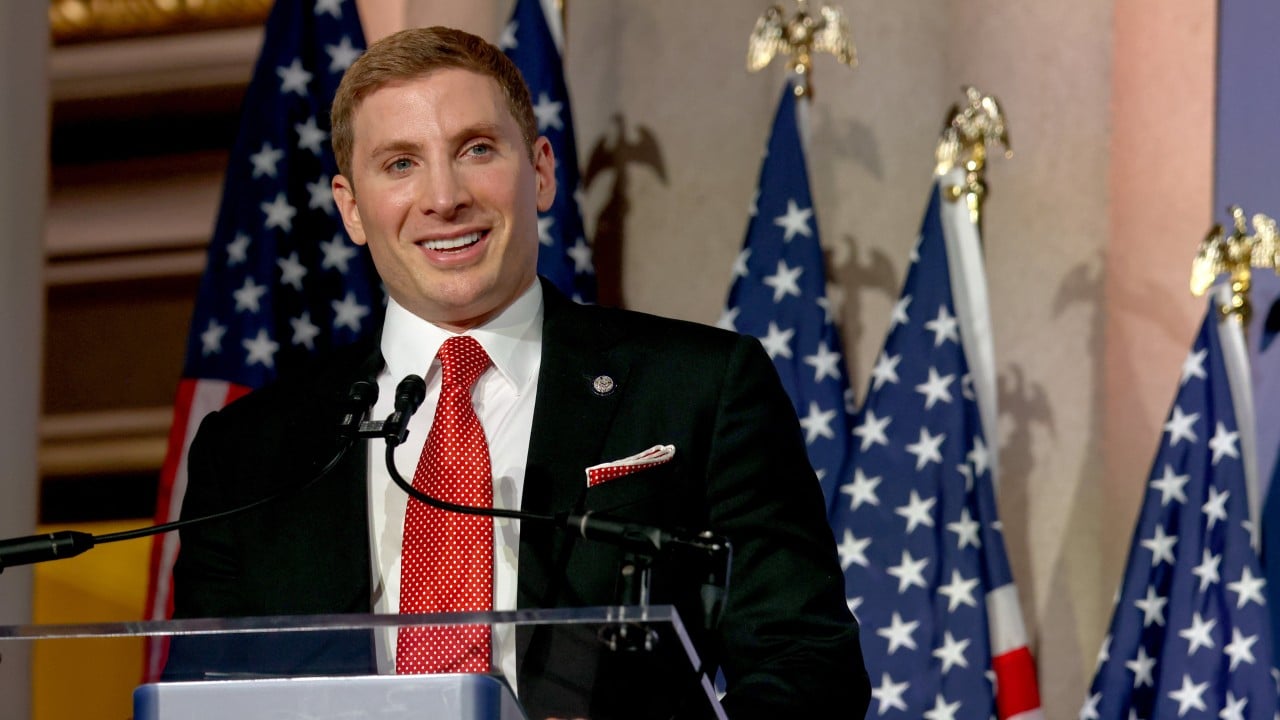
Brief curbs on foreign access to Anthropic’s Fable and Mythos models designed to keep infrastructure safe, Jacob Helberg says The struggle between the US and China over who will lead in artificial intelligence is one of the defining competitions of our time. In this first part of our exclusive interview with a key player defining Washington’s policy on AI, US undersecretary of state for economic affairs Jacob Helberg discusses the ban on foreign access to Anthropic models and how the US can maintain its edge. “We do not want cyberattacks on our critical infrastructure or the critical infrastructure of our allies,” Jacob Helberg, US undersecretary of state for economic affairs, told the South China Morning Post in an exclusive interview. Helberg, who leads Washington’s Pax Silica initiative – which also counts 22 other nations, plus the European Union, as signatories – said the administration had assessed how advanced AI models could be released safely. “We undertook a process to make sure that we can have a sensible approach to releasing that technology in a way that is safe and secure for our critical infrastructure and our financial sector,” he said.

China is building early warning system to spot Earth-smashing asteroids
Industry

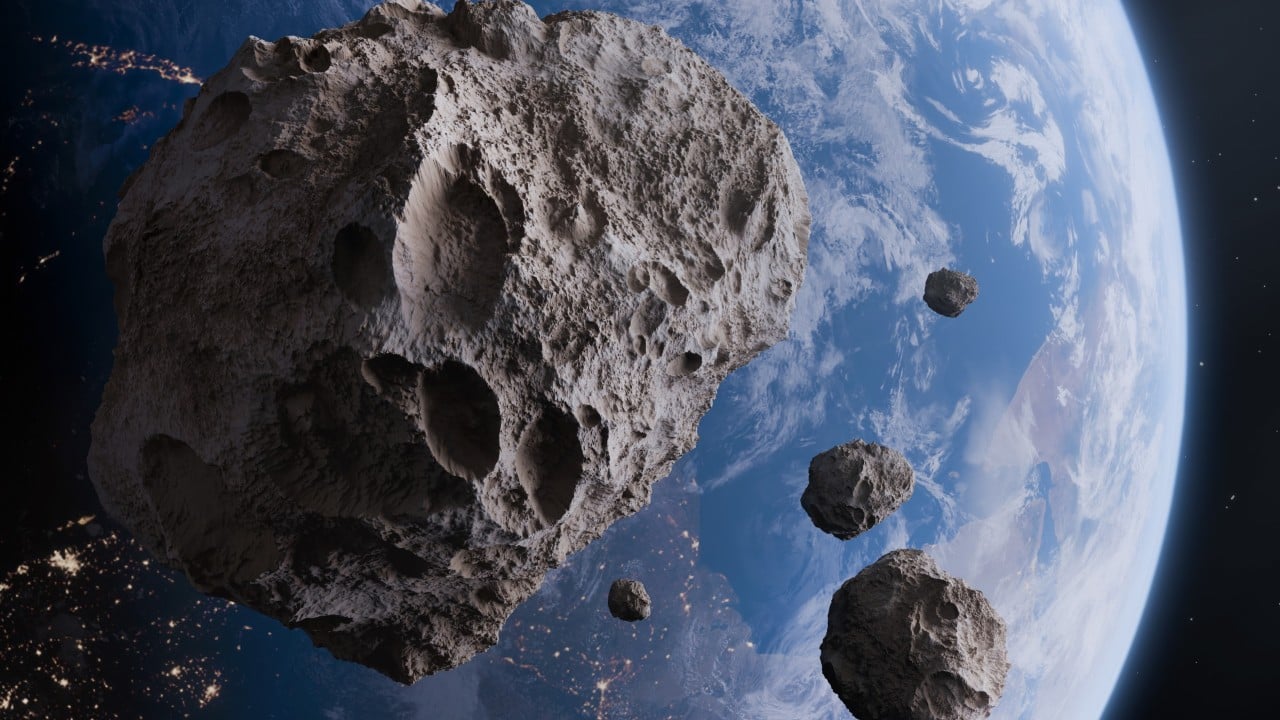
China is building early warning system to spot Earth-smashing asteroids

Beijing will use ground telescopes and orbital satellites to track dangerous space rocks that currently go undetected China is developing an early warning system to spot asteroids that might smash into the Earth, according to the scientist leading the national mission. China planned to deploy multiple telescopes on the ground, alongside a constellation of satellites in orbit, state-run Science and Technology Daily quoted Li Mingtao, chief scientist at the asteroid monitoring and early-warning research centre under the China National Space Administration, as saying. None of the asteroids that had been discovered so far were thought to be on a clear collision course with Earth, Li said in the report on June 30, which the United Nations designated as International Asteroid Day. More than 95 per cent of near-Earth asteroids larger than 1km (0.62 miles) in diameter – large enough to trigger global catastrophes – had already been identified, he said. But only about 45 per cent of asteroids measuring around 140 metres (460 feet) across, which could devastate a small country, were believed to have been discovered, he added. “These undiscovered near-Earth asteroids pose the greatest risk.

China’s lab monkey prices hit Covid-era highs on new drug R&D demand
Industry

China’s lab monkey prices hit Covid-era highs on new drug R&D demand

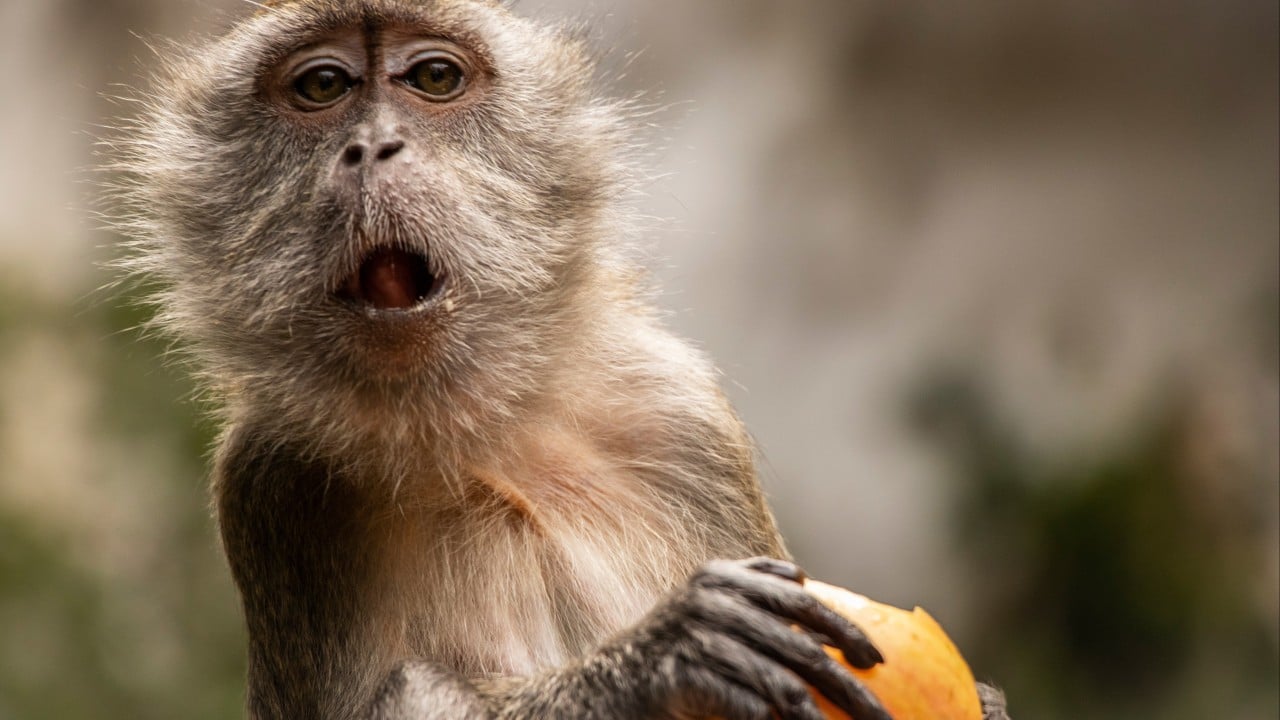
Long macaque breeding cycles and fully pre-booked colonies have forced some researchers to put critical studies on hold Suppliers are now generally quoting about 180,000 yuan (US$27,000) per animal. “It is not just a question of price,” said Guo, who works at the Guangdong Provincial Key Laboratory of Non-Human Primate Research. “In many cases, the monkeys simply cannot be bought. Suppliers say they have all been pre-booked.” Guo said his laboratory required between 30 and 50 monkeys each year for scientific work, including pathological and molecular biological analyses.

Jia Qianqian was a literary high-flier. Then came the online claims of plagiarism
Industry

Jia Qianqian was a literary high-flier. Then came the online claims of plagiarism

Scandals are coming thick and fast in Chinese academia, with a former child prodigy also stripped of her master’s In a statement on Wednesday, Northwest University said its months-long investigation found that nine of Jia’s published papers contained plagiarised material. The university had terminated her teaching appointment and revoked her associate professor title. In addition, her 2009 master’s degree had been revoked after Shaanxi Normal University carried out its own review of her thesis and found plagiarism, the statement said. On July 8, President Xi Jinping called for greater efforts to crack down on academic misconduct at a meeting in Beijing. Improving China’s ability to innovate is a cornerstone of the government’s economic strategy.

US hardens AI stance on China as Anthropic calls for extending lead
Industry

US hardens AI stance on China as Anthropic calls for extending lead

AI company urges tighter export controls, saying Chinese rivals are rapidly closing the gap through unauthorised model distillation Washington is moving to strengthen its artificial intelligence posture towards China, with lawmakers advancing new export control bills and the Trump administration deepening cooperation with leading US AI firms as concerns grow that Beijing is rapidly closing the technological gap. A senior Anthropic executive said on Wednesday that the United States holds a six-to-nine-month lead in frontier AI models over Chinese competitors, while accusing Chinese companies of using unauthorised “distillation” techniques to replicate American advances. “We actually do have a pretty good handle on the lead. I think the six-to-nine-month figure is kind of an average if you look at models,” Tarun Chhabra, Anthropic’s head of national security policy, said during a discussion at the Aspen Security Forum. Chhabra characterised what he described as China’s use of model distillation as “adversarial”, describing it as “extracting the most valuable IP from the models”. He added that the United States could have been “a year to 18 months ahead” if Chinese firms had not engaged in the practice.

14-nation South China Sea statement is an expansionist overreach
Industry

14-nation South China Sea statement is an expansionist overreach

On July 12, a coalition of 14 nations – the United States, Philippines, Australia, Canada, Britain, Japan, New Zealand, and seven European states including Germany, Italy and the Baltic nations – issued a statement marking the 10th anniversary of the South China Sea ruling at The Hague in 2016. The document recycled familiar arguments, urging compliance with the ruling and framing it as a cornerstone of the rules-based international order. But beneath it lies a fundamental disconnect from...

Trump intelligence pick to play ‘helpful’ role in agreeing economic strategy with China
Industry

Trump intelligence pick to play ‘helpful’ role in agreeing economic strategy with China

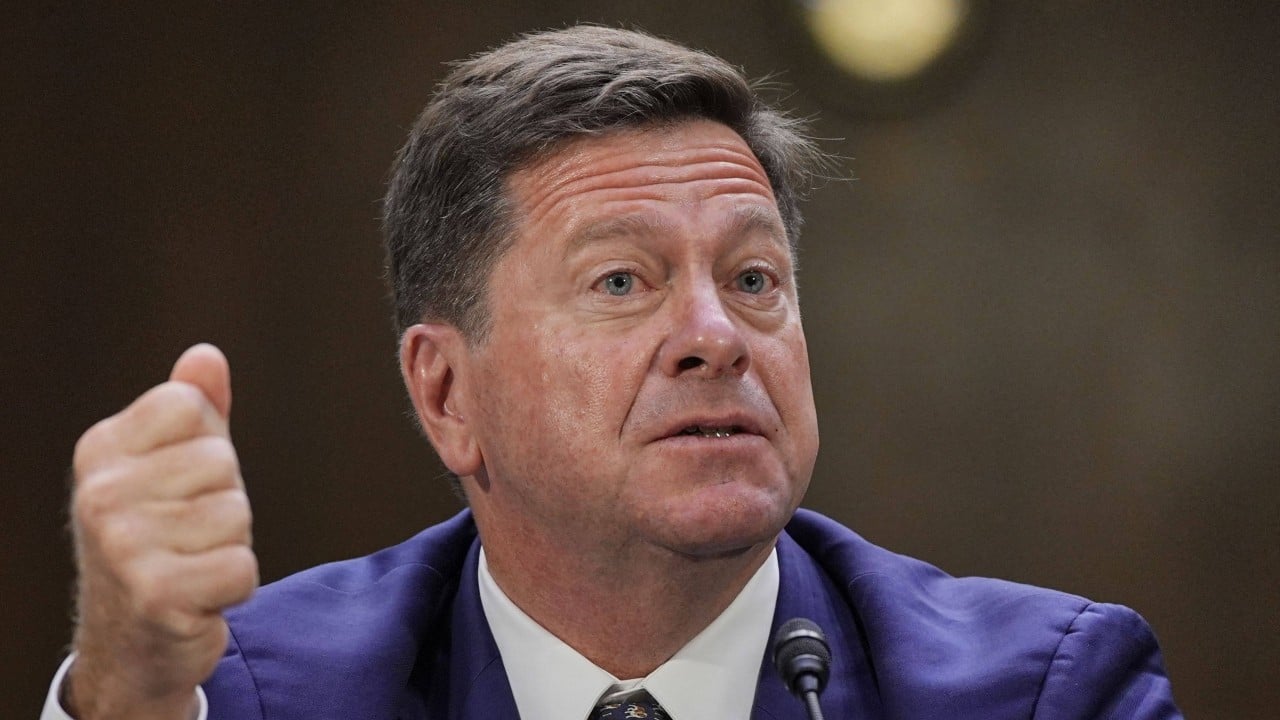
Jay Clayton says US can still work together ‘on the world stage economically’ with Beijing despite the geopolitical challenges they face Jay Clayton, the top federal prosecutor in Manhattan, appeared before the US Senate Select Committee on Intelligence on his nomination, where he was questioned on several key intelligence issues. Later in the hearing, lawmakers pushed back on the perceived ranking of Clayton’s threat assessment, stressing the importance of China as a geopolitical threat. “One, I strongly disagree with you about the issue of drug trafficking being more important at this point than the threat of China or Russia,” said Mark Warner, a Democratic senator from Virginia, with Clayton quickly clarifying he did not rank the threats in order.

EU accuses China of seeking to reshape global order in stark new strategy paper
Industry

EU accuses China of seeking to reshape global order in stark new strategy paper

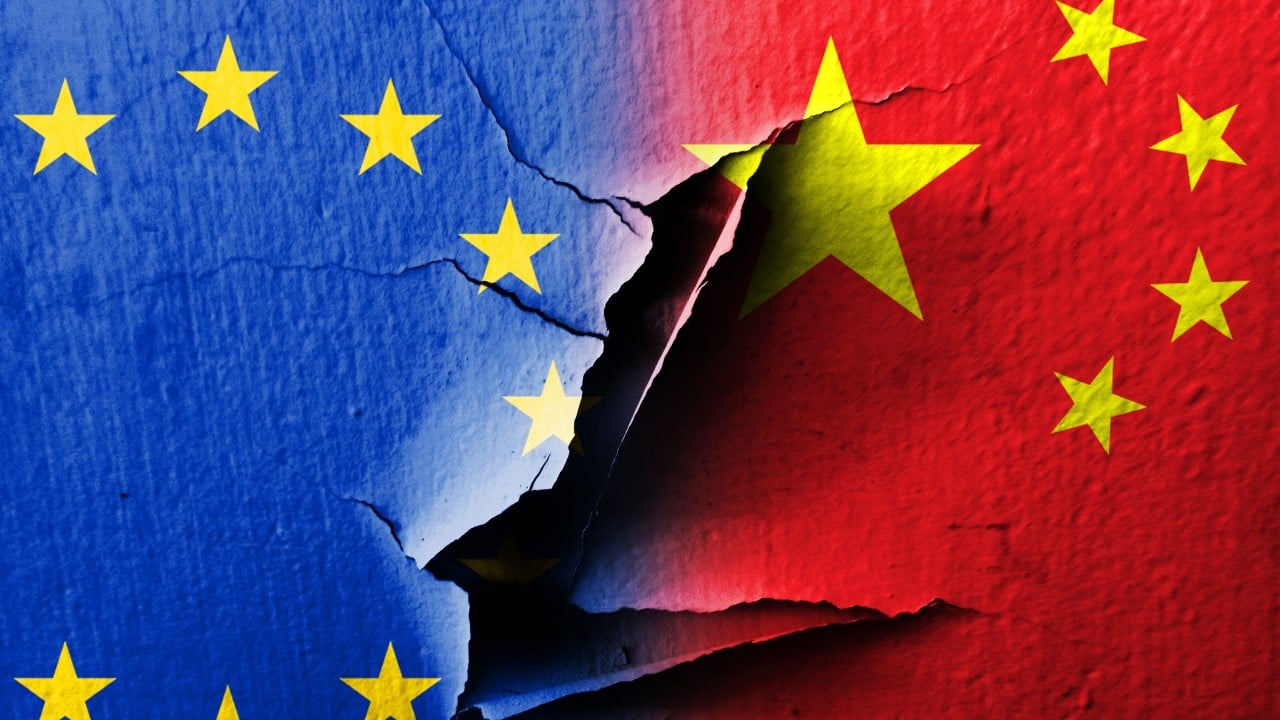
China trying to ‘reshape the global order in line with their interests’, says EU in some of bloc’s strongest official criticism of Beijing In stark terms, the paper casts Russia and China as the two principal revisionist powers challenging European security and the international rules-based order. “At the centre of this transformation lies the determination of some powers, Russia and China foremost among them, to establish regional dominance and reshape the global order in line with their interests, fostering a return to a sphere-of-influence logic,” read the document, which was written by the EU’s External Action Service – its de facto foreign office – as guidance for the bloc’s first security strategy, expected later this year.

Global views of China and Xi improve as perceptions of US decline, Pew survey finds
Industry

Global views of China and Xi improve as perceptions of US decline, Pew survey finds

China’s image has recovered from pandemic lows while confidence in the US and its global leadership has weakened The survey, released on Wednesday, polled more than 45,000 people across 37 countries spanning every region of the world, including many advanced economies and emerging markets, such as Argentina, Australia, France, Ghana, India, Israel, Japan, Mexico, Turkey and the US. “Views of China were at or near historic lows in many countries during the Covid-19 pandemic but have since steadily increased,” Jonathan Schulman, a research associate at Pew Research Centre, said in a statement to the South China Morning Post. “Views of the US have declined in many places, and the share of people saying that the US is a reliable partner to their country has similarly fallen sharply.” The survey was conducted between February and May through telephone, face-to-face and online interviews, during a period when the US was becoming increasingly entangled in the conflict with Iran and other regional crises. One of the survey’s most notable findings is the shift in relative perceptions of China and the US.

US-Iran war: is Trump falling into a Vietnam ‘quagmire’?
Industry

US-Iran war: is Trump falling into a Vietnam ‘quagmire’?

Renewed strikes put Washington’s appetite for a prolonged war to a familiar historical test, analysts say The renewed cycle is testing both Tehran’s resilience and Washington’s appetite for a prolonged conflict, prompting some analysts to draw uncomfortable parallels with the political tolls that past US presidents faced in drawn-out wars such as in Vietnam and Afghanistan. The US military on Wednesday said it had launched a “90-minute wave” of precision strikes that had “further degraded Iran’s ability to attack commercial shipping in the Strait of Hormuz”. Tehran, which insists it controls the strait, has launched retaliatory drone and missile attacks on US-linked targets in Jordan, Bahrain and Kuwait, vowing the waterway would stay closed “until the US ends its aggression”.

Christmas tree troubles, new Pacific missile launch: 7 US-China relations reads
Industry

Christmas tree troubles, new Pacific missile launch: 7 US-China relations reads

We have selected seven of the most interesting and important news stories covering US-China relations from the past few weeks. If you would like to see more of our reporting, please consider subscribing. 1. US lawmakers push for fewer tax breaks to reduce reliance on China technology A growing number of US lawmakers see the tax code as a way to shift corporate America’s reliance on Chinese technology, framing economic ties as a national security risk. Read the full story here. 2. Lindsey...