Industry — 729 insights
How AI is helping to open a new chapter for ancient Chinese literature
Industry

How AI is helping to open a new chapter for ancient Chinese literature

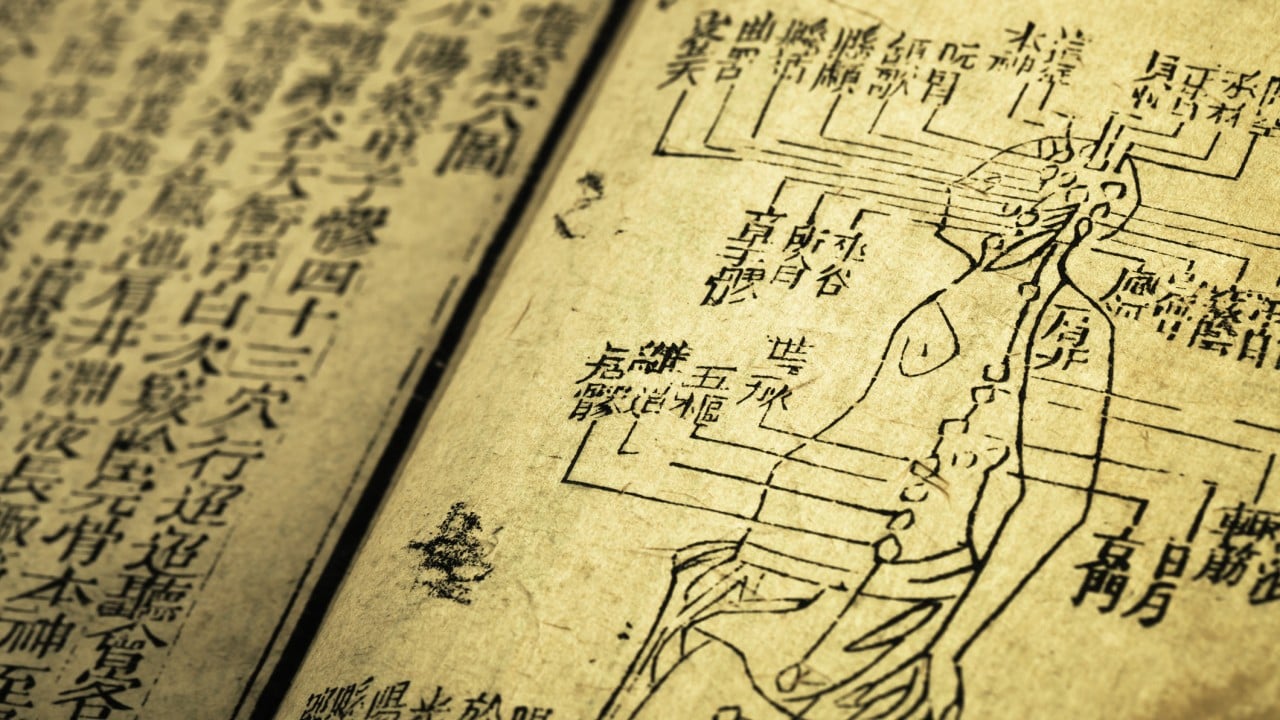
The technology is being used for everything from digitising rare manuscripts to helping break down barriers to understanding classical texts For generations, working with ancient Chinese texts has been a painstaking task. Specialists would spend years deciphering unfamiliar characters, copying manuscripts by hand, adding punctuation to texts written without it, comparing different editions and tracing references scattered across thousands of years of records. But artificial intelligence (AI) is now changing that process, not only by helping to preserve fragile manuscripts but also by transforming how ancient texts are recovered, studied and shared. As China accelerates its efforts to digitise a vast collection of ancient works, universities, technology companies and volunteers are taking part in a nationwide effort to turn the country’s rich literary heritage – once largely the preserve of specialists – into an open digital resource. An example of how this works in practice is Shidian Guji, an online database of more than 70,000 ancient works, all of them freely available to the public, that was launched in 2022 and jointly developed by ByteDance and Peking University.
US accuses Chinese exporters of masterminding ‘Great Transshipment Scam’
Industry

US accuses Chinese exporters of masterminding ‘Great Transshipment Scam’

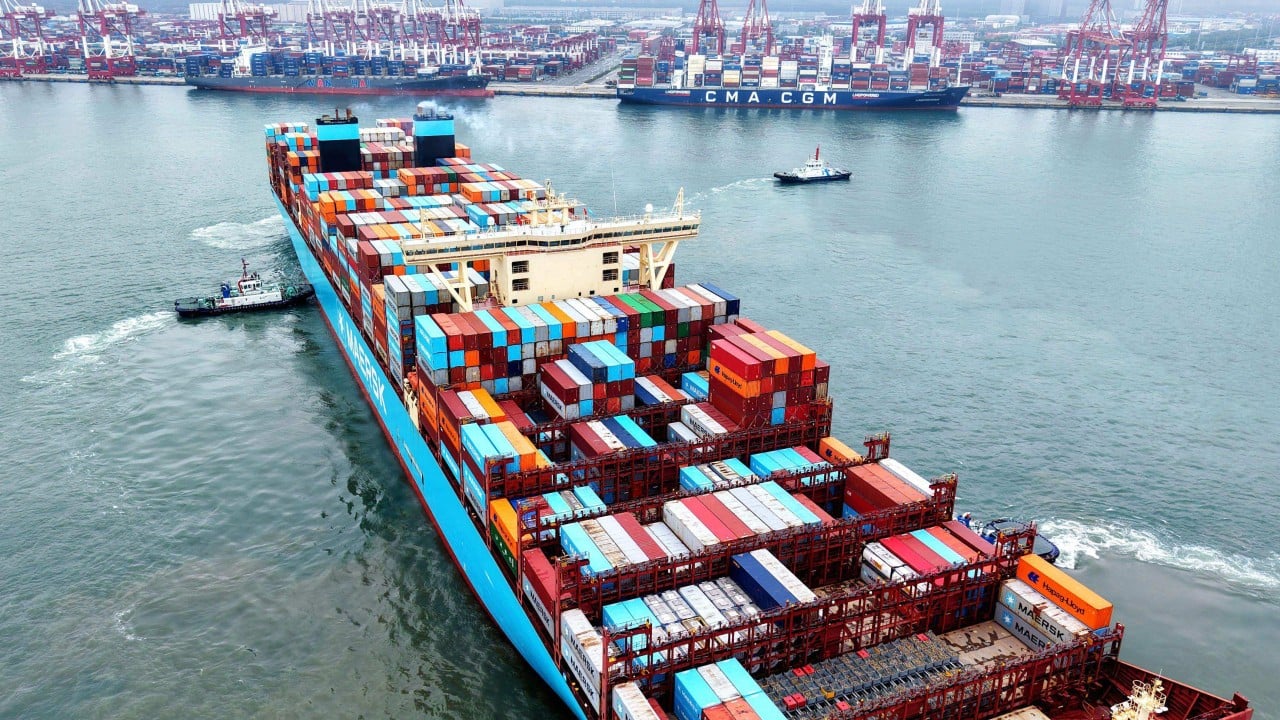
White House alleges that companies are systematically routing trade through third-party nations to evade US tariffs The Trump administration on Thursday released a sharply worded report accusing Chinese exporters of orchestrating a system of “illegal transshipment” through more than 40 third countries to dodge US tariffs, branding the practice “The Great Transshipment Scam.” The 25-page document claims Chinese firms have systematically diverted goods through lower-tariff jurisdictions since the US kicked off its trade war with China in 2018. It alleges that exporters use limited assembly, relabelling, repackaging, re-invoicing and false country-of-origin declarations to disguise Chinese-origin products and secure more favourable tariff treatment on entry into the US. The White House report says that Chinese exporters have “increasingly routed goods through third countries … where limited assembly, finishing, repackaging, relabelling or documentation changes could create the appearance of a different national origin.” The report cited a range of third-party estimates for the annual value of goods involved in illegal or suspect transshipment, spanning roughly US$40 billion to US$303 billion.

Saudi-Turkey-Pakistan Mecca pact ‘far from’ Nato-style defence alliance
Industry

Saudi-Turkey-Pakistan Mecca pact ‘far from’ Nato-style defence alliance

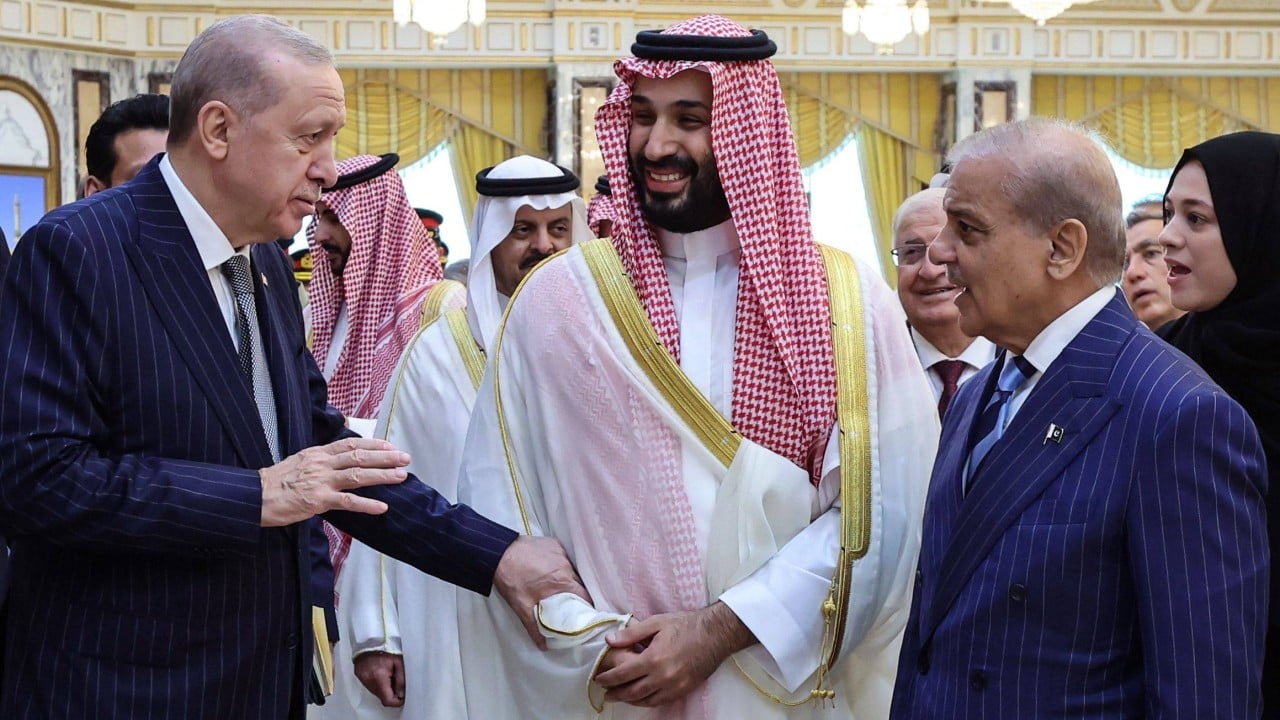
Observers say diverging strategic interests and a weak mutual security capacity will be the main challenges facing the agreement The Mecca pact’s statement that an armed attack on any of the three would be viewed as an attack on all was technically similar to the defence principle outlined in Article 5 of the transatlantic security alliance, Turkey’s top diplomat Hakan Fidan said on Saturday. However, he also stressed that the deal was not directed against Iran or any other country – as long as the pact’s member states were not attacked. Despite agreeing to resume negotiations, Washington and Tehran have continued to exchange fire. Most recently, both sides have made fresh demands and opposing claims over the Strait of Hormuz, further dimming hopes for a comprehensive deal to end the war soon.

The 11 key achievements of China’s ‘iron premier’ Zhu Rongji – in his own words
Industry

The 11 key achievements of China’s ‘iron premier’ Zhu Rongji – in his own words

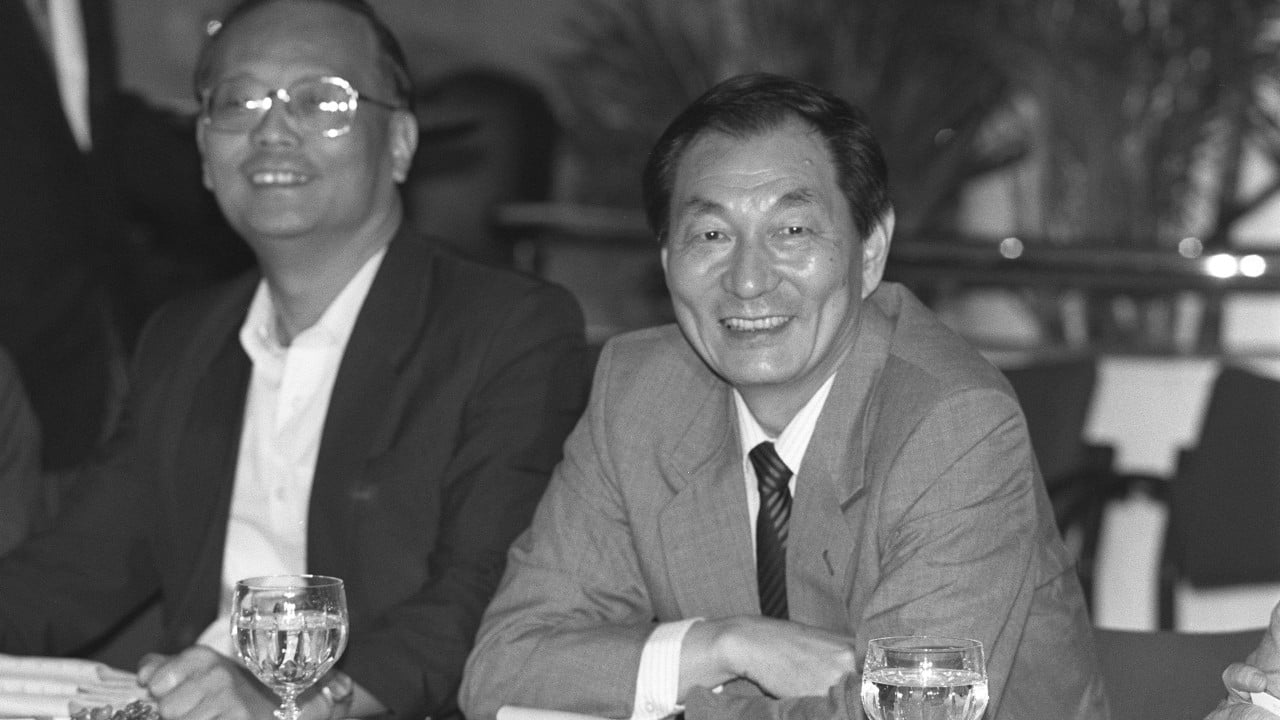
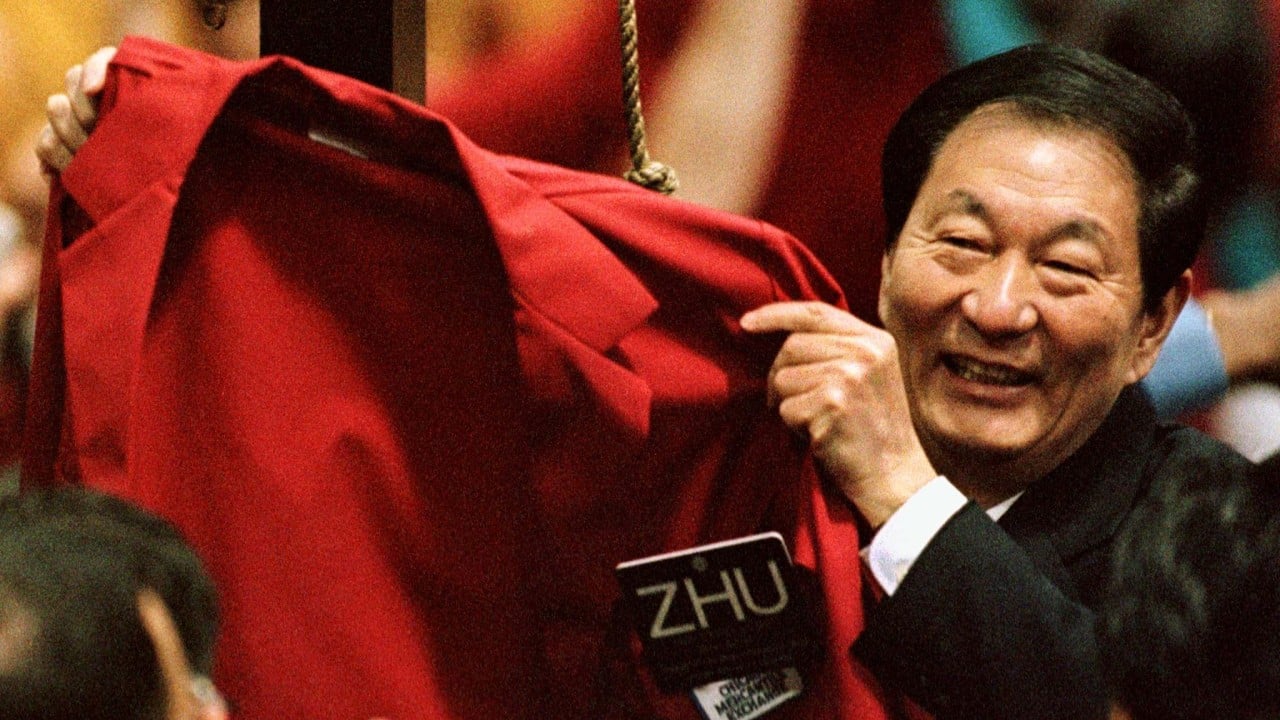
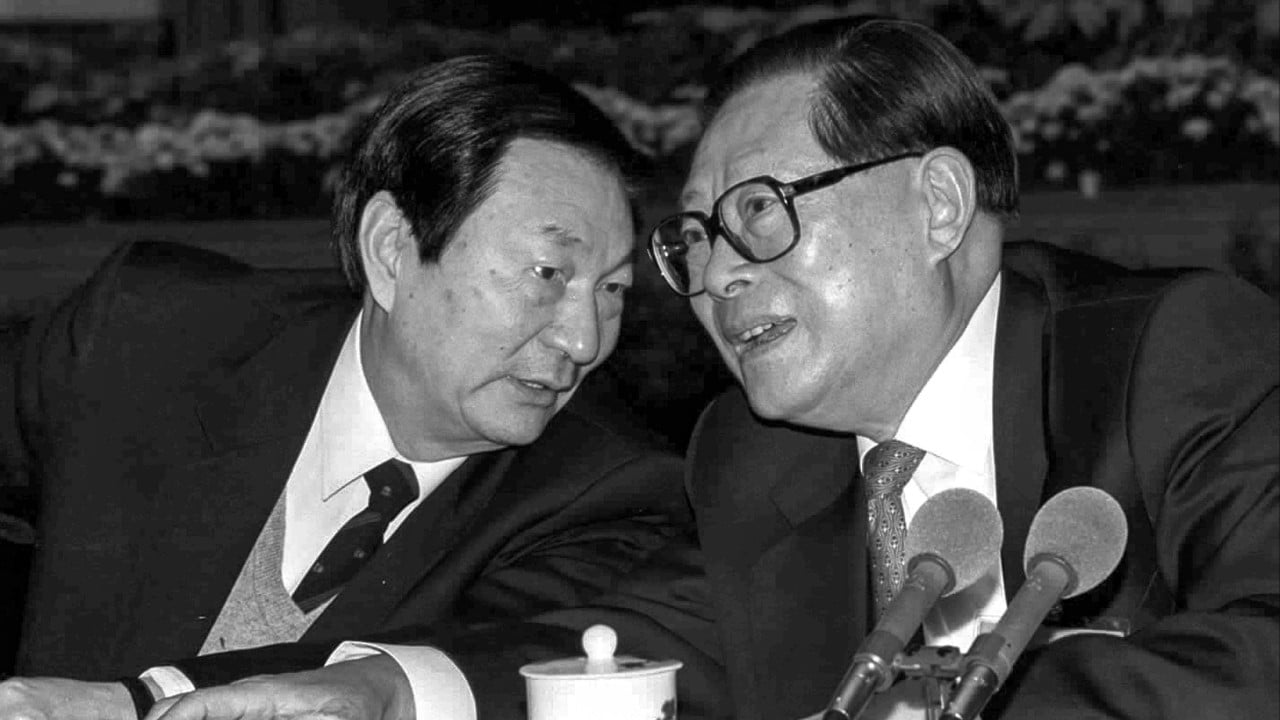
Known for his sharp intellect, no-nonsense demeanour and relentless drive for reform, China’s former premier Zhu Rongji was the primary architect of the country’s transition from an isolated, rigidly planned economy to a market-driven titan connected to the rest of the world. During his tenure from 1998 to 2003, he engineered an economic “soft landing”, steered the nation through the Asian Financial Crisis and secured entry into the WTO, laying the groundwork for the country’s historic...

Zhu Rongji reforms fuel China’s economic transformation
Industry

Zhu Rongji reforms fuel China’s economic transformation

Former Chinese premier Zhu Rongji, the driver of the nation’s economic reforms, died on Wednesday aged 97 following an illness. Zhu spearheaded China’s 2001 accession to the World Trade Organization (WTO), paving the way for an export boom that fuelled the country’s transformation into the world’s second-biggest economy. He also oversaw domestic market reforms that included closing hundreds of loss-making state enterprises and laying off some 30 million workers. The former Shanghai mayor was...

China’s travellers raise alarm over error-filled tourist signs in public spaces
Industry

China’s travellers raise alarm over error-filled tourist signs in public spaces

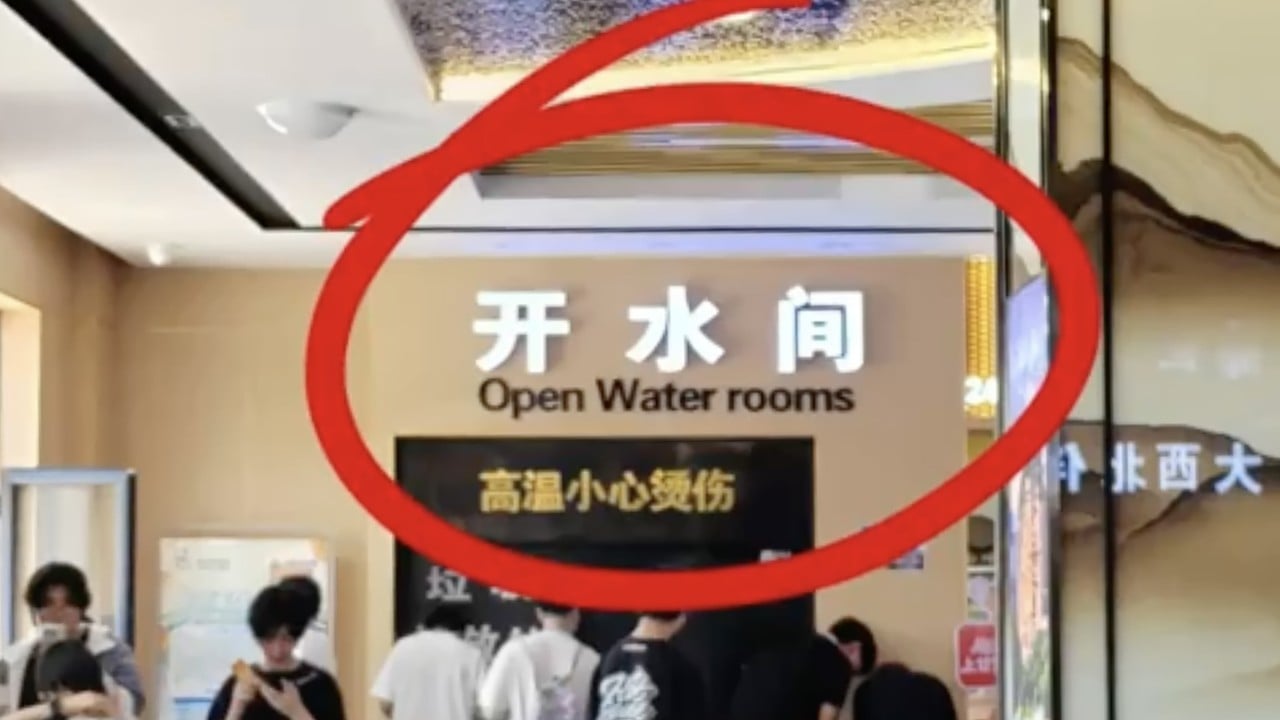
Passengers share examples on social media of mistranslations and spelling errors, along with concern at the effect on the country’s image A highway operator in Gansu province, northwestern China, apologised on Wednesday after a service area sign for the hot water room, mistranslated in English as “open water rooms”, was shared on social media. Similar translation errors, as well as spelling mistakes, on signage at public facilities have repeatedly drawn attention, including an incident in late March, when a passenger at an airport in the southwestern city of Guiyang discovered multiple misspellings. The mistranslation of the bilingual sign at the Yuanyang service area on the Lianyungang-Khorgos Expressway was revealed in a social media post on Tuesday. A day later, the Gansu Expressway Service Group issued an official notice to say the incorrect English sign had been removed, and “special inspections and rectifications of signs across all service areas managed by the company” would be carried out.

Chinese ‘yeast factory’ boosts cancer drug production by 1,000 times
Industry

Chinese ‘yeast factory’ boosts cancer drug production by 1,000 times

Turning point comes from cross-disciplinary collaboration, including across plant biochemistry, synthetic biology and protein engineering A research team at Zhejiang University (ZJU) has cracked a molecular puzzle, turning ordinary yeast into a powerful factory for an expensive cancer drug and boosting its production by a thousand times. The anticancer drug vinblastine has long been sourced exclusively from the Madagascar periwinkle (Catharanthus roseus) plant. But it takes up to 2 tonnes of dried leaves to yield just 1 gram (0.03 ounce) of vinblastine, making it more expensive than gold by weight. This extreme scarcity has kept the drug costly and its supply unreliable for decades. After years of work, a team led by ZJU professor Lian Jiazhang, in collaboration with Qu Yang’s research group at the University of New Brunswick in Canada and Wang Yajie’s team at Westlake University, has broken the deadlock. They engineered brewer’s yeast to produce 164.9 milligrams per litre (0.022 ounces per gallon) of catharanthine – the direct precursor to vinblastine – inside a fermenter. That is nearly 1,000 times higher than any previously published global figure. The findings were published by the peer-reviewed journal Science on July 16.

US-China rivalry takes flight over scramble for contracts at Ethiopia’s Bishoftu airport
Industry

US-China rivalry takes flight over scramble for contracts at Ethiopia’s Bishoftu airport

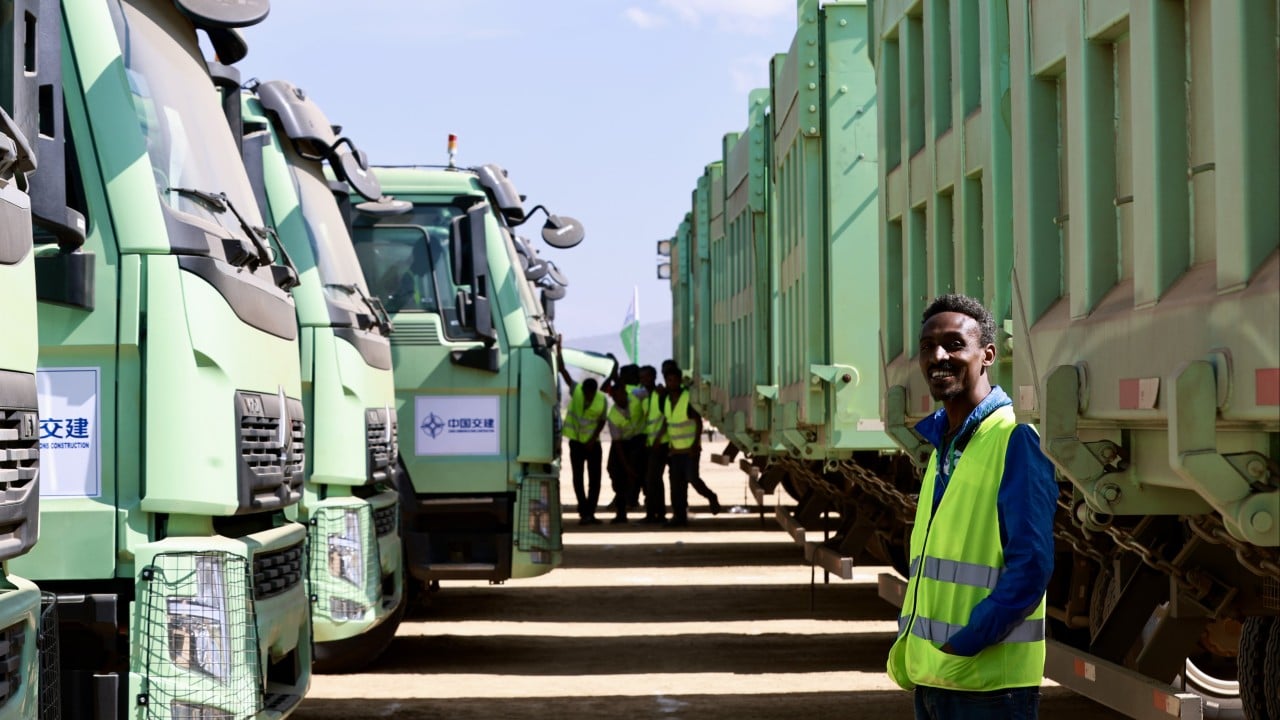
State-owned Chinese companies are leading the way in the bidding war, but Washington is pushing the claims of firms such as Boeing and GE Ethiopia’s new US$12.5 billion mega-airport project has thrust the nation into the heart of a geopolitical tug of war between the United States and China. Ethiopian Airlines, Africa’s largest carrier, is developing the massive Bishoftu International Airport, located 40km (25 miles) southeast of the capital Addis Ababa to serve as a primary hub for African trade and travel. The project has triggered intense competition between would-be contractors from around the world, but Chinese state-owned enterprises and joint ventures make up roughly half the shortlisted bidders. These include major players such as the China Civil Engineering Construction Corporation and China Road and Bridge Corporation, reinforcing Beijing’s dominance in Ethiopia’s infrastructure sector. Although major American construction firms missed out on the civil works shortlist, the White House is positioning companies such as Boeing and GE to compete for future technology and equipment contracts.

Nirupama Rao and Lin Minwang on India-China fault lines
Industry

Nirupama Rao and Lin Minwang on India-China fault lines

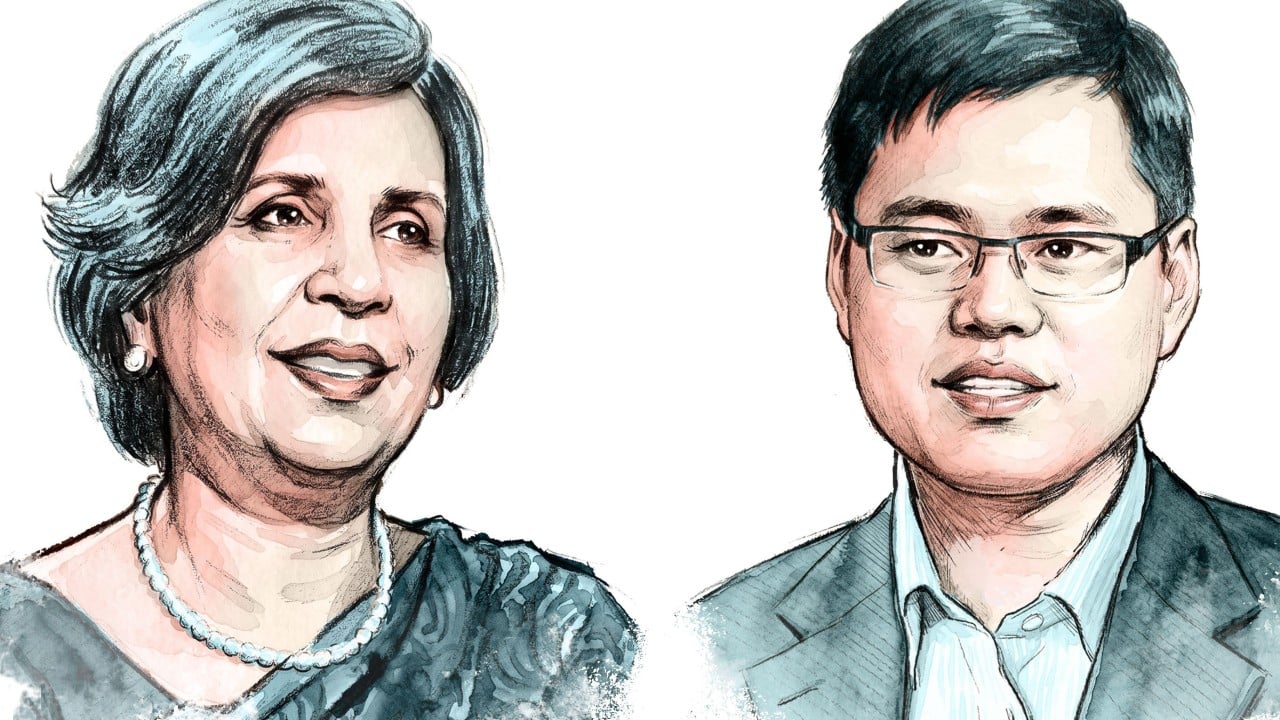
Welcome to Open Dialogue, a series from the South China Morning Post where we bring together leading voices to discuss the stories and subjects occupying international headlines. In this edition, we invited a leading Chinese scholar of South Asian affairs and a former Indian foreign secretary and ambassador to China to reflect on the deep fault lines in India-China relations. They debate whether the biggest barrier is history or politics, clash over the border, Pakistan and India’s ties with the...

China projects ‘outward confidence’ amid economic anxiety, US congressional panel says
Industry

China projects ‘outward confidence’ amid economic anxiety, US congressional panel says

Congressional advisers cite AI optimism but question Beijing’s openness after being denied access to Hangzhou tech firms A US congressional advisory body on China said the country is projecting an image of confidence even as concerns about its economy and future growth remain beneath the surface, following a week-long visit to Beijing, Shanghai and Hangzhou in July. “I think there’s an outward confidence,” USCC chairman Randy Shriver said. “There’s a lot of anxiety about the state of the economy and economic performance and potential for growth.” Shriver, a former assistant secretary of defence for Indo-Pacific security affairs, said it was important to observe conditions in China first-hand, noting that the commission’s last official visit was in 2019. “It’s one thing to hear and read about ‘ghost cities,’” he said. “It’s another thing to take the high-speed rail and see these enormous developments with apartment building on top of apartment building, and not a single light is on.” Commissioner Chris Slevin said China’s confidence was especially apparent in conversations about artificial intelligence.

US-China ‘Board of Investment’ stalls before expected Trump-Xi meeting
Industry

US-China ‘Board of Investment’ stalls before expected Trump-Xi meeting

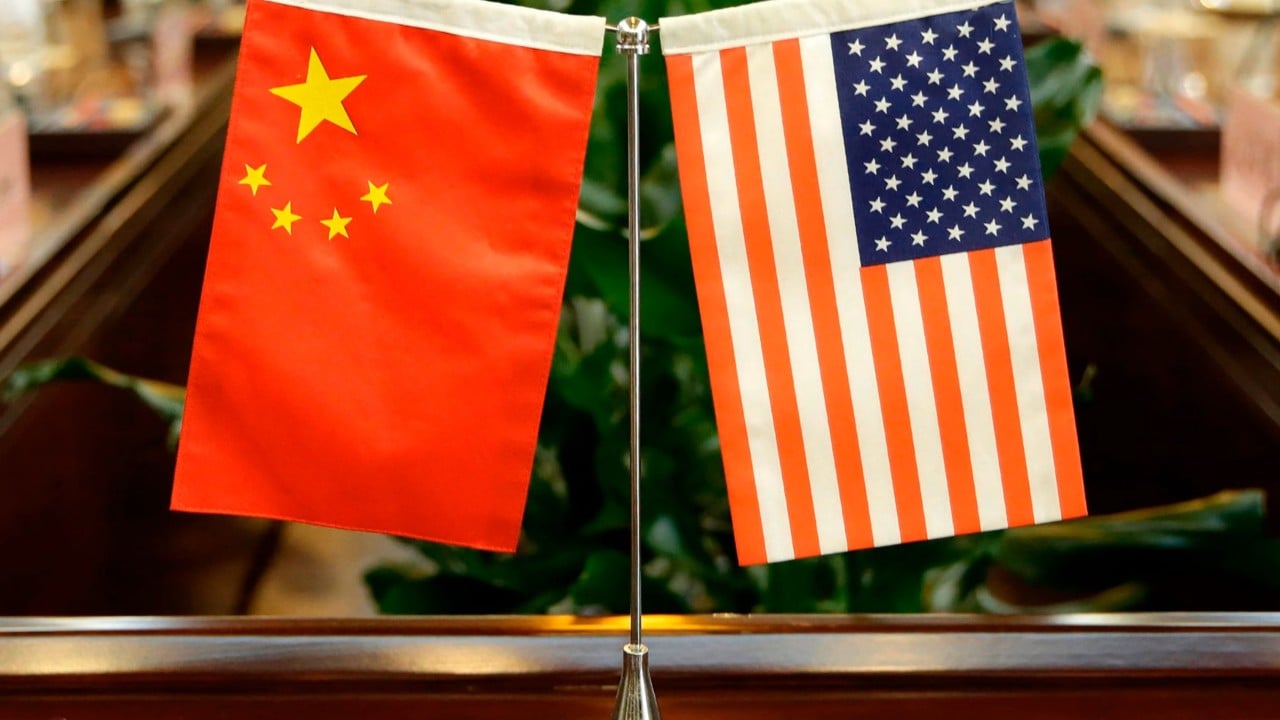
President of US-China Business Council says neither side has ‘initiated consultation process’ or is ready yet for private sector discussions “The US side and the Chinese side neither have really initiated the consultation process,” he said, adding that “it looks like neither side is ready yet for discussions with the private sector”. In an email response to the South China Morning Post, the Chinese embassy in Washington said that economic and trade teams of both countries are “maintaining close communication regarding the relevant mechanisms”. “We believe that the trade and investment councils will provide a platform for pragmatic discussions between the two countries on mutual concerns in the areas of trade and investment,” embassy spokesman Liu Chang said. He added that the boards would help shift economic and trade consultations from “crisis response” to “mechanised management”.

Zhu Rongji: reformer who led China’s economic transformation through ‘minefield or abyss’
Industry

Zhu Rongji: reformer who led China’s economic transformation through ‘minefield or abyss’

China’s bold economic tsar who drove sweeping SOE reforms and secured WTO entry has died aged 97 “Regardless of what lies ahead – be it a minefield or a deep abyss – I will forge ahead unswervingly, dedicating my entire life and energy to the country until my dying day.” His remarks at a press conference in 1998 came as China was undertaking sweeping state-owned enterprise (SOE) reforms that caused widespread job losses, even as it reeled from the 1997 Asian financial crisis. Zhu, dubbed China’s economic tsar by the media, was known for his determination to steer the country through the rough waters of reforms and external shocks during his tenure as vice-premier and premier between 1991 and 2003. He shook up the centrally planned economy, overhauled the state-owned business sector, fought corruption, revamped the tax system and secured China’s entry to the World Trade Organization – changes that some economists say brought about a historic transformation in China’s economic system, ushering in a modern state and making it an integral part of the world economy.