Industry — 764 insights
China warns of ‘major risk’ of glacier collapse as Tibet-Nepal death toll nears 1,000
Industry

China warns of ‘major risk’ of glacier collapse as Tibet-Nepal death toll nears 1,000

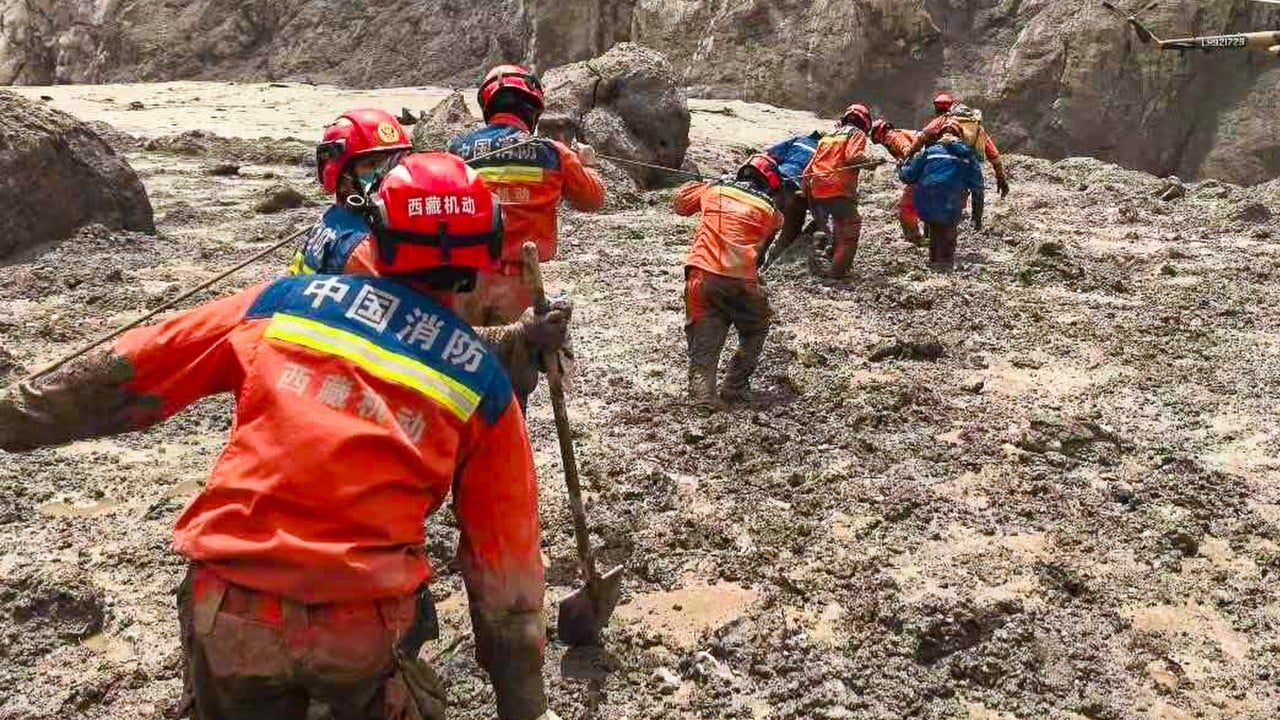
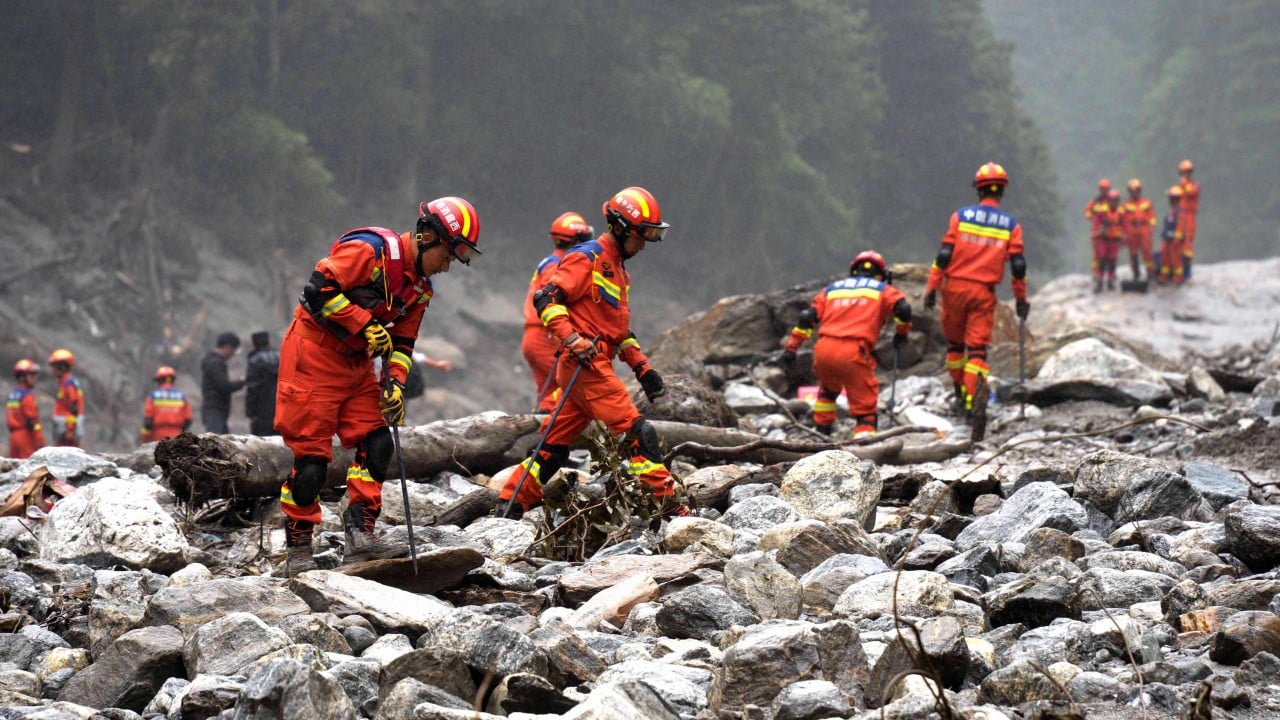
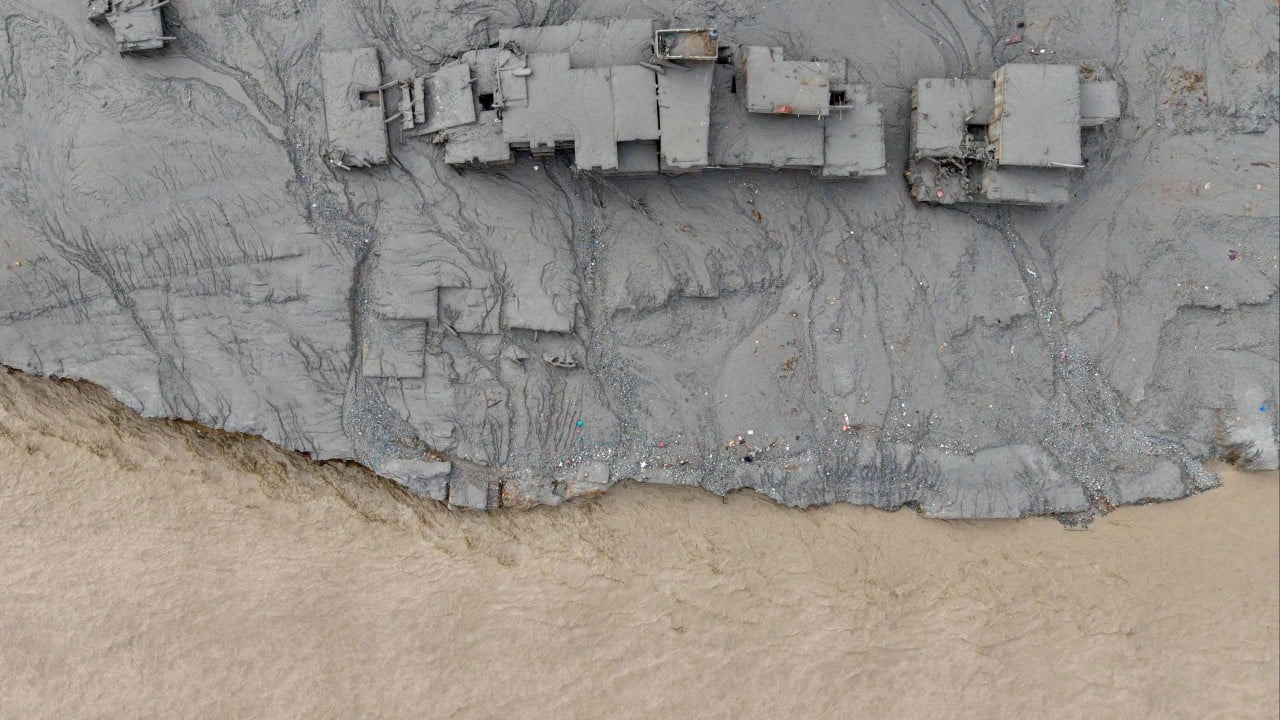
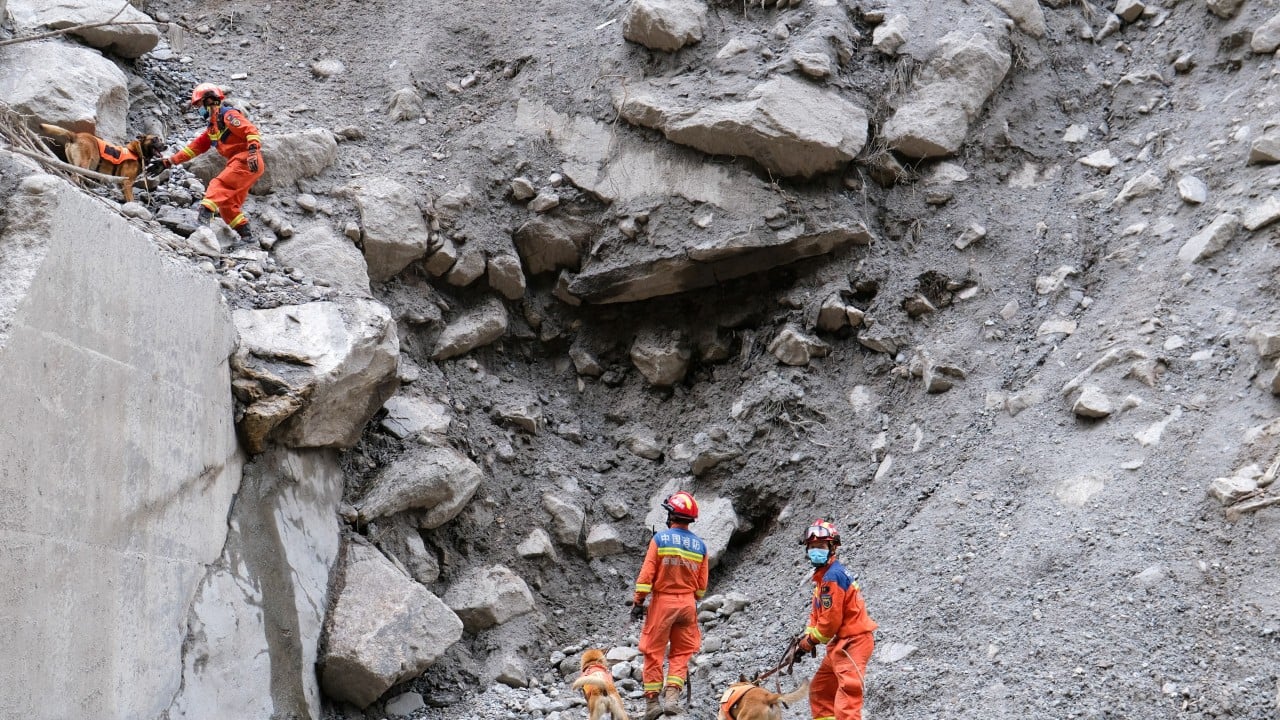
Rescue teams continues their efforts to reach the Gyirong Port border crossing as bad weather is forecast over the coming days The Ministry of Water Resources said there was an ongoing threat along the Cuojian River in Nepal, a waterway that flows into the Purepuqiang River in Tibet, Chinese state broadcaster CCTV reported. Downstream in Tibet there was also a risk that further landslides would cause a new barrier lake to form, the ministry added. The death toll in Nepal has risen to 903, with 4,247 people still missing, according to data released by the country’s National Disaster Risk Reduction and Management Authority on Monday. Chinese authorities said on Sunday that the death toll on their side of the border had risen to 16, with 546 people still missing.
Chip expert Chen Ye joins China’s Zhejiang University – as it overtakes Harvard
Industry

Chip expert Chen Ye joins China’s Zhejiang University – as it overtakes Harvard

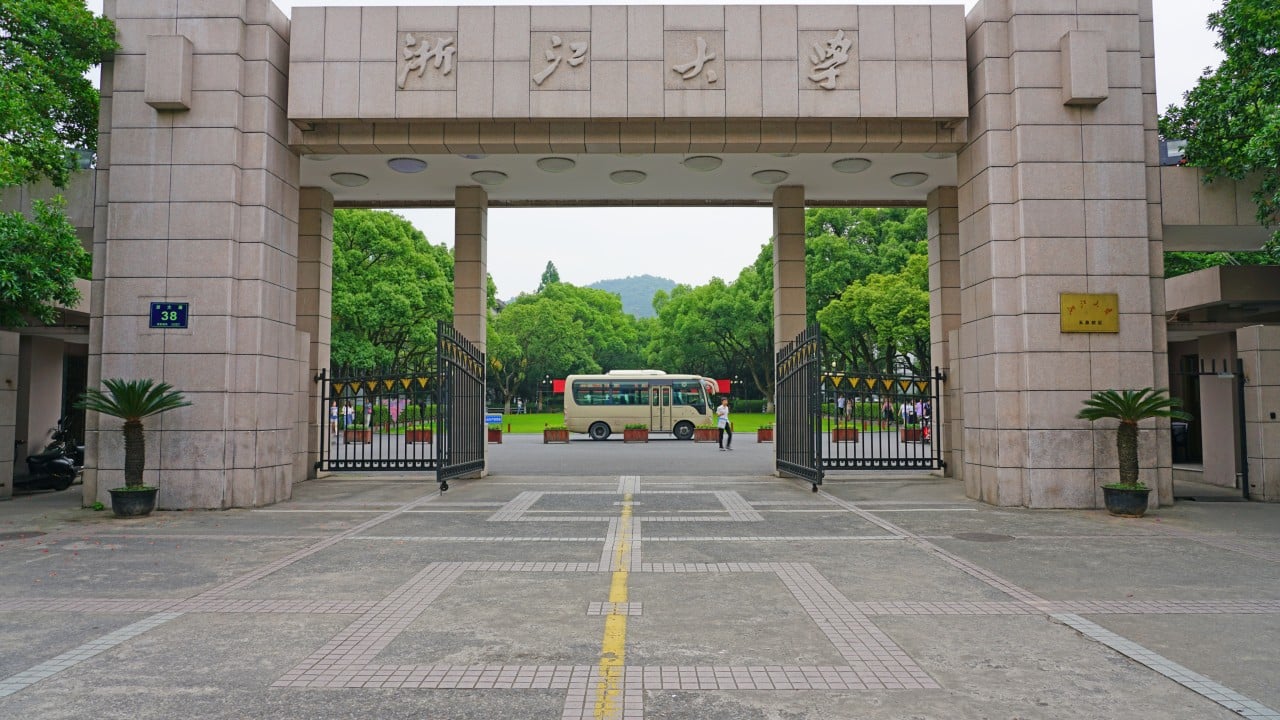
Semiconductor expert appointed Qiushi Distinguished Professor at university named world’s top academic institution by the Nature Index Before that, he spent over 16 years at top American chip firms, including KLA and Anchor Semiconductor, where he specialised in developing defect-detection and yield-analysis systems for advanced chip manufacturing. According to Zhejiang University, the tools developed under Chen’s leadership have been deployed in large-scale mass production at leading international wafer foundries such as TSMC (Taiwan Semiconductor Manufacturing Company), Samsung and Intel. Chen’s connection to Zhejiang University runs deep. He earned his bachelor’s degree in electronics and information engineering at the university in 2003, followed by a PhD. His semiconductor career in the US began in 2008 at Anchor Semiconductor, a pioneer in hotspot management and analysis software for both foundries and integrated device manufacturers to improve manufacturing efficiency and chip yield.

Xi is in Bishkek for SCO summit. How does bloc fit China’s Eurasian strategy 25 years on?
Industry

Xi is in Bishkek for SCO summit. How does bloc fit China’s Eurasian strategy 25 years on?

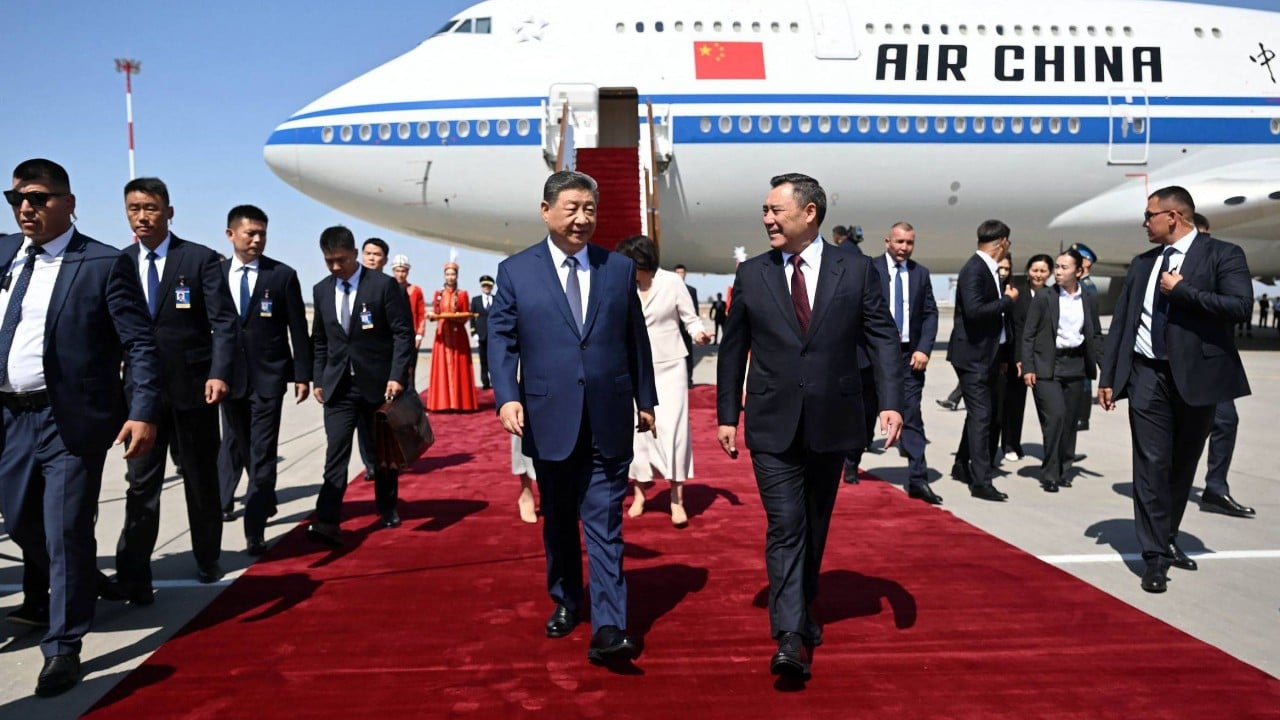
Shanghai Cooperation Organisation’s 25th anniversary summit expected to offer clues to China’s ambitions for a more multipolar Asia, analysts say As Washington’s strategic focus shifts and energy and grain supply disruptions continue to unsettle the Middle East, Beijing’s expanding presence across Central Asia is expected to be in focus as Kyrgyzstan hosts the Shanghai Cooperation Organisation (SCO) summit this week. China-Central Asia goods trade hit a record US$106 billion last year, according to Chinese government data, making Beijing the largest trading partner of the five countries combined for the first time. Li Lifan, an expert on Russia and Central Asia at the Shanghai Academy of Social Sciences, said the SCO and Central Asia held special significance for Beijing. “As global competition intensifies between the US-led West and the emerging Global South amid a fractured international order, Beijing has placed greater weight on the SCO and Central Asia as a whole,” Li said, adding that “by deepening engagement and aligning more closely with Central Asian partners, China seeks to build common ground and present a more united front”.

23,000 bronzes, 14 years, 60 volumes: how China is mapping lost heritage held abroad
Industry

23,000 bronzes, 14 years, 60 volumes: how China is mapping lost heritage held abroad

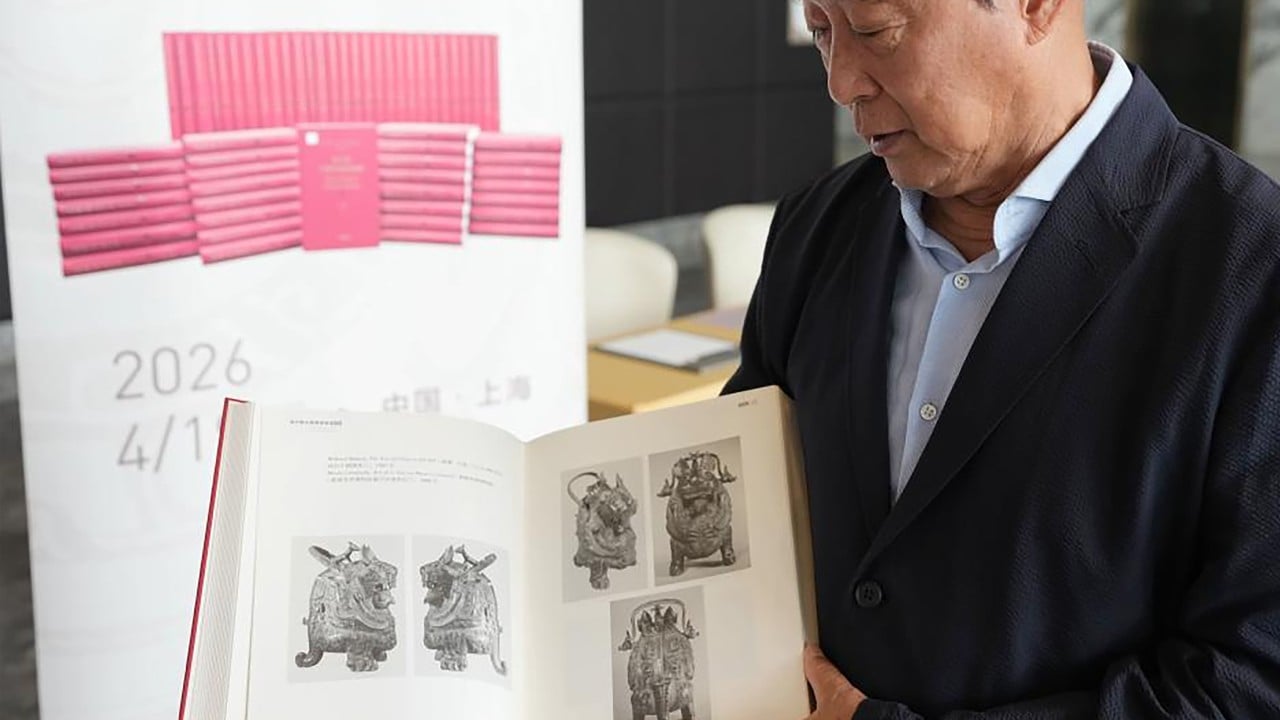
Peking University study reveals seven times more relics held overseas than previously thought, creating crucial evidence trail In the quiet of a Peking University research room, shelves groan under the weight of 60 thick volumes. Stacked, they stand taller than an average human. Inside their pages lie the details of more than 23,000 ancient Chinese bronze vessels, weapons, chariot fittings and ritual objects that left China’s shores long ago and now sit in museums, private collections and auction houses across nearly 30 countries. Published in April by Shanghai Classics Publishing House, the Collection of Chinese Bronzes in Overseas Collections is the product of a painstaking 14-year investigation. It is also something more: an assembled toolkit for China’s intensifying campaign to reclaim cultural heritage lost to war, looting and smuggling, as well as an assertion of Beijing’s ambition to shape the global rules of repatriation. “To create archives for the cultural relics, to preserve evidence for history,” said lead editor and historian Zhu Fenghan, a Boya Chair Professor at Peking University, capturing the project’s dual purpose in an article in the People’s Daily last week.

Could joint oil and gas projects help ease Beijing and Manila’s South China Sea tensions?
Industry

Could joint oil and gas projects help ease Beijing and Manila’s South China Sea tensions?

China and the Philippines could build trust by cooperating in ‘low-sensitivity’ areas such as energy and the environment, analysts say China and the Philippines have been urged to resume joint South China Sea energy exploration as a way of easing tensions in the disputed waters. A joint report by Chinese and Philippine analysts also said the two countries should work together in other “low-sensitivity” areas such as marine environmental protection and combating crime at sea. The report, published on Monday by the Shanghai Institutes for International Studies think tank, said the relationship between the two countries was at a “rather sensitive and critical crossroads”. “Joint oil and gas exploration in the South China Sea by China and the Philippines could serve as a feasible early-harvest project,” the report said.

China-Nepal floods: 261 foreigners listed missing in Tibet, cyber police target rumours
Industry

China-Nepal floods: 261 foreigners listed missing in Tibet, cyber police target rumours

Nepalese and Indians account for more than half of nationals from 23 countries missing after devastating glacier collapse four days ago The missing foreigners were from 23 different countries and included 104 Nepalese citizens, authorities in Tibet’s Gyirong county told reporters. Also unaccounted for are 49 people from India; 33 Latvians; 18 from the United States; 15 from Britain; six each from Canada and Australia; four from South Africa; three each from Malaysia, Germany and Russia; two from Ireland, Estonia, France, the Netherlands and New Zealand; and one each from Kazakhstan, Finland, Lithuania, Portugal, Ukraine, Spain and Hungary. China has so far confirmed 16 deaths after Wednesday’s glacier collapse, while 546 people are missing. In Nepal, at least 788 have been confirmed dead, with more than 2,500 still unaccounted for. Sunday’s list of missing foreigners was China’s first release of country-by-country details. Beijing added that it had notified the diplomatic missions of the countries concerned.

10 years, 1,800 survey sites: inside China’s hi-tech push to map linguistic diversity
Industry

10 years, 1,800 survey sites: inside China’s hi-tech push to map linguistic diversity

New Hunan Museum hall showcases major Chinese dialects and more than 100 ethnic minority languages, including Mongolian, Tibetan and Uygur The interactive voice-recognition booth is among star attractions at a new language resources hall that opened on Monday at the Hunan Museum in Changsha. The hall showcases recordings and other language materials from Chinese dialects, minority languages and oral culture collected over the past decade. The compilation from more than 1,800 field survey sites nationwide reflects Beijing’s broader initiative to turn the vast digital archive of the country’s linguistic diversity into a public cultural resource. More than 30 language-related cultural relics are also on display. “Digital technology is helping to bring the results of language preservation research out of databases and into public cultural spaces,” Chen was quoted as saying by state news agency Xinhua. Visitors can listen to local dialects, folk songs and recordings of some endangered languages, while interactive exhibits allow them to explore linguistic developments in China.

AI can make China’s political language sound more threatening, scholar warns
Industry

AI can make China’s political language sound more threatening, scholar warns

Professor Li Yan says human expertise is vital to retaining context in AI translations of Beijing’s policy ideas for overseas audiences China is being urged to use human translators to refine AI renderings of its political messaging, amid concerns that literal translations could make Beijing’s language sound more threatening abroad. An article in a state-affiliated academic newspaper said the country should strengthen its translation capacity and guard against AI-generated distortions to improve how its policies and intentions were understood overseas. As artificial intelligence (AI) takes on more translation work, human translators should work alongside the technology, according to Li Yan, a professor at Xian Fanyi University. “The value of translation goes far beyond language itself,” Li wrote in an article published on Wednesday in Chinese Social Sciences Today, a newspaper run by the Beijing-based Chinese Academy of Social Sciences. Li called on Chinese translators to strengthen their ability to refine AI translations according to context, audience and purpose.

China-Nepal floods: 9 Chinese tunnel experts sent to aid rescue in race against time
Industry

China-Nepal floods: 9 Chinese tunnel experts sent to aid rescue in race against time

Move follows direct request from Kathmandu, Beijing says, as more than 100 people remain trapped inside multiple hydropower tunnels in Nepal Seven people have been confirmed dead on the Chinese side, with 544 still missing as the rescue operation passed a critical 72-hour window. In Nepal, at least 675 have died and nearly 2,500 – hundreds of them foreigners – are missing. Five of the Chinese tunnel experts were flown in by helicopter from Gyirong county in Tibet, state news agency Xinhua reported on Saturday. They arrived in the afternoon to join rescue operations at a hydropower plant in the border region. The five were “urgently dispatched at the request of the Nepalese government”, China’s Ministry of Emergency Management said on Saturday evening. According to local authorities, more than 100 people remain trapped inside multiple hydropower tunnels and Nepali army teams are drilling in an “extremely challenging” rescue bid.

China tests GJ-21 stealth drone as Sichuan Type 076 warship carries out sea trials
Industry

China tests GJ-21 stealth drone as Sichuan Type 076 warship carries out sea trials

Social media clips show naval combat drone over Liaoning province while Beijing’s catapult-equipped drone carrier prepares for deployment A Chinese social media post on Thursday showed the GJ-21 flying over a highway service area in the northeastern Chinese city of Huludao in Liaoning province. Another post dated August 19 had shown the GJ-21 flying over the same service centre, although from a different direction. The two videos, which the South China Morning Post has geolocated, appear to be flight tests of the GJ-21. However, it is not clear when they took place. The drone was also spotted in a third video posted online on Thursday that showed the GJ-21 flying at a different angle from the first video.

Could the China-Nepal disaster spur a safety rethink for a flagship rail project?
Industry

Could the China-Nepal disaster spur a safety rethink for a flagship rail project?

Gyirong in Tibet is the start of a planned train line to Kathmandu and in an area prone to dangerous glacial lake floods The port is the region’s main foreign trade gateway, which handles a third of China’s trade with its neighbour. Gyirong is also one end of a multibillion-dollar trans-Himalayan project connecting Tibet with Kathmandu. The project was proposed in 2016 but bad weather, poor local infrastructure and geopolitical friction have resulted in little progress. Researchers on both sides of the border say the location of the disaster highlights the need for a joint approach to hazard management, particularly on such infrastructure. They underlined that need in a social media post on Thursday on the “China-Nepal Railway and South Asia Exchange”, a social media account that has brought Chinese and Nepali researchers together to track the railway project since 2022.

Xi-Trump summit plans, Nepal disaster, SCO summit
Industry

Xi-Trump summit plans, Nepal disaster, SCO summit

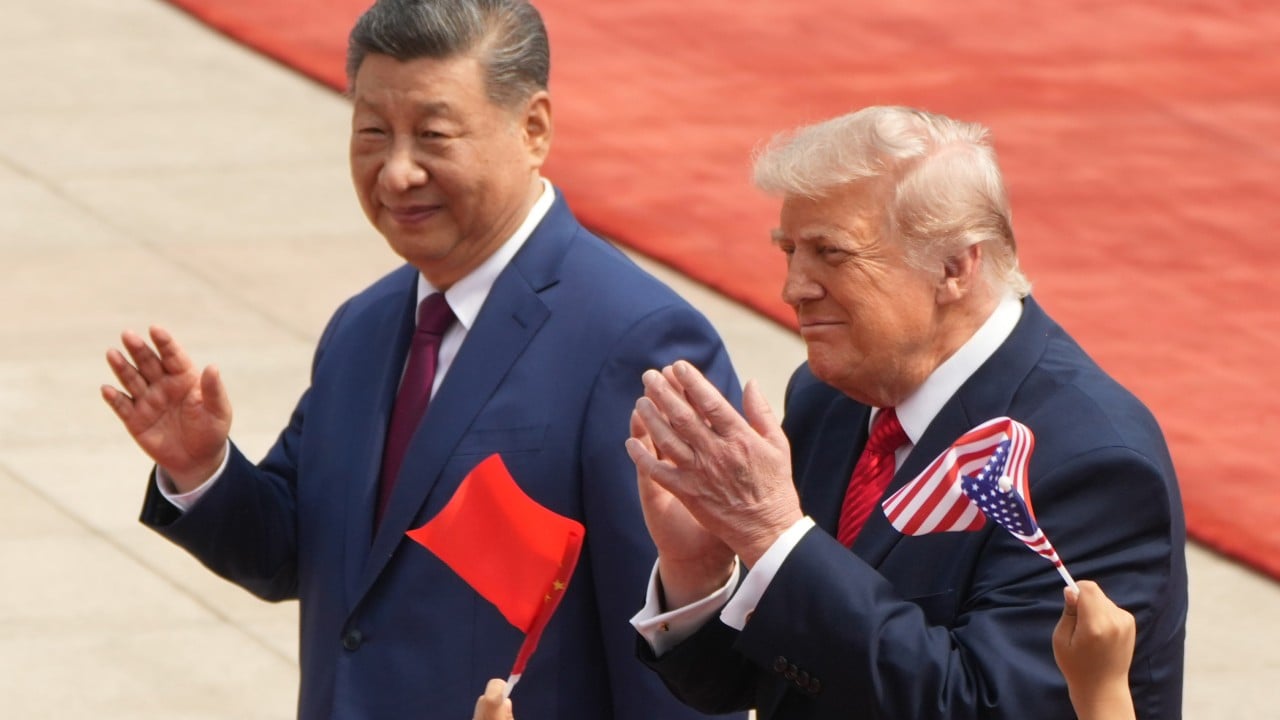
Chinese President Xi Jinping may take a business delegation to Washington next month, when he is also likely to sign a trade-war truce extension with US President Donald Trump. The potential business delegation is under negotiation ahead of the September 24 summit, the South China Morning Post reported, citing four people with knowledge of the matter. US executives, including Apple’s Tim Cook and Tesla’s Elon Musk, accompanied Trump on his state visit to China in May. Both countries want to...