Business — 1,883 insights
Why does farming in China increasingly feel like a video game?
Business

Why does farming in China increasingly feel like a video game?

By continuing to browse our site you agree to our use of cookies, revised Privacy Policy and Terms of Use. You can change your cookie settings through your browser. If you're eating rice in China, there's a good chance a drone help grow it. Traditional farming is giving way to smart agriculture. In this episode of Old Industries - New Growth, we explore how new quality productive forces are transforming farming and helping secure food supplies for hundreds of millions of people. (Video generated with AI assistance)

Typhoon Bavi: flights and trains cancelled as China steps up emergency preparations
Business

Typhoon Bavi: flights and trains cancelled as China steps up emergency preparations

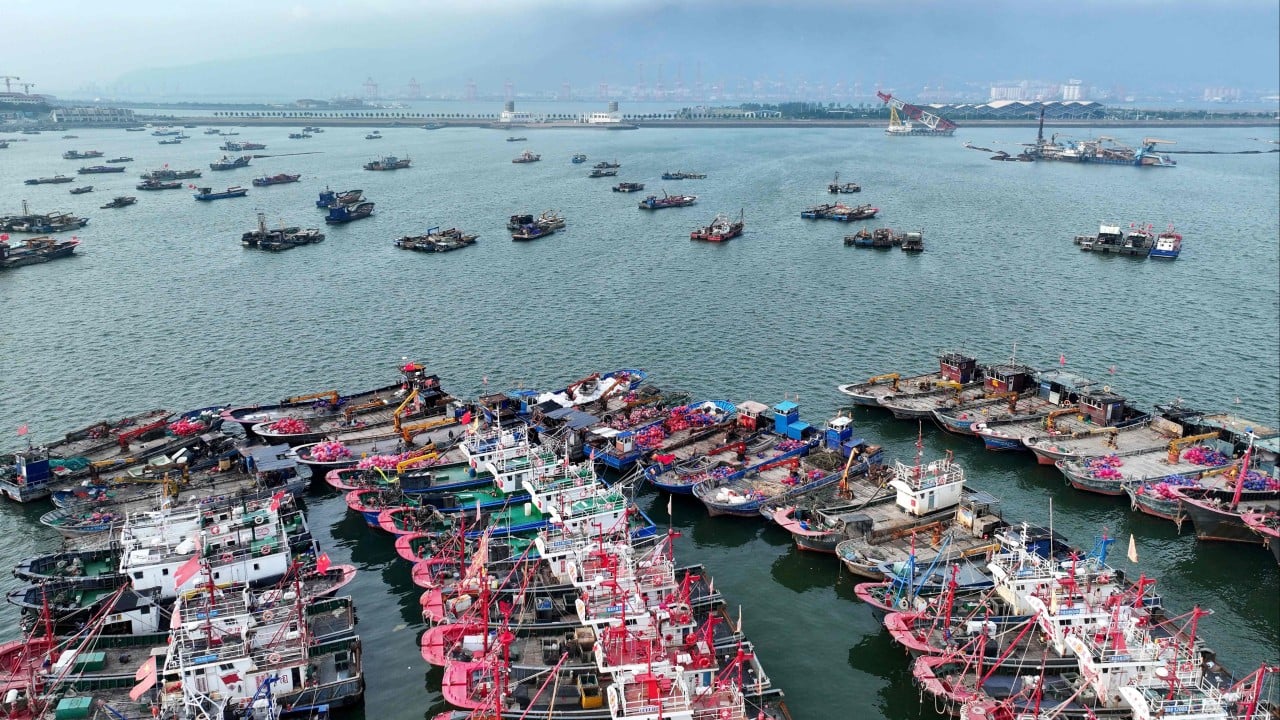
According to the National Meteorological Centre, Bavi regained strength as a severe typhoon at midnight The storm is forecast to make landfall between Taizhou in Zhejiang province and Fuding in Fujian province in the early hours of Sunday, packing winds of up to 45 metres per second (148 feet per second), according to the National Meteorological Centre (NMC). In its 6am bulletin on Saturday, the NMC said Bavi had regained strength – reaching severe typhoon status at midnight. Its centre was located about 540km (340 miles) away from the Zhejiang-Fujian border. Moving northwest at up to 35km per hour, the typhoon is expected to maintain its intensity before landfall, then turn north-northwestward and gradually weaken inland. Emergency response teams have already been mobilised in the affected regions, including firefighters and crews to repair power grids. The East China Sea Rescue Bureau put vessels and crews on standby. Fujian and Taizhou have also equipped and activated thousands of local volunteers who are on 24-hour standby to respond to the typhoon.

Russia’s diesel export ban deals fresh blow to strained energy market
Business

Russia’s diesel export ban deals fresh blow to strained energy market

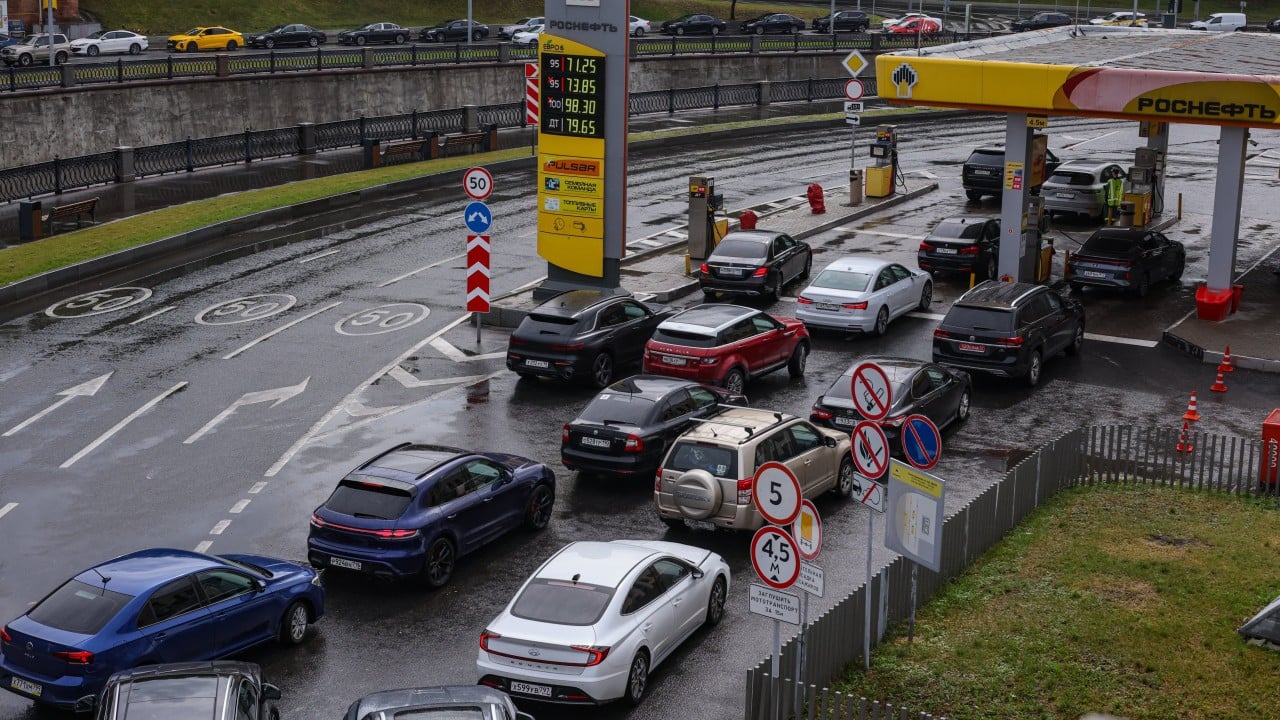
The move sparked price spikes in Europe and the US, threatening agriculture, power and transport amid tightening supply Russia’s decision to ban diesel exports this week has roiled global energy markets, exacerbating shortages of the industrial fuel and sending prices soaring, even in countries that no longer buy the fuel from Moscow. Diesel accounts for the largest share of global oil consumption and soaring prices can ripple through the global economy given its wide range ‌of uses, from industrial machinery and farm equipment to heavy transport and electricity generation. Supply has remained tight for years due to strong post-pandemic demand and output reductions that accompanied refinery closures in the West. The Iran war has further strained the market. Russia is the world’s second-largest diesel exporter after the US and refinery outages there can significantly affect global supplies of fuels. Its exports were already slowing before the ban due to domestic shortages left by Ukrainian drone attacks. Diesel and gas oil loadings from Russia were just 234,000 barrels per day from July 1 to 10, according to Kpler, down from 400,000 bpd in June ⁠and the 2025 average around 817,000 bpd.

How Hong Kong can lead in longevity medicine as silver economy grows
Business

How Hong Kong can lead in longevity medicine as silver economy grows

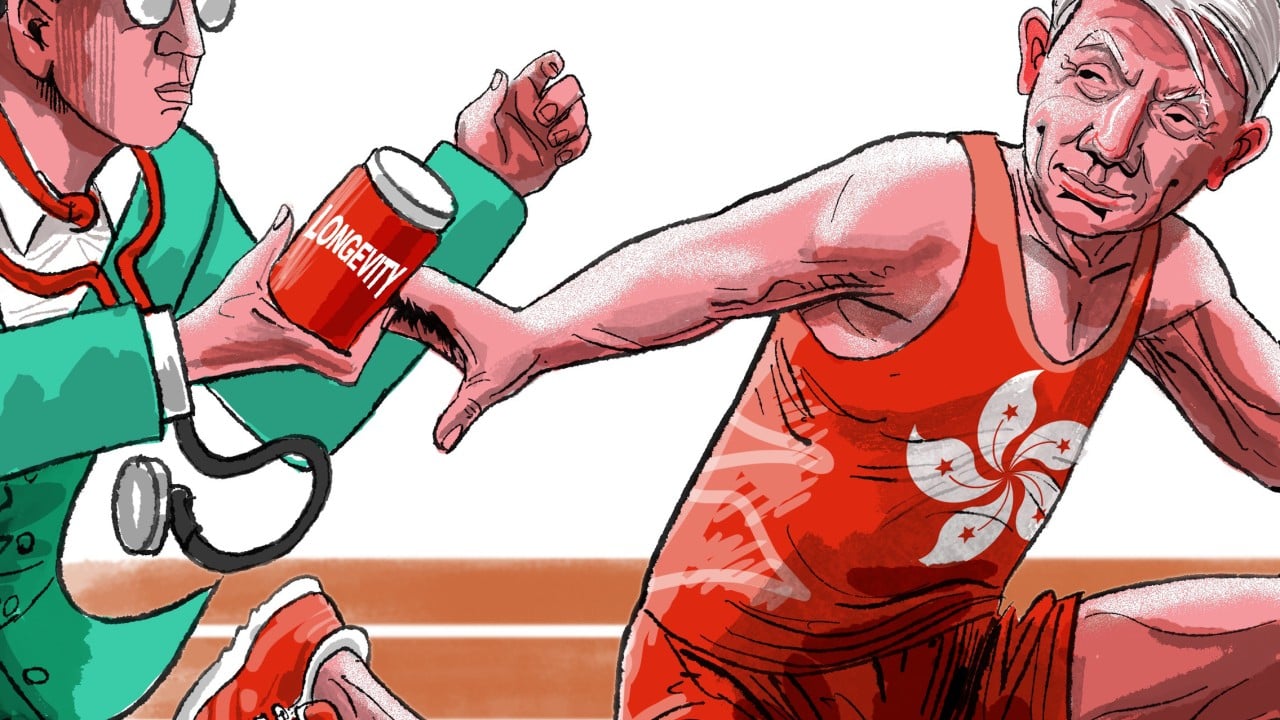
A profound demographic and economic shift is sweeping through Asia, quietly rewriting the rules of national development. The traditional paradigm of treating population ageing as a passive fiscal burden is being dismantled as Beijing makes the “silver economy” and proactive ageing strategies the pillars of national security and economic growth. China’s population aged 60 and above reached 320 million last year, accounting for 23 per cent of its citizenry. This is projected to climb to 400...

Filipino workers in Hong Kong ‘recruited as surrogates for Central Asian couples’
Business

Filipino workers in Hong Kong ‘recruited as surrogates for Central Asian couples’

Consulate investigates alleged human trafficking cases, warns that women have been recruited through social media posts by former helpers At least five Filipino domestic helpers recruited in Hong Kong said they were not paid the promised amount despite carrying babies to full term, with one woman told that the child born from surrogacy had “defects”. The consulate told the South China Morning Post that it was looking into the alleged human trafficking cases, with initial investigations showing that the women, aged between 25 and 35, were being lured by social media adverts posted by former helpers who had relocated to Central Asia. Cesar Chavez Jnr, the Philippine labour attache in Hong Kong, said that discussions with the Hong Kong government on the surrogacy scheme were at an initial stage, but added that disclosing more information “would trigger unwarranted pressure”. The consulate also said: “Efforts are being undertaken at various levels to find solutions to this issue.” But it said it could not comment further so as not to pre-empt discussions “with relevant stakeholders and to preclude those involved in the scheme from learning of interventions on this matter”.

Malaysia’s Johor votes as government allies turn on each other
Business

Malaysia’s Johor votes as government allies turn on each other

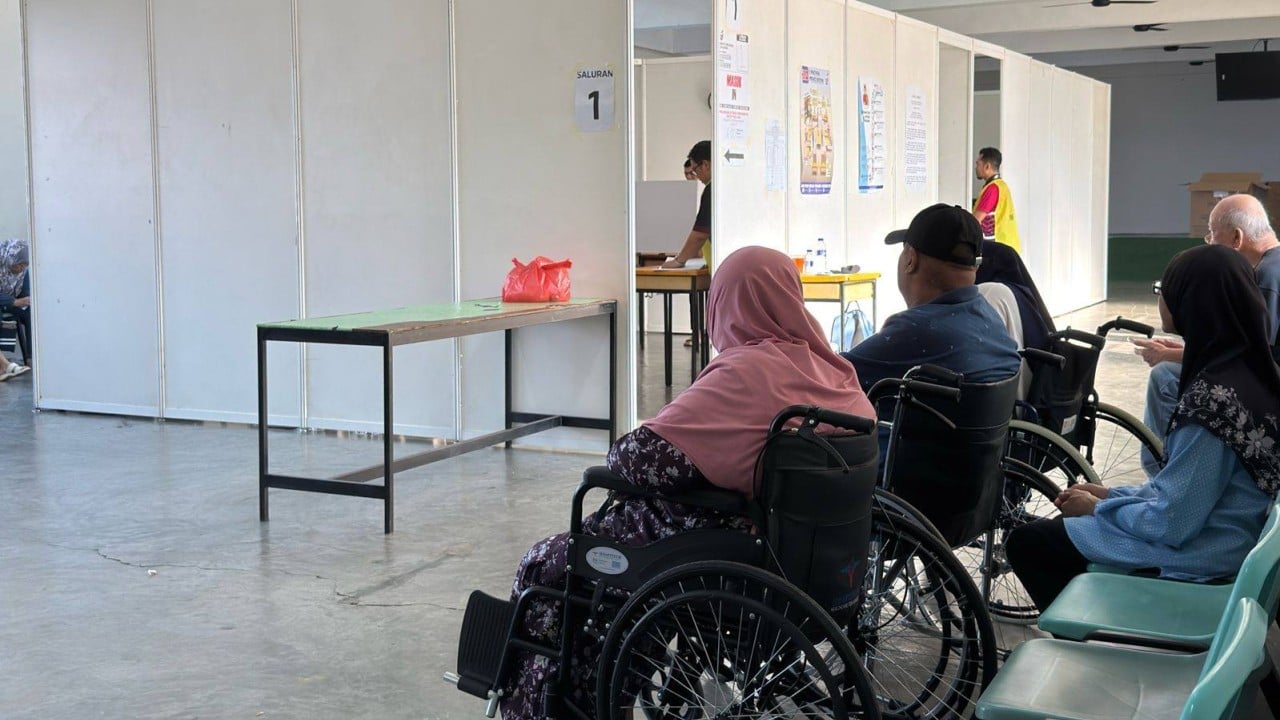
About 2.72 million Johoreans are eligible to choose a new state government from 172 candidates fighting across all 56 seats The campaign ended at 11.59pm on Friday, silencing the loudspeakers and convoys that had criss-crossed the state since late June. At 8am, the contest moved to 1,076 polling centres, where about 2.72 million Johoreans were eligible to choose a new state government from 172 candidates fighting across all 56 seats. Fourteen seats have straight fights, 27 feature three-cornered contests, 12 are four-way battles and three have five candidates.

China woman graduates from Tsinghua University 17 years after childhood photo there with dad
Business

China woman graduates from Tsinghua University 17 years after childhood photo there with dad

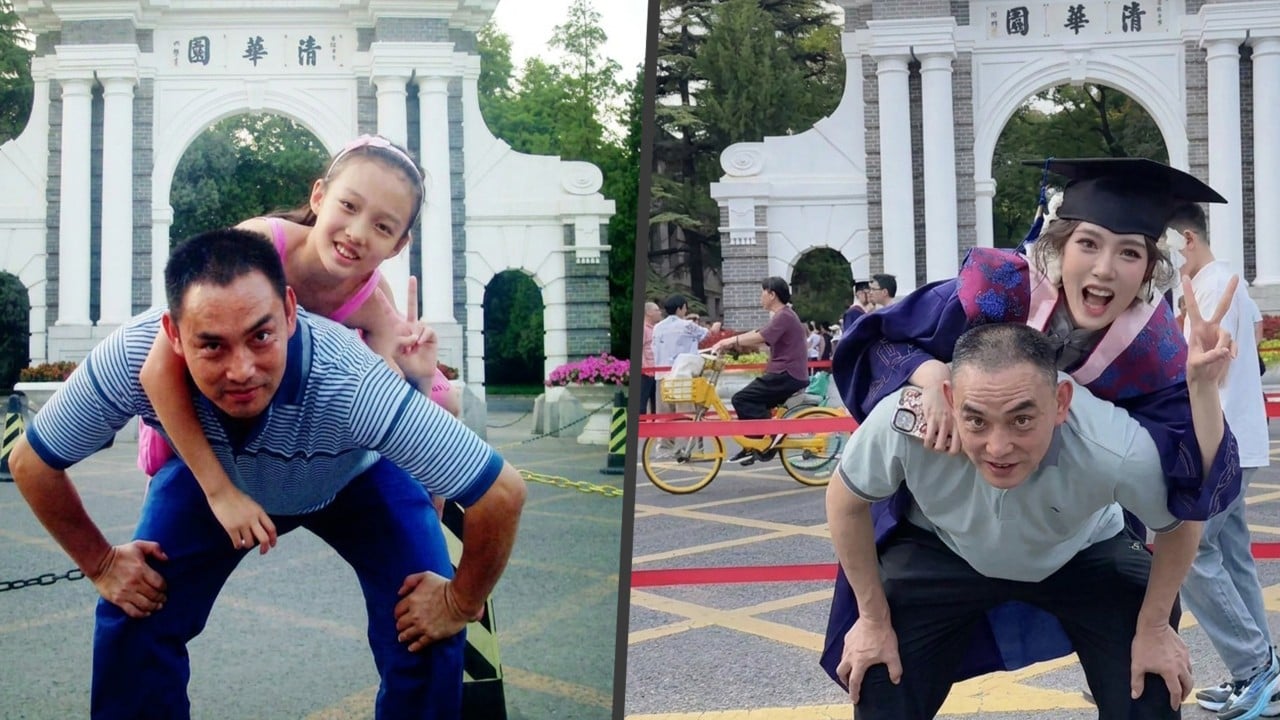
Daughter’s dream of completing a master’s degree at elite Beijing institution also helps fulfil father’s missed hope as young man A young woman from southeastern China who once posed with her father outside Tsinghua University as a child has fulfilled a long-held dream by graduating from the elite Beijing institution. Wu Han, from Guangdong province, recently drew widespread attention on mainland social media after sharing two photos taken 17 years apart. In June, she received a master’s degree from Tsinghua University’s Academy of Arts and Design. Widely regarded as one of mainland China’s most prestigious universities, the 115-year-old institution has produced generations of prominent figures, including Chinese President Xi Jinping, space scientist Qian Xuesen and linguist Ji Xianlin. According to mainland outlet Ziniu News, Wu first visited Tsinghua with her father during a trip to Beijing in 2009, when she was nine. Her father, who had long regretted missing out on his own Tsinghua dream, took a photo with her at the university gate. In the image, his daughter is on his back, flashing a victory sign.

As Typhoon Bavi nears, Chinese bloggers warned amateur AI forecasts may be illegal
Business

As Typhoon Bavi nears, Chinese bloggers warned amateur AI forecasts may be illegal

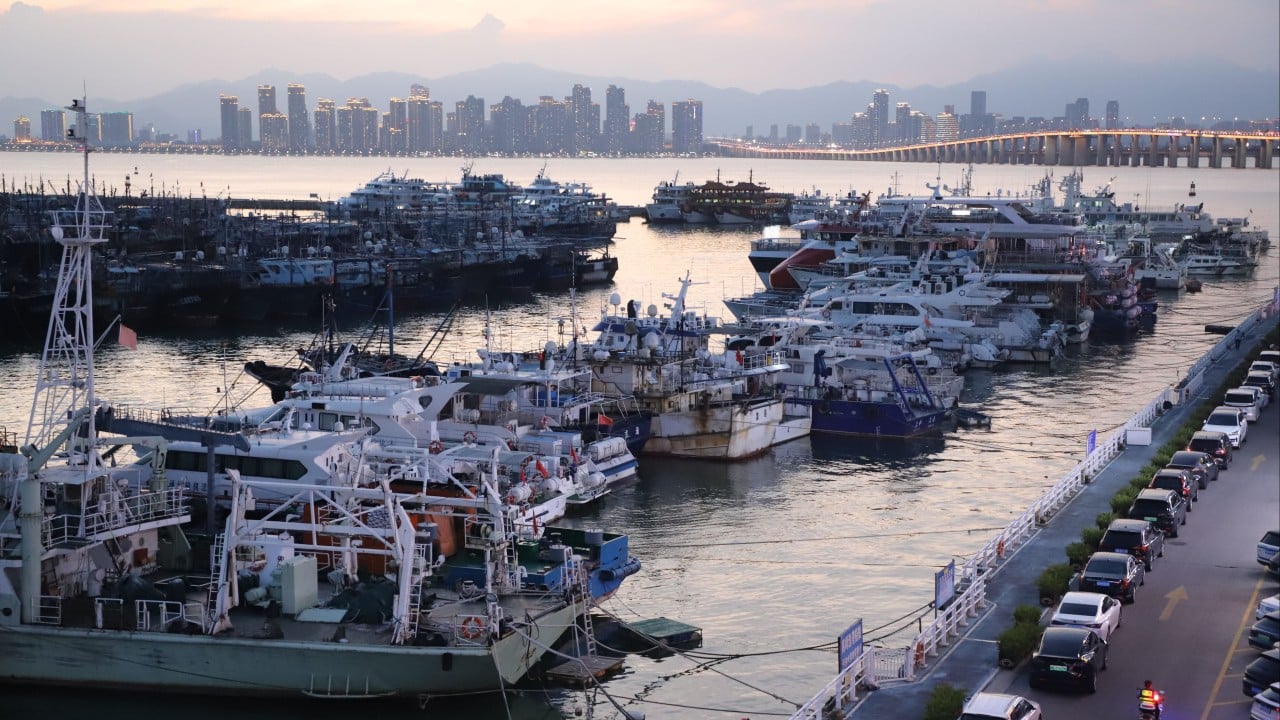
Online ‘weather enthusiasts’ in China are posting typhoon predictions, prompting criticism from state media Some have even begun offering predictions for specific locations for a fee, according to the broadcaster, also known as Voice of China. Under the Meteorology Law of the People’s Republic of China, public weather alerts are subject to a centralised release system, and official meteorological stations are the only authorised issuers of forecasts and severe weather warnings. Huang Xiang, a researcher at Nanjing University of Information Science and Technology (NUIST), explained to the broadcaster that the centralised system was vital to prevent public confusion.

Southeast Asia’s scammers’ new disguise: your leader’s face
Business

Southeast Asia’s scammers’ new disguise: your leader’s face

The president is asking for your bank details. He isn’t, of course. But the AI wearing his face is The victim had received a WhatsApp message purporting to be from the secretary to the cabinet, inviting him to a private meeting. The synthetic Wong closed the meeting by thanking the victim for attending. Then a fake lawyer took the call and S$4.9 million (US$3.8 million) vanished into an account that no longer exists. Southeast Asia’s scam industry has found a powerful new weapon, and it isn’t malware, cunning or even greed – it’s borrowed faces. Criminals are increasingly cloning the region’s most trusted leaders using generative AI, wrapping fraud in the unimpeachable authority of a president’s voice or a prime minister’s visage and cashing in on the thing no security system can patch: human trust.

China accuses US of ignoring Trump, Xi rapport and targeting Chinese firms
Business

China accuses US of ignoring Trump, Xi rapport and targeting Chinese firms

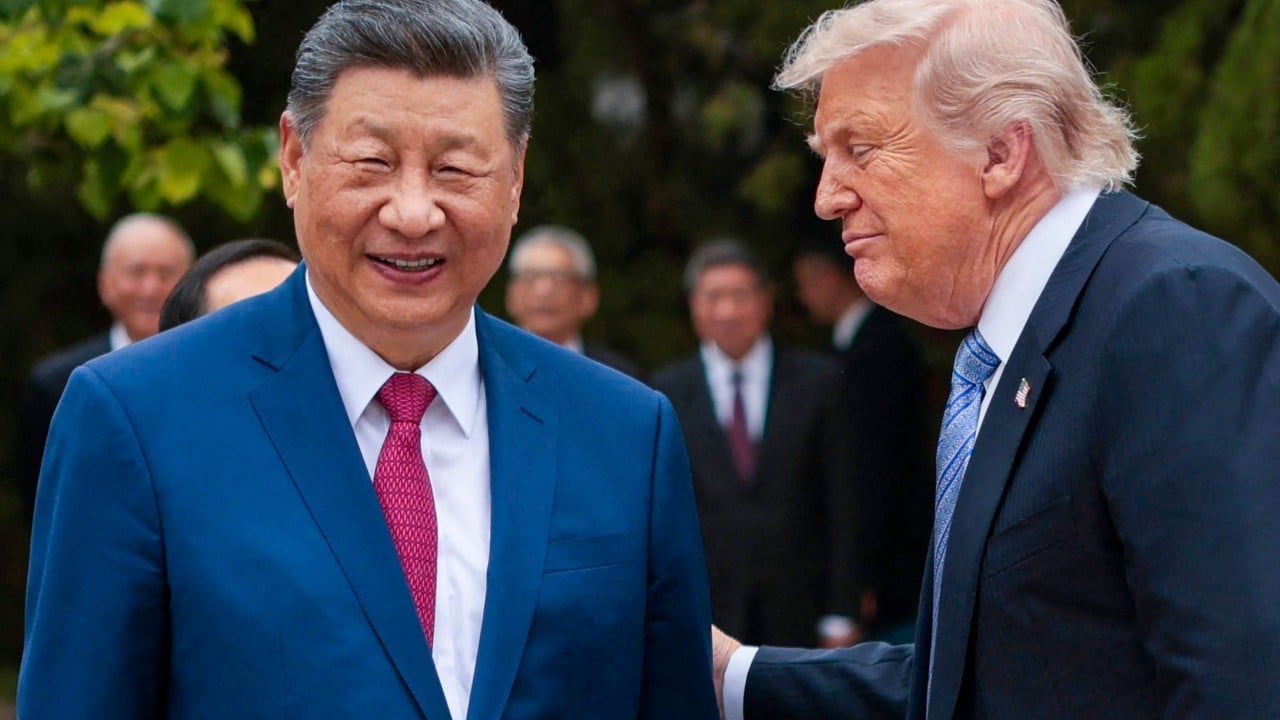
Beijing claims US misused its power by blacklisting more than 60 Chinese companies after goodwill generated at Trump-Xi summit in May “The US has disregarded the consensus reached by the leaders of China and the US during their meeting in Beijing,” the Chinese embassy in Washington said. It also added that the Trump administration has “excessively expanded the concept of national security, misused state power and unjustifiably suppressed Chinese enterprises, seriously undermining their legitimate rights and interests”. Sources familiar with the matter told the South China Morning Post that while the latest tit-for-tat actions are unhelpful, they are unlikely to adversely impact Xi’s likely visit to the United States in September. Amid fragile stability, affected Chinese tech firms have taken legal steps to fight the Pentagon’s designation.

Apple sues OpenAI for stealing trade secrets
Business

Apple sues OpenAI for stealing trade secrets

The lawsuit also targets two ex-employees, Tang Yew Tan, now OpenAI’s chief hardware officer, and engineer Chang Liu Apple on Friday sued OpenAI, accusing the artificial intelligence company of orchestrating a campaign to steal the iPhone maker’s trade secrets as it tries to develop its own consumer hardware device. The lawsuit – filed in a federal court in San Jose, California – paints a picture of an aggressive effort by OpenAI to poach Apple employees and extract confidential information to build its own device. The lawsuit marks a dramatic escalation in tensions between two companies that partnered in 2024 to integrate ChatGPT into Apple’s products. That relationship has since deteriorated. Bloomberg reported in May that OpenAI was itself considering legal action against Apple, alleging the tech giant had failed to adequately promote the ChatGPT integration. “At every level, from members of its Technical Staff to its Chief Hardware Officer, and in coordination with business partners, OpenAI has been stealing Apple’s trade secrets and confidential information,” Apple said in the 41-page complaint. The suit will significantly complicate OpenAI’s plans for a hotly anticipated initial public offering.

South China Sea expert Wu Shicun on Beijing’s red lines
Business

South China Sea expert Wu Shicun on Beijing’s red lines

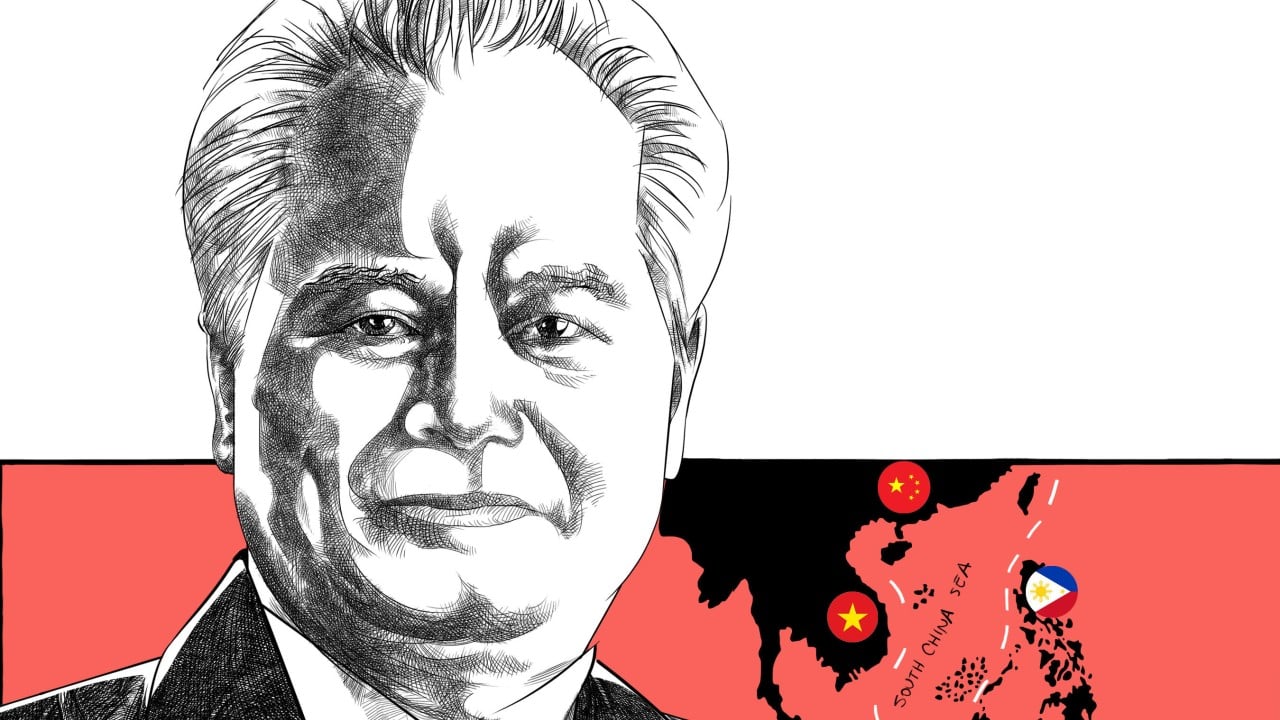
Wu Shicun is the founding president of China’s National Institute for South China Sea Studies and chairman of the Huayang Centre for Maritime Cooperation and Ocean Governance. In this interview he discusses ways Beijing can respond to rival claimants in the disputed waters. SCMP Plus readers get early access to articles in the Open Questions series. With Manila intensifying its “transparency” campaign, how does China view the current situation and what challenges does it face? Manila’s so-called...