Business — 1,928 insights
Beyond GDP: China’s growth story goes beyond the numbers
Business

Beyond GDP: China’s growth story goes beyond the numbers

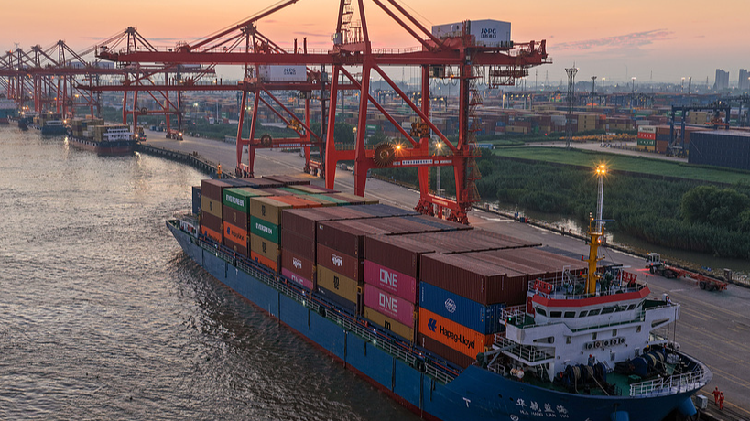
By continuing to browse our site you agree to our use of cookies, revised Privacy Policy and Terms of Use. You can change your cookie settings through your browser. Longtan Container Terminal, Nanjing, Jiangsu Province, July 15, 2026. /VCG Editor's note: Michael Wang is a CGTN biz commentator. This article reflects the author's opinions and not necessarily the views of CGTN. China's latest economic data offers a story that goes beyond the headline growth figure. The resilience of the Chinese economy is not simply about maintaining steady expansion. It is about continuing to transform an economy while the global environment becomes increasingly uncertain. The second quarter of 2026 unfolded against a turbulent international backdrop. Geopolitical tensions, conflict in the Middle East, volatile energy markets, disruptions to major shipping routes and persistent uncertainty surrounding global trade all weighed on the world economy. Against this challenging environment, China's economy expanded by 4.7% in the first half of the year, while industrial production, foreign trade and employment remained broadly stable. Yet the more important story lies beneath the GDP number.


Why South Korea’s submarine exports are running aground
Business

Why South Korea’s submarine exports are running aground

After losing bids in Canada and Poland, analysts say Korean shipyards are learning how strategic alignment can trump commercial merit “The failure of the CPSP bid poured cold water on South Korea’s defence industry, which has performed strongly in recent years,” said Shin Jong-woo, secretary general of the Korea Defence and Security Forum, a Seoul-based think tank. “As far as submarines are concerned, exports appear doomed for the foreseeable future, even though they are highly competitive.” The setback has deepened concerns that South Korea’s submarine industry could soon face a shortage of new orders, forcing its defence firms to pursue more overseas production through joint ventures and local manufacturing partnerships as defence protectionism intensifies.

What’s inside a World Cup ball?
Business

What’s inside a World Cup ball?

By continuing to browse our site you agree to our use of cookies, revised Privacy Policy and Terms of Use. You can change your cookie settings through your browser. The World Cup action starts with a ball, and there's more inside than you might think. Pressed, cut and tightly wound — this is how a football bladder takes shape. In Tongcheng County, Central China's Hubei Province, factories have produced 20 million bladders for the 2026 World Cup product line. Known as the ball's "heart," the bladder affects bounce, shape and durability. Each batch is tested for rebound, strength and impact resistance. Local manufacturers now hold nine invention patents and 18 utility-model patents. A tiny football "heart," powered by Chinese innovation.

China’s financial data signals a shift toward confidence
Business

China’s financial data signals a shift toward confidence

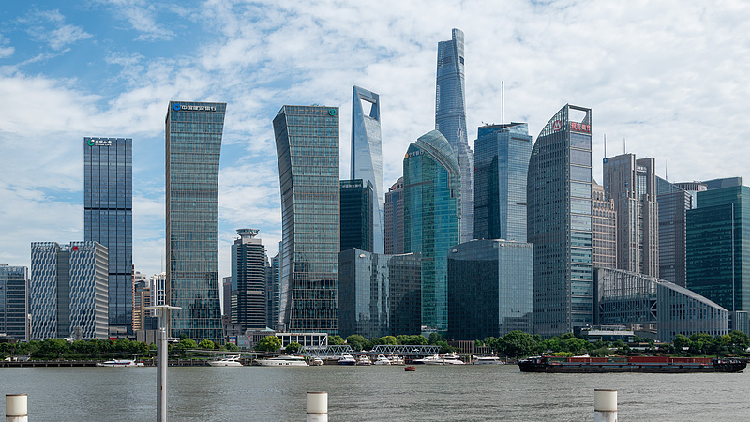
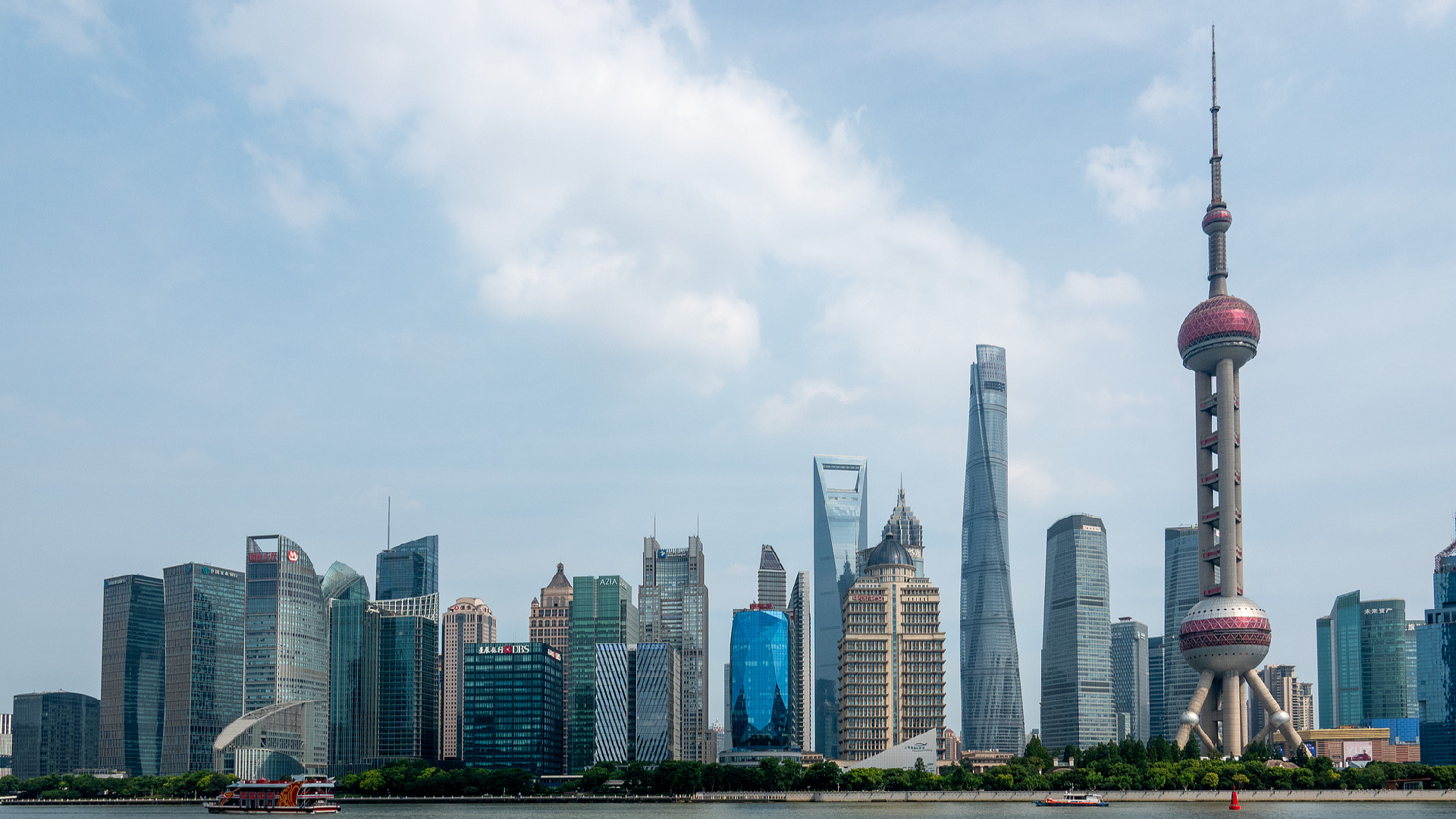
By continuing to browse our site you agree to our use of cookies, revised Privacy Policy and Terms of Use. You can change your cookie settings through your browser. A view of the Lujiazui cityscape at North Bund riverside in Shanghai, July 8, 2026. /VCG China's financial system continued to support the real economy in the first half of 2026, data from the People's Bank of China, the country's central bank, showed on Wednesday. Outstanding aggregate financing to the real economy reached 462.06 trillion yuan ($68.15 trillion) by the end of June, up 7.4% year on year, highlighting continued financial support for economic activity. Yuan loans to the real economy stood at 279.16 trillion yuan, accounting for more than 60% of the total social financing. Government bonds were a major contributor to the financing growth, with the outstanding balance rising 14.2% to 101.36 trillion yuan ($14.95 trillion), reflecting continued fiscal support for key projects and economic development. Money supply data further highlights the changing economic environment. Broad money supply, or M2, rose 8% year on year to 356.71 trillion yuan at the end of June. Businesses remained a key driver of credit demand.

Graphics: China’s GDP expands 4.7% in H1 2026
Business

Graphics: China’s GDP expands 4.7% in H1 2026

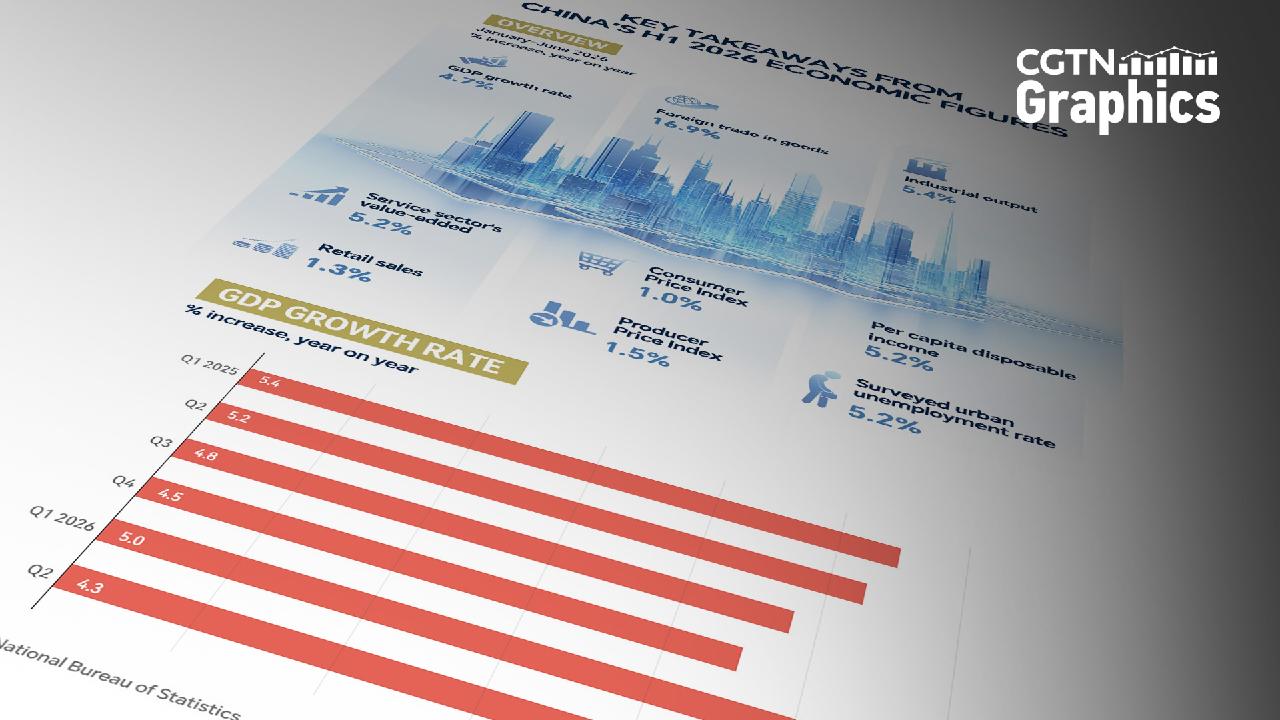
By continuing to browse our site you agree to our use of cookies, revised Privacy Policy and Terms of Use. You can change your cookie settings through your browser. China's gross domestic product (GDP) grew 4.7% year on year in the first half of 2026, data from the National Bureau of Statistics (NBS) showed Wednesday. "National economy operated within an appropriate range with new growth drivers developing rapidly in the first half year," said Mao Shengyong, NBS deputy head. New growth drivers, represented by high-end manufacturing, the digital economy and modern services, contributed over 40% to China's economic growth in the first half year. Though global trade growth cooled, China's foreign trade posted strong resilience, with its total foreign trade in goods up 16.9% year on year.

China’s economy grows 4.7% in first half of 2026
Business

China’s economy grows 4.7% in first half of 2026

By continuing to browse our site you agree to our use of cookies, revised Privacy Policy and Terms of Use. You can change your cookie settings through your browser. China's gross domestic product (GDP) grew 4.7% year on year in the first half of 2026, reaching 69.57 trillion yuan ($10.28 trillion), data from the National Bureau of Statistics showed on Wednesday. The country's key economic indicators have shown solid performance, with new growth drivers expanding quickly, signaling sustained resilience of the economy. In the first six months of 2026, the value-added industrial output of China's industrial enterprises above designated size, enterprises with annual revenue of at least 20 million yuan, grew by 5.4%. Notably, the value-added industrial output of equipment manufacturing and high-tech manufacturing climbed 9.3% and 13.3%, respectively. A worker operating on an automated production line in a manufacturing company in Shanxi Province, China, July 11, 2026. /VCG Retail sales of goods and services, a key gauge of the country's consumption strength, expanded 2.7% year on year. Total retail sales of consumer goods came in at 24.87 trillion yuan during the January-June period.

Tai Po fire: estate manager deemed ‘pitiful’, but denies acting as consultant
Business

Tai Po fire: estate manager deemed ‘pitiful’, but denies acting as consultant

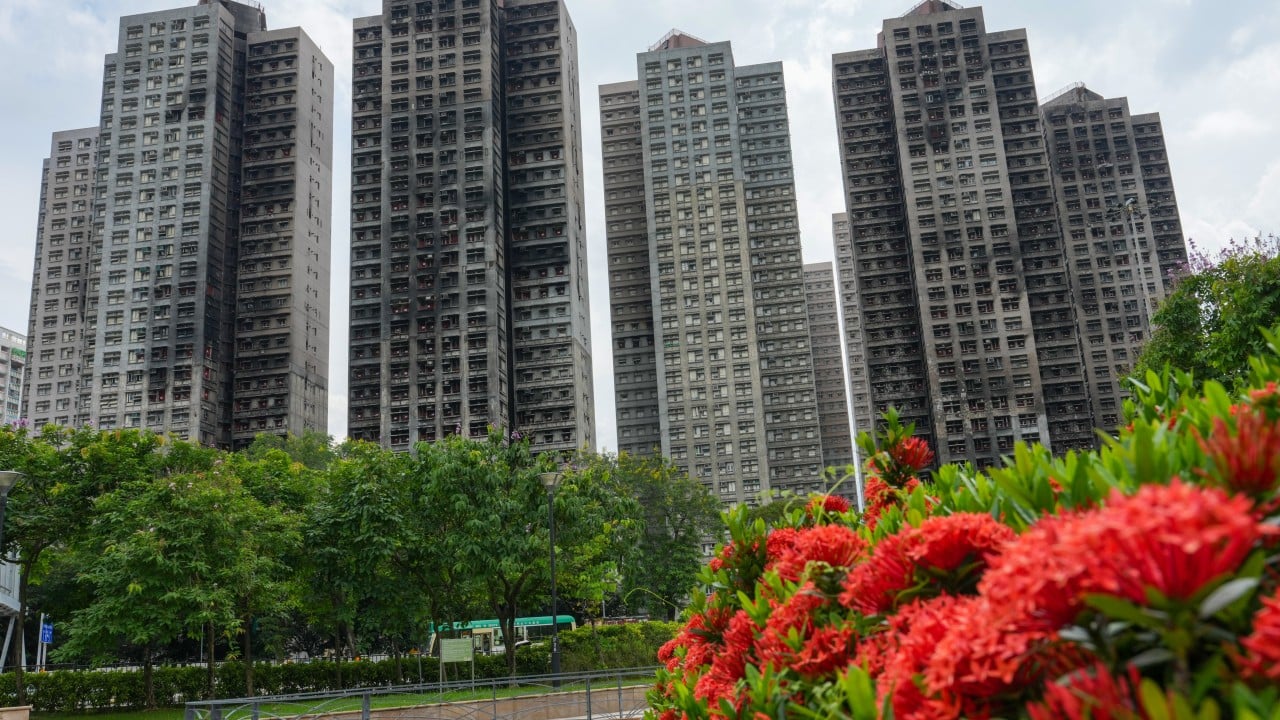
Counsel representing independent committee, government and other parties to all deliver final submissions from Wednesday to Friday An independent, judge-led committee investigating Hong Kong’s deadliest fire in decades will hear closing submissions from legal representatives, following 27 sessions of evidential hearings. Counsel representing the committee, the government and other parties are expected to deliver their final submissions before the panel from Wednesday to Friday, after which it will proceed to finalise a report due in about a month. A deadly blaze broke out at the Wang Fuk Court residential complex in Tai Po on November 26, 2025. The fire engulfed seven of the estate’s eight buildings, killing 168 people and displacing nearly 5,000 residents, making it the city’s worst inferno since 1948. At the time of the incident, Wang Fuk Court was undergoing a HK$336 million facade renovation after the owners’ corporation selected the most expensive option, raising suspicions of bid-rigging. In the previous round of hearings, the committee, chaired by Justice David Lok Kai-hong, heard evidence from experts appointed by both the government and the panel.

Hong Kong issues amber rainstorm warning, urges public to take precautions
Business

Hong Kong issues amber rainstorm warning, urges public to take precautions

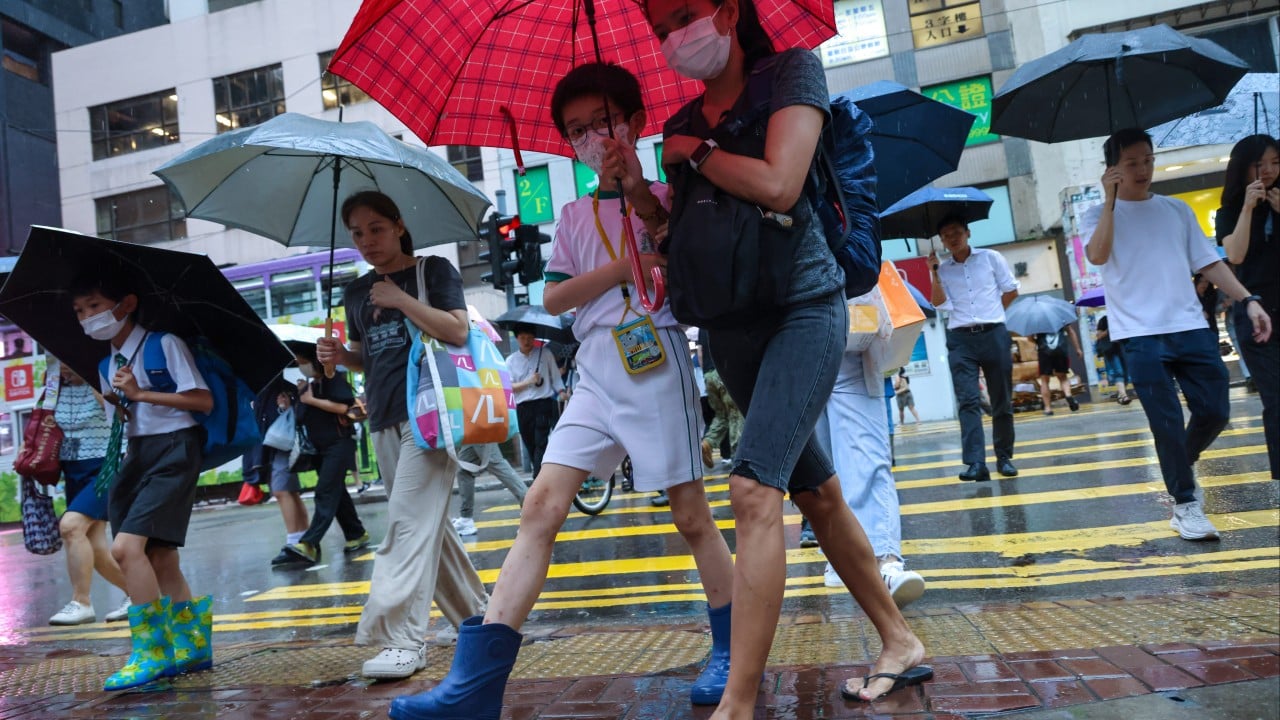
Observatory warns widespread heavy rain could affect Hong Kong in couple of hours and that intense gusts could continue to affect city The Hong Kong Observatory issued an amber rainstorm warning at 10.05am on Wednesday and urged residents to take precautions such as staying away from watercourses. The forecaster warned that widespread heavy rain could affect Hong Kong in a couple of hours and that intense gusts could continue to affect the city. It told residents to stay vigilant during the adverse weather. “This means that heavy rain has fallen or is expected to fall generally over Hong Kong, exceeding 30mm in an hour, and is likely to continue,” it said. “There will be flooding in some low-lying and poorly drained areas.” The forecaster noted that intense gusts of about 80km/h (49.7mph) were recorded at Tai O at around 9.45am. It warned that people should stay away from watercourses and take necessary precautions to minimise risks.

China posts resilient H1 growth as 15th Five-Year Plan gets underway
Business

China posts resilient H1 growth as 15th Five-Year Plan gets underway

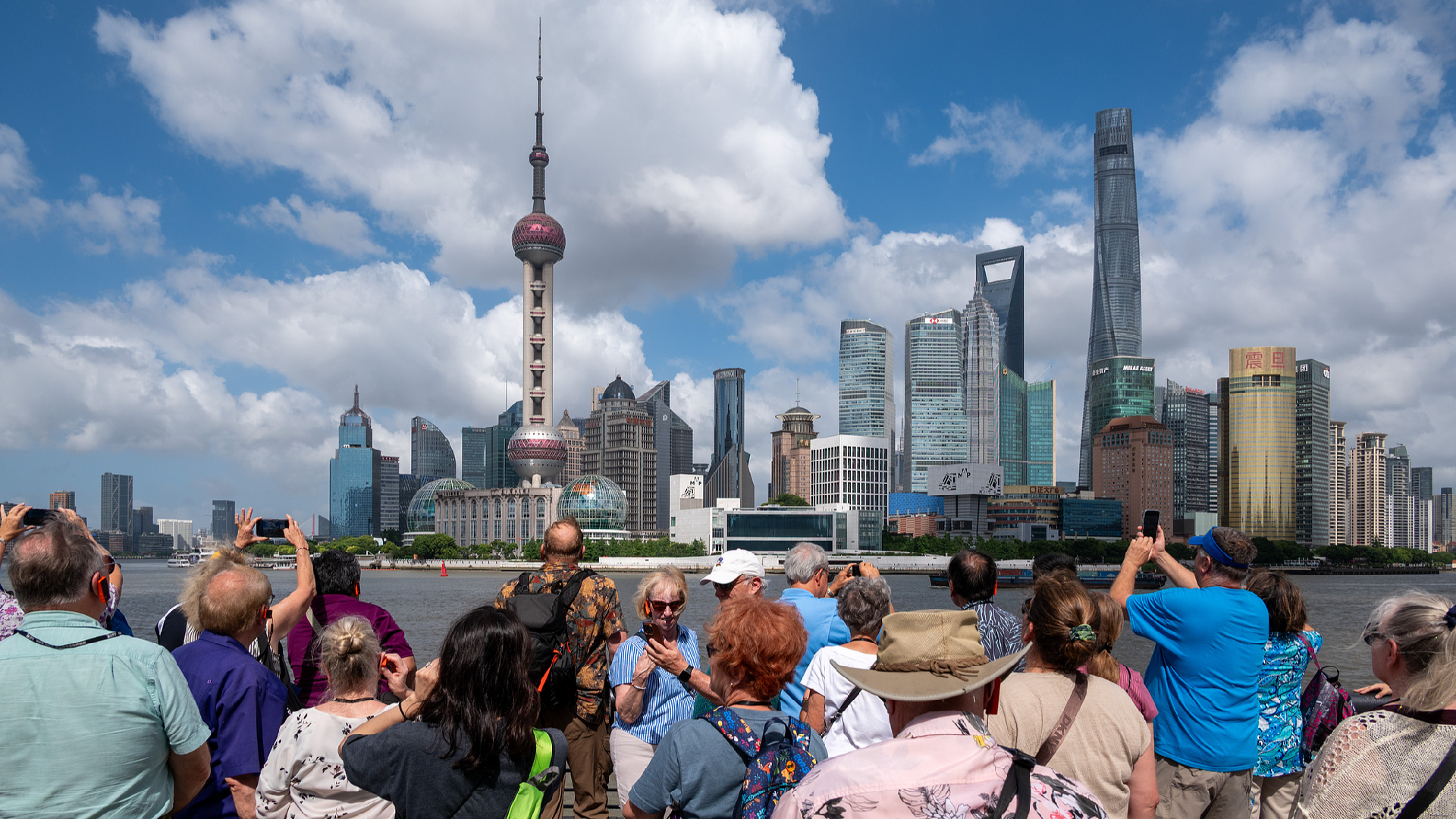
By continuing to browse our site you agree to our use of cookies, revised Privacy Policy and Terms of Use. You can change your cookie settings through your browser. Tourists take photos at Lujiazui area in east China's Shanghai, July 10, 2026. /VCG While geopolitical tensions and trade frictions continue to weigh on the global economy, China posted steady growth in the first half (H1) of 2026, demonstrating solid resilience as the world's second-largest economy embarked on its 15th Five-Year Plan (2026-2030). The country's gross domestic product (GDP) grew 4.7% year on year in the first six months, data from the National Bureau of Statistics (NBS) showed on Wednesday. In the second quarter, its GDP expanded 4.3% year on year. The Chinese economy has "operated within an appropriate range against pressure," continuing to demonstrate strong resilience, the NBS said in a statement, pointing to bright spots such as robust growth in production and supply, stable employment and rapid expansion in new growth drivers. China's GDP grew 5% year on year in the first quarter. The country has targeted 2026 growth at 4.5 to 5% and will strive for better in practice.

Ancient Chinese lord buried with bells meant to silence ancestral war rituals
Business

Ancient Chinese lord buried with bells meant to silence ancestral war rituals

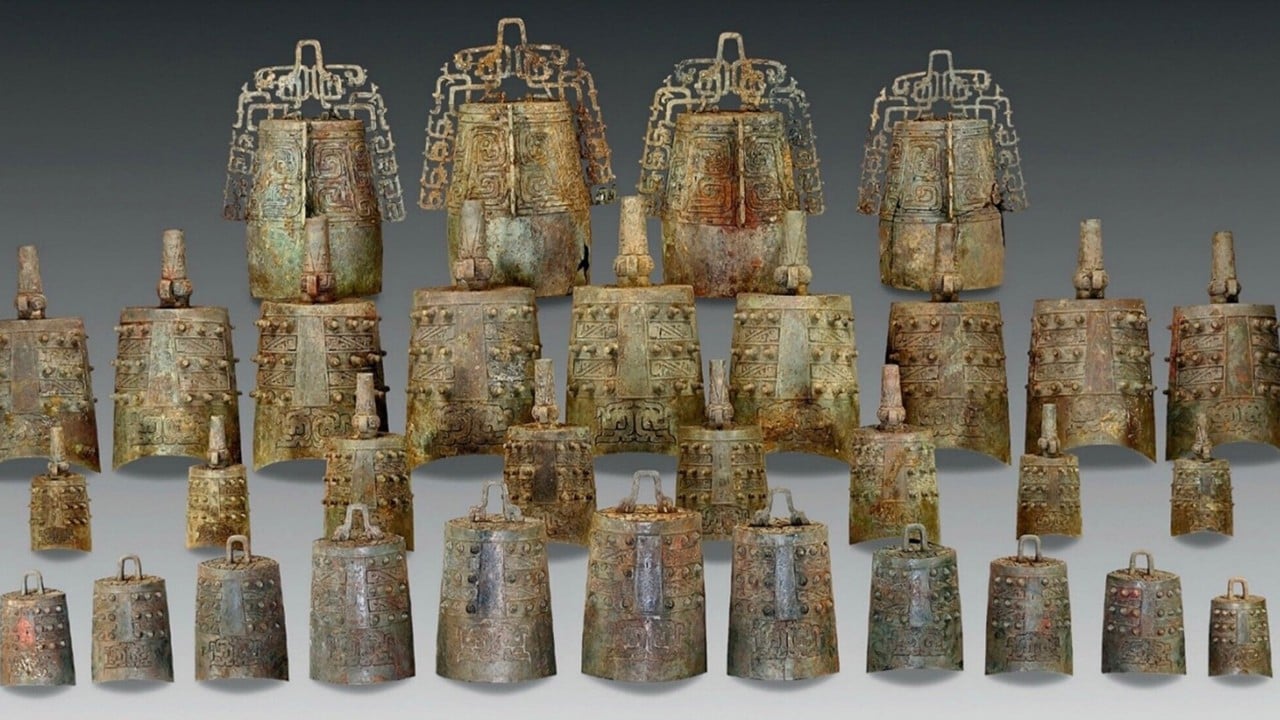
Nobleman used ceremony to invoke help from ancestors, and then politics made it awkward Imagine, for a moment, that you lived in ancient China, with a rival state threatening your people’s very existence. In the quest for any advantage, one strategy might involve performing a ceremony to invoke assistance from the ancestors. However, life and politics are not static; old rivals can transform into close allies. This transformation raises an intriguing question: do ancient war ceremonies simply fade away when they lose relevance? A recent discovery in China indicates that, at least during the Zhou dynasty (1046–256 BC), people believed the answer was “no,” suggesting that old ceremonies needed to be “turned off.” The research, published by Cambridge University Press, indicates that individuals – excluding thieves – had intentionally tampered with the resting place of Lord Qiu, a member of the political elite from the state of Zeng. Chinglong Tse, the study’s author and a PhD candidate at the Institute of Archaeology, University College London, posited that these intruders likely sought to “turn off” a connection to ancient ancestors established by Qiu, which had become politically inconvenient amid shifting social dynamics.

Taiwan’s opposition TPP launches historic first trip to mainland China
Business

Taiwan’s opposition TPP launches historic first trip to mainland China

The party aims to build goodwill and promote dialogue while supporting cross-strait peace, delegation leader says “The trip aims to build goodwill and mutual trust through pragmatic engagement, reduce misunderstandings across the Taiwan Strait and explore a more stable and sustainable model for exchanges,” the TPP said. “This is the first time since the Taiwan People’s Party was founded that it has formally organised a delegation to mainland China for a visit and exchanges,” Lee said before the group’s departure. “At a time when the cross-strait political situation is severe and the global situation is tense, the darker the moment, the more we cannot afford to lose communication. The greater the differences, the more we need dialogue.”

Why and how the media industry can fit into Hong Kong’s first 5-year plan
Business

Why and how the media industry can fit into Hong Kong’s first 5-year plan

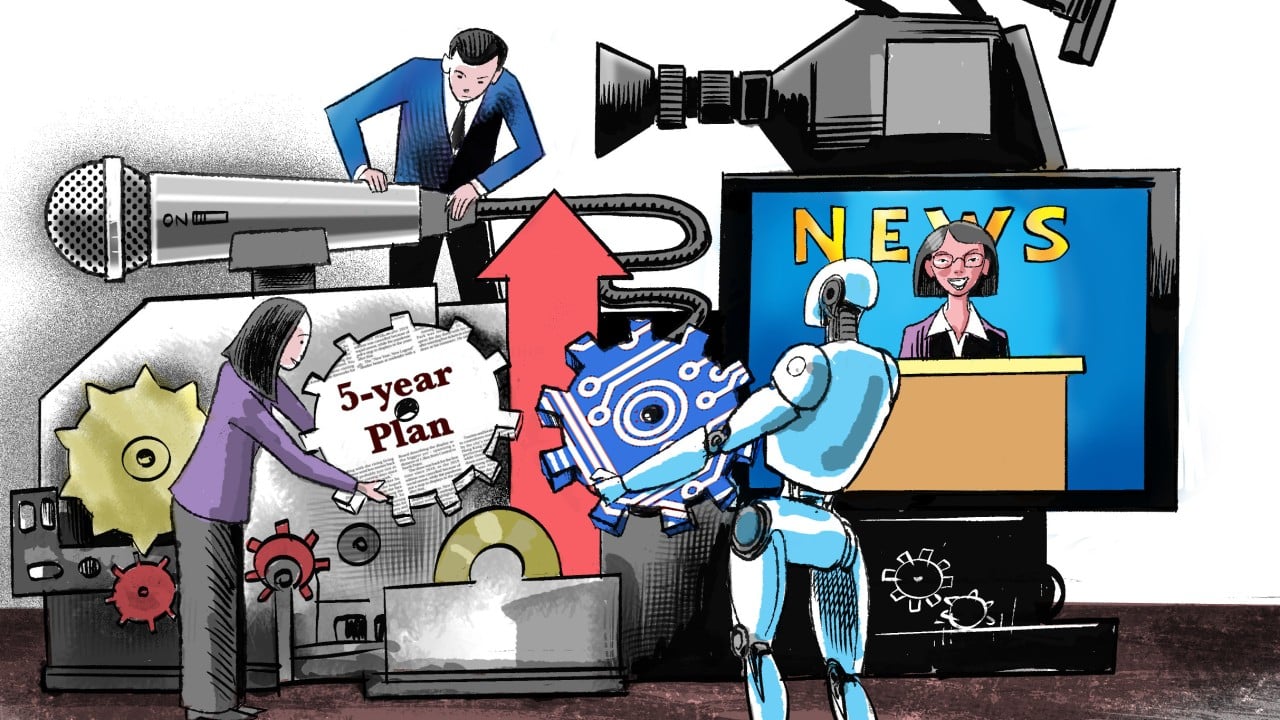
With the right policy support, there is great scope for media operations to function as sandboxes for developing and testing advanced AI technologies Mainstream media, particularly in Hong Kong, have historically been conservative in their research and development spending. Media executives prefer to shop for off-the-shelf solutions, treating technology as back-office support rather than a core growth engine. International publishers have already pivoted to monetise these assets. News Corp recently signed a deal worth a reported US$250 million over five years with OpenAI. The Associated Press, Reuters and a growing list of publishers are building recurring revenue from content they already own. Hong Kong has remained largely an idle observer. This passivity risks more than missed financial opportunities. It brings security and cultural concerns. As younger generations increasingly rely on AI models to synthesise information and understand the world, the data used to train these models becomes the new frontier of the global narrative war.