Business — 2,006 insights
The dangerous illusion that AI understands, thinks and cares
Business

The dangerous illusion that AI understands, thinks and cares

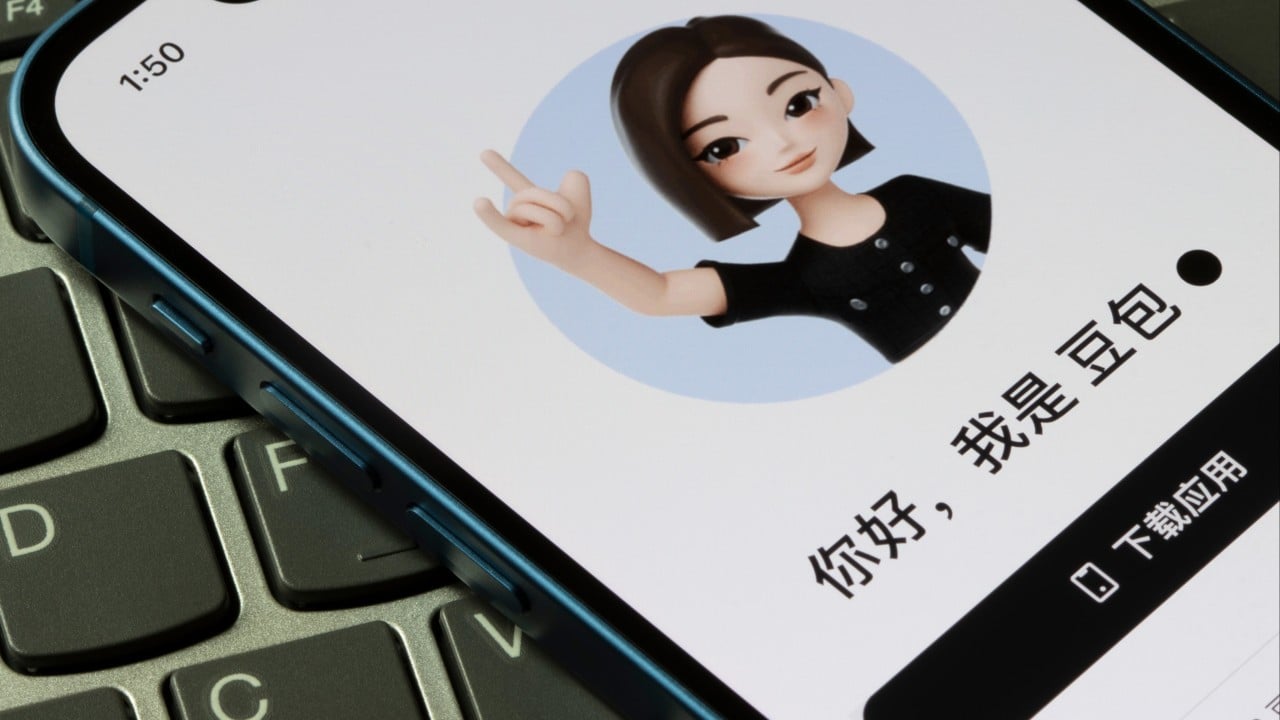
The foremost ethical concern is deception. Treating AI systems as humanlike risks the lives of vulnerable people Anthropomorphising artificial intelligence – that is, treating AI systems as though they possess human emotions, intentions, consciousness or moral judgment – is both an ethical and a practical problem. While attributing human qualities to AI systems may make interactions more approachable, it also risks clouding users’ perceptions of the technology’s true nature and limitations. The vocabulary choice has elevated AI systems to some form of intelligence on a par with, or even surpassing, human intelligence. It is true that in some cases, their processing powers and prowess surpass those of humans – but they also fail spectacularly because they are only machines. Since the industrial revolution, it has been accepted that machines can be more efficient than humans at certain tasks. But we did not refer to machinery as teammates back then; neither should we now with AI systems. Text-based generative AI systems are trained on vast amounts of texts. Given the word “thank”, it can statistically calculate the extremely high probability of the next word being “you”, and that is what it generates.
On tariffs, China and US ask industry a US$30 billion question
Business

On tariffs, China and US ask industry a US$30 billion question

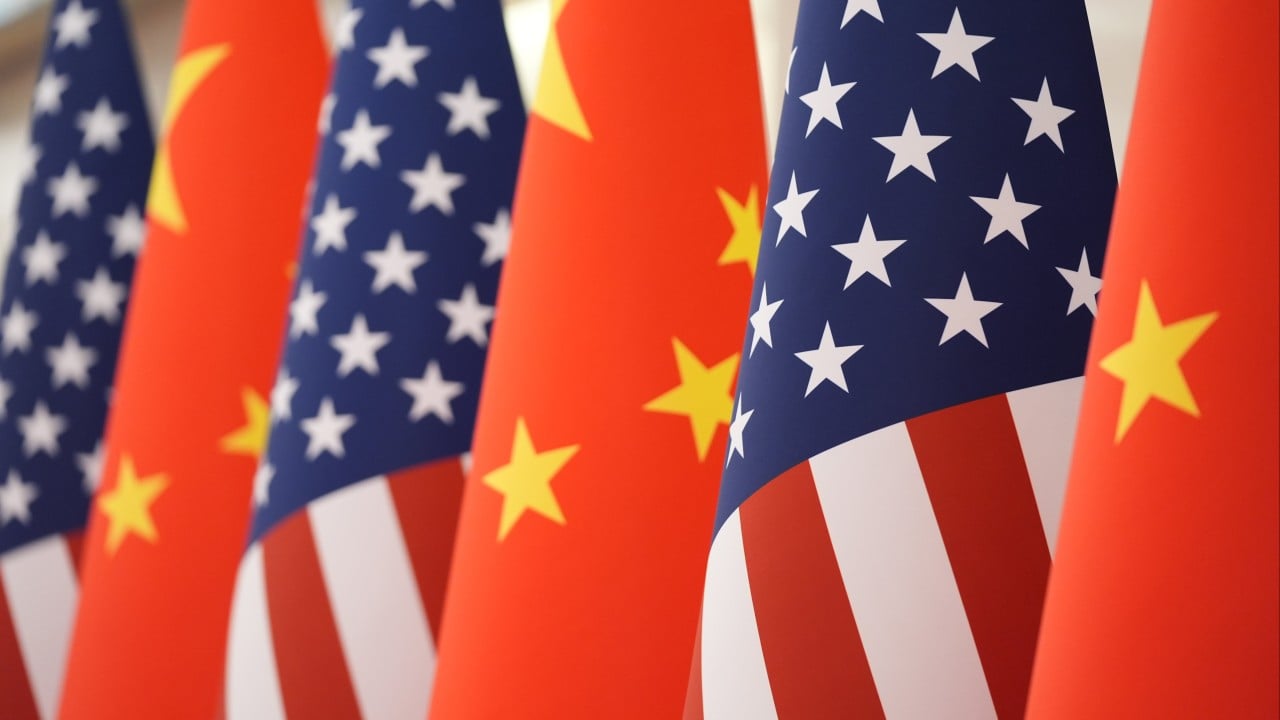
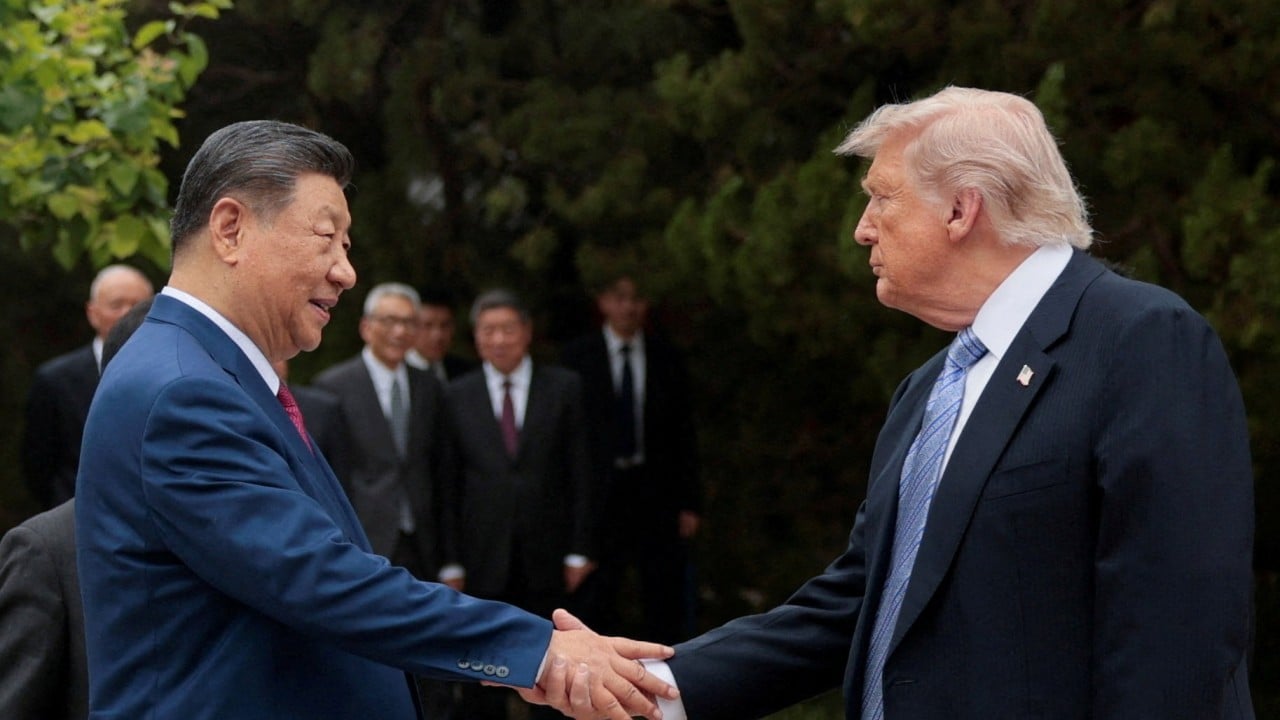
As President Xi and President Trump prepare for an expected summit, trade officials are weighing public input on reciprocal duty cuts Beijing and Washington are actively soliciting industry feedback on potential bilateral tariff reductions under the newly established board of trade, according to China’s commerce ministry. “The Chinese side is widely soliciting views from stakeholders – including domestic firms, business associations, local governments as well as American firms and business associations – on relevant tariff reduction arrangements,” Meng Huating, director of the Ministry of Commerce’s Department of Foreign Investment Administration, told a press conference in Beijing on Thursday. The United States was also collecting public feedback on the trade board as the two sides continued to iron out details regarding its “framework, functions and operational model”, Meng added. On Wednesday, US Secretary of State Marco Rubio said the two countries were moving towards implementing the two boards ahead of President Xi Jinping’s expected visit to the US this year.

Why Trump’s claim that Beijing meddled in US election hasn’t put ties on ice
Business

Why Trump’s claim that Beijing meddled in US election hasn’t put ties on ice

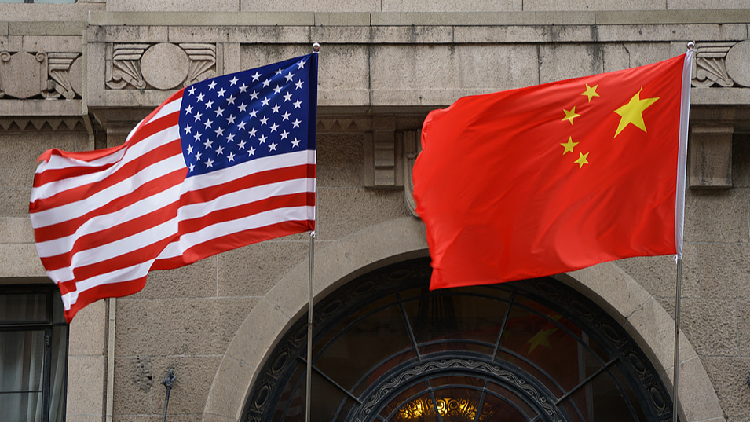
Leaders’ commitment to stability holds as China likely views his remarks as domestic political theatre, analysts say China and the United States’ agreement to pursue stability appeared to be holding, analysts said, even as President Donald Trump seemed determined to rock the boat ahead of the leaders’ second summit of the year in September. The assessment came as Beijing issued a measured response to his allegations of Chinese interference in the 2020 US elections. In a prime-time televised address last week, Trump accused Beijing of orchestrating the “largest compromise of election data in history”, a claim that contradicts assessments made by US intelligence agencies in 2021.

How China can safeguard visual heritage against Western luxury brand exploitation
Business

How China can safeguard visual heritage against Western luxury brand exploitation

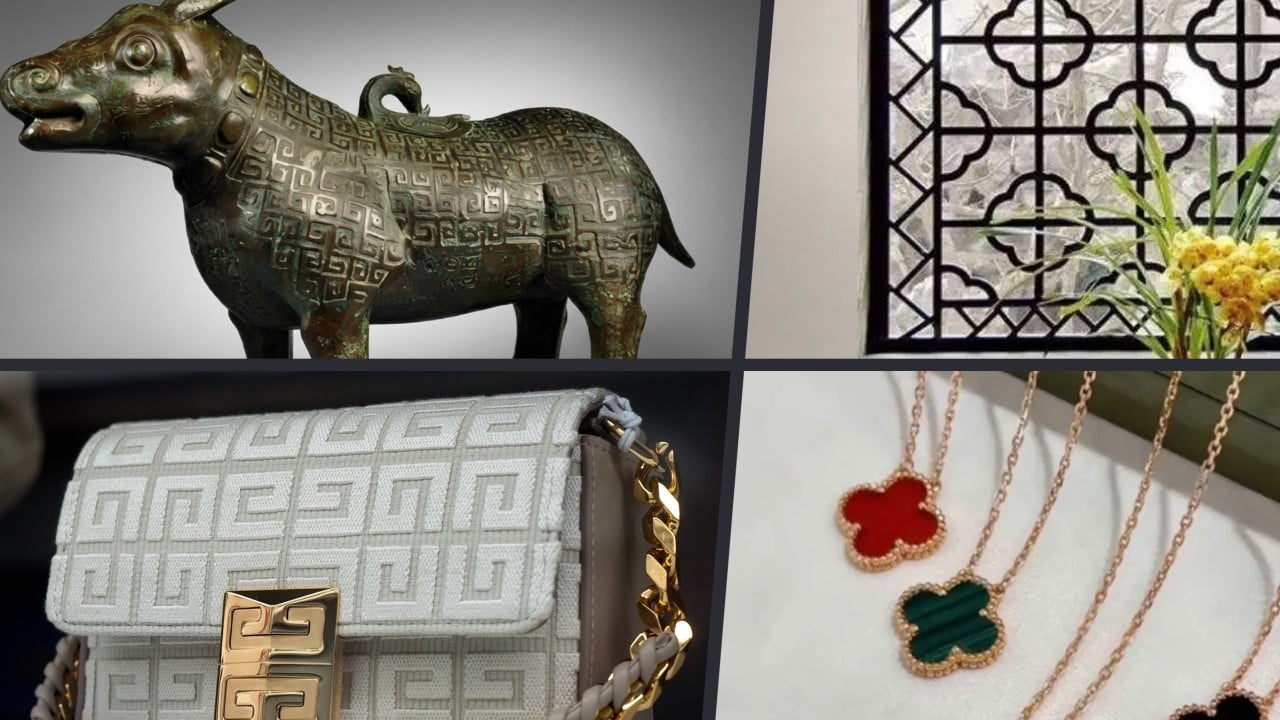
Traditional motifs in the public domain belong to humanity’s shared artistic heritage and can reasonably be used freely, expert notes In early July, a Suzhou court ordered the Chinese tea chain Molly Tea to pay Louis Vuitton 10.3 million yuan (US$1.5 million) after ruling that its four-petal floral pattern infringed on the French luxury house’s registered trademarks. Many online users, angered by the eastern Chinese court’s ruling, shared images of similar motifs found in Tang dynasty (618–907) textiles, musical instruments, and Suzhou garden architecture, arguing that these precede Louis Vuitton’s founding in 1854 by centuries. The dispute quickly evolved in mainland social media into a deeper and more unsettling question: can a luxury company “privatise” a visual language used by a civilisation for centuries – and how should China protect its cultural heritage? Wang Jia, an intellectual property lawyer at Sichuan Henghexin Law Firm, told the SCMP that trademark law does not grant Louis Vuitton a monopoly over every four-petalled floral motif. “What the law protects is the mark’s function as an indicator of commercial origin – the system of brand recognition built through long-term use,” she explained.

China’s Geely partners with Ford to revive Spain plant and deepen European EV drive
Business

China’s Geely partners with Ford to revive Spain plant and deepen European EV drive

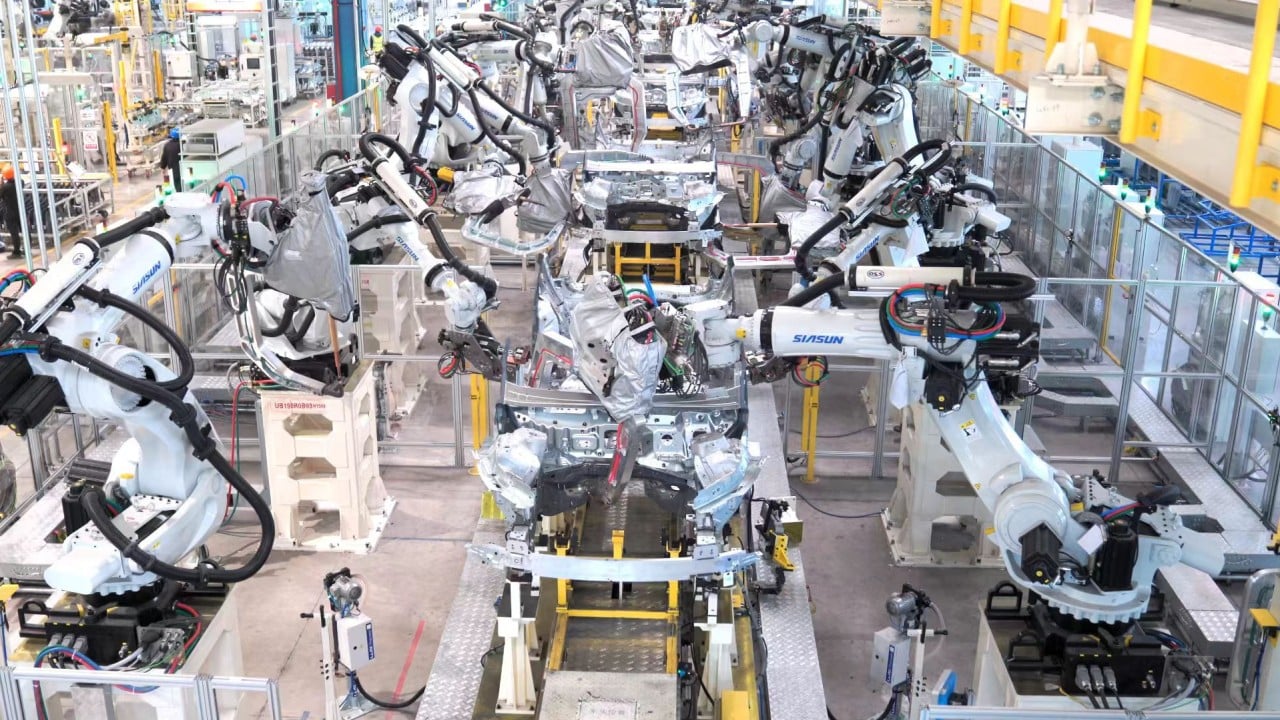
Tie-up breathes new life into plant near Valencia and signals Chinese carmakers’ stepped-up push to go global amid tariff pressures Multi-energy cars would be assembled at an idle factory in Almussafes, near Valencia, after the two companies set up a venture, with deliveries expected to begin in 2028, according to a statement by Geely on Thursday. The Chinese group would hold a 34 per cent stake, while Ford would control 66 per cent, it added. Three Ford-branded multi-energy vehicles and two electric Geely-branded models would be assembled at the plant. “By optimising factory utilisation and sharing development costs, the partnership will bolster operational excellence and provide long-term stability and employment opportunities for Valencia’s world-class automotive workforce,” Geely said in the statement. The tie-up highlights a growing trend of Chinese carmakers deepening their European foray by tapping international marques’ excess production facilities. The plant in Spain, once Ford’s largest factory outside the US, had been running at less than a quarter of its annual capacity of 450,000 vehicles, according to Bloomberg.

China wants to boost consumption: How it plans to do so
Business

China wants to boost consumption: How it plans to do so

By continuing to browse our site you agree to our use of cookies, revised Privacy Policy and Terms of Use. You can change your cookie settings through your browser. Editor's note: Cheng He is a chief editor at CGTN Global Business. The article reflects the author's opinions and not necessarily the views of CGTN. China recently handed in its first-half economic report card, showing that growth slowed to 4.3% in the second quarter, amid declining investment and relatively subdued consumption. Foreign trade remained the brightest spot, with exports rising 13.4% and imports increasing 22.1% in the first half of 2026. Backed by efficient and highly sophisticated industrial chains, China has maintained its position as the world's largest manufacturer, sustaining robust export growth despite geopolitical tensions and global uncertainties. But while strong external demand has helped offset weaker domestic drivers, policymakers are eager to rebalance growth by putting consumption at the center of the economic agenda. Just two days before the release of the first-half economic data, the central government approved a comprehensive plan to expand consumption during the 15th Five-Year Plan period (2026-2030).

China, US solicit opinions on tariff cut measures: commerce ministry
Business

China, US solicit opinions on tariff cut measures: commerce ministry

By continuing to browse our site you agree to our use of cookies, revised Privacy Policy and Terms of Use. You can change your cookie settings through your browser. The Chinese and US economic and trade teams are discussing a reciprocal tariff reduction framework, with each side planning tariff cuts worth $30 billion, Meng Huating, an official of China's Ministry of Commerce, said on Thursday. In response to a question regarding progress on the establishment of the China-US trade and investment councils at a press conference, Meng said that the economic and trade teams of both countries are currently maintaining close communication on specific arrangements for the trade council, such as its structure, functions, and operational models. The Chinese side is soliciting extensive opinions from domestic enterprises, business associations, local governments, US business associations and other stakeholders on the proposed tariff reduction plans, she said. Meanwhile, the US side is collecting public comments concerning the trade council and the reciprocal tariff cut arrangements, Meng said.

Global leaders share their takes on China’s AI progress
Business

Global leaders share their takes on China’s AI progress

By continuing to browse our site you agree to our use of cookies, revised Privacy Policy and Terms of Use. You can change your cookie settings through your browser. Global leaders have shared their takes on China's AI progress, and how it's helping shape the future of AI worldwide.

Foreign firms deepen China investment as high-tech gains momentum
Business

Foreign firms deepen China investment as high-tech gains momentum

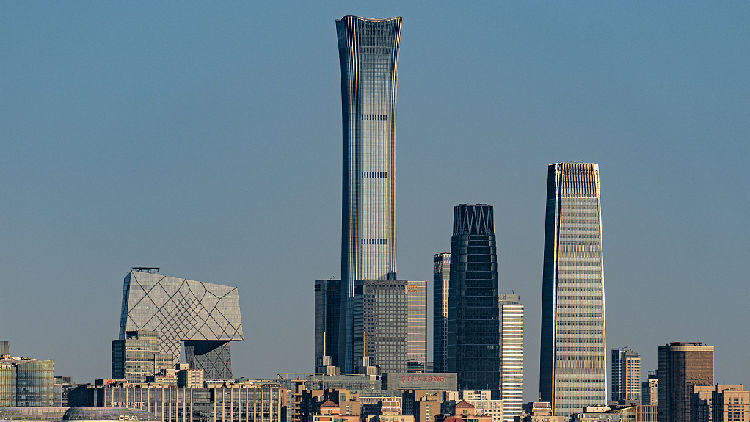
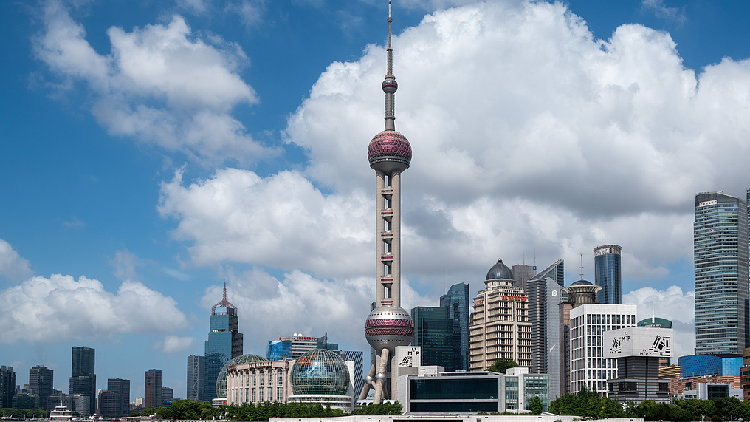
By continuing to browse our site you agree to our use of cookies, revised Privacy Policy and Terms of Use. You can change your cookie settings through your browser. Lujiazui skyline at the Bund viewing platform, Shanghai, China, July 10, 2026. /VCG China remains an attractive destination for foreign investment, with nearly 4,800 foreign-funded companies increasing their investment in the country in the first half of 2026, according to a press conference held by the State Council Information Office on Thursday. During the first six months of the year, China saw the establishment of new foreign-invested enterprises rise 5.3% year-on-year, with foreign direct investment (FDI) in actual use reaching 402.1 billion yuan ($59.2 billion). The structure of foreign investment continued to improve, with investment in high-tech industries surging 33.2% year-on-year, accounting for 42.4% of the total. The Ministry of Commerce said it will further implement policies encouraging foreign investment, guiding overseas investors toward advanced manufacturing sectors, including organic polymer materials and energy-efficient magnetic levitation power equipment, as well as modern services such as humanoid robot R&D and high-end shipping services.

Foreign institutions voice strong confidence in Chinese assets
Business

Foreign institutions voice strong confidence in Chinese assets

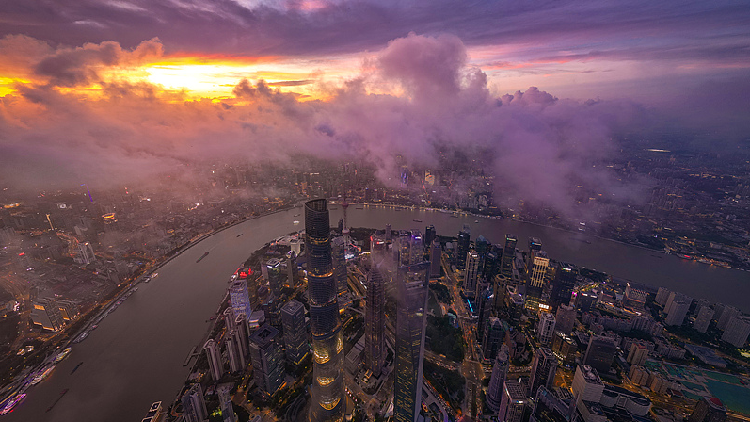
By continuing to browse our site you agree to our use of cookies, revised Privacy Policy and Terms of Use. You can change your cookie settings through your browser. Lujiazui, the financial hub of Shanghai, China, viewed from a drone perspective. /VCG A growing number of global financial institutions are upgrading their outlook on Chinese equities, with major players including Citi, UBS and Standard Chartered releasing bullish market outlooks in July. The shift signals a broader reassessment of China's strategic value in global portfolios. Citigroup upgraded China from "neutral" to "overweight" in its H2 2026 emerging market outlook, citing reasonable valuations, light investor positioning and potential benefits from global growth improvements & lower oil prices. The bank set year-end targets of 29,600 points for the Hang Seng Index and 5,600 points for the CSI 300 Index, with the MSCI China Index target at $92, implying approximately 31% upside potential.

Hitler’s Austrian birthplace reopens as a police station to deter neo-Nazis
Business

Hitler’s Austrian birthplace reopens as a police station to deter neo-Nazis

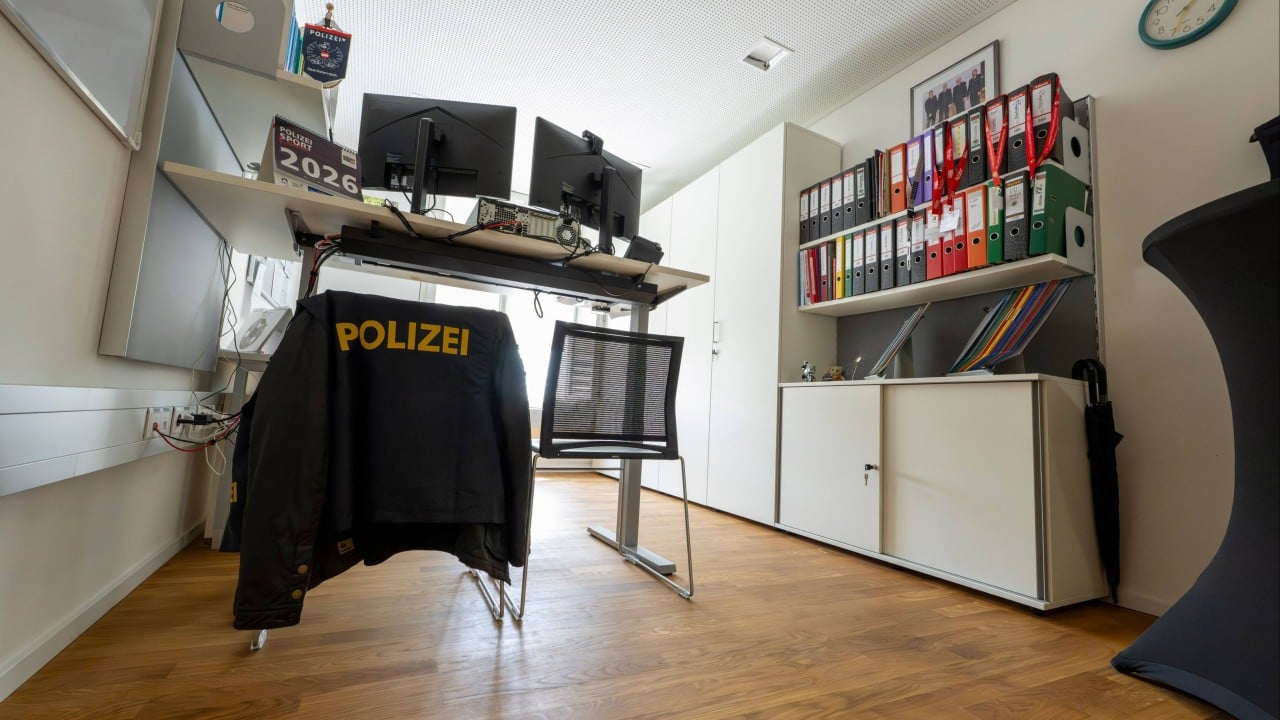
Following a years-long legal saga and redesign, Austria aims to erase the building’s allure for pilgrimages Adolf Hitler’s birthplace in Austria was officially inaugurated as a police station on Wednesday in an effort to destroy the building’s appeal as a site of pilgrimage for people who glorify the Nazi dictator. A memorial stone is to remain in place outside the house in Braunau am Inn near the German border with the inscription: “For freedom, democracy and liberty. Never again fascism. Millions of dead remind us”. Hitler was born in the building on April 20, 1889. His family moved to another residence in Braunau am Inn after only a few months, before settling temporarily in Passau in southern Germany. Fuelled by racial fanaticism, Hitler’s Nazi regime killed approximately 6 million Jews and other minorities and groups during the Holocaust. The dictator unleashed World War II in which at least 60 million people died. He committed suicide in April 1945, shortly before the end of the war.

South Korean labour unions push for higher payouts after Samsung’s US$400,000 bonus
Business

South Korean labour unions push for higher payouts after Samsung’s US$400,000 bonus

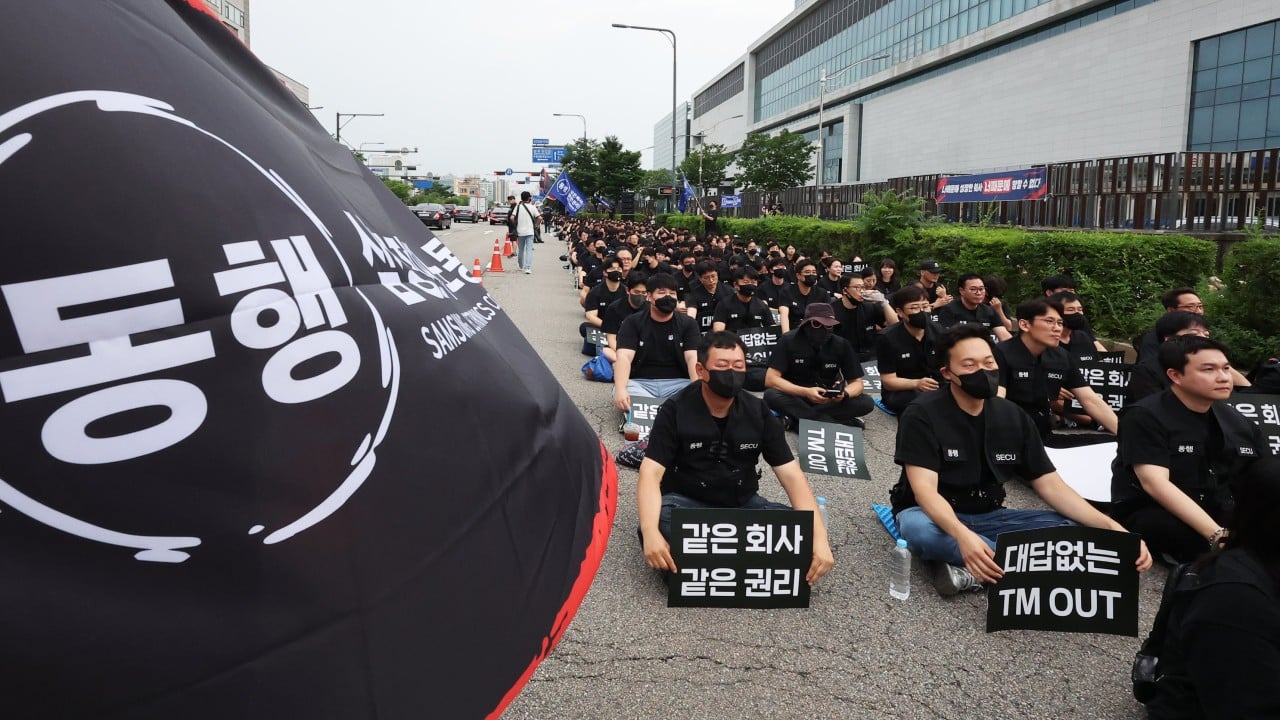
What began with workers calling for Samsung and SK Hynix to share profits reaped from the AI boom is spilling over to other industries Meanwhile, unions at HD Hyundai Heavy Industries and telecoms operator LG Uplus want payouts equivalent to at least 30 per cent of operating profit, while workers at Hanwha Aerospace and HD Hyundai Electric want to scrap bonus caps altogether. In tech, thousands of employees at Kakao, which operates South Korea’s largest messaging service, went on strike for the first time last month, demanding that up to 15 per cent of operating profit be allocated for bonuses. The union at Naver, the country’s top search engine provider, is forming a coalition with counterparts at multiple affiliates to strengthen their negotiating power.