Business — 1,959 insights
US launches new tariffs on 60 trading partners
Business

US launches new tariffs on 60 trading partners

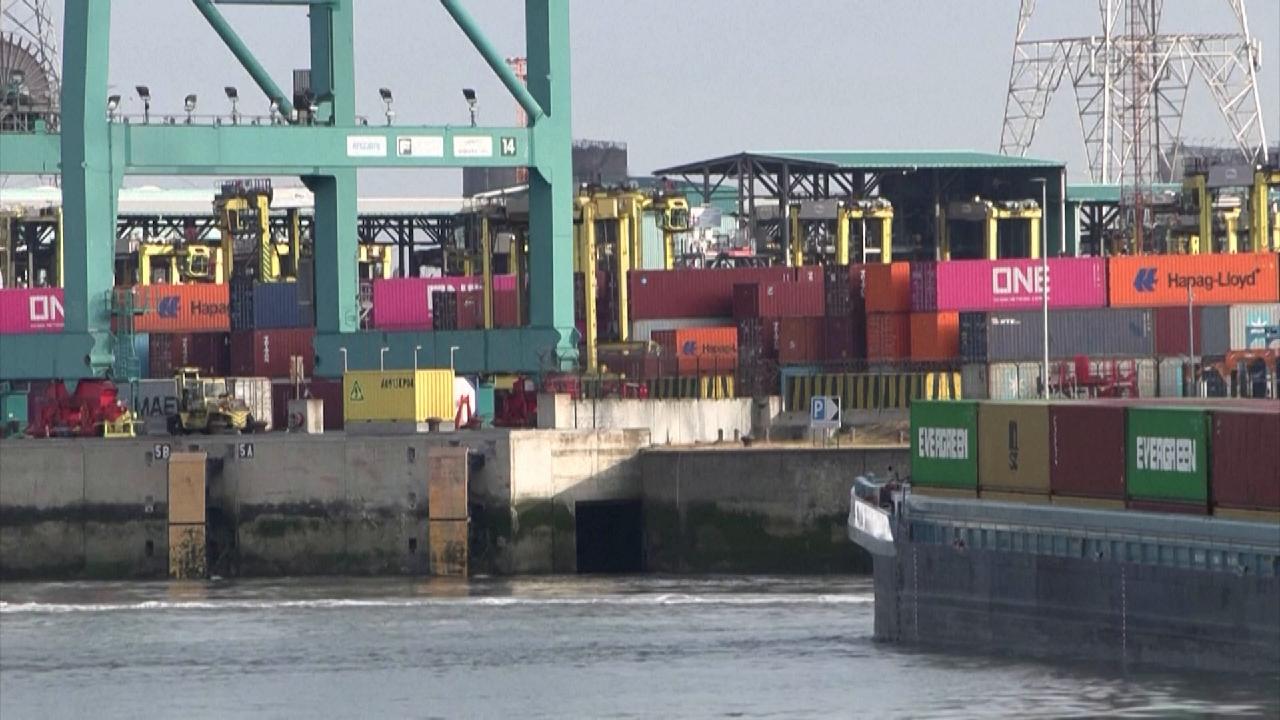
By continuing to browse our site you agree to our use of cookies, revised Privacy Policy and Terms of Use. You can change your cookie settings through your browser. The U.S. has imposed new tariffs on 60 trading partners on the grounds that they've failed to properly enforce bans on forced labor. Imposed under Section 301 of the Trade Act of 1974, they replace previous time-limited 10 percent duties which expired on Friday. The Trump administration has vowed to continue using tariffs to rebalance the U.S.'s trade relationships, a move criticized by several of Washington's allies and adversaries.

From Moonshot to Enflame: how Tencent is betting big on China’s AI champions
Business

From Moonshot to Enflame: how Tencent is betting big on China’s AI champions

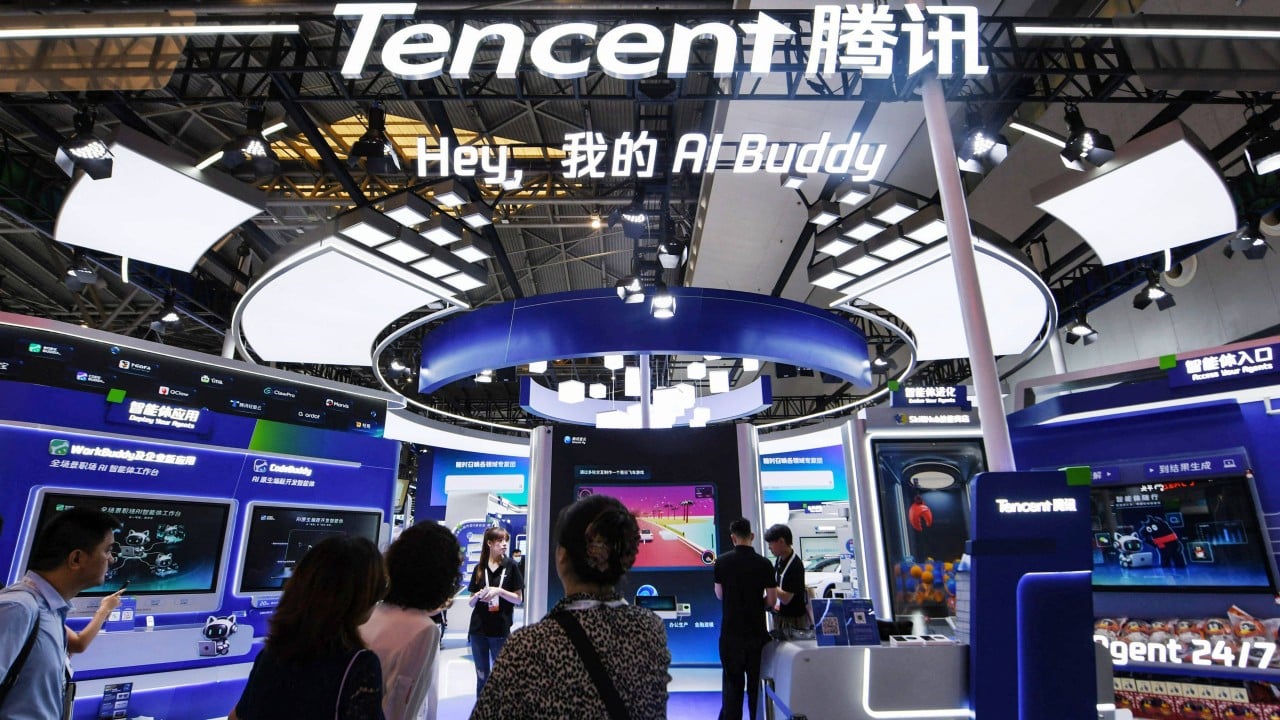
A look at some of the key companies in Tencent’s growing AI portfolio, from model makers to chip designers Tencent Holdings is quietly reallocating its venture capital bets away from legacy internet assets to double down on China’s highest-profile artificial intelligence champions. While the tech giant’s sprawling portfolio spans mobile gaming, e-commerce and consumer goods globally, its AI strategy has rapidly accelerated. Earlier this month, Tencent trimmed its long-held stake in Kuaishou Technology days after backing a US$3 billion round for Kuaishou’s AI video unit, Kling AI. Here is a closer look at the other key players in Tencent’s AI portfolio.

Philippines’ Marcos uses national address to promise relief, but funding questions loom
Business

Philippines’ Marcos uses national address to promise relief, but funding questions loom

Philippine President Ferdinand Marcos Jnr used his 2026 State of the Nation Address (Sona) on Monday to promise relief from taxes, electricity charges and high rice prices, while pledging to pursue corruption cases linked to a flood-control scandal that has battered his administration. But while analysts said the one-and-a-half-hour speech addressed issues Filipinos had expected Marcos to confront, they questioned how the government could afford the handouts and why he announced no austerity or...

EAC reaffirm commitment to single currency by 2031
Business

EAC reaffirm commitment to single currency by 2031

By continuing to browse our site you agree to our use of cookies, revised Privacy Policy and Terms of Use. You can change your cookie settings through your browser. The East African Community (EAC) Monetary Affairs Committee has reaffirmed its commitment to introducing a single East African currency by 2031, pledging to deepen regional financial integration. According to a statement issued on Monday by the EAC headquarters in Arusha, Tanzania, the commitment was made during the committee's 29th ordinary meeting, held on July 24 in Kampala, Uganda, which brought together central bank governors and senior officials from EAC member states. The committee said the region's economy remains resilient despite global uncertainties, with growth projected at 5.25% in 2026, above the sub-Saharan African average of 4.3%. The meeting reviewed progress toward the 2031 single-currency target, citing advances in monetary policy reforms, regional payment systems and institutional capacity building. However, the committee noted uneven progress in meeting the macroeconomic convergence criteria, urging partner states to strengthen policy coordination and accelerate reforms.

China’s localised data centre push drives AI ambitions amid overbuilding concerns
Business

China’s localised data centre push drives AI ambitions amid overbuilding concerns

In China there is a nationwide scramble for data centres, with some major cities losing out to towns and counties for new investments Despite their strikingly different approaches to developing and deploying artificial intelligence, one aspect is common across China and the United States: data and computing centres are proliferating in both countries, especially in remote locations. While the speed and scale of the buildout align with Beijing’s overarching tech push, some experts are concerned that an overzealous data centre race may lead to overbuilt infrastructure. In Shatian, a small coastal town in Dongguan city in southern Guangdong province, municipal authorities announced an aggressive plan earlier this month to invest 100 billion yuan (US$14.7 billion) to build a 9,000-acre data and computing park on a barren island, with scheduled completion by 2030. In eastern Zhejiang province, the little-known county of Jiashan bordering Shanghai has opened the first phase of a 5 billion yuan data centre with a capacity of 15,000 petaflops per second, a unit equivalent to 1 quadrillion calculations. When fully completed, the total capacity will double.

Why use rare earths in rubber production? Chinese scientists are engineering tougher tyres
Business

Why use rare earths in rubber production? Chinese scientists are engineering tougher tyres

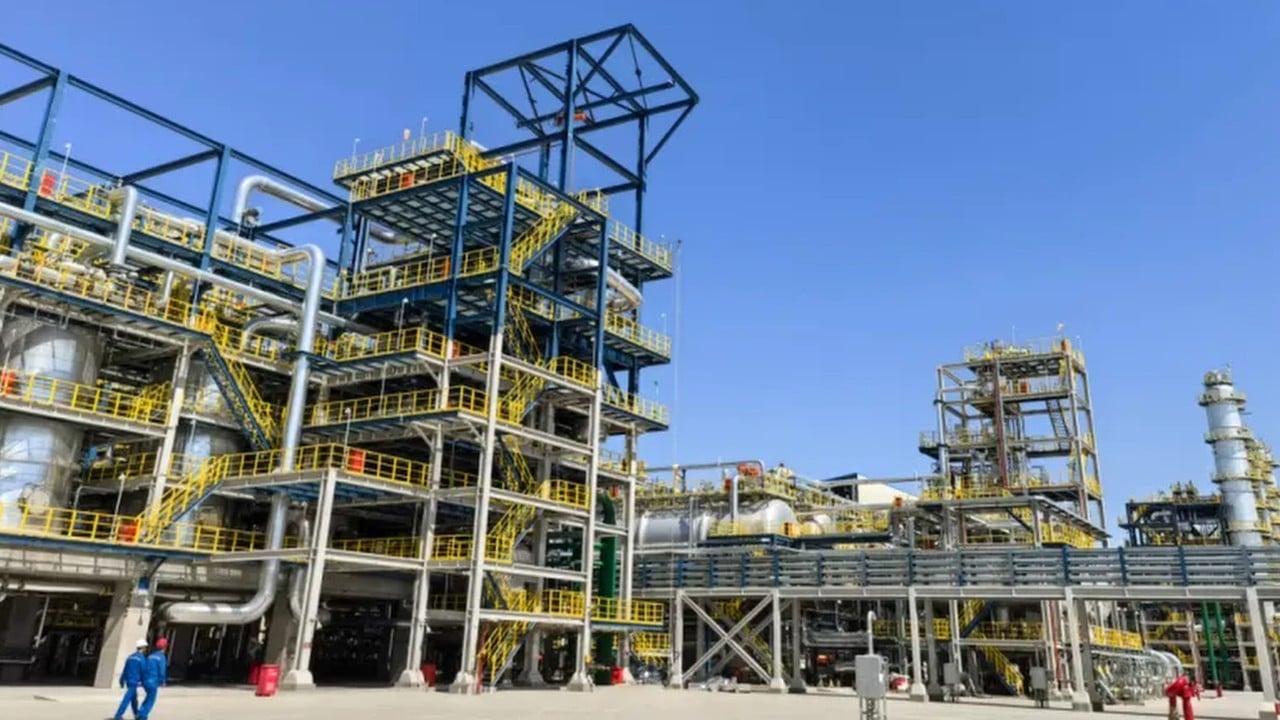
A new facility leverages decades of research to produce high-strength rubber designed to meet requirements of EVs and heavy-duty transport Starting production on July 16, the plant draws on more than 60 years of research into rare earth catalytic synthesis of butadiene rubber, which the institute said it helped to pioneer in the 1960s. Butadiene rubber is a type of synthetic rubber that is highly resilient and wear-resistant, and is used to produce tyres and other high-quality rubber-based products. Cis-butadiene rubber refers to a high-grade form engineered to have better durability and elasticity. Butadiene rubber is typically produced using a metal-based catalyst, mainly nickel, titanium, cobalt, or rare earth metals. One of the main catalytic systems uses neodymium, a rare earth metal produced mainly by China.

Libya unveils $2 billion plan to stabilize foreign exchange markets
Business

Libya unveils $2 billion plan to stabilize foreign exchange markets

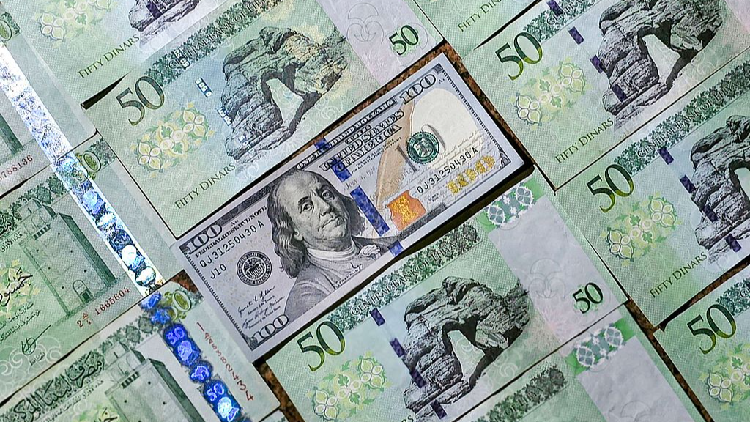
By continuing to browse our site you agree to our use of cookies, revised Privacy Policy and Terms of Use. You can change your cookie settings through your browser. Banknotes of the 50 Libyan dinar denomination are pictured around a $100 banknote, in Tripoli, capital of Libya, April 17, 2025. /CFP Libya's central bank Sunday announced a series of measures to stabilize the Libyan dinar and ease pressure on foreign exchange markets, including allocating $2 billion for imports and personal foreign currency transactions. Following a meeting chaired by Central Bank Governor Naji Issa, the bank said it will allocate $1 billion during the coming week to finance letters of credit for imports and another $1 billion for personal foreign exchange transactions through its electronic platform. Commercial banks will also extend operating hours for over-the-counter US dollar sales. The central bank also approved the first phase of its August cash liquidity plan, which will inject over $780 million into commercial banks to meet growing demand for cash.

Hong Kong banks in early stages of preparing for quantum computing threats, HKMA says
Business

Hong Kong banks in early stages of preparing for quantum computing threats, HKMA says

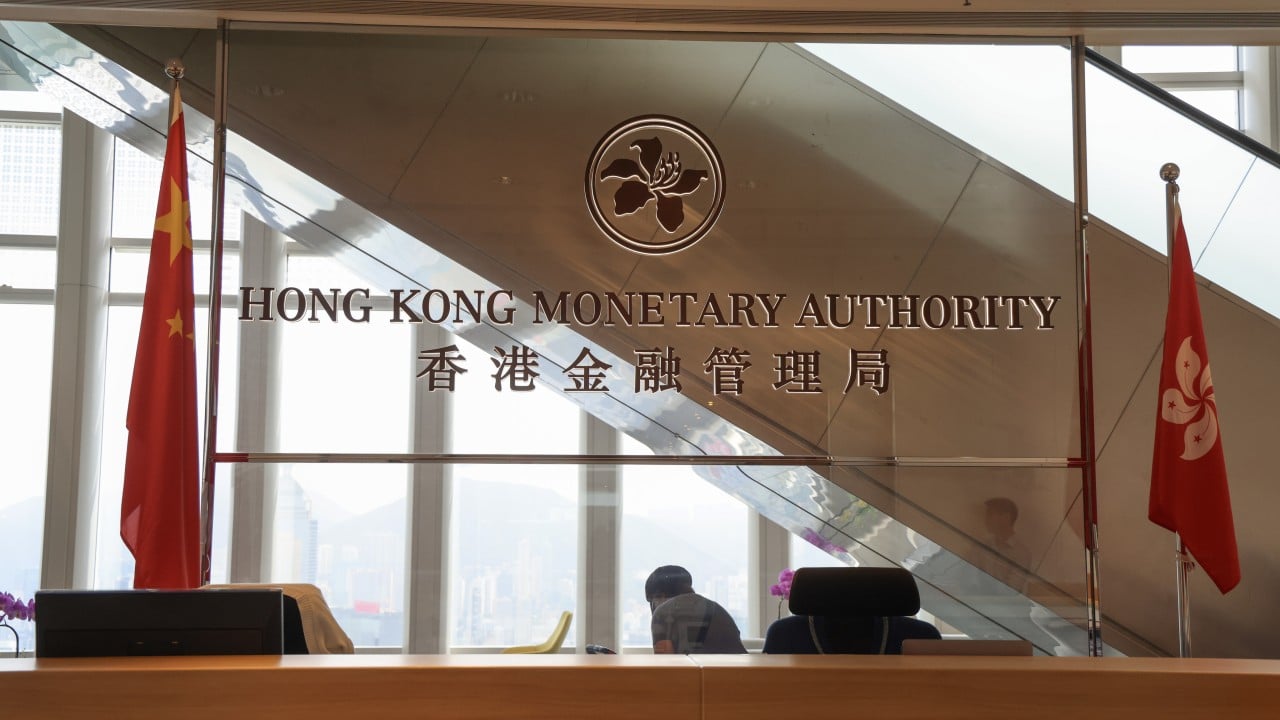
Banking sector scores 2.3 out of 10 on new readiness index as regulator targets full preparedness by 2030 Hong Kong’s banking sector is still in the early stages of preparing for cybersecurity risks posed by quantum computing, the city’s de facto central bank said on Monday as it unveiled a new benchmark to track the industry’s readiness. The index, based on a survey conducted earlier this year, assessed banks according to four categories: awareness, planning, pilot projects and operational readiness. The HKMA said it aimed for the sector to achieve full readiness, or a score of 10, by 2030. Quantum computers are expected to eventually be powerful enough to break many of today’s widely used encryption standards, prompting regulators and financial institutions worldwide to prepare for a shift to post-quantum cryptography (PQC) – encryption designed to resist quantum attacks. The survey found that 68 per cent of banks had begun preparations by raising awareness, developing plans or launching pilot projects, while 32 per cent had yet to take any steps. About half of the banks surveyed also said they had no formal road map for adopting PQC. Even so, momentum is building.

Hong Kong’s wild boar population halves under capture-and-kill strategy
Business

Hong Kong’s wild boar population halves under capture-and-kill strategy

Number of boars culled since 2021 rose elevenfold to 723 last year while number of injuries from boar attacks fell by 80 percent over same period The number of wild boars in Hong Kong has declined by more than half in the four years since authorities adopted a capture-and-kill policy, with HK$105.6 million (US$13.46 million) spent over the same period. A Legislative Council study published on Monday found that the number of boars culled since 2021 rose elevenfold to 723 last year under the new policy. Over the same period, the number of injuries from boar attacks declined by 80 percent. In the research brief seen by the South China Morning Post, government figures showed the city’s estimated wild boar population stood at 2,000 in 2021, but dropped to 990 last year, thanks to the cull. “Between 2020 and 2022, the number hovered around 2,000 wild boars. After the Agricultural, Fisheries and Conservation Department adjusted its control strategy, the number plummeted by 50.5 per cent to 990 in 2025,” the brief said. Hong Kong authorities announced in November 2021 that they would regularly capture and put down wild boars in monthly operations using tranquilliser guns to reduce their numbers and attacks on people.

China’s new ‘new three’ exports power next wave of global trade
Business

China’s new ‘new three’ exports power next wave of global trade

By continuing to browse our site you agree to our use of cookies, revised Privacy Policy and Terms of Use. You can change your cookie settings through your browser. China's export portfolio is rapidly evolving, with a new generation of high-tech products emerging as key drivers of foreign trade. While electric vehicles, lithium batteries and solar cells were once known as China's export "new three," the first half of this year has seen robots, artificial intelligence (AI) and innovative medicines, dubbed the "new 'new three,'" gain momentum as the country's latest export engines. Analysts say the shift reflects a fundamental transformation in the drivers of China's export competitiveness. "The previous 'new three' were rooted in manufacturing," Peng Yazhe, a digital economy researcher at the China Galaxy Securities New Development Research Institute, told 21st Century Business Herald. "Whoever could achieve large-scale production and lower costs had the competitive edge." "The new 'new three' follow a completely different industrial logic," Peng said. "They are knowledge-intensive and technology-intensive industries whose competitive advantage comes from sustained research and development and continuous technological iteration.

Is Kim Yo-jong’s rebuke a sign North Korea is ditching Asean diplomacy?
Business

Is Kim Yo-jong’s rebuke a sign North Korea is ditching Asean diplomacy?

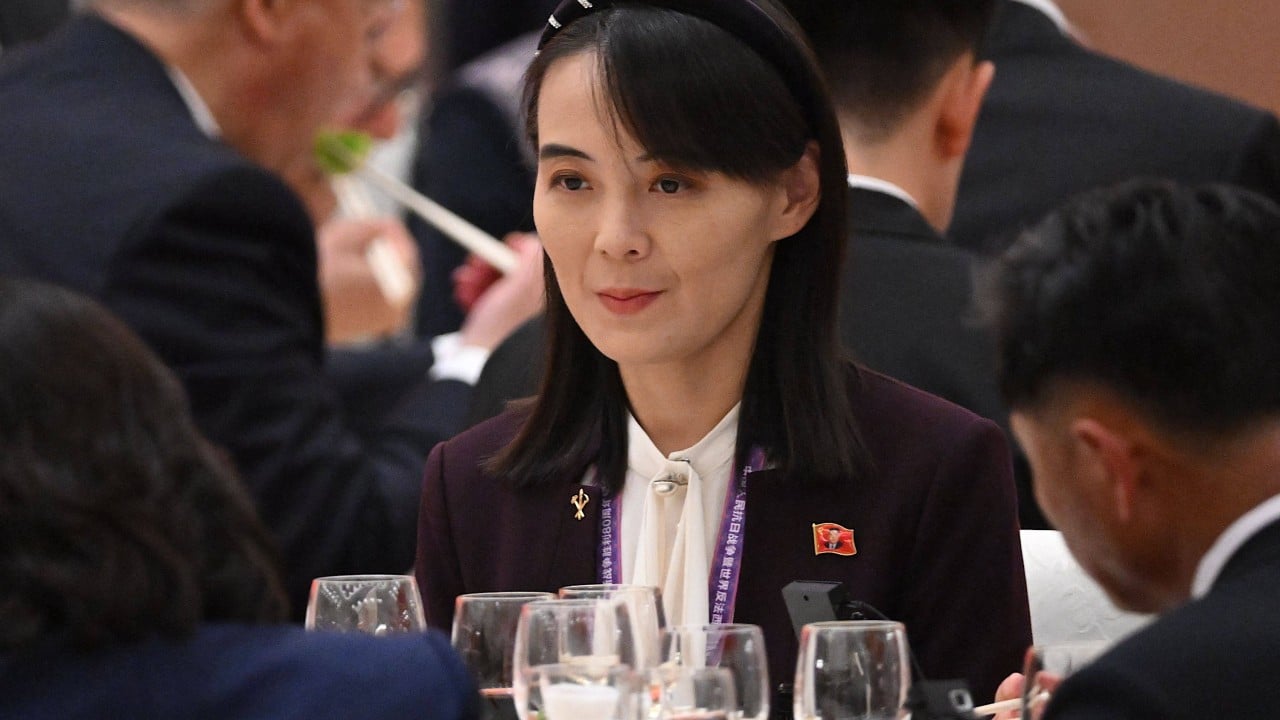
Kim Yo-jong says Asean’s call for denuclearisation has ‘distorted the essence of the situation in the Korean peninsula’ At the annual Asean Regional Forum held in the Philippines last Thursday, Asean expressed “grave concern” over the ongoing development of North Korea’s nuclear weapon and missile programmes. The meeting also “stressed the importance of resuming peaceful dialogue among all concerned parties in order to realise lasting peace and stability in a denuclearised Korean peninsula”. Pyongyang state media quoted Kim Yo-jong as retorting: “It is a failure in strategic thinking and logic and a manifestation of a stupid and foolish wild dream to still adhere to the ‘denuclearisation of the Korean peninsula’ which had already lost its meaning conceptually and practically.” Kim Yo-jong said she “expressed strong dissatisfaction with the forum’s undisguised hostile attitude of going along with the US trumpeting about ‘denuclearisation’”, warning that the Asean forum should not be “misused as a hired mouthpiece for the US”.

Singapore detains 3 ‘self-radicalised’ teens over planned attacks
Business

Singapore detains 3 ‘self-radicalised’ teens over planned attacks

The teens, aged 14 to 19, were held under the Internal Security Act, which allows for detention without trial Singapore authorities said on Monday they had arrested three teenagers over separate plots to carry out shooting, stabbing and bomb attacks, warning of the threat of “youth radicalisation” in the security-conscious city state. The three boys, detained between April and June, had been “self-radicalised” online, adopting violent extremist ideologies, the Internal Security Department (ISD) said. They are held under the Internal Security Act, which allows for detention without trial. One of them, a 14-year-old student, is accused of planning a stabbing attack at his school, the ISD said. Drawn to the jihadist ideology of the Islamic State group, he allegedly intended to target “non-Muslim teachers and schoolmates” and livestream the attack. He had initially tried to acquire a gun but dropped the plan because of Singapore’s strict firearm laws, and considered making a bomb but lacked the funds for it, the ISD said. The boy idolised mass shooters, and was a fan of first-person shooter games on online platform Roblox, according to the security agency.