Business — 3,555 insights
China’s approach to AI governance offers path for global cooperation
Business

China’s approach to AI governance offers path for global cooperation

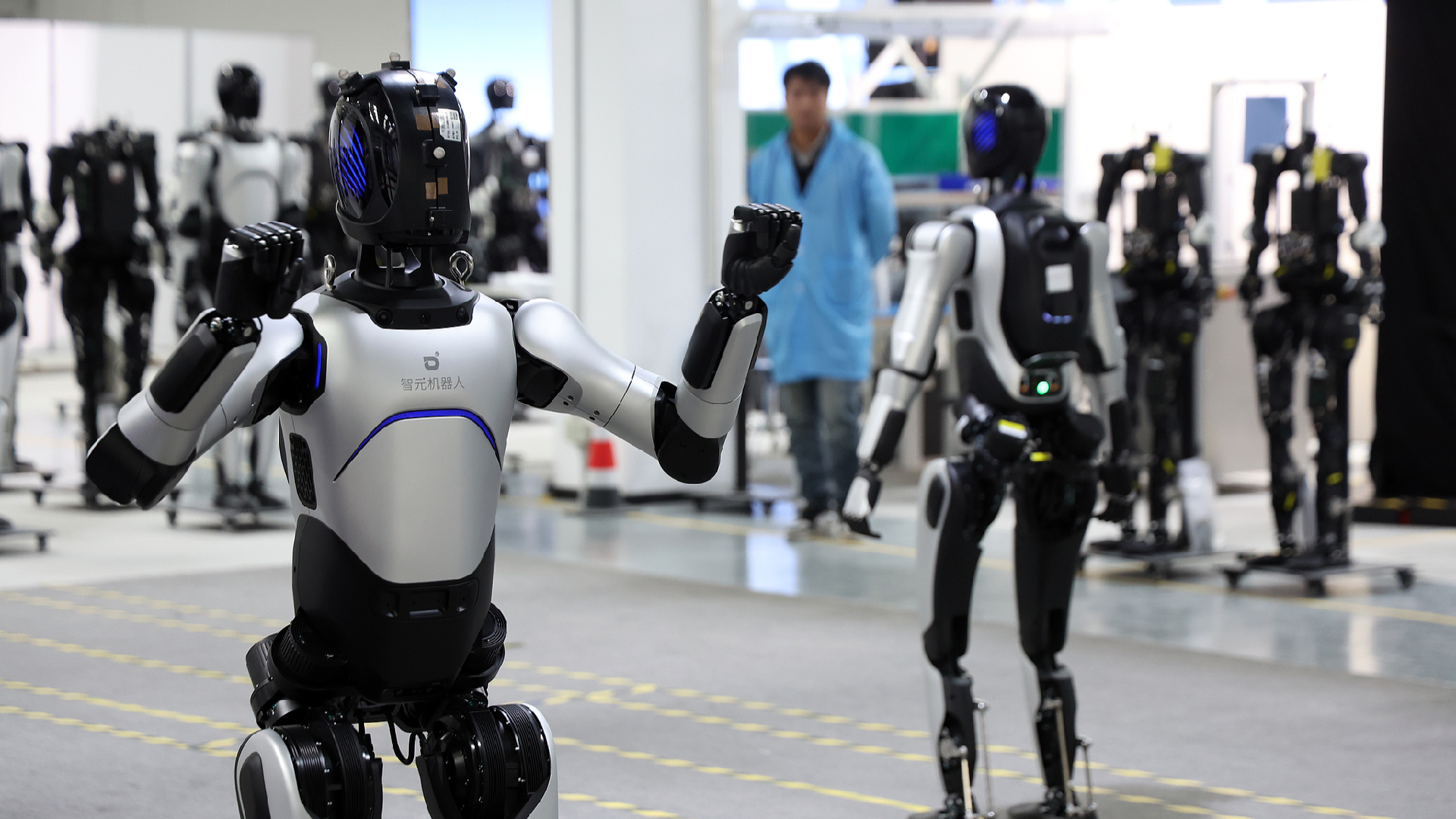
By continuing to browse our site you agree to our use of cookies, revised Privacy Policy and Terms of Use. You can change your cookie settings through your browser. Editor's note: Keke Gai is a professor of the School of AI, Beijing Institute of Technology at Zhongguancun Academy. Jing Yu is a professor of the School of Information Engineering at Minzu University of China. The article reflects the authors' opinions and not necessarily the views of CGTN. Artificial intelligence is reshaping the world at remarkable speed. As breakthroughs continue to emerge across industries and societies, a parallel effort is underway to build rules, cooperation and trust that can ensure the technology develops responsibly and benefits more people. The rapid evolution of AI has also intensified global discussions over how to balance innovation with safety. Dario Amodei, CEO of AI company Anthropic, recently warned that advanced AI could bring serious risks and argued that more time should be given for safety measures to catch up with technological progress. His remarks have sparked debate within the global AI community. Concerns over the potential risks of new technologies are not new.
Global South politicians call for AI utilization in global governance
Business

Global South politicians call for AI utilization in global governance

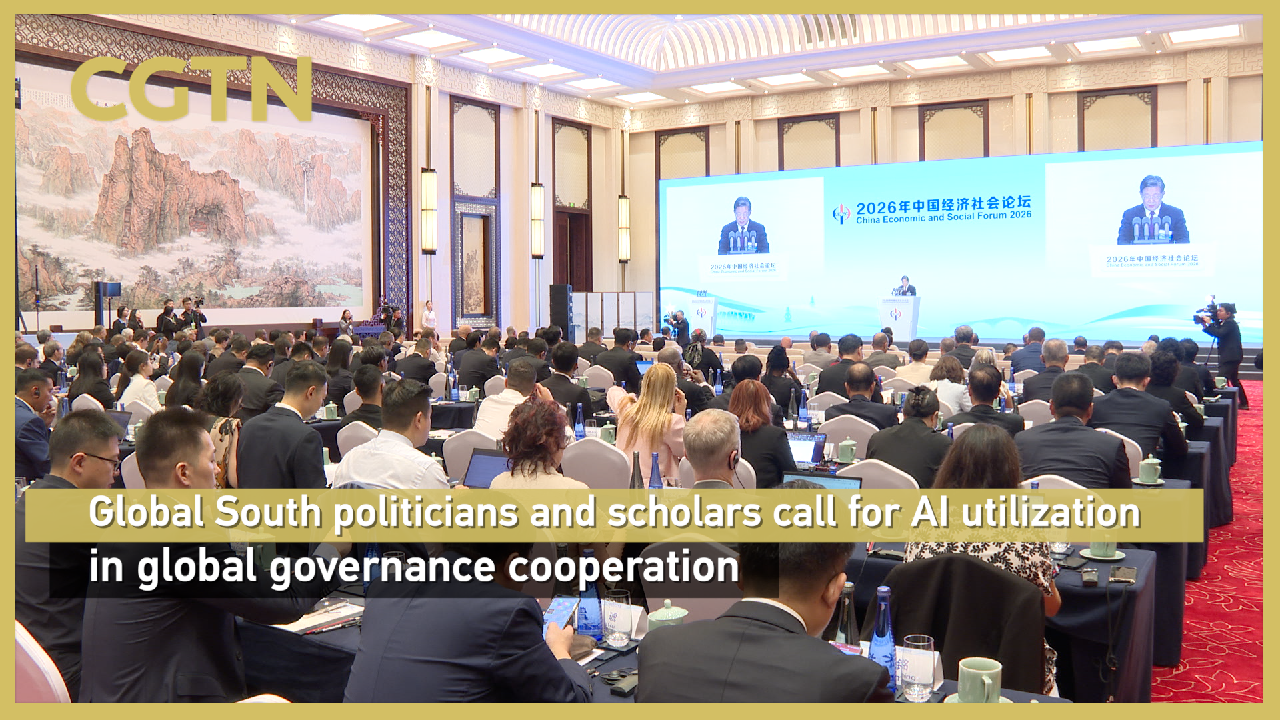
By continuing to browse our site you agree to our use of cookies, revised Privacy Policy and Terms of Use. You can change your cookie settings through your browser. The 2026 China Economic and Social Forum kicked off in the city of Hangzhou on September 16, with 85 domestic and foreign politicians and scholars calling for greater cooperation on AI in global governance.

China-ASEAN cooperation gains momentum through shared opportunities
Business

China-ASEAN cooperation gains momentum through shared opportunities

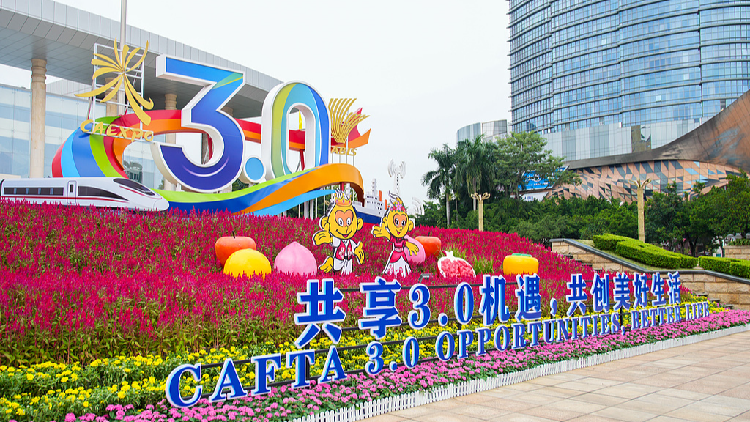
By continuing to browse our site you agree to our use of cookies, revised Privacy Policy and Terms of Use. You can change your cookie settings through your browser. Nanning welcomes the 23rd China-ASEAN Expo and China-ASEAN Business and Investment Summit, Guangxi Zhuang Autonomous Region, south China, September 15, 2026. /VCG "The number of durian containers in the first seven months has almost matched the total for all of last year," said Li Qianchang, native of Pingxiang, a border county in south China's Guangxi Zhuang Autonomous Region, who has been trading fruits since joining his current company in 2020. For Li, the growing trade between China and the Association of South East Asian Nations (ASEAN) can be read from a tally board hanging at the entrance to his office. The trend is part of a broader expansion in China-ASEAN cooperation. In the first seven months of this year, Guangxi's imports from ASEAN reached 62.84 billion yuan ($9.4 billion), up 19% year on year. Among major import categories, imports of electromechanical products rose 23.8%, while those of metal ores and concentrates increased 3.4%.

Historic moment for Hong Kong as John Lee set to deliver city’s first ever 5-year plan
Business

Historic moment for Hong Kong as John Lee set to deliver city’s first ever 5-year plan

Highly anticipated plan comes after two-month public consultation and aims to align city’s priorities with country’s 2026-30 development This live article is freely available to our registered users. Please log in or create an account. Hong Kong leader John Lee Ka-chiu will unveil the city’s first five-year plan at the legislature on Wednesday morning, followed by his annual policy address. The highly anticipated plan, which comes after a two-month public consultation, aims to align the city’s priorities with the nation’s 2026–30 development blueprint. The five-year plan will map out the long-term blueprint and strategic direction for Hong Kong’s development with “far-reaching significance”, while the policy address will continue to serve as an annual report and set out how the government would implement the plan in a given year, he added. This year’s policy address will also be Lee’s swansong of his current term. Follow the South China Morning Post’s live blog for the latest updates on the two documents set to guide the city’s economic and social development over the coming five years.

Dong Jun adopts softer stance on US at Xiangshan Forum as Xi prepares for Trump summit
Business

Dong Jun adopts softer stance on US at Xiangshan Forum as Xi prepares for Trump summit

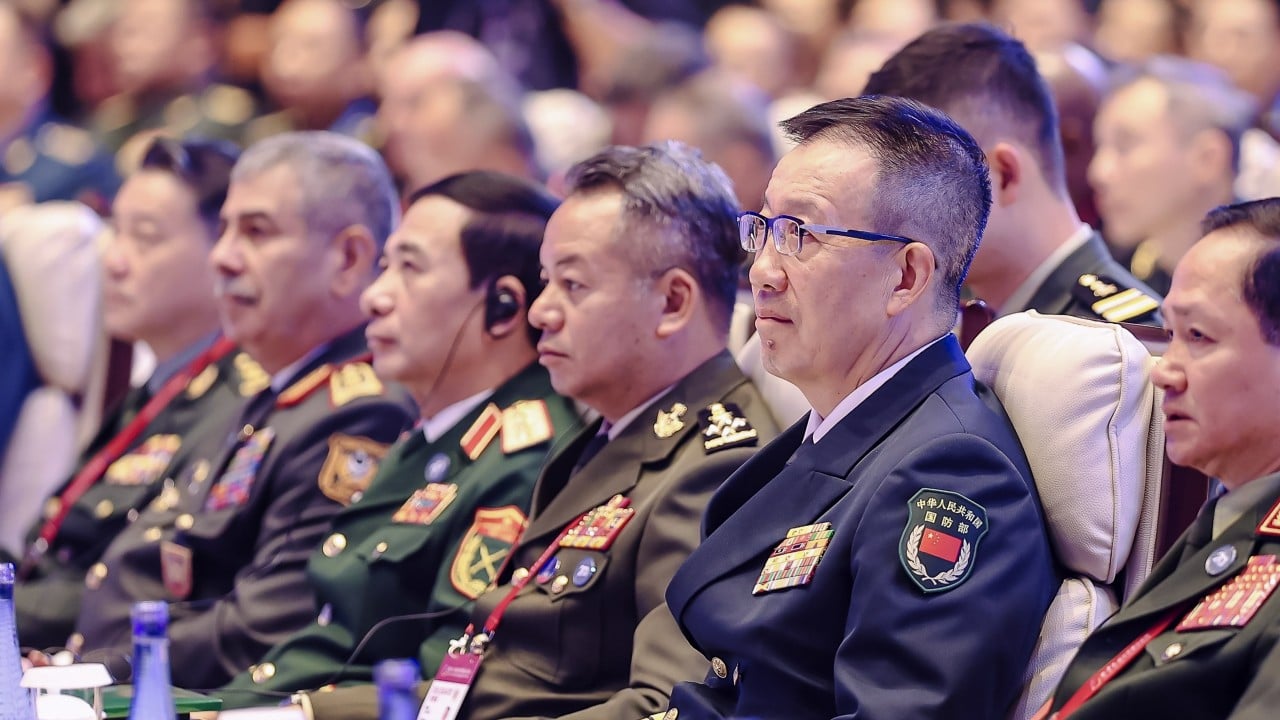
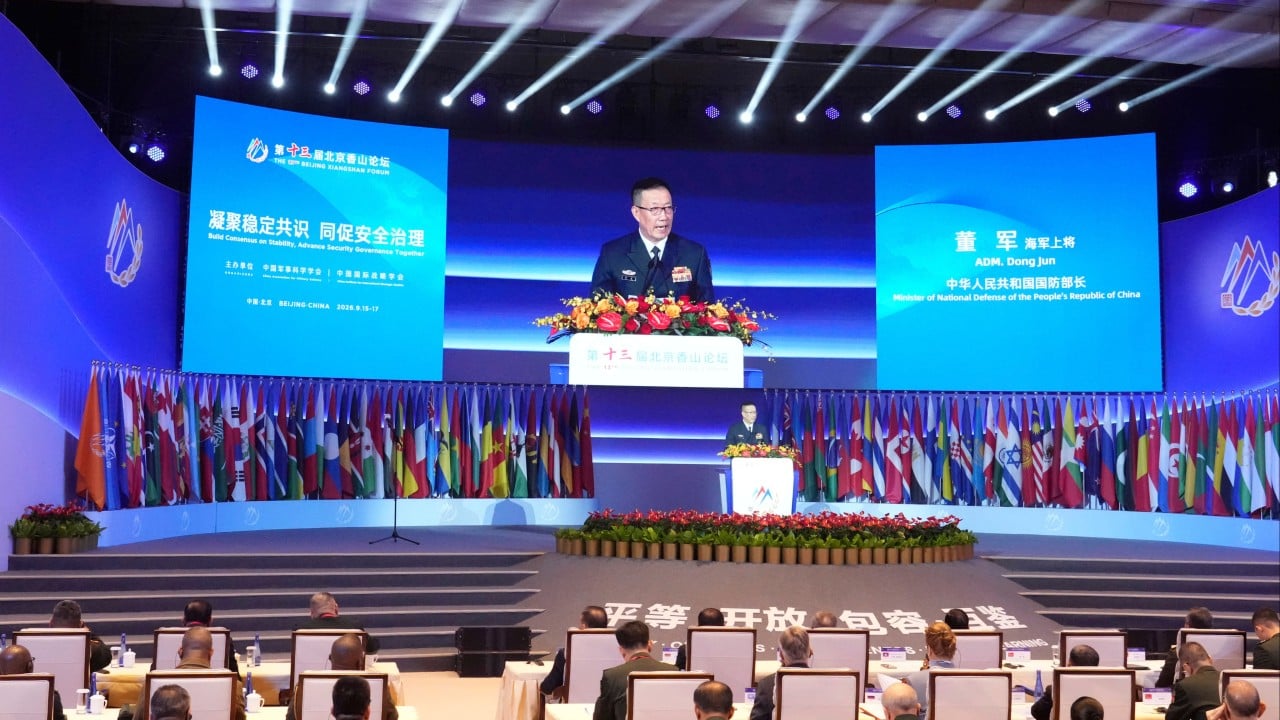
Retired PLA colonel says defence minister’s speech signals growing confidence and lower tension with US Chinese Defence Minister Dong Jun’s address to a defence gathering in Beijing on Wednesday carried a message for Washington but it was delivered in a notably softer, less critical tone, according to a retired senior colonel in the People’s Liberation Army. Zhou Bo, now a senior fellow at the Centre for International Security and Strategy at Tsinghua University, said Dong’s tone was “relatively mild”, even as the Chinese defence minister made veiled references to the US and its actions in the Middle East. He also called for major countries to shoulder their responsibility and said the international community should oppose actions that involve forming exclusive blocs, adding that “the causes of disputes cannot be resolved by force”.

Asia-Pacific regional integration in focus at Haikou roundtable
Business

Asia-Pacific regional integration in focus at Haikou roundtable

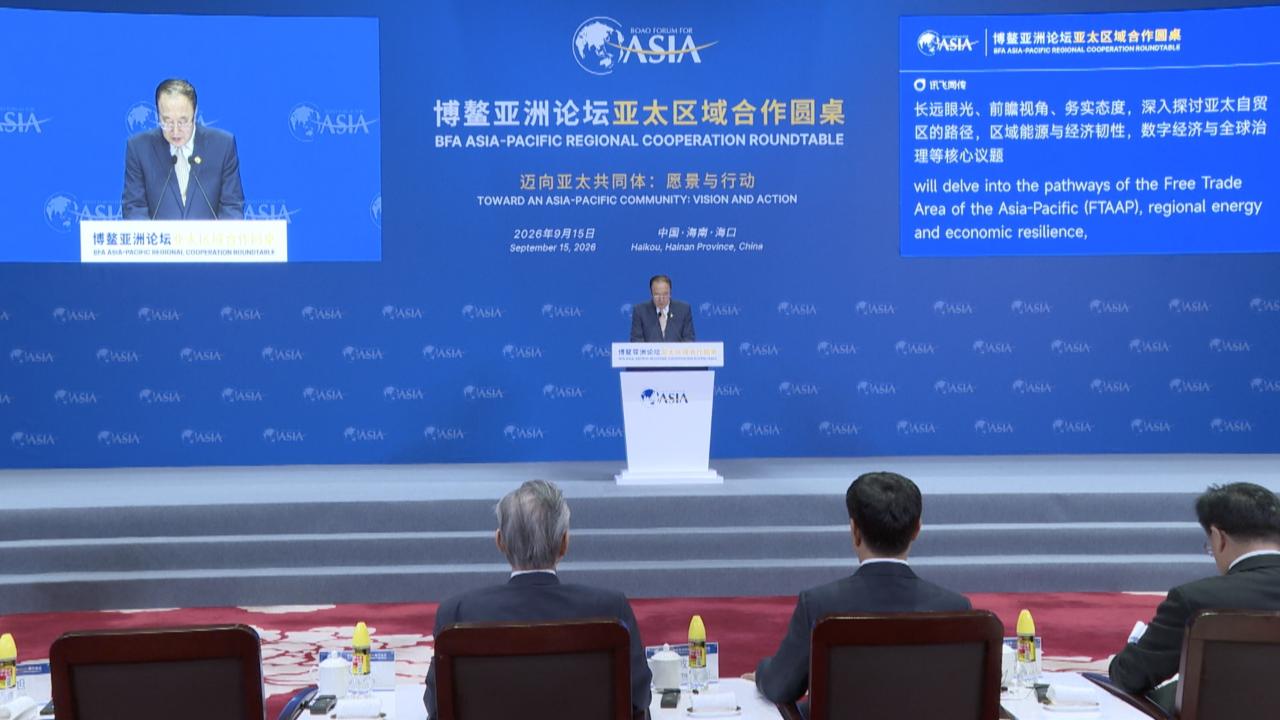
By continuing to browse our site you agree to our use of cookies, revised Privacy Policy and Terms of Use. You can change your cookie settings through your browser. A regional roundtable in Haikou, China’s Hainan Province, has brought together policymakers, business representatives and academics from more than 30 countries to explore the future of cooperation in the Asia-Pacific. Under the theme “Toward an Asia-Pacific Community: Vision and Action,” participants discussed regional economic integration, supply chain connectivity and AI cooperation, while also exploring the vision of a Free Trade Area of the Asia-Pacific (FTAAP).

South Korean court orders Pyongyang to pay US$32.5m for destroying border office
Business

South Korean court orders Pyongyang to pay US$32.5m for destroying border office

A Seoul court ordered Pyongyang on Wednesday to pay roughly US$32.5 million for blowing up in 2020 an office in North Korea that was intended to foster relations between the two Koreas, Yonhap news agency reported. The lawsuit over the destruction of the Inter-Korean Liaison Office marks the first time the South Korean government has sought damages directly from the North, according to media reports. South Korea’s previous conservative government, led by former president ‌Yoon Suk-yeol, filed...

Fragility and cooperation: the takeaways from Dong Jun’s Xiangshan Forum speech
Business

Fragility and cooperation: the takeaways from Dong Jun’s Xiangshan Forum speech

Chinese Defence Minister Dong Jun gave a keynote speech to the Xiangshan Forum in Beijing on Wednesday, with just over a week until a summit in the United States between the presidents of the two countries. In his 20-minute address, Dong outlined China’s goals for global governance, multilateralism, conflict prevention and the development of emerging technology. Global security at a ‘moment of fragility’ Dong started by warning that a “zero-sum mindset” could not resolve today’s problems. He...

GSK licenses Chinese firm’s cancer drug in US$750 million deal
Business

GSK licenses Chinese firm’s cancer drug in US$750 million deal

The acquisition is the latest in a string of major licensing deals involving Chinese biotechnology firms British pharmaceutical giant GSK has agreed to acquire a cancer drug from Chinese firm Chimagen Biosciences in a deal worth up to US$750 million, underscoring China’s emergence as a global player in biotechnology. GSK announced plans on Tuesday to buy full global rights to a “potential best-in-class” T-cell engager (TCE) from Chengdu-based Chimagen, targeting treatment for multiple myeloma, a type of blood cancer. TCEs work by binding T cells, a kind of white blood cell, directly to cancer cells, triggering the immune system to attack the cancer. While current TCEs are effective at treating multiple myeloma, they often cause major side effects, and Chimagen’s new drug shows promise in both improved tolerability and more durable results, according to GSK. GSK will pay an undisclosed upfront fee to develop and commercialise Chimagen’s new TCE assets, followed by payments based on the drug’s successful development and commercialisation, the company said. The programme is expected to enter phase one trials next year.

Malingering or memory loss? Duterte to appear in ICC courtroom for assessment
Business

Malingering or memory loss? Duterte to appear in ICC courtroom for assessment

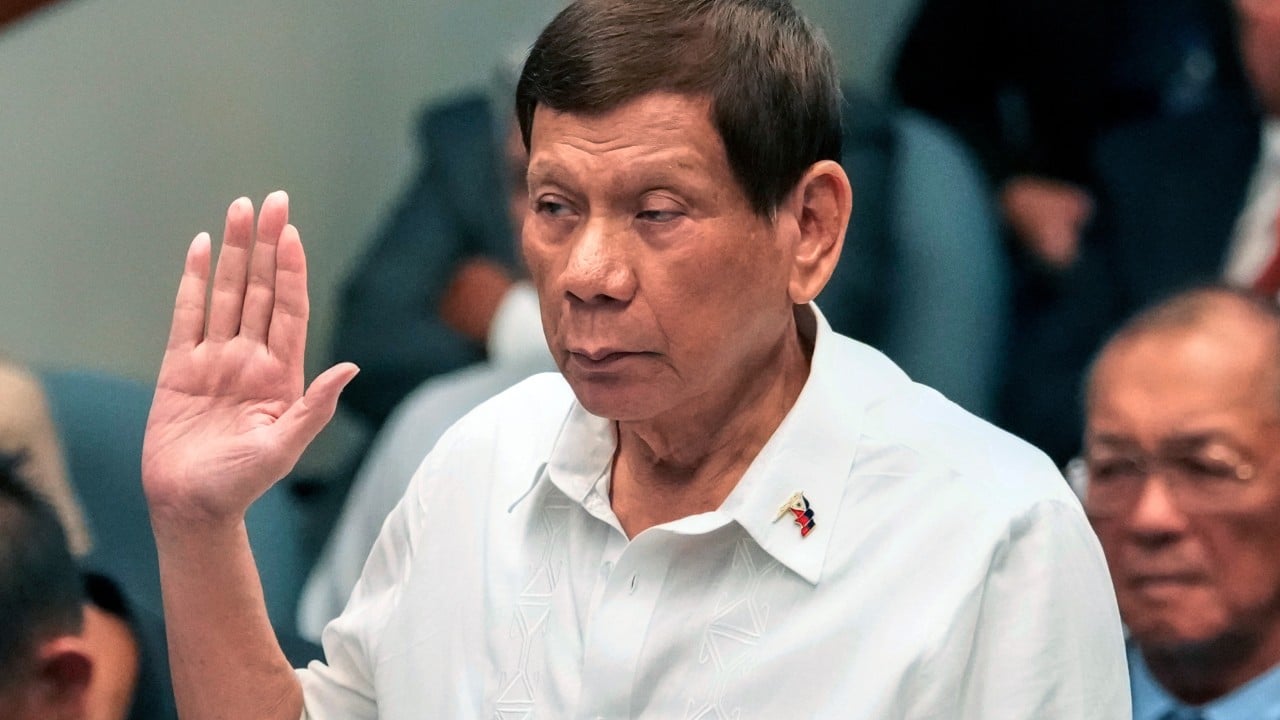
The former Philippine president’s lawyers have argued that he suffers from cognitive decline and is not well enough to stand trial Duterte, 81, served as president from 2016 to 2022, before being charged with crimes against humanity for creating, funding and arming death squads that targeted narcotics peddlers and users. He was arrested and taken to The Hague in March 2025. On Wednesday, judges will hear arguments about his health and ability to stand trial, which is scheduled to begin in November. His lawyers have argued that he suffers from cognitive decline and is not well enough. A court-ordered medical assessment has not been made public but Duterte’s defence and the ICC prosecutor reacted to it in documents dated Monday but published on the ICC website on Tuesday.

Neither tariffs nor export controls will stop China’s industrial engine
Business

Neither tariffs nor export controls will stop China’s industrial engine

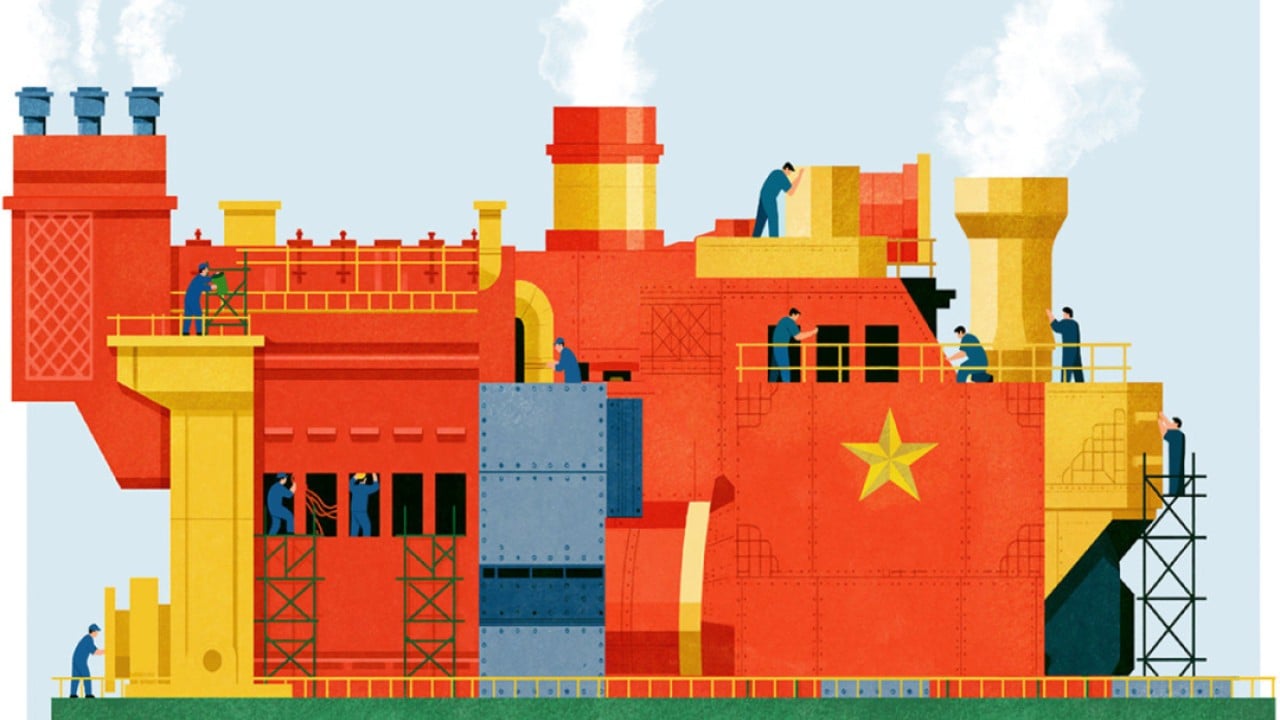
The first “China shock” was fairly easy to understand. Beginning in the 1990s, cheap Chinese goods poured into global markets, displacing large parts of lower-end manufacturing across the world. Now, China shock 2.0 seems to be under way, with China taking the lead in electric vehicles (EVs), batteries, solar panels, semiconductors and other more technologically sophisticated industries. This is often perceived as a trade problem, with Chinese manufacturers producing too much, selling too...

Viral ‘then and now’ photos of Chinese woman reunited with family spark trafficking debate
Business

Viral ‘then and now’ photos of Chinese woman reunited with family spark trafficking debate

Sun, believed to have come from a relatively affluent Beijing family, was fluent in English and classically trained in ballet, ballroom dancing A woman from northern China has been reunited with her biological family after 26 years, with striking before-and-after images from her disappearance renewing public attention on the plight of human trafficking survivors. Sun Meihua, from Shandong province, was located after an online user known as Chuxin shared her story. During a visit to a village captured on video, Chuxin encountered Sun, who had greying hair, a frail demeanour and signs of cognitive difficulties. Chuxin soon learned that Sun was not from the area and had long harboured hopes of reconnecting with her family. Despite her intellectual challenges, Sun demonstrated remarkable abilities, including recalling foreign trade terminology and writing clearly. She was able to write her own name, as well as two names believed to belong to relatives, and identify several locations in Beijing.