Business — 3,570 insights
China’s tech giants fuel the rise of AI tokens as a new corporate currency
Business

China’s tech giants fuel the rise of AI tokens as a new corporate currency

As the cost of running AI models continues to drop, the token economy is reshaping ecosystems far beyond corporate cubicles Every month, a Beijing-based ByteDance employee says he burns through close to a billion units of a new corporate currency – one that cannot buy a coffee or pay rent. Yet, as he noted, that staggering volume “doesn’t even put me near the top of the consumption rankings in my department”. That currency is not yuan, but artificial intelligence tokens. “Using AI has become part of almost every task now,” said the employee, who requested anonymity as he was not authorised by the company to speak to the media. A token – dubbed ciyuan in mainland China – is the basic unit through which AI services are measured and billed. Every prompt submitted to a model and every response generated consumes tokens, much like electricity is measured in kilowatt-hours. As Chinese tech giants from ByteDance to Alibaba Group Holding and Tencent Holdings rush to encourage staff to integrate AI into daily workflows, tokens have become a new kind of corporate allowance. Employees are no longer just budgeting their time; they are also expected to budget their token use as proof of their AI literacy.

Whose AI model will win real-world application race?
Business

Whose AI model will win real-world application race?

By continuing to browse our site you agree to our use of cookies, revised Privacy Policy and Terms of Use. You can change your cookie settings through your browser. The 2026 World AI Conference in Shanghai is gathering over 1,100 companies, exhibiting more than 3,000 cutting-edge products in a 4-day event. CGTN reporter Wang Tianyu was at exhibition floor to see it firsthand.

Hegemony or balance of power? What the wars of ancient China teach us
Business

Hegemony or balance of power? What the wars of ancient China teach us

A new book on the Spring and Autumn period and its experiments in conflict and diplomacy helps explain today’s global order The historian A.J.P. Taylor wrote one of the most powerful openings of any book. “In the state of nature which Hobbes imagined, violence was the only law, and life was ‘nasty brutish and short’,” he wrote in The Struggle for Mastery in Europe, 1848-1918. “Though individuals never lived in this state of nature, the Great Powers of Europe have always done so. Sovereign states have distinguished European civilisation, at any rate since the end of the fifteenth century. Each individual state in Europe acknowledged no superior and recognised no moral code other than that voluntarily accepted by its own conscience …” If Hobbes saw true, he wrote, “the history of Europe should be one of uninterrupted war. In fact, Europe has known almost as much peace as war; and it has owed these periods of peace to the Balance of Power”. But statesmen, he observed, are often tired out by the balance of power, as the situation resembles anarchy among states; and wars periodically break out. “Men have not always acquiesced in the perpetual quadrille of the Balance of Power,” he continued.

Brunch with your bichon frise? Some dog owners say pet dining off to ruff start
Business

Brunch with your bichon frise? Some dog owners say pet dining off to ruff start

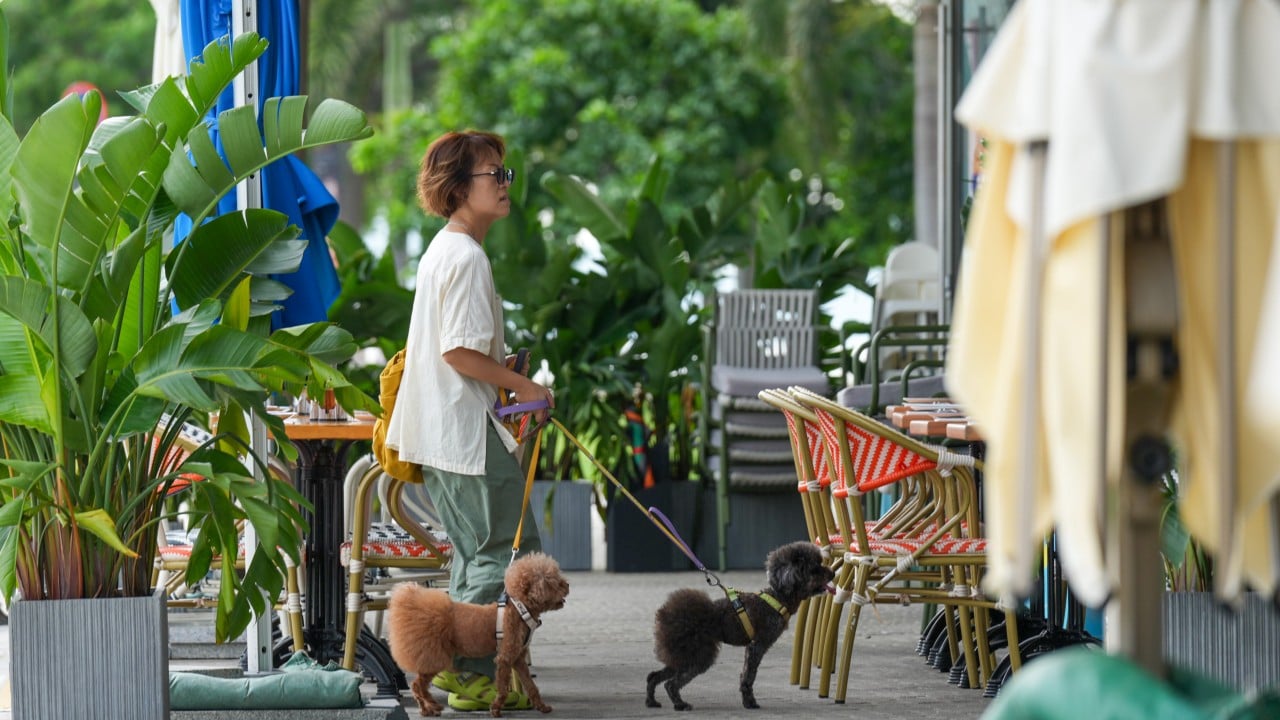
Residents whose pets are part of their daily routine can now take them to more than 900 restaurants, but not all are welcoming, some owners say Dog owners have welcomed Hong Kong’s first wave of pet-friendly restaurants, but some have been disappointed by restrictive rules, confused staff and limited space, with one saying only half of her pet stroller could fit inside the premises. After months of anticipation, the Food and Environment Hygiene Department granted an initial 1,000 permits by lottery in June, and 940 restaurants opened their doors to dogs on July 9. Several businesses pulled out of the scheme days later, saying they needed more time to prepare, while others joined the scheme, taking the total to 971 as of Friday. The department also revealed that a restaurant in Tsuen Wan had been prosecuted for allowing in dogs without the required permit, in the first such legal action since the scheme started. Leona Li, who owns a five-year-old male bichon frise, described difficulties booking restaurants on the approved list. She wanted to celebrate the birthday of a family member on the first day of the scheme and contacted Jade Garden in Yuen Long.

China’s Xpeng plants a flag in Germany’s auto heartland with Mona L03 launch
Business

China’s Xpeng plants a flag in Germany’s auto heartland with Mona L03 launch

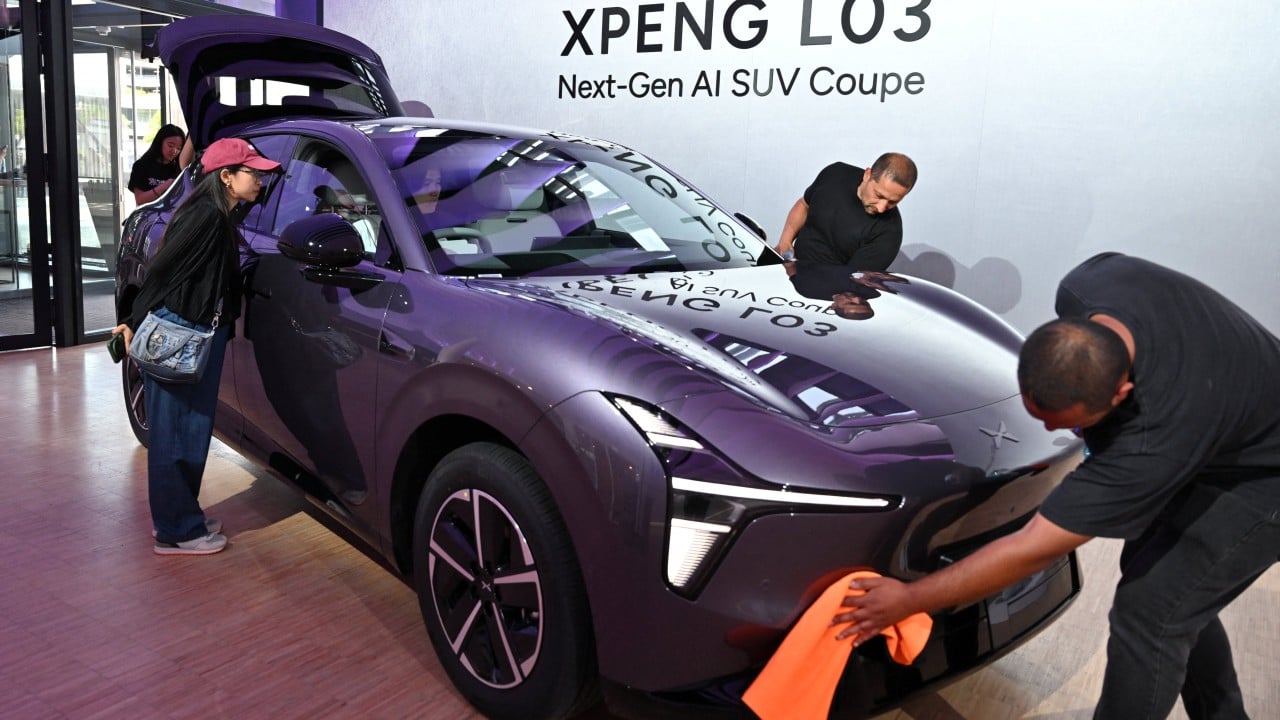
The Chinese electric car brand debuted its new SUV at a splashy ceremony in Munich, as it announced its intention to ‘put down roots in Europe’ Chinese electric vehicle maker Xpeng made its European ambitions clear on Thursday, as the firm unveiled its Mona L03 compact SUV at an event in the heart of Germany’s car industry, Munich. The launch, arguably the largest ever staged in Europe by a Chinese carmaker, was not just about introducing a new model, but also about convincing Europe that Xpeng is here to stay. “We are here not only to bring our products to Europe, but also to build them for Europe,” said He Xiaopeng, Xpeng’s chairman and CEO, as he opened his first keynote delivered entirely in English – after joking that listeners would have to forgive his “Hubei accent”. He said the company chose Germany because it was “the home of the auto industry”. Less than two years after entering the country, Xpeng is targeting 8,000 sales in Germany this year, rising to 20,000 next year. The L03’s pricing underscored that ambition. Starting at €35,600 (US$40,700) in Germany, it undercuts Tesla’s Model Y – Europe’s bestselling electric car – by more than €3,000, and Audi’s Q4 e-tron by over €10,000.

Chinese woman saved from crematorium after mistaken coma death becomes adept painter
Business

Chinese woman saved from crematorium after mistaken coma death becomes adept painter

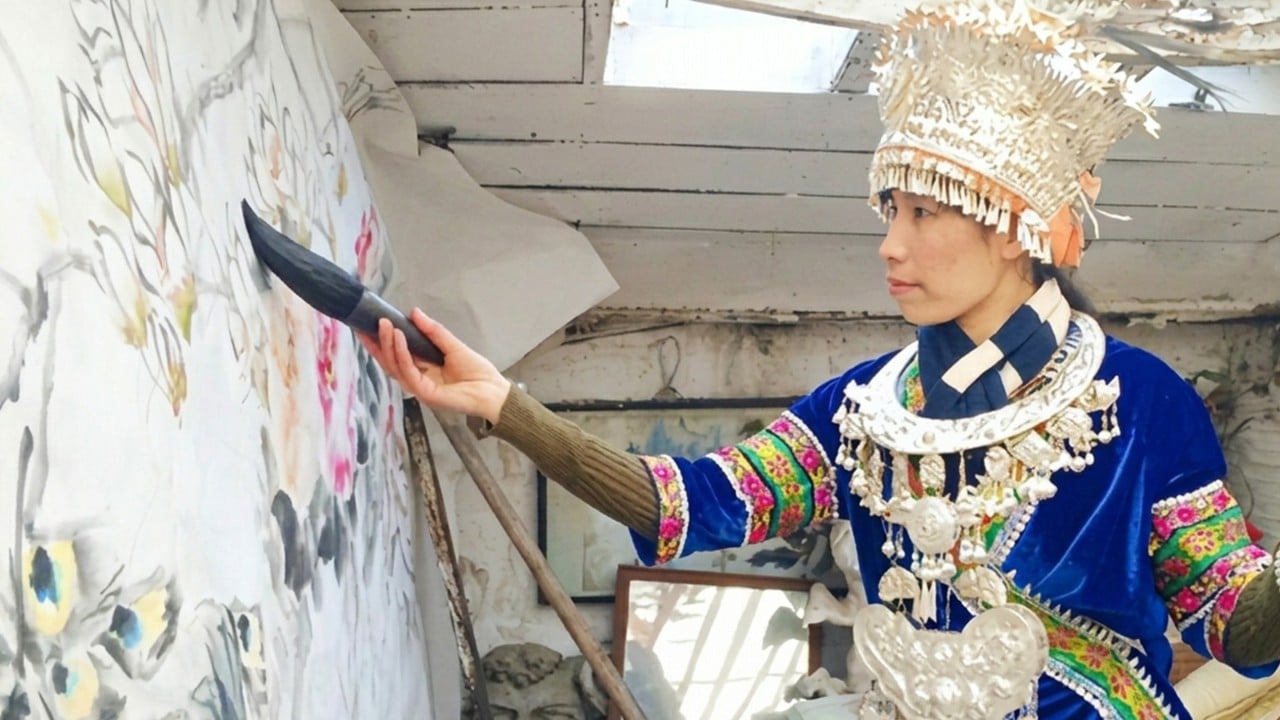
After 1995 brush with cremation, Chen Cuiju reportedly now an award-winning artist after teacher’s support helps her create a new life A woman in southeastern China who was mistaken for dead and nearly cremated after falling into a coma has rebuilt her life as a painter. Chen Cuiju, 49, grew up in a poor rural family in Guizhou province. In 1995, aged 18, she moved to Dongguan, Guangdong province, to work in a factory, but the gruelling hours and harsh conditions left her severely malnourished. One day, while suffering from a fever and walking alone by a river, Chen collapsed and lost consciousness, according to the Guizhou Metropolitan Daily. Days later, a boatman found her lying by the riverbank. Covered in dirt and barely breathing, Chen was mistaken for an unidentified corpse because she had no identification documents and was taken to a funeral home. In July that year, as a worker surnamed He was preparing to cremate her, he noticed a slight movement in her foot. Realising she was still alive, he alerted the police and rushed Chen to the hospital. Doctors reportedly diagnosed her with severe malnutrition, dehydration, and multiple organ failure.

Sun Fanglin, Chinese scientist who paved the way for new cancer drugs, dies aged 58
Business

Sun Fanglin, Chinese scientist who paved the way for new cancer drugs, dies aged 58

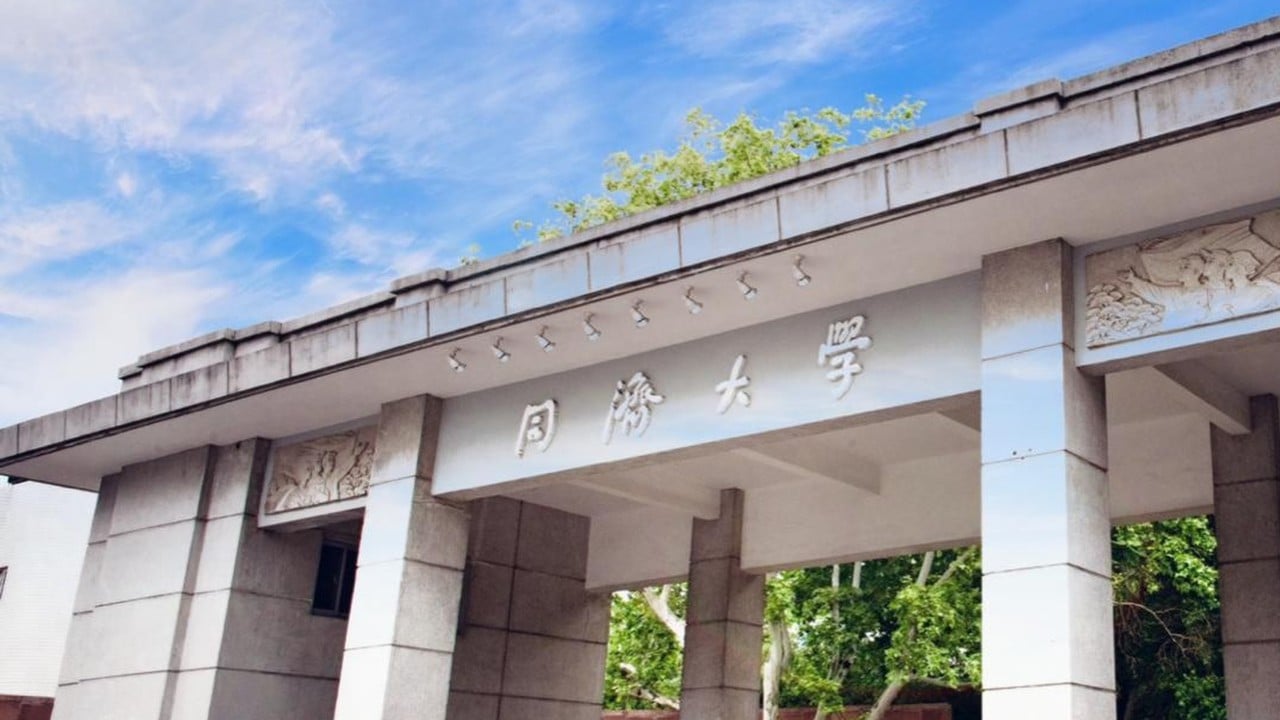
The Tongji University professor, who specialised in the study of how cells age and form tumours, led several national research programmes Leading Chinese scientist Sun Fanglin, whose work on how cells age and form tumours helped pave the way for the development of new cancer treatments, has died aged 58. Sun was director of the Advanced Institute of Translational Medicine at Tongji University in Shanghai and former dean of its School of Life Sciences and Technology. He had been receiving treatment for an undisclosed illness and died on July 10, the institute said in an obituary posted on its website. The noted biologist specialised in studying how the ageing process is affected by gene regulation and epigenetics – the way behaviour and the environment can alter the way genes work. He served as chief scientist for several national research programmes, including the National Programme on Key Basic Research, according to Tongji University. His research team was the first in the world to crack the challenge of tumours becoming resistant to targeted drugs by discovering biological pathways to reverse the process, the obituary noted.

Aspen Security forum tackles global risks
Business

Aspen Security forum tackles global risks

By continuing to browse our site you agree to our use of cookies, revised Privacy Policy and Terms of Use. You can change your cookie settings through your browser. Global security, energy, trade, and defense were key issues at the Aspen Security Forum in Aspen, where policymakers, academics, and former officials examined major geopolitical challenges. Panelists discussed the impact of the Iran conflict on global energy markets, the need to diversify energy supplies, and the effects of U.S. trade policies. NATO burden-sharing and Europe’s defense spending also sparked debate. CGTN's Hendrik Sybrandy reports.

Asia’s AI boom has a dirty secret: the coal that powers it
Business

Asia’s AI boom has a dirty secret: the coal that powers it

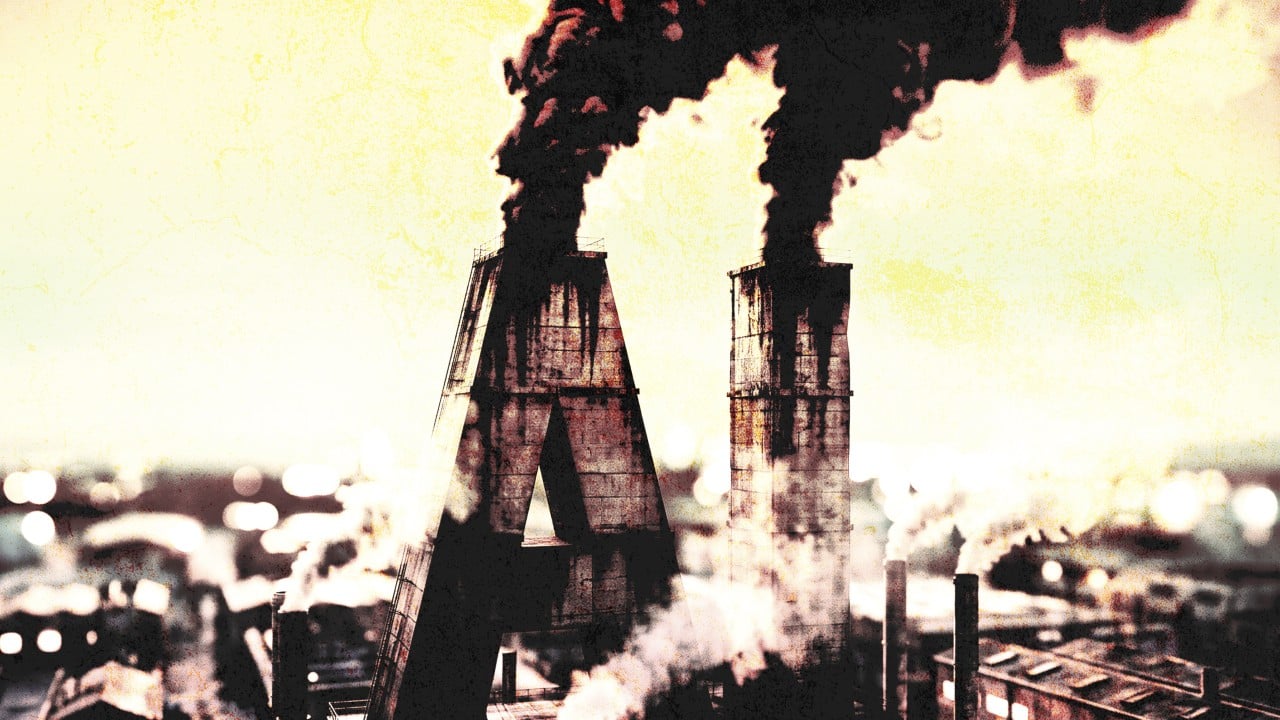
Asia sits atop vast amounts of coal, nearly three-fifths of the world’s known reserves by some estimates. Cheaper and more reliable than imported oil and gas, and far less vulnerable to disruptions caused by foreign wars, coal is also dirty, polluting – and the region’s No 1 “stopgap source” to power the AI infrastructure roll-out. “AI demand is materialising faster than clean energy generation can be commissioned,” said Alexander Kheder, a market research analyst at BMI who tracks global AI...

Asian-American groups fear Trump’s escalating rhetoric will fuel prejudice, racism in US
Business

Asian-American groups fear Trump’s escalating rhetoric will fuel prejudice, racism in US

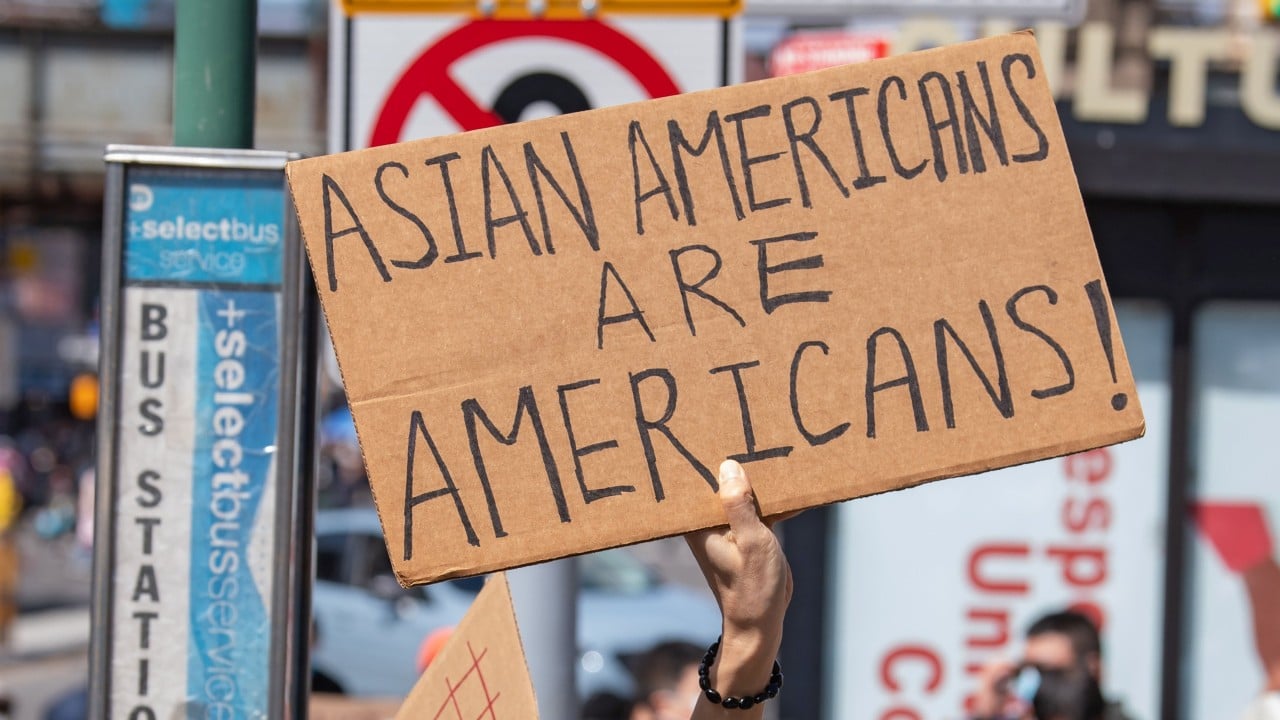
Community leaders warn US president’s explosive China election-interference allegations may see rise in anti-Asian hate crimes Much of the voter registration data in the previously classified reports that the president cited is disputed and is not new, analysts said. “This is an extension of racism and xenophobic behaviour,” said Joanna Yang Qing Derman, civil rights and national security director with civic group Asian-American Advancing Justice, part of a grass roots network of over 300 community groups.

Trump Media pitched US$100,000 fee for fastest feed of US president’s posts, sources say
Business

Trump Media pitched US$100,000 fee for fastest feed of US president’s posts, sources say

The US president’s posts often move markets, and even a tiny speed advantage can lead to big gains on trades for investors Donald Trump’s social media company has discussed charging Wall Street traders and investment firms as much as US$100,000 a month for faster access to the US president’s posts on his Truth Social platform, according to people familiar with the matter. Trump Media & Technology Group, which owns Truth Social, has in recent weeks also pitched a discounted plan of US$60,000 per month if the firms sign up for a three-year plan, the sources said, requesting anonymity as the ‌discussions are confidential. TMTG on Thursday unveiled a paid-for, licensed data feed called “Truth API” to provide banks and trading firms the fastest access to posts from the 10 most influential Truth Social accounts, but did not give any pricing details. The move would be the company’s first step into data licensing, opening up a new revenue stream, although it drew immediate criticism from Democrats. US Senator Ron Wyden of Oregon, the highest-ranking Democrat on the Senate Finance Committee, said it would financially benefit the Trump family and “make Wall Street traders rich”.

‘Made in EU’: How Europe plans to use China’s tech to pull level with its EV rival by 2028
Business

‘Made in EU’: How Europe plans to use China’s tech to pull level with its EV rival by 2028

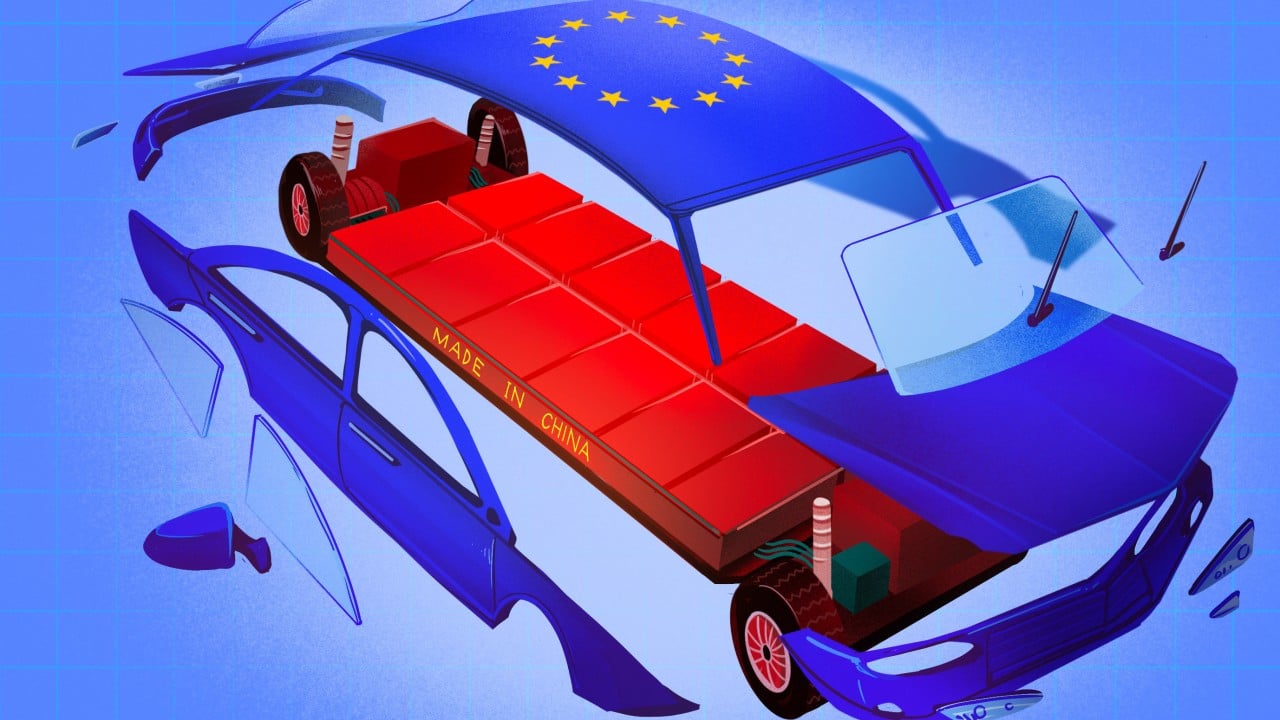
New regulations will help EU produce electric vehicles at a price point to match China, but European job losses would be among trade-offs A crown jewel of Europe’s industrial output, the automotive sector represents directly and indirectly a total of more than 13 million jobs in the EU. But the obituaries may have been written too soon. A growing number of industry insiders said European brands could pull level with their Chinese rivals in cost, some predicting parity could come as soon as 2028 or 2029. Their careful optimism came hedged with caveats, but the gap that once looked fatal might finally be beginning to close. For Harald Hendrikse, European head of autos research at Citi, who proposed the 2028 to 2029 time frame in a May note, reaching it rested on two pillars: the correct implementation of the “Made in EU” requirements in the proposed Industrial Accelerator Act (IAA), and continued European access to Chinese technology and know-how. “The most important thing is the fact that the Chinese are completely open, the Chinese industry is completely open to working with Western manufacturers, which means that basically, even relatively new Chinese technology is coming very quickly to Europe,” Hendrikse said.